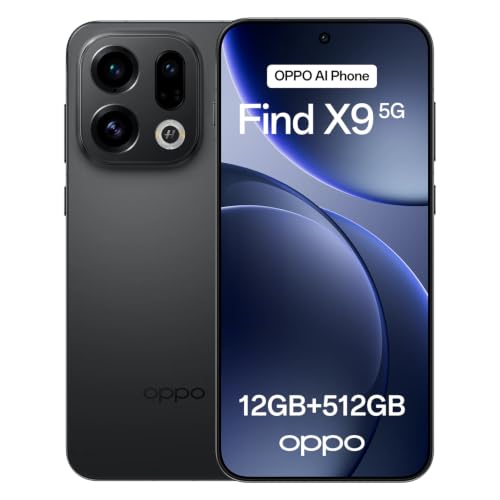
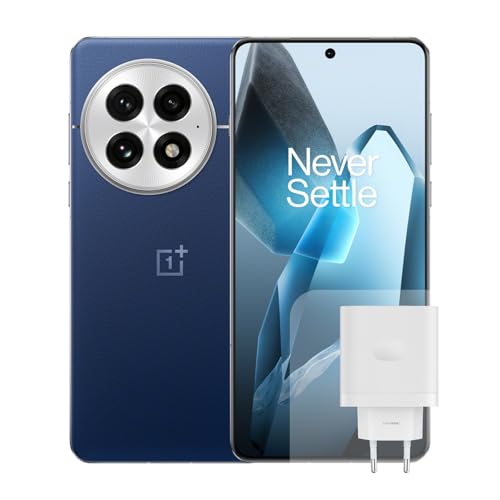
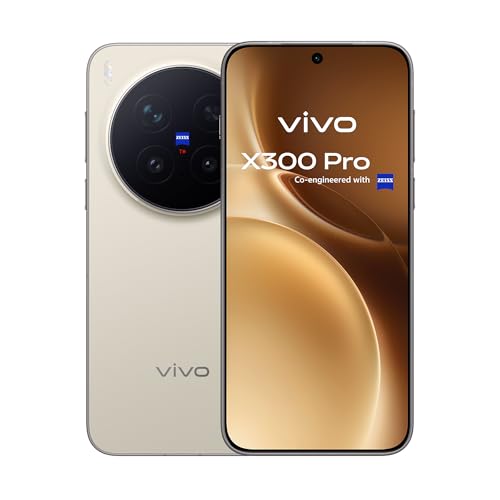
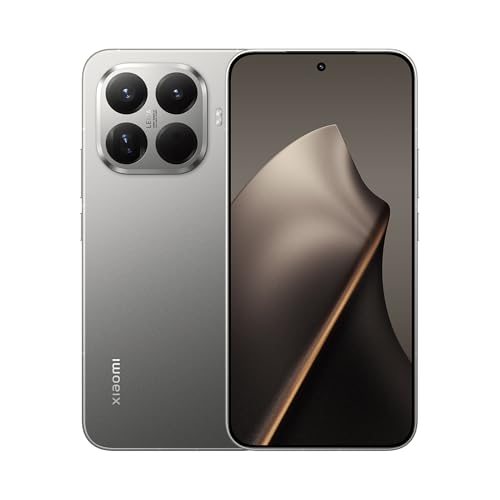
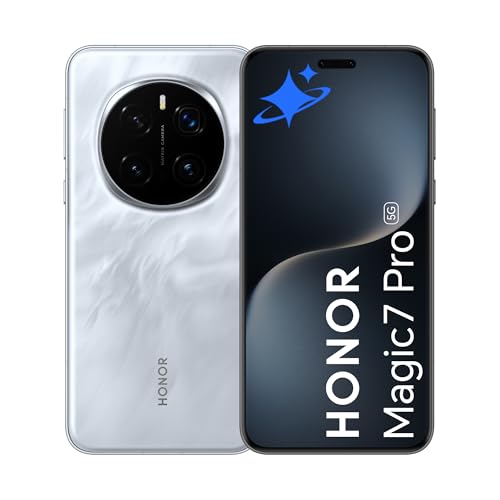
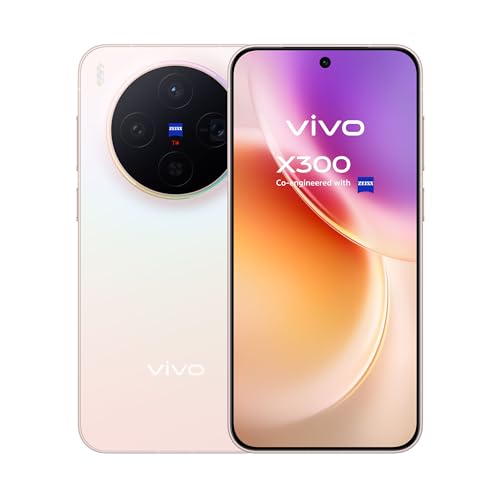
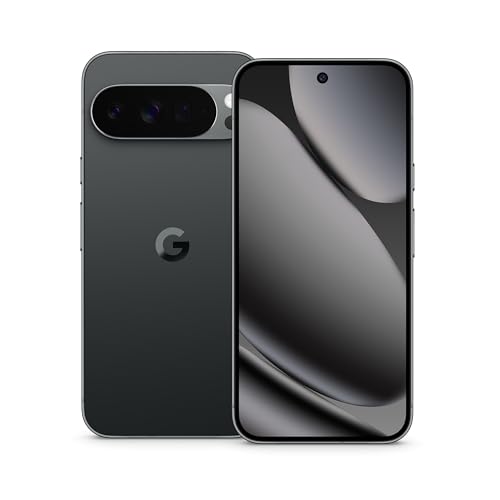
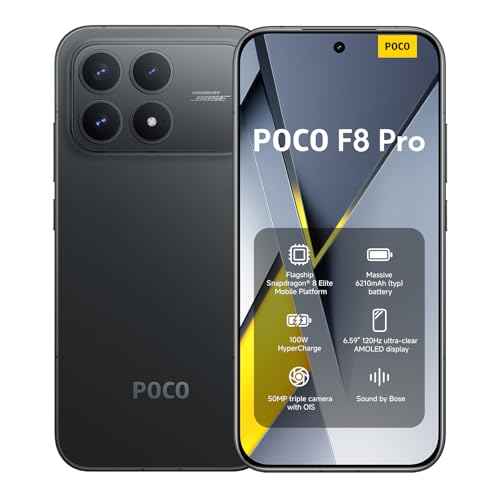
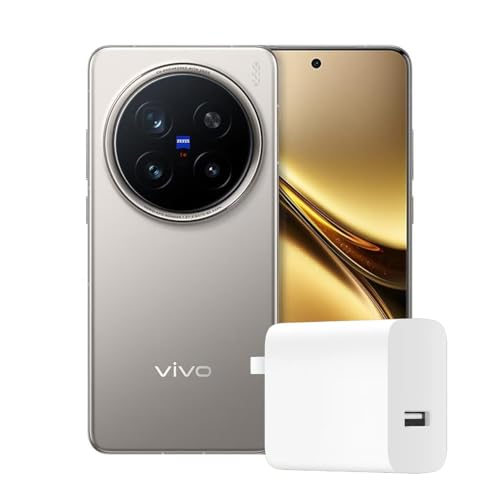
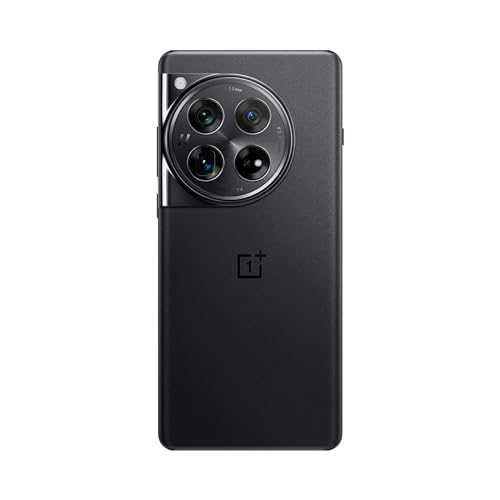
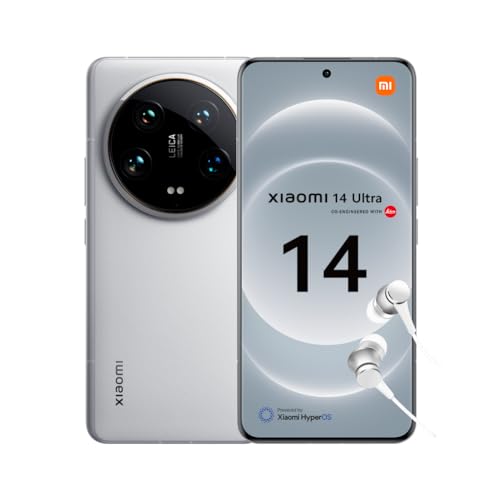
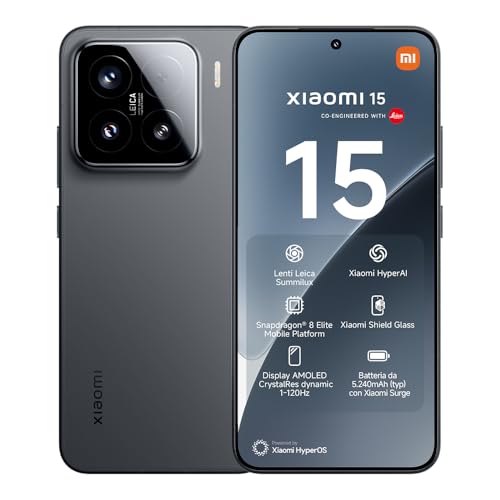
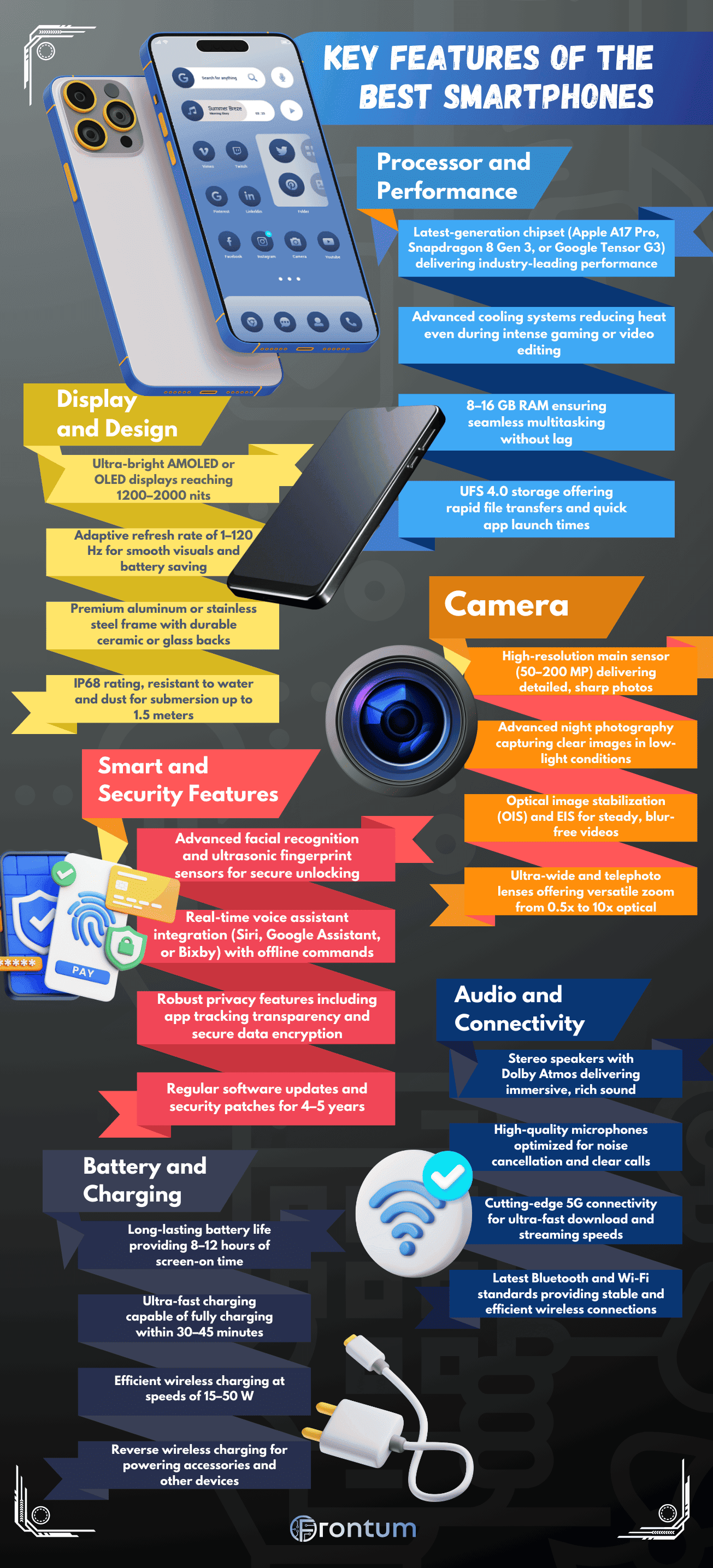
The best smartphone CPUs nowadays are Snapdragon 8 Elite, MediaTek Dimensity 9400, and Apple A18 Pro, with these three processors dominating the flagship market in 2025. You get the highest performance levels from these chips, which use advanced 3nm manufacturing processes that deliver superior speed while maintaining power efficiency.
Qualcomm's Snapdragon 8 Elite (also called Gen 4) stands as the top Android processor, running at up to 4.32 GHz with custom Oryon cores and the Adreno 830 GPU. This chip scores around 2.7 million points in AnTuTu benchmarks and powers flagship phones from Samsung, OnePlus, and Xiaomi.
MediaTek's Dimensity 9400 competes directly with Snapdragon, achieving nearly 30% performance gains over previous generations. You can find this chip in phones like the Vivo X200 Pro and OnePlus models, where it consistently scores above 2.8 million in AnTuTu tests.
Apple's A18 Pro leads in single-core performance with clock speeds up to 4.05 GHz and a 6-core design (2 performance + 4 efficiency cores). While AnTuTu scores appear lower at around 1.8 million points, this reflects iOS optimization differences rather than actual performance limitations.
Android or iOS: which operating system is better?
Android gives you more flexibility, while iOS focuses on consistency and integration across Apple devices.
Android supports a wider variety of devices across many price ranges. You can use it with brands that add their own custom interfaces (like One UI from Samsung or MIUI from Xiaomi). This gives you more options, but sometimes software updates arrive slower. You can also sideload apps, change launchers, or add custom ROMs, so it works well if you want more control. Android phones usually use Google services, but you can replace them. High-end Android phones now match or beat iPhones in many specs (charging speed, display quality, camera flexibility).
In general, Android includes the following advantages:
- More choice of devices, screen sizes, and designs
- USB-C charging and faster wired charging in most models
- App cloning, split screen, and other multitasking tools
- Wider support for expandable storage or headphone jack
iOS runs only on Apple devices, so it has tighter integration with Apple’s ecosystem. Updates come immediately and reach all supported models at once (typically for around 5 years). iPhones run faster for longer because iOS works directly with Apple’s hardware. Apps in the App Store follow stricter rules, so you might get more stability or better privacy in some cases. iOS doesn’t support external app stores or deep customization, but it syncs well with iPads, Macs, AirPods, or Apple Watch.
iOS includes the following advantages:
- Fast updates across all devices for many years
- Smooth performance which stays stable over time
- Better resale value compared to Android phones
- Tight integration with Apple services like iMessage and AirDrop
If you already use Apple products, iOS works better. If you want more control or a wider range of phones, Android suits you more. Both systems support 5G, Wi-Fi 6 or 6E, and the latest Bluetooth versions. Security, screen quality, and camera performance depend more on the specific device than the system.
The best currently available Android smartphones are as follows:
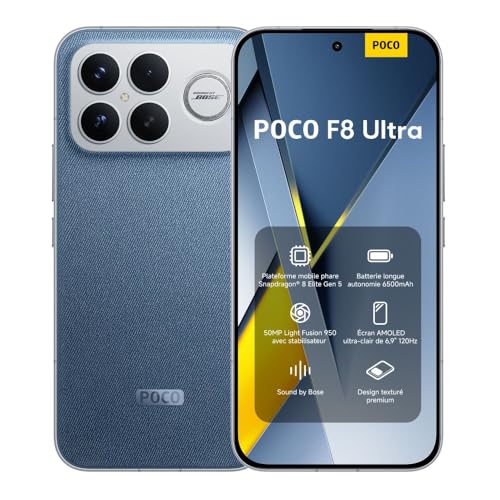
- Poco F8 Ultra (16GB + 512GB) Overall score: 9.09
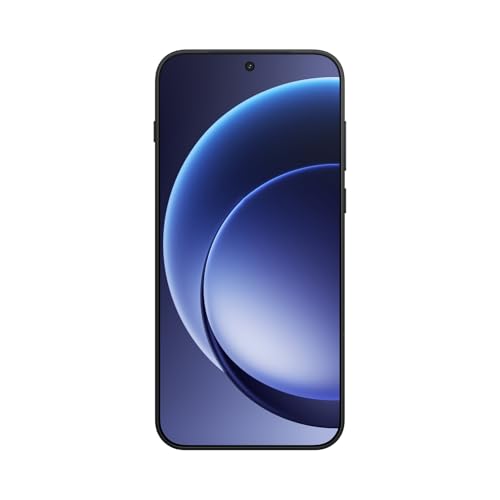
- OnePlus 15 (16GB + 512GB) Overall score: 9.09
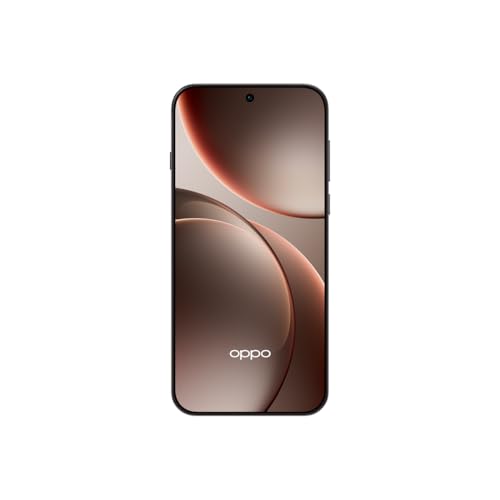
- Oppo Find X9 Pro (16GB + 512GB) Overall score: 9.04
The best currently available iOS smartphones are as follows:
- Apple iPhone 17 Pro Max (12GB + 1TB) Overall score: 8.49
- Apple iPhone 17 Pro (12GB + 512GB) Overall score: 8.36
The chart below illustrates the distribution of operating systems across smartphones.
[pie-chart-06894472804856413271092661820387361160813845677710]
How much RAM and storage do the best smartphones have?
The best smartphones have between 12 GB and 16 GB of RAM and storage capacity of 256 GB, 512 GB, or even 1 TB. You can also find models with 8 GB of RAM (in lower price ranges) or 24 GB (in special gaming models), but most top models stay between 12 and 16 GB.
For storage, 256 GB is now common, but if you use your phone for video, games, or work files, 512 GB or 1 TB will fit better. Phones with 128 GB still exist but rarely appear in high-end models. You won't usually find support for memory cards, so what you buy is what you get.
Many devices use UFS 4.0 storage, which loads apps and files faster than older types. Some models use LPDDR5X RAM, which handles tasks more efficiently than older RAM versions.
The following chart shows how RAM is distributed among different smartphone models.
[vertical-chart-04858887087808928003032235784584823031073035673470]