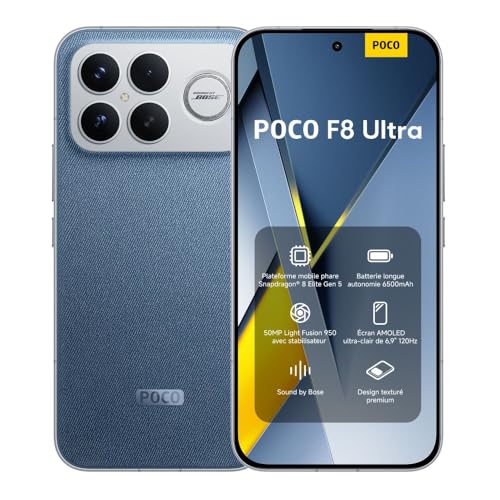
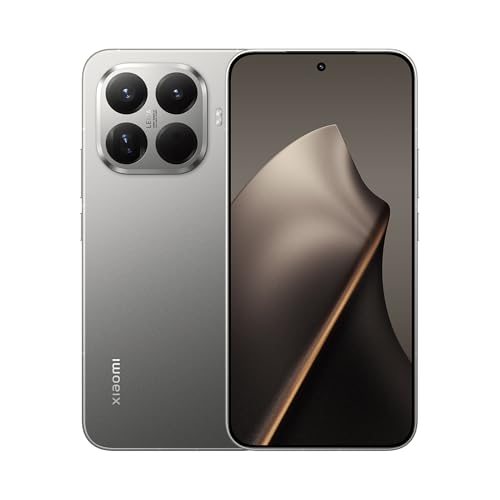
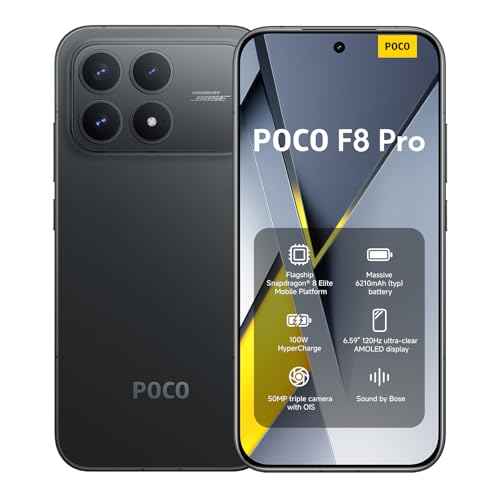
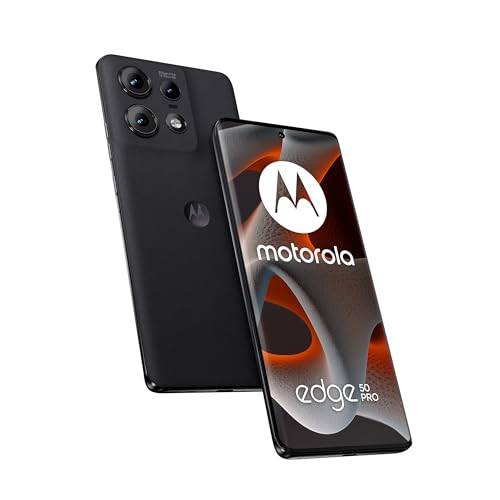
Which brands make smartphones with the best price-to-quality ratio?
The smartphone brands offering the best ratio quality-price are as follows:
- Xiaomi (Average ratio quality-price score: 8.6)
- vivo (Average ratio quality-price score: 8.5)
- OnePlus (Average ratio quality-price score: 8.4)
Note: Only brands with at least 6 smartphone models in our database, released since 2022, were considered.
The chart below compares smartphone brands based on their quality-to-price ratio.
[horizontal-chart-07125821984382710147096625263126572115680915607101]
How much do smartphones with the best price-to-quality cost?
Smartphones with the best price-to-quality ratio usually cost between £220 and £430, so you do not need to spend over £850 to get a well-performing device. In this range, you can expect fast processors, bright displays, solid cameras, and good battery life that easily covers a full day.
The available smartphones with the best ratio quality-price are as follows:
- Tecno Spark 40 4G (8GB + 256GB) (Ratio quality-price score: 8.84)
- Xiaomi Redmi K90 (16GB + 512GB) (Ratio quality-price score: 8.73)
- Xiaomi Redmi K90 Pro Max (16GB + 1TB) (Ratio quality-price score: 8.71)
What processor do smartphones with the best price-to-quality ratio have?
Smartphones with the best price-to-quality ratio usually have mid-to-high range processors that deliver strong performance for under £430. Most models in this category use Qualcomm Snapdragon 7 or 8 series chips, MediaTek Dimensity 800 or 900 series, or Apple’s A15 Bionic in older iPhones. These processors handle daily tasks with ease and run demanding apps or games without noticeable lag.
You will often see Snapdragon 7 Gen 3, Snapdragon 8+ Gen 1, or MediaTek Dimensity 8200 in Android phones, as these give excellent speed while keeping the cost lower than flagship models.
They also support advanced connectivity like 5G and Wi-Fi 6, which improves overall experience when browsing, streaming, or gaming. In Apple’s case, models with the A15 Bionic still match or outperform many mid-range Android devices in processing power.
How much RAM and storage do smartphones with the best price-to-quality have?
Smartphones with the best price-to-quality ratio usually have 6 GB or 8 GB of RAM and 128 GB of internal storage. You’ll often find this setup in models under £430, which balances performance and memory capacity for smooth multitasking, app usage, and everyday responsiveness.
Some models also include 256 GB storage if you go closer to £390-£430, and a few phones support memory expansion via microSD. Phones with 4 GB RAM appear in cheaper models but feel slower with modern apps, so 6 GB is now the baseline for a good experience. 128 GB storage gives you enough space for apps, media, and updates, while 8 GB RAM handles heavier apps and gaming without lag.
The chart below illustrates the distribution of RAM sizes across smartphones.
[vertical-chart-03589570091377627207156216121245618067421547353932]
Which operating system is most common in smartphones with the best price-to-quality?
The most common operating system in smartphones with the best price-to-quality ratio is Android, as most models in this category come from brands such as Samsung, Xiaomi, OnePlus, and Motorola. You get access to a wide range of apps through Google Play, and manufacturers usually add their own interface with extra features and customization. Android gives you flexibility in storage, battery management, and connectivity, which helps you get more value from your device.
iOS appears in this category only with older or entry-level iPhones, so it is less common than Android. While iPhones offer a smooth and consistent experience across devices, the price and limited hardware options in this range mean most users choose Android models.
The following chart shows how smartphone operating systems are distributed.
[pie-chart-07243010542006079193068930526709604914802529444217]
How good are the cameras in smartphones with the best price-to-quality?
Cameras in smartphones with the best price-to-quality are good for both casual and more advanced photography. You can capture detailed, sharp images in daylight, and most models also perform well in indoor lighting thanks to large sensors and advanced image processing. Many of these smartphones have multi-lens setups with wide, ultra-wide, and sometimes telephoto cameras, so you can take different types of shots without losing much quality.
You can expect main cameras with resolutions between 48 MP and 108 MP, which is more than enough for detailed photos and large prints. Optical image stabilization is common in higher-end models in this segment, which helps keep shots sharp when your hands move. Night modes improve low-light performance, while HDR support balances bright and dark areas in your photos.
Video recording quality is also strong. Most smartphones in this range record in 4K at 30 or 60 fps, and some even support 8K. The front cameras usually have between 16 MP and 32 MP, so selfies and video calls look clear. With these features, you get a camera experience that feels close to premium devices while still keeping a good balance between performance and cost.
How long does the battery last in smartphones with the best price-to-quality?
Smartphones with the best price-to-quality usually have batteries that last between one and a half to two days with regular use. You can expect screen-on times of 6 to 9 hours, depending on the display size, refresh rate, and processor efficiency. Many models in this category use batteries between 4,500 and 5,000 mAh, which gives you solid endurance for daily tasks like browsing, messaging, and streaming.
If you play games, record a lot of videos, or use the camera often, the battery life can drop to just over a day, while light use can extend it beyond two days.
Charging speeds are typically fast, with most supporting 33 W to 67 W wired charging, so you can recharge from 0% to 100% in about 40 to 70 minutes. Some models also include basic power-saving modes, which extend usage when the battery gets low.
Battery capacities across smartphones are distributed as shown in the following chart.
[vertical-chart-09624390637258089268072640071559957952892608993901]
How good are the displays in smartphones with the best price-to-quality?
Displays in smartphones with the best price-to-quality are usually sharp, smooth, and bright. Most of them use AMOLED or IPS LCD panels with Full HD+ resolution, which gives you clear images and readable text. You get deep contrast on AMOLED and better color accuracy on recent IPS models.
Many of these phones support 90 Hz or 120 Hz refresh rates, so scrolling and animations feel smooth. Peak brightness often reaches 800 nits or more, which helps you see the screen clearly outdoors. Sizes range from 6.4 to 6.7 inches, and bezels are thin, so you get more screen space. Some displays support HDR10 or similar standards, which improves video quality on supported apps.
The following chart highlights how display types vary among smartphones.
[pie-chart-04617716654499570586132601652439433918480395303591]
What connections do smartphones with the best price-to-quality support?
Smartphones with the best price-to-quality support the following connections, which cover everything you need for daily use, fast data, and accessories:
- 5G: Fast mobile internet for downloads, streaming, and gaming.
- Wi-Fi 6 or 6E: Faster and more stable wireless connection at home or in public places.
- Bluetooth 5.2 or 5.3: Strong connection for wireless headphones, watches, and other devices.
- NFC: Contactless payments with Google Pay or other apps.
- USB-C 2.0 or 3.0: Charging and fast file transfers between phone and computer.
- Dual SIM or eSIM: Use two numbers at the same time or add a second one digitally.
- GPS, GLONASS, Galileo: Accurate navigation and location tracking for maps and apps.
- Infrared (on some models): Control TVs, ACs, or other home devices.
- 3.5 mm jack (rare): Plug in classic wired headphones, mostly found in select models.
You get all modern connection options, so your phone stays fast, flexible, and ready for anything.
What is the build quality of smartphones with the best price-to-quality?
The build quality of smartphones with the best price-to-quality is solid and durable, although materials vary. You usually get a plastic back with a matte or glossy finish and a plastic or metal frame. While they don’t use premium materials like glass or aluminum on every model, the overall construction feels sturdy in your hand and doesn't flex or creak.
Most of these phones include Gorilla Glass protection on the front, which helps resist scratches.