
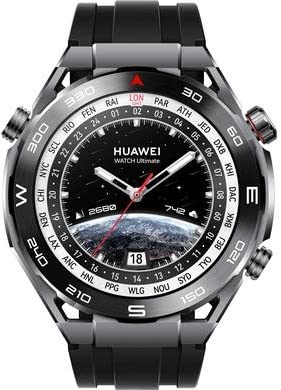
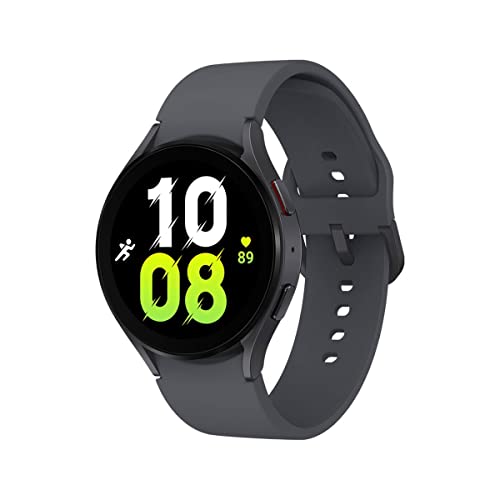
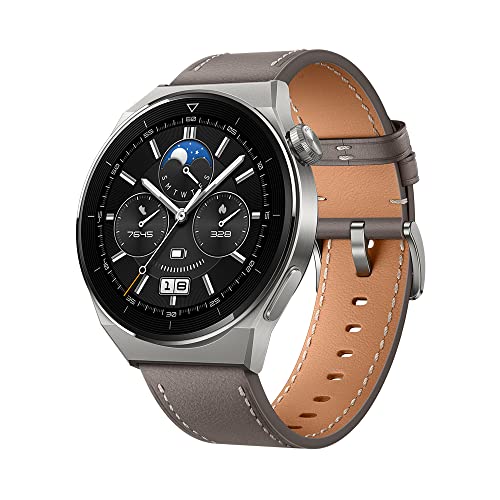
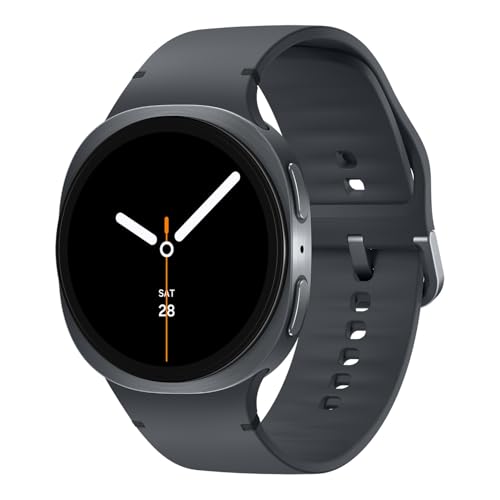
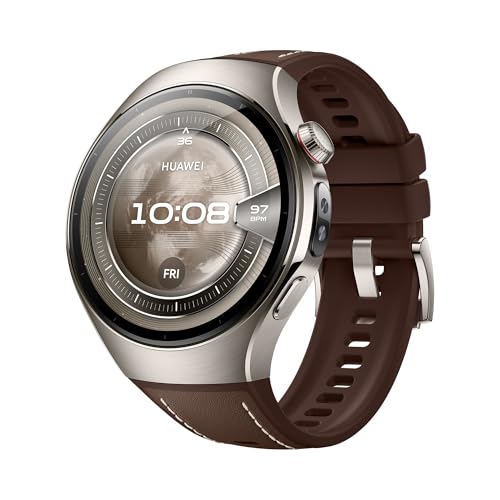
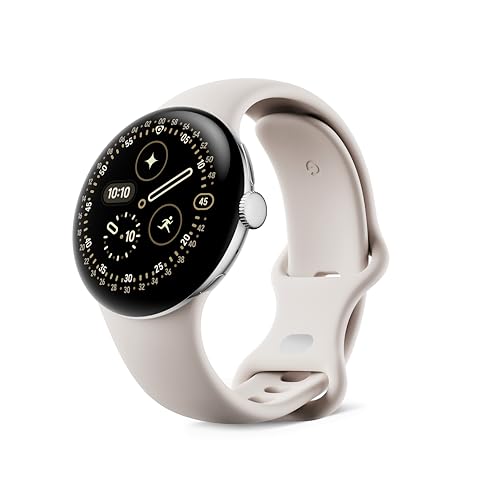
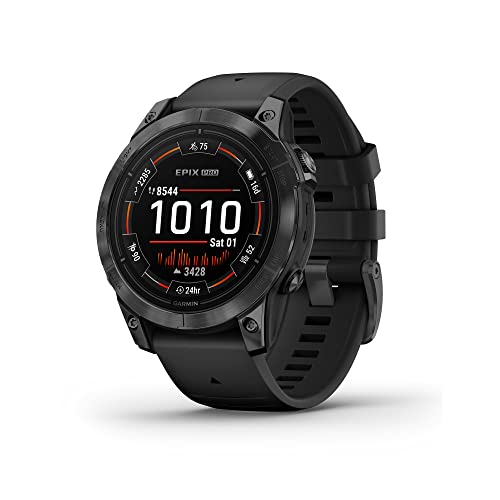
What are the best smartwatch brands of 2025?
The best smartwatch brands of 2025 are as follows:
- [shortcode-00837437479912763040045315117756646507543007531363] (Average overall score: [shortcode-15506072793425615054036439290260689292721493800304])
- [shortcode-17475147456852405722083580722428925973322023203608] (Average overall score: [shortcode-12868115899151470150039079225390124054324237873769])
- [shortcode-16841964789633577629078339115482780498843174270247] (Average overall score: [shortcode-08412925222478556879066215939437975766342187259703])
[horizontal-chart-03302773280258034273180208919870815536630019360859]
How useful are user ratings when comparing smartwatch brands?
User ratings can add useful context when comparing smartwatch brands, but they should be read together with technical scores, feature fit, and review volume. Ratings often favor mainstream models with broader buyer reach, while niche sport, rugged, or hybrid watches may have fewer reviews even when they are strong choices for the right user.
The safest approach is to treat user ratings as a secondary signal. They can highlight comfort, software stability, and day-to-day satisfaction, but they should not outweigh hardware quality, health tracking, battery life, ecosystem support, and price-positioning.
Which smartwatch brands offer the best value for money?
The smartwatch brands with the best value for money are as follows:
- [shortcode-05700007507915740993158921428652709872703899140888] (Average quality-price ratio: [shortcode-02191962642762489953121861808066185348043764397152])
- [shortcode-06251056540910126829160908827473021748002331940763] (Average quality-price ratio: [shortcode-11521054112029392676119779844179968008543988102451])
- [shortcode-14007798859130432682122743437156645500201706697792] (Average quality-price ratio: [shortcode-10387559292468912420008673187355487974653556393580])
[horizontal-chart-02678639218294028869073202024106972334610049723275]

How much do the best smartwatches cost?
The best smartwatches cost between £170 and £550 depending on brand, design, and functions.
Entry-level models from brands such as Amazfit or Huawei usually start around £170 and include standard features like heart rate tracking, sleep analysis, and notification sync. Mid-range models from Samsung or Garmin sit between £260 and £340, and these often add features such as SpO2 measurement, GPS, and stronger materials like stainless steel.
If you want a premium smartwatch, you should expect to spend £430 or more. At this price level, watches such as the Apple Watch Series or Garmin Fenix line include ECG, advanced sports tracking, and durable sapphire glass. These devices also integrate smoothly with apps and have better build quality, so you pay not only for extra functions but also for reliability and long-term use.
How long does the battery last on the best smartwatches?
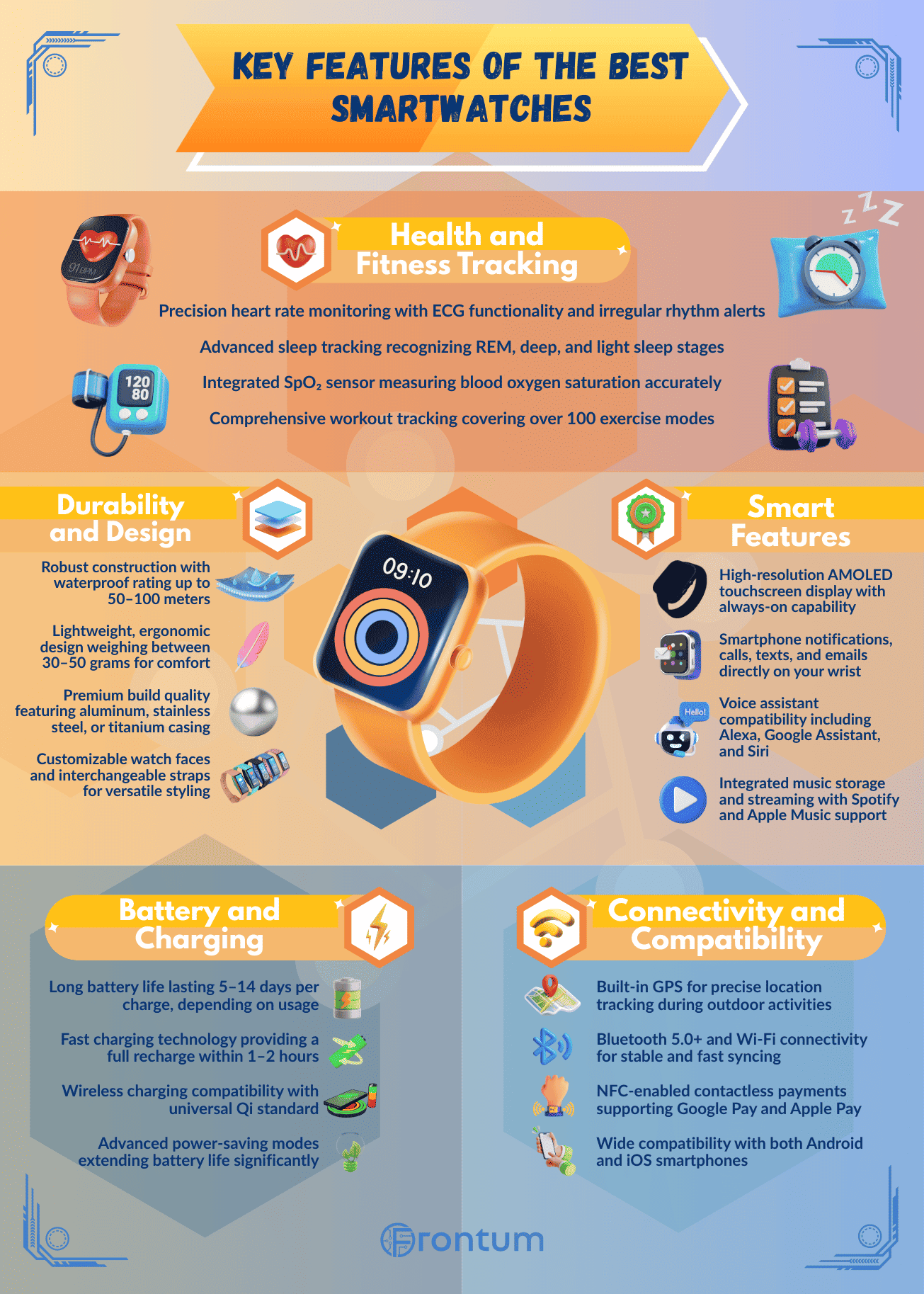
The battery on the best smartwatches lasts anywhere from 1 day to 2 weeks, depending on the model, features, and operating system.
Apple Watch models usually last 1 to 2 days, while most Wear OS watches stay within the same range. These watches run advanced apps, have bright OLED displays, and track your health in real time, so they consume more power.
If you want longer battery life, watches from Garmin, Huawei, or Amazfit last much longer. For example, Huawei Watch GT models often reach 10 to 14 days, and some Garmin models like the Forerunner or Fenix series can last up to 2 weeks or more with standard use. These watches use custom operating systems that limit background functions, which helps extend battery life without losing core tracking features.

How fast do the best smartwatches charge?
The best smartwatches charge fast, and most of them reach a usable level in a short time. Many models add around 40–50% battery in 30 minutes, so you can put your watch on the charger for a short break and have enough power for the rest of the day. Full charging usually takes between 60 and 90 minutes, depending on the brand and the battery size.
Some brands focus more on fast charging than others. Apple Watch Series 8, for example, goes from 0% to 80% in about 45 minutes with its fast charger, while Samsung Galaxy Watch models reach a similar level in just under an hour.
Watches with bigger batteries, such as Garmin models that last for days, often take longer to charge, but you usually do not need to recharge them daily.
What charge methods do the best smartwatches support?
The best smartwatches support different charge methods that depend on the brand and model you choose.
Most premium devices use magnetic charging docks or pucks that snap onto the back of the watch and transfer power through pins or wireless induction. You place your watch on the dock and it starts charging without the need for direct plug-in ports, which helps keep the design compact and water resistant.
Some watches also support fast charging, which means you can reach a full charge in about an hour or add several hours of use in just 15 to 30 minutes. This feature matters if you wear your watch for sleep tracking, as you can quickly top up the battery in short breaks.
A few models support true wireless charging based on the Qi standard, so you can use the same charging pad as your smartphone, but this is still less common.
What kind of display do the best smartwatches have?
The best smartwatches have AMOLED or OLED displays, which give you bright colors, deep blacks, and high contrast. These screens look sharp in any light, so you can read your watch both indoors and outside under direct sunlight. Most premium models also use high resolutions with pixel densities above 300 ppi, so text and graphics look smooth and clear.
You will also see smartwatches with LTPO AMOLED, a newer version that adjusts refresh rate between 1 Hz and 60 Hz or higher. This reduces power use when the screen shows static content, while still keeping animations and scrolling fluid. Some models use always-on display mode, so you can check time and basic info without pressing a button.
Screen sizes usually range between 1.2 and 1.9 inches, depending on the model and brand. Larger displays give more space for apps and notifications, while smaller ones keep the watch slimmer and lighter.
Strong glass such as Gorilla Glass or sapphire crystal protects these displays from scratches and shocks, which adds durability for daily use.
How durable are the best smartwatches?
The best smartwatches are highly durable and built to handle daily wear.
Many models use stainless steel, titanium, or aluminum cases with Gorilla Glass or sapphire glass screens that resist scratches. You can wear them during workouts, outdoor activities, and even in rough environments without quick damage.
Most top models also carry water resistance ratings such as 5ATM or IP68, which means you can use them in the rain, shower, or swimming pool. Premium devices (like some Garmin and Apple models) go further with military-grade certifications (MIL-STD-810H) that test resistance to drops, dust, shock, heat, and humidity.
What operating systems do the best smartwatches use?
The best smartwatches use different operating systems depending on the brand and the type of functions they support. The most common operating systems are the following:
- watchOS: Used only on Apple Watch, it connects seamlessly with iPhone. It supports exclusive features such as ECG and fall detection and runs a wide range of apps from the App Store.
- Wear OS: Google’s system for Android smartwatches, it works with Google services (Maps, Assistant, Wallet). It supports apps from the Play Store and runs on brands such as Samsung, Fossil, and TicWatch.
- Tizen: Found on some older Samsung watches, it is optimized for smooth performance and long battery life. It has fewer third-party apps than Wear OS but integrates well with Samsung’s ecosystem.
- RTOS (Real Time Operating System): Used on many fitness-focused watches such as Huawei, Amazfit, or Garmin, it prioritizes efficiency and battery life. It runs fewer apps than Wear OS or watchOS but excels in sports tracking and sensor accuracy.
What health and fitness features do the best smartwatches offer?
The best smartwatches include the following health and fitness features:
- Heart rate monitoring: Tracks your heart rate throughout the day and during exercise, so you can see resting levels and workout intensity.
- ECG measurement: Records electrical signals from your heart, which helps detect irregular rhythms or atrial fibrillation.
- Blood oxygen (SpO2): Measures oxygen saturation in your blood, which shows how well your body absorbs oxygen during rest or activity.
- Sleep tracking: Records sleep stages such as light, deep, and REM, and helps you see overall sleep quality.
- Stress tracking: Analyzes heart rate variability to estimate stress levels and track changes during the day.
- VO2 max: Estimates the maximum oxygen your body can use during exercise, which reflects your endurance and fitness level.
- Calorie tracking: Estimates calories burned during daily activity and workouts, based on heart rate, steps, and movement intensity.
- Step and distance tracking: Counts steps and calculates distance walked or run, useful for tracking daily activity goals.
- Workout and sport modes: Records performance data during specific activities such as running, cycling, or swimming, and adapts metrics to each sport.
- Menstrual cycle tracking: Records cycles, symptoms, and predictions to help manage health and training better.
- GPS tracking: Records routes and pace during outdoor activities such as running or cycling with precise location data.
- Recovery tracking: Measures how much recovery time you need after workouts, based on intensity and strain on the body.
- Body composition: Estimates metrics such as body fat percentage, muscle mass, or water content with sensors in advanced models.
- Fall detection: Detects sudden falls and can trigger alerts or emergency calls if no movement follows.
What payment methods do the best smartwatches support?
The best smartwatches support several payment methods, so you can use your watch for purchases without your phone or card.
Most models include NFC technology, which lets you pay by tapping your watch at contactless terminals in stores, cafes, or public transport. This works with payment platforms linked to your bank card, and you only need to lift your wrist to complete a transaction.
Apple Watch uses Apple Pay, which connects to your Apple ID and stored bank cards. Wear OS watches use Google Pay (now called Google Wallet), which works on Android phones but also accepts multiple cards and transit passes. Samsung smartwatches use Samsung Pay, which supports both NFC and sometimes MST, so you can pay at terminals that do not support contactless payments. Garmin and Fitbit watches also have their own systems (Garmin Pay and Fitbit Pay), which cover a wide range of banks but may vary by region.
What connectivity do the best smartwatches support?
The best smartwatches support the following types of connectivity:
- Bluetooth: Connects the watch to your smartphone for syncing notifications, calls, and apps. Most smartwatches use Bluetooth 5.0 or newer which gives faster speed and lower power use.
- Wi-Fi: Lets the watch connect to the internet directly when your phone is not near. It keeps apps updated and enables cloud functions without the phone.
- NFC: Supports contactless payments through systems like Google Pay, Apple Pay, or Samsung Pay. It also works with compatible access systems such as transport tickets or door locks.
- GPS: Tracks outdoor activities like running, cycling, or hiking. It measures pace, distance, and route data without needing a connected phone.
- LTE/4G: Some models have eSIM or SIM support that allows calls, texts, and internet access independently of the smartphone. This is useful if you want full connectivity without carrying your phone.
- ANT+: Found in sports-focused models, it links the watch with external sensors such as chest straps, bike power meters, or cadence sensors.
- USB or proprietary connectors: Rare but present in some models, they allow wired data transfer and firmware updates in addition to charging.
How comfortable are the best smartwatches?
The best smartwatches are comfortable to wear because they use lightweight cases, soft materials, and adjustable straps that fit different wrist sizes. You can wear them for long hours without irritation, and the slim designs prevent the watch from feeling bulky on your wrist. Comfort also comes from the balance between screen size and weight, so you get a clear display without extra pressure on your arm.
You will also notice that most top models use silicone, leather, or stainless steel straps, which you can swap depending on your needs. Silicone feels flexible and breathable, leather looks more classic and softens with use, and stainless steel adds durability with a secure fit.