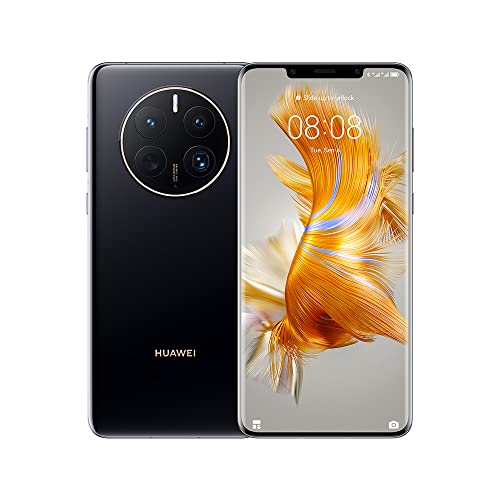
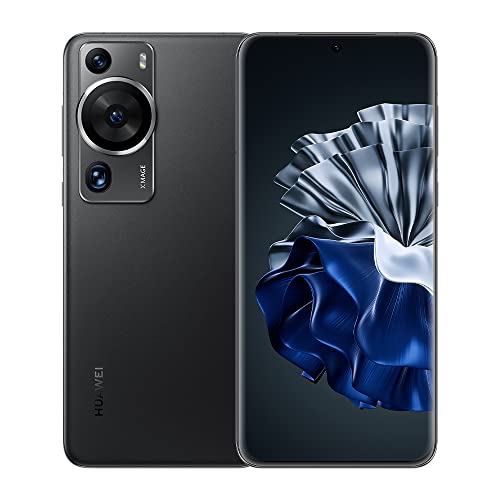
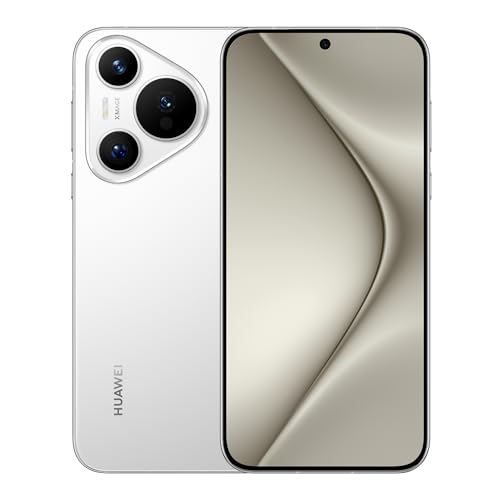
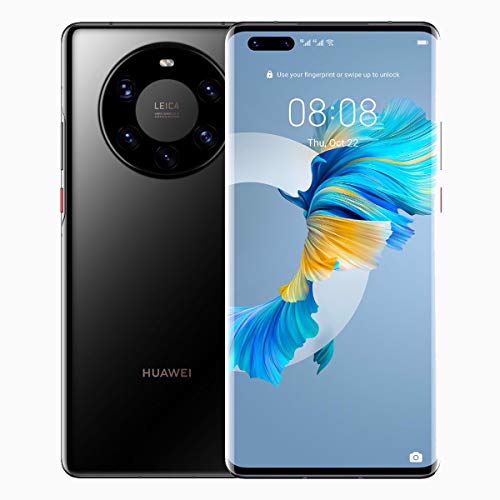
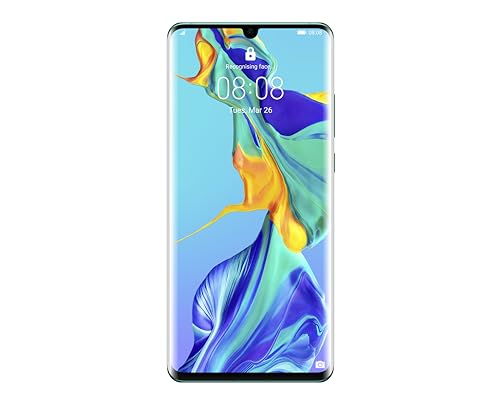
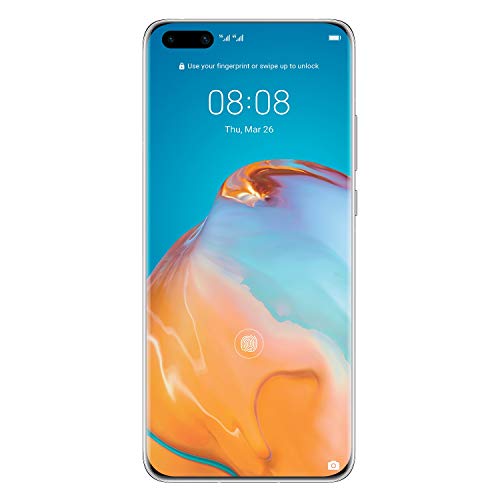
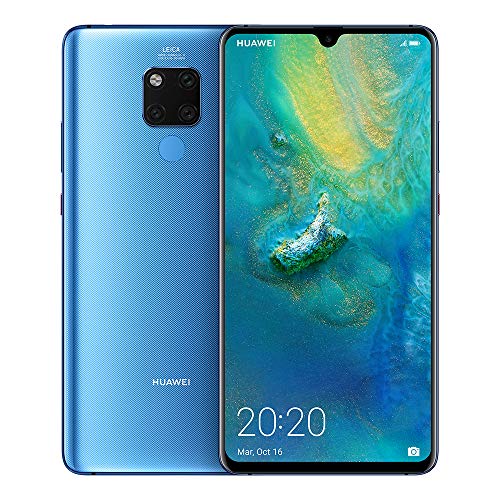
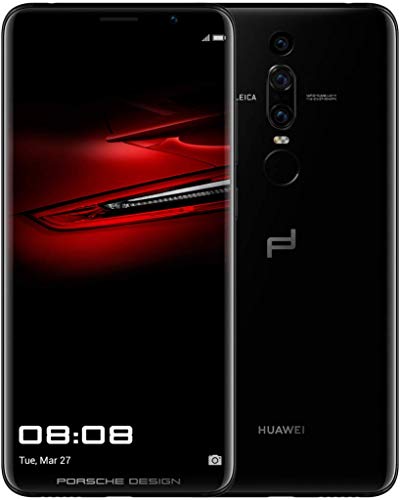
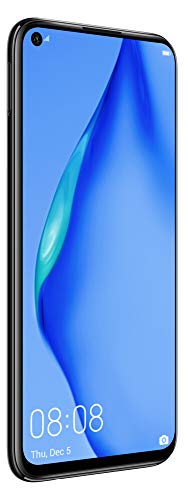
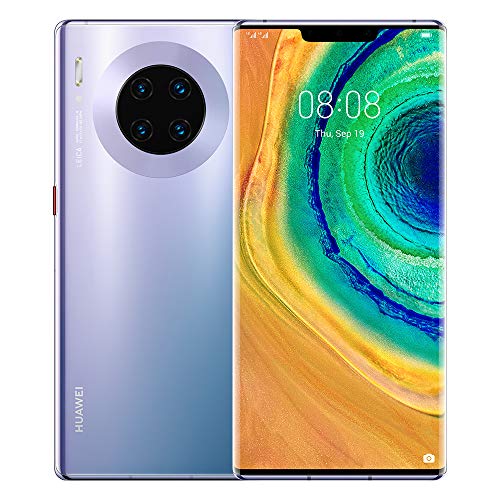
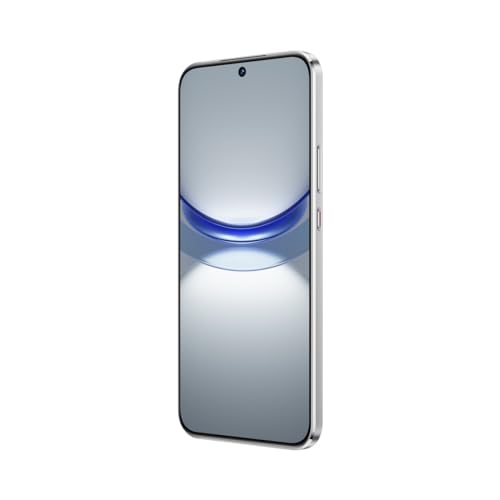
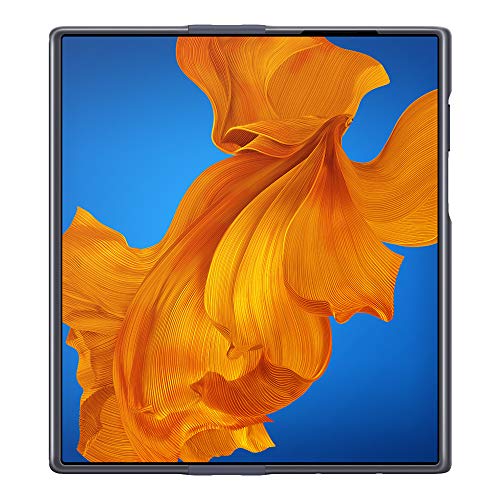
Are Huawei smartphones good?
Huawei smartphones have an average overall score of 7.4, ranking #17 among all smartphone brands, and a user rating of 7.3, placing them at #30 based on user reviews.
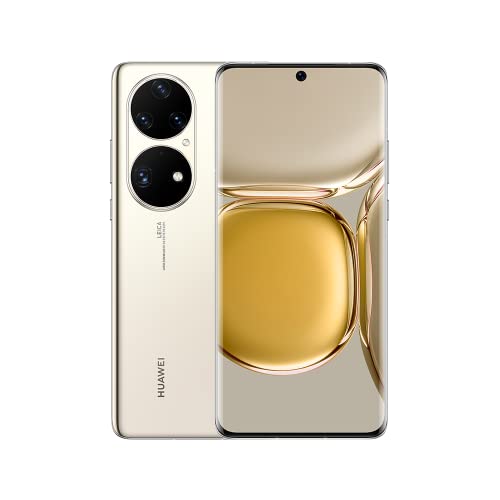
Huawei smartphones are a strong choice if you want premium hardware, long battery life, and advanced camera systems. The brand gained global recognition for its Leica co-engineered cameras, capable of capturing detailed photos in low light and offering high zoom levels. Many models use OLED displays with high resolutions and vibrant colors, giving you sharp and immersive visuals. Battery capacities often exceed 4,000 mAh, and fast charging can reach up to 100 W in flagship models, letting you recharge quickly.
However, newer Huawei smartphones do not include Google Mobile Services due to U.S. trade restrictions, so you cannot use the Google Play Store or apps like Gmail and YouTube directly. Instead, they run on Huawei’s HarmonyOS with the AppGallery store, which has fewer apps than Android’s Play Store. While the hardware competes with top brands like Samsung and Apple, you should consider the software ecosystem and app availability before choosing a Huawei phone.
(Note: A total of 37 brands were evaluated in the comparison in the first paragraph. Only those with at least 6 smartphones in our database that were released after 2022 were included.)
The best currently available Huawei smartphones (based on overall score) are as follows:
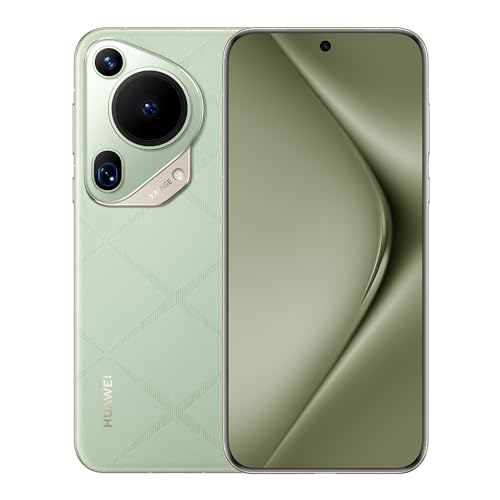
- Huawei Pura 70 Ultra (16GB + 512GB) (Overall score: 8.22)
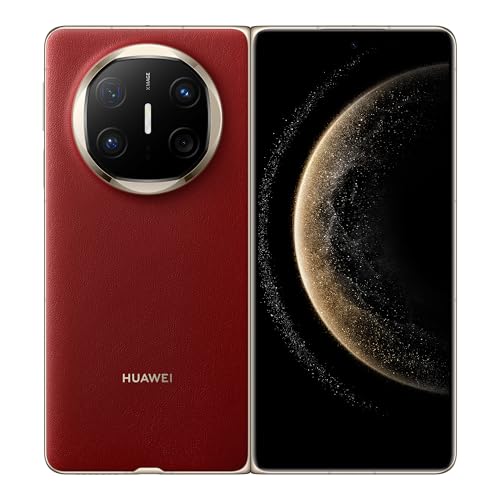
- Huawei Mate X6 (12GB + 512GB) (Overall score: 8.08)
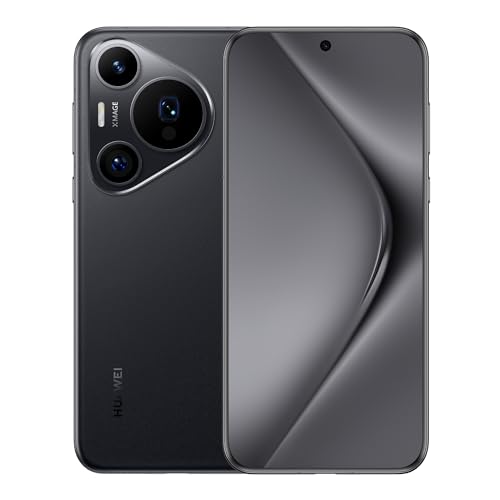
- Huawei Pura 70 Pro (12GB + 512GB) (Overall score: 8.06)
The chart below ranks smartphone brands based on their overall scores.
[horizontal-chart-18240000756693699196006751730118684497190875501905]
What are the main advantages of Huawei smartphones?
The main advantages of Huawei smartphones include the following:
- Superior Camera Technology: Huawei smartphones feature advanced Leica-coengineered camera systems with up to 50MP ultra-wide sensors and 10x optical zoom capabilities. Users capture detailed images in low-light conditions through AI-enhanced night mode that processes 12-bit color depth. These devices achieve high dynamic range (HDR) photography with minimal noise at ISO levels up to 409600.
- Long Battery Life: Huawei models like the P series integrate 5000mAh batteries that last up to 18 hours of heavy usage on a single charge. Fast charging reaches 66W speeds, and reverse wireless charging supports 10W output to power other devices. Energy-efficient Kirin processors optimize power consumption during 4K video playback.
- High-Performance Processors: Huawei's in-house Kirin 9000 chips deliver octa-core performance with clock speeds up to 3.13GHz and integrated 5G modems. These processors handle multitasking seamlessly, scoring over 700,000 on AnTuTu benchmarks. GPU Turbo technology boosts gaming frame rates to 120fps in titles like Genshin Impact.
- Innovative Display Features: Huawei smartphones use OLED screens with 120Hz refresh rates and resolutions up to 2772x1344 pixels for smooth scrolling and vivid colors. Eye Comfort mode reduces blue light emission by 30%, and adaptive brightness adjusts in real-time based on ambient light sensors. Curved edge designs enhance immersion in video streaming.
- Robust Build Quality: Devices boast IP68 water and dust resistance ratings, surviving submersion in 1.5 meters of water for 30 minutes. Aluminum alloy frames and Gorilla Glass Victus provide drop protection from heights up to 2 meters. Premium models weigh under 200 grams yet maintain slim profiles at 7.8mm thickness.
- Advanced 5G Connectivity: Huawei leads in 5G integration with support for sub-6GHz and mmWave bands, achieving download speeds over 2Gbps. Dual-SIM functionality allows simultaneous 5G connections, and Wi-Fi 6+ compatibility ensures low-latency streaming at 9.6Gbps. Network optimization AI predicts signal drops and switches bands automatically.
What are the main disadvantages of Huawei smartphones?
Huawei smartphones have the following disadvantages:
- Limited Google Services: Due to US trade restrictions, Huawei devices lack official Google Play Store access and apps like YouTube or Gmail. Users install alternatives via AppGallery, but compatibility issues arise with some third-party software. This restriction affects global users who rely on Google's ecosystem.
- Higher prices: Flagship models cost £700 or more in Europe, exceeding competitors like Samsung by £90 for similar specs. Import duties inflate prices in regions outside China, and limited carrier deals reduce affordability.
- Software update delays: HarmonyOS receives updates less frequently than Android counterparts, with major versions rolling out every 12-18 months. Security patches sometimes lag by 2-3 months in non-Chinese markets. Users experience occasional bugs in beta features like multi-device collaboration.
- Availability issues: Huawei smartphones face stock shortages in Western markets because of supply chain disruptions from sanctions. Retailers in the US and parts of Europe do not stock them officially, forcing imports with added customs fees. Warranty support remains limited outside Asia.
- Overheating during intensive use: Prolonged gaming or video editing causes devices to reach temperatures up to 45°C, triggering thermal throttling that reduces performance by 20%. Cooling systems like vapor chambers help, but they fall short in extreme conditions. Battery drain accelerates by 15% under sustained high loads.
- Privacy concerns: Huawei's ties to the Chinese government raise data security questions, with some countries banning their 5G equipment. Built-in apps collect user data for AI features, and transparency reports lack detail on encryption standards. Independent audits confirm compliance, but skepticism persists among users.
Who makes Huawei smartphones?
Huawei smartphones are made by Huawei Technologies Co., Ltd., a Chinese multinational technology company headquartered in Shenzhen, Guangdong. Founded in 1987 by Ren Zhengfei, Huawei started as a telecommunications equipment supplier before expanding into consumer electronics. The company launched its first smartphone in 2004 and has since grown into one of the world’s largest smartphone manufacturers, producing devices under its main Huawei brand and, until 2020, the sub-brand Honor.
Huawei designs its own processors under the HiSilicon brand and manufactures many components in-house, while also working with external suppliers. Its smartphones are assembled mainly in China, in facilities such as those in Dongguan and Shenzhen, with additional production in countries like India and Brazil to serve local markets.
What happened to Huawei smartphones in global markets?
Huawei smartphones faced major setbacks in global markets due to U.S. trade restrictions that started in 2019. The U.S. government placed Huawei on an entity list (which blocked access to American technology), and this action cut off the company's supply of Google services and key components. Huawei lost the ability to pre-install apps like YouTube and Google Maps on new devices, so sales dropped sharply outside China.
Market share in Europe and other regions fell from over 20% in 2019 to under 5% by 2021, as consumers switched to brands like Samsung and Apple. Huawei responded by developing its own HarmonyOS operating system and AppGallery store, yet these alternatives struggled to attract users accustomed to Android ecosystems.
Despite the challenges, Huawei maintained a strong position in China, where it captured over 40% of the domestic smartphone market by 2024 through local chip production and government support. Globally, the company shifted focus to premium models like the Mate series and foldables, and it partnered with firms in Asia and Africa to expand.
By 2025, Huawei's global shipments recovered slightly to around 10% market share in some emerging markets, but restrictions persisted and limited full recovery. You can see how U.S. sanctions reshaped the industry, as competitors gained ground while Huawei innovated under constraints. Prices for flagship models now range from £700 to £1,300 in available markets, and the brand emphasizes camera technology and battery life to compete.
What are the main Huawei smartphone series?
The main Huawei smartphone series are as follows.
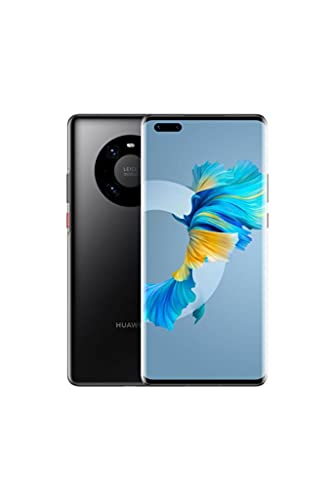
- Mate series: Huawei designs the Mate series as flagship smartphones with high-end features. You find large displays, powerful processors like Kirin chips, and advanced cameras in models such as Mate 70 Pro and foldables like Mate X6 or Mate XT. These phones support HarmonyOS and target users who need premium performance.
- Pura series: Huawei renamed the P series to Pura series for camera-focused flagships. You get innovative photography tech, such as variable aperture lenses and large sensors in devices like Pura 70 Ultra, and they run on HarmonyOS without Google services. The series emphasizes bold designs and long battery life.
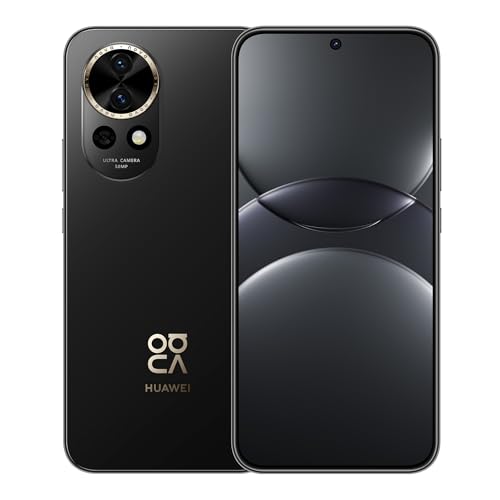
- Nova series: Huawei creates the Nova series for mid-range users. You receive stylish designs, solid performance with Kirin or MediaTek processors, and good cameras in phones like Nova 13 or Nova 12s. These models balance affordability and features for everyday tasks.
- Y series: Huawei builds the Y series as budget-friendly options. You obtain decent specs, including Helio or Kirin chips and basic cameras in devices such as Y9a or Y7a, and they suit entry-level needs with reliable battery life. The series targets cost-conscious buyers.
- Enjoy series: Huawei develops the Enjoy series for specific markets with entry-level specs. You see models like Enjoy 80 or Enjoy 70X that provide affordable 5G support and large batteries, and they focus on value without advanced features. These phones often appear in Asia.
The best available Huawei P series smartphones (with the highest overall score) are as follows:
- Huawei Pura 70 Ultra (16GB + 512GB) (Overall score: 8.22)
- Huawei Pura 70 Pro (12GB + 512GB) (Overall score: 8.06)
The best available Huawei Mate series smartphones (with the highest overall score) are as follows:
- Huawei Mate X6 (12GB + 512GB) (Overall score: 8.08)
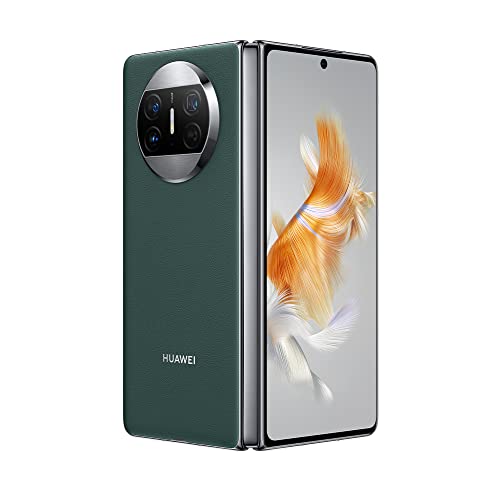
- Huawei Mate X3 (12GB + 512GB) (Overall score: 7.96)
The following Huawei Nova series smartphones currently available received the highest overall scores:
- Huawei nova 13 (12GB + 256GB) (Overall score: 7.4)
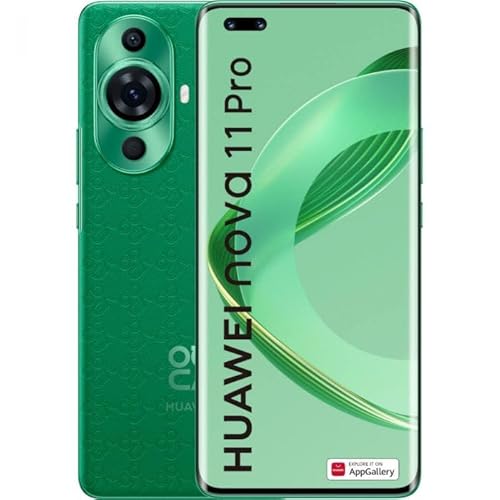
- Huawei nova 11 Pro (8GB + 256GB) (Overall score: 7.06)
How much do Huawei smartphone costs?
Huawei smartphone costs range from £170 to over £1,275 depending on the model and features. Entry-level models like the Huawei Nova series start at around £170 and provide basic specs such as 4GB RAM and 128GB storage. Mid-range options, including the P series, typically price between £340 and £680 with improved cameras (up to 50MP) and batteries (around 4500mAh).
Premium flagships like the Mate series or foldable phones reach £850 to £1,275 or more, and they include advanced processors (Kirin chips) and high-resolution displays (OLED with 120Hz refresh rates). Prices fluctuate based on region, promotions, and availability, so you check official Huawei stores or retailers for exact figures.
With an average price of £660 €, Huawei smartphones rank #33 in price among smartphone brands (from cheapest to most expensive) and hold an average quality-price ratio score of 8.1, placing them at position #9.
(Note: Only brands with at least 6 smartphones in our database, released after 2022, were included.)
What should you consider while choosing the best Huawei smartphone?
When choosing the best Huawei smartphone, you should consider the following key technical specifications and features:
- Processor: The chipset determines overall performance and efficiency of your device. Recent Huawei phones feature HiSilicon Kirin processors like the Kirin 9020 in Mate 70 Pro series, which uses a 12-core architecture with high-performance, mid-performance, and efficiency cores. The Kirin 9010 powers base models while older devices use Kirin 9000 processors, but performance varies significantly between generations so newer chipsets handle demanding apps and games better.
- RAM: Memory capacity affects multitasking performance and app switching speed. Current Huawei flagship models typically offer 12 GB RAM in standard versions and up to 16 GB RAM in Pro+ variants like the Mate 70 Pro+. Internal storage ranges from 256 GB to 1 TB across different models, with the Mate X6 offering 512 GB storage paired with 12 GB RAM. Budget models like the nova 13i provide 8 GB RAM with 128 GB or 256 GB storage options, which handles basic tasks adequately.
- Camera: Photography capabilities vary across Huawei's different series and price ranges. Premium models feature multiple rear cameras with high megapixel counts and advanced features like the Mate 70 Pro+ with its 50 MP main camera, 40 MP ultra-wide, and 48 MP telephoto sensors. The variable aperture technology (F1.4-F4.0) in flagship models adapts to different lighting conditions automatically. Mid-range phones like the nova 13i include 108 MP main cameras but lack the advanced computational photography features.
- Battery: Battery capacity and charging speed impact daily usage patterns and convenience. Current flagship models provide substantial battery life with the Mate 70 base model featuring 5,300 mAh, Pro models with 5,500 mAh, and Pro+ variants with 5,700 mAh batteries. Fast charging capabilities range from 40W in budget models like the nova 13i to 100W in premium variants, while the Mate X6 supports 66W SuperCharge technology. Larger batteries in Pro+ models last longer but add weight to the device.
- Display: Screen technology affects visual experience and battery consumption patterns. Huawei's premium phones feature LTPO OLED displays with 120 Hz refresh rates and adaptive refresh technology that adjusts based on content. The Mate X6 foldable offers dual screens with 1440 Hz PWM dimming for reduced eye strain. Budget models typically use standard LCD or basic OLED panels with lower refresh rates but still provide adequate viewing quality for everyday tasks.