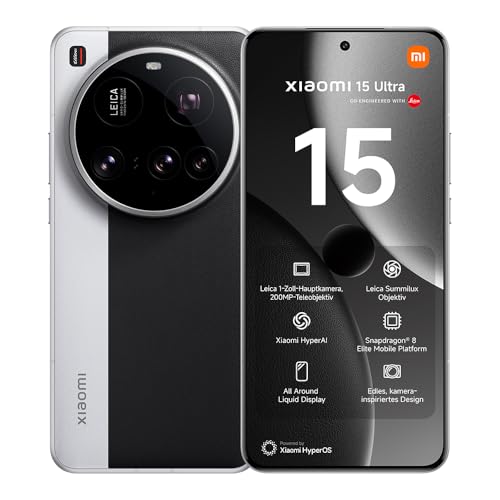
Xiaomi 15 Ultra (16GB + 512GB) review. Compare 197 technical specifications and user reviews to see how this product ranks in the Smartphones category and whether it is worth buying.
Overall score
What it is: An overall evaluation of the smartphone's quality, based on technical analyses and user reviews.
When it matters: When you need a quick reference to identify the best smartphones on the market.
Score components:
90.0%
Technical Score
10.0%
User score
Technical Score
What it is: An assessment of the smartphone's technical performance, covering eight key areas: performance & hardware, software, camera, connectivity, display, battery, audio, and design.
When it matters: When you want to compare smartphones based on technical performance and available features.
Score components:
25.0%
Performance & Hardware
18.0%
Camera
15.0%
Display
15.0%
Battery
10.0%
Software
10.0%
Connectivity
4.0%
Audio
3.0%
Design
User score
What it is: A rating that combines user reviews and the total number of reviews received by the smartphone
When it matters: When you want to know how a smartphone handles daily tasks and how reliable it remains over time according to user feedback.
Score components:
70.0%
User reviews
30.0%
Popularity




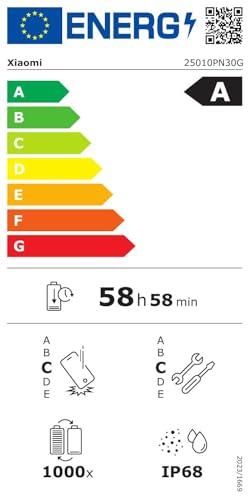
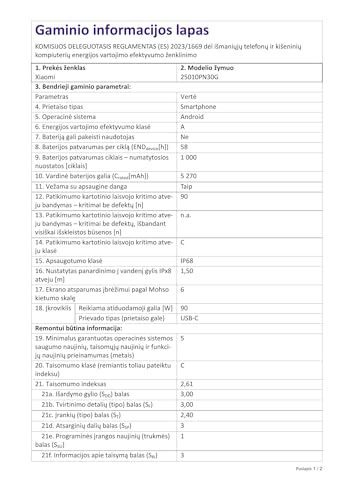
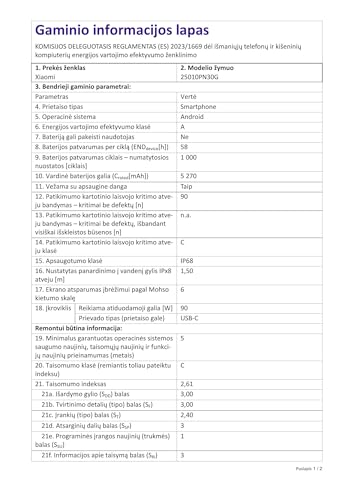
Available: ranking among products currently available (including other versions of this product).
All: ranking among all products in the database.
#1 in Best Xiaomi Phones
#4 in Best Smartphones
#4 in Best Android Smartphones
#4 in Best 5G Smartphones
#4 in Best NFC Smartphones
#4 in Best AI Smartphones
#4 in Best Chinese Smartphones
#10 in Best Gaming Smartphones
#221 in Best Battery Life Smartphones
#225 in Best Value Smartphones
What it is: An assessment of the smartphone's technical performance, covering eight key areas: performance & hardware, software, camera, connectivity, display, battery, audio, and design.
When it matters: When you want to compare smartphones based on technical performance and available features.
Score components:
25.0%
Performance & Hardware
18.0%
Camera
15.0%
Display
15.0%
Battery
10.0%
Software
10.0%
Connectivity
4.0%
Audio
3.0%
Design
What it is: A rating that combines user reviews and the total number of reviews received by the smartphone
When it matters: When you want to know how a smartphone handles daily tasks and how reliable it remains over time according to user feedback.
Score components:
70.0%
User reviews
30.0%
Popularity
What it is: An indicator that combines the smartphone's overall rating with its cost.
When it matters: When you are looking for a smartphone with a good balance between quality and price.
Score components:
60.0%
Overall score
40.0%
Price
Importance: LOW
Importance: HIGH
Importance: HIGH
Good value: >12 GB
Importance: MEDIUM
Good value: >256 GB
Importance: MEDIUM
Good value: >3.2 GHz
Importance: LOW
Importance: MEDIUM
Good value: >1500
Importance: LOW
Good value: >4000
Importance: LOW
Good value: 8+
Importance: LOW
Importance: LOW
Good value: >950 MHz
Importance: LOW
Good value: >700
Importance: LOW
Good value: >1000
Importance: LOW
Good value: >2500
Importance: MEDIUM
Good value: >6000
Importance: LOW
Good value: >8000
Importance: MEDIUM
Good value: >12000
Importance: LOW
Good value: >5000
Importance: LOW
Good value: >1800
Importance: LOW
Good value: >3200 MHz
Importance: LOW
Good value: 5
Importance: LOW
Good value: > 50 GB/s
Importance: LOW
Good value: 4
Importance: LOW
Good value: >16 GB
Importance: MEDIUM
Good value: <6 nm
Importance: MEDIUM
Good value: >9 W
Importance: LOW
Importance: LOW
Good value: >8192 KB
Importance: LOW
Good value: >2048 KB
Importance: LOW
Good value: >512 KB
Importance: LOW
Good value: >100000 million
Importance: LOW
Good value: 3.3
Importance: LOW
Good value: 3.2
Importance: LOW
Good value: 2.0/3.0
Importance: LOW
Importance: LOW
Importance: LOW
Importance: MEDIUM
Importance: LOW
Importance: LOW
Importance: LOW
Importance: LOW
Importance: LOW
Importance: LOW
Importance: LOW
Importance: LOW
Importance: LOW
Importance: LOW
Importance: LOW
Importance: LOW
Importance: LOW
Importance: LOW
Importance: LOW
Importance: LOW
Importance: LOW
Importance: LOW
Importance: LOW
Importance: LOW
Importance: LOW
Importance: LOW
Importance: LOW
Importance: LOW
Importance: LOW
Importance: LOW
Importance: LOW
Importance: LOW
Importance: LOW
Importance: LOW
Importance: LOW
Importance: LOW
Importance: LOW
Importance: MEDIUM
Good value: >50 MP
Importance: MEDIUM
Importance: HIGH
Good value: >60
Importance: LOW
Good value: ≥1.2 µm
Importance: MEDIUM
Good value: >2.5x
Importance: MEDIUM
Importance: LOW
Importance: LOW
Importance: LOW
Importance: LOW
Good value: ≥2
Importance: LOW
Importance: LOW
Importance: LOW
Importance: LOW
Good value: >16 MP
Importance: LOW
Importance: LOW
Importance: LOW
Importance: LOW
Importance: MEDIUM
Importance: LOW
Importance: LOW
Importance: LOW
Importance: LOW
Importance: LOW
Importance: LOW
Importance: LOW
Importance: LOW
Importance: LOW
Importance: LOW
Importance: LOW
Importance: LOW
Importance: LOW
Importance: LOW
Importance: LOW
Importance: LOW
Importance: LOW
Importance: LOW
Importance: LOW
Importance: LOW
Importance: LOW
Good value: >130
Importance: LOW
Good value: >120
Importance: LOW
Good value: ≥2
Importance: LOW
Importance: LOW
Importance: LOW
Importance: LOW
Importance: LOW
Importance: LOW
Good value: >5.2
Importance: LOW
Importance: LOW
Importance: LOW
Importance: LOW
Good value: 3.1/3.2
Importance: LOW
Importance: LOW
Importance: LOW
Good value: ≥2
Importance: LOW
Importance: LOW
Importance: LOW
Importance: LOW
Importance: LOW
Importance: LOW
Importance: LOW
Importance: LOW
Importance: LOW
Importance: LOW
Importance: LOW
Importance: LOW
Importance: LOW
Importance: LOW
Importance: LOW
Importance: LOW
Good value: ≥6.6 inches
Importance: MEDIUM
Importance: LOW
Good value: >400 ppi
Importance: MEDIUM
Importance: MEDIUM
Good value: ≥120 Hz
Importance: LOW
Importance: LOW
Good value: >300 Hz
Importance: LOW
Good value: >800 nits
Importance: LOW
Good value: >1300 nits
Importance: LOW
Good value: >1000 nits
Importance: LOW
Importance: LOW
Importance: LOW
Importance: LOW
Importance: LOW
Importance: LOW
Importance: LOW
Importance: LOW
Importance: HIGH
Good value: >5000 mAh
Importance: MEDIUM
Good value: >60 W
Importance: LOW
Importance: LOW
Good value: <45 min
Importance: LOW
Importance: LOW
Good value: >40 W
Importance: LOW
Importance: LOW
Good value: >10 W
Importance: LOW
Importance: LOW
Importance: MEDIUM
Importance: LOW
Good value: >800
Importance: LOW
Importance: LOW
Importance: LOW
Importance: LOW
Importance: LOW
Good value: ≥3
Importance: LOW
Importance: LOW
Importance: LOW
Importance: LOW
Importance: LOW
Importance: LOW
Importance: LOW
Good value: <162 mm
Importance: LOW
Good value: <75 mm
Importance: LOW
Good value: <8 mm
Importance: LOW
Good value: <190 g
Importance: LOW
Good value: <98cm³
Importance: LOW
Importance: LOW
Importance: LOW
Importance: LOW
Importance: LOW
Importance: LOW
Good value: ≥1.5 m
Importance: LOW
Importance: LOW
Good value: >8
Importance: LOW
Importance: LOW
Importance: HIGH
Good value: >12 GB
Importance: HIGH
Good value: >60
Importance: MEDIUM
Importance: MEDIUM
Good value: >3.2 GHz
Importance: MEDIUM
Importance: MEDIUM
Good value: <6 nm
Importance: MEDIUM
Good value: >50 MP
Importance: MEDIUM
Good value: >60 W
Importance: LOW
Importance: LOW
Importance: LOW
Good value: <190 g
Importance: LOW
Good value: <8 mm
Importance: LOW
Good value: <98cm³
(Reviews last updated: August 2026)
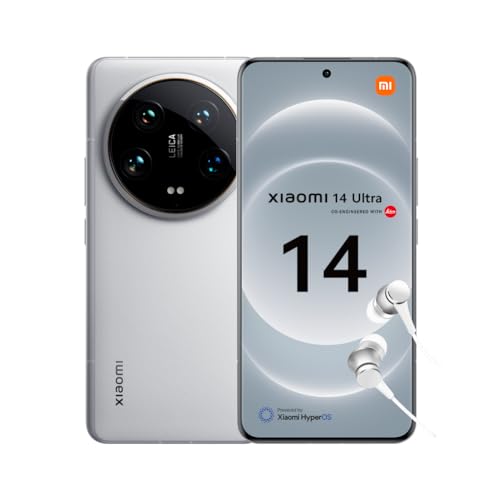
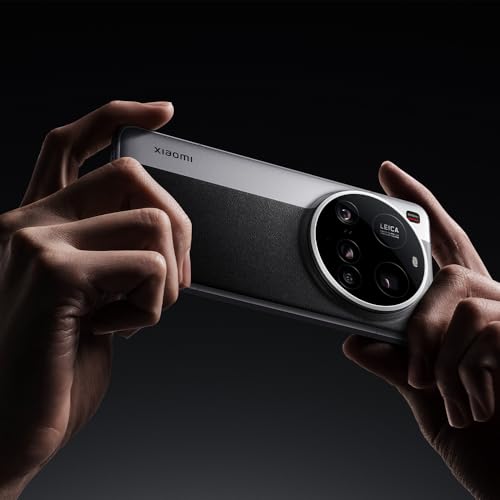
The Xiaomi 15 Ultra is a high-end, Leica-engineered flagship featuring a massive 1-inch main sensor and a 200-megapixel periscope telephoto lens for exceptional, versatile, and detailed mobile photography. Driven by the Snapdragon 8 Elite processor, the device is praised for its professional-grade,, 4K 60fps 10-bit LOG video capabilities, and the optional "Legend Edition" Photography Kit, though it is physically heavy and thick. Despite spectacular general photography, the device is criticized for downgrading the ultra-wide lens, removing the variable aperture found on its predecessor, and high-contrast,, glare-prone image processing. At a £1,299 price point, it faces, stiff competition with a, shorter, four-year, software support cycle compared to rivals.
The Xiaomi 15 Ultra is characterized by Android Authority as a premier photography-focused device, featuring a versatile quad-camera system with a 1-inch main sensor and a standout 200MP periscope telephoto lens. Performance is driven by the Snapdragon 8 Elite chipset, while the 5,410mAh battery provides excellent endurance with 90W wired and 80W wireless charging. Despite these strengths, the device is heavy and thick, with HyperOS 2.0 software still containing unwanted bloatware.
The Xiaomi 15 Ultra is hailed as a premier photography-focused smartphone, featuring a 200MP periscope lens, a Snapdragon 8 Elite chipset, and a 6.73-inch AMOLED display, which collectively outperform competitors in imaging and performance. Pros include an exceptional camera system, a 17-hour battery life with 90W fast charging, and an optional photography kit for better handling. However, cons involve the removal of the variable aperture, a slippery back design, a bulky form factor, and a less competitive, four-year software support commitment.
The GBAtemp review identifies the Xiaomi 15 Ultra as a premium "flex" device that blurs the line between smartphone and professional camera, highlighting its Leica quad-camera system—featuring a 50MP main sensor and 200MP periscope lens—and the optional, highly recommended EUR 199 Photography Kit. Performance is top-tier, driven by the Snapdragon 8 Elite chip, which handles demanding gaming and high-end emulation with ease alongside a 6.73-inch 120Hz AMOLED display. Despite these strengths, drawbacks include the lack of an included charging adapter, bloatware within HyperOS, poor emulator optimization for Nintendo Switch, and a high cost.
The Xiaomi 15 Ultra is a photography-focused powerhouse, featuring a 200MP periscope lens, a 1-inch main sensor, and a high-resolution 6.73-inch OLED display. Performance is driven by the latest Snapdragon chip, delivering top-tier benchmark scores while remaining cool. However, the device is criticized for a weak ultra-wide camera and the removal of the physical variable aperture. Practical drawbacks highlighted by the review include significant pre-installed bloatware and the omission of the charger from the box. While the phone supports 90W fast charging, actual testing showed slower speeds than expected. The device lacks some anticipated in-house AI features at launch, marking a point of frustration for users looking for a fully realized, premium experience. www.nextpit.comDespite these software and accessory-related cons, the camera system's superior zoom capabilities and overall image quality make it a strong recommendation for photography enthusiasts. It is a powerful contender, though owners of the previous generation might find the upgrade less compelling at full price.
CGMagazine describes the Xiaomi 15 Ultra as a flagship smartphone excelling in photography and performance, featuring a 6.73-inch AMOLED display and a Snapdragon 8 Elite chipset. Its camera system is highlighted as class-leading, particularly its zoom capabilities and 8K video recording. Key pros include its exceptional zoom performance and a Photography Kit accessory. However, the device's substantial physical size, especially the camera bump, is a significant con, potentially interfering with accessories and causing the phone to become top-heavy and warm during intensive use.
According to a Stuff.tv review, Ultra is designed as a "photography-first" device with a focus on hardware, featuring a quad-lens system -inch main sensor. Pros include outstanding photo quality and an optional Photography Kit, while cons are its thick, heavy build and prominent camera bulge. The phone also Elite processor, -inch LTPO AMOLED display, W wireless charging, though battery life is not class-leading. offers AI tools, but software support is noted as a con, along with the charging and a reflective screen. Despite a high price, the review positions it as the top choice for photography enthusiasts.
The Xiaomi 15 Ultra is highlighted as a powerful photography smartphone with a quad-camera system featuring a 1-inch main sensor and a 200MP periscope telephoto lens. It delivers top-tier performance with the Snapdragon 8 Elite chipset, a 6.73-inch AMOLED display, and a large 5,410mAh battery with fast charging. Noted drawbacks include inconsistent camera HDR processing, potential overheating during benchmarks, and HyperOS software that is less refined than competitors, alongside only four years of OS updates.
The Xiaomi 15 Ultra is presented as a high-end device tailored for photography enthusiasts, featuring a 1-inch Leica main sensor and a 200-megapixel telephoto lens. Praised for its vibrant display and powerful Snapdragon chip, its camera's auto mode is noted as requiring manual effort for consistent results, making it less suitable for casual users. A notable drawback is the removal of the variable aperture found in the previous model, replaced by less effective software. While its battery is sufficient, it falls short of some rivals, and the phone's bulk is a potential ergonomic issue. The high price point and the camera's focus on manual control position the Xiaomi 15 Ultra as a niche product for dedicated mobile photographers.
According to WIRED, the Xiaomi 15 and 15 Ultra are high-performance flagships with incremental hardware updates, featuring Snapdragon 8 Elite processors and bright AMOLED displays. Pros include the Ultra's advanced quad-lens camera system with a 200MP telephoto lens, strong battery life with fast charging, and polished HyperOS software with new AI features. Cons highlighted in the review include bloatware, a "dull" design for the standard 15, lack of Qi2 support, the Ultra's loss of a variable aperture lens, and neither phone being officially available in the United States. Xiaomi 15 5G Smartphone£749.00£999.00& more prices4.8(1.7k)Xiaomi 15 Ultra£1,299.99& more prices4.7(941)
The Xiaomi 15 Ultra is highlighted for its camera-inspired design and a Leica-tuned camera system featuring a 1-inch main sensor and a 200MP periscope telephoto lens. It boasts a 6.73-inch AMOLED display with high brightness and is powered by a Snapdragon 8 Elite chipset. However, the review notes drawbacks including the lack of an included charging brick, lackluster AI performance, images that can appear slightly dark, and HyperOS software criticized for bloatware. Despite being a strong competitor with an optional Photography Kit, its major limitation is restricted availability in markets like the US and Australia.
TechRadar reviews the Xiaomi 15 Ultra as a top-tier flagship excelling in photography with its Leica-branded quad-camera system and delivering fast performance via a Snapdragon 8 Elite processor and a 6.73-inch 2K AMOLED display. Key pros include its camera hardware and overall performance, while cons include the loss of the predecessor's variable aperture. Drawbacks include underwhelming real-world battery life, pre-installed software bloatware, limited long-term OS updates, and lack of official availability in markets like the US or Australia.
PhoneArena describes the Xiaomi 15 Ultra as a top-tier flagship heavily focused on photography, notable for its impressive camera hardware and strong overall performance. While excelling in camera performance and raw power, the phone has drawbacks in software support and audio quality. The device features a superb quad-camera system co-engineered with Leica, but its design is thick and heavy, the top speaker is weaker than the bottom one, and it offers fewer major OS updates than competitors.
The DXOMARK retest of the Xiaomi 15 Ultra highlights top-tier still photography, particularly excelling with the best tele-zoom performance to date, driven by 50MP and 200MP modules. Key strengths include high texture retention, low noise, and wide dynamic range, although the f/1.63 aperture causes a narrow depth of field that often leaves background subjects in group shots blurry. Additional drawbacks identified include occasional warm color casts, ghosting, and, in dim conditions, some motion blur. In video, the device offers accurate exposure and saturated colors in 4K/60fps Dolby Vision HDR. However, it falls behind top rivals due to less effective stabilization and occasional autofocus stepping. Furthermore, low-light video lacks the fine detail seen in stills and shows instability during rapid scene changes.
The Xiaomi 15 Ultra, reviewed by Galaxus, is a premium flagship defined by its Leica-engineered quad-camera system, featuring a 1-inch main sensor and a 200MP periscope telephoto lens that offers exceptional image quality. Pros include superior, consistent performance across varied focal lengths, a bright 3200-nit AMOLED display, and the powerful Snapdragon 8 Elite chip. However, the device faces cons, including disappointing battery life that shows only marginal improvement over previous models despite a larger capacity, along with inconsistent low-light performance on the ultra-wide lens. The design is hindered by a top-heavy, "volcano-shaped" camera module, and the software experience is marred by pre-installed bloatware and ads in HyperOS 2.0. In conclusion, the device is positioned as a specialized tool for photography enthusiasts, offering industry-leading imaging capabilities in a sturdy,, water-resistant chassis. While it excels in hardware, the combination of high price, average battery life, and software drawbacks limits its appeal as a general-purpose, top-tier smartphone.
The Xiaomi 15 Ultra is a specialized "camera-first" flagship, featuring a 1-inch main sensor and a 200MP periscope telephoto lens that delivers exceptional, detailed zoom capabilities. Powered by the Snapdragon 8 Elite chipset, it offers top-tier speed, though the camera setup loses the variable aperture found in its predecessor. The design is marked by a large, "chunky" camera module and a bright 3,200-nit, 6.73-inch AMOLED display. While the phone boasts premium, durable materials and a massive 5,410mAh battery with 90W fast charging, the box notably lacks a charger. The HyperOS 2 software includes useful AI tools but suffers from significant pre-installed bloatware. The device’s substantial weight and size may be unwieldy for some users. Overall, the 15 Ultra is a formidable photography tool, but it faces competition due to its high price and a shorter 4-year OS support cycle compared to rivals. Key pros include unparalleled zoom performance and display brightness, while cons focus on software bloat and ergonomics.
The Xiaomi 15 Ultra acts as a high-end, camera-focused flagship, featuring a Leica quad-camera system highlighted by a standout 200MP periscope telephoto lens. Performance is driven by the Snapdragon 8 Elite chipset, accompanied by a 6.73-inch AMOLED display reaching 3,200 nits, alongside fast 90W wired and 80W wireless charging. Key drawbacks include the heavy, top-heavy design caused by the large camera bump, and HyperOS software, which faces criticism for being cluttered. While the 5,410 mAh battery performs well, some tests indicate it is less efficient than competitors like the Samsung Galaxy S25 Ultra. Ultimately, this device is a "camera with a phone attached" offering professional-grade imaging and essential eSIM support, though it comes at a high price point. Its premium cost of roughly £1,299 / €1,500 and shorter software support window make it a niche choice for users not strictly prioritizing zoom photography.
The Xiaomi 15 Ultra stands out with a 6.73-inch 3,200-nit display and a powerful Leica-tuned quad-camera system featuring a 200MP periscope lens. While offering top-tier Snapdragon 8 Elite performance and fast charging, the device is heavy, features a large, awkward camera bump, and runs on a heavily skinned HyperOS 2 with fewer years of support than competitors. The camera, though high-performing, lacks the variable aperture found in previous models.
The Xiaomi 15 Ultra emerges as a 2025 camera-focused flagship, featuring a 1-inch main sensor and a new 200MP periscope telephoto lens for exceptional zoom capabilities. Driven by the Snapdragon 8 Elite, it delivers top-tier performance, though it faces criticism for its 226g weight, bulky "volcano" camera bump, and the removal of the variable aperture feature. The device boasts a 6.73-inch, 3,200-nit AMOLED display, but falls short with only four years of OS updates and a lack of in-box charger for its 5,410mAh battery. While HyperOS 2.0 has bloatware, the optional Photography Kit offers a compelling accessory with a physical shutter button.
The Xiaomi 15 Ultra emerges as a top-tier photography-focused flagship, featuring a Leica-engineered quad-camera system with a 200MP periscope lens and the Snapdragon 8 Elite processor. Key advantages include a stunningly bright 3,200-nit, 6.73-inch AMOLED display and exceptionally fast 90W/80W charging. However, the device is heavy, suffers from a lost variable aperture, and presents software inconsistencies with a shorter update policy compared to competitors.
The Xiaomi 15 Ultra is a premium smartphone defined by its advanced camera system, featuring a 1-inch main sensor and a 200MP periscope telephoto lens, powered by the Snapdragon 8 Elite chipset. It features a bright 6.73-inch AMOLED display, 90W/80W charging, and an optional photography kit, making it a strong contender for photography enthusiasts. Key drawbacks include its bulky, top-heavy design, removal of the variable aperture, significant software bloatware, and inconsistent battery performance. For more details, visit Sparhandy.
The Xiaomi 15 Ultra, developed with Leica, focuses on superior mobile photography featuring a quad-camera system with exceptional image quality across various focal lengths. A standout feature is the 200-megapixel periscope telephoto lens, which delivers sharper 4.3x optical and 8.6x in-sensor zoom. The device boasts top-tier performance with the Snapdragon 8 Elite chip, a high-quality 6.73-inch AMOLED display, and useful AI editing tools. DigitecHowever, the review highlights, along with other, that the device suffers from disappointing, average battery life and poor night-mode performance from the ultra-wide lens. Additionally, the front-facing camera lacks pixel binning, reducing selfie detail, and the overall high price point makes it less competitive against the previous model. Despite these drawbacks, the professional-grade rear camera system and optional photography kit make it a strong contender for photography enthusiasts.
The Xiaomi 15 Ultra, as reviewed by L'Éclaireur Fnac, is a premium photography-focused flagship featuring a Leica-developed quad-camera array in a robust, high-quality chassis. Powered by the Snapdragon 8 Elite processor, the device offers top-tier performance, a 1440p AMOLED display reaching 3,200 nits, and a 5,410 mAh battery. However, the phone is notably large and top-heavy, with a significant camera bump that impacts ergonomics. L'É Key advantages include an elite camera system with a 200MP periscope lens and an optional Photography Kit, complemented by a stunning screen and fast, efficient operation. On the downside, the device is expensive, starting around €1,503, and the European model has a smaller battery than its Chinese counterpart. Furthermore, the front-facing camera lacks autofocus, and the software, while improving, still lacks the refinement of top competitors. L'É
The Xiaomi 15 Ultra is identified as a top-tier "photophone" featuring a 6.73-inch 3,200-nit AMOLED display, the powerful Snapdragon 8 Elite processor, and a premium, albeit heavy, 229g design. Its standout quad-camera system, co-engineered with Leica, includes a 1-inch 50MP main sensor and a 200MP periscope lens, offering exceptional detail, enhanced by an optional Photography Kit for a dedicated camera experience. However, the device lacks a variable aperture compared to its predecessor, features bloatware in HyperOS 2, and offers a shorter 4-year software support window, according to the review.
The Xiaomi 15 Ultra is hailed by L'Éclaireur Fnac as a "photography prodigy," bridging the gap between smartphones and dedicated cameras with a Leica-engineered quad-camera system featuring a 1-inch Sony LYT-900 sensor and a 200MP periscope lens. Powered by the Snapdragon 8 Elite, the device offers top-tier performance, a 6.73-inch 3,200-nit AMOLED display, and a 5,410mAh battery with 90W fast charging. Key pros include the versatile camera setup, high-end build, and the Photography Kit accessory, while the major drawbacks are the bulky, top-heavy camera island and a missing variable aperture on the main sensor. Additionally, the review notes the selfie camera lacks autofocus, and the software experience is marred by bloatware. L'Éclaireur Fnac
The Phototrend review designates the Xiaomi 15 Ultra as a premier mobile photography device, featuring a Leica-engineered quad-camera system with a 1-inch main sensor and a new 200MP periscope lens. Key strengths include exceptional image quality, a bright 3200-nit AMOLED display, the powerful Snapdragon 8 Elite chipset, and rapid 90W wired charging. However, the device is criticized for its heavy 229g design, the removal of the 14 Ultra’s variable aperture, smaller sensors on secondary lenses, and pre-installed software.
The Xiaomi 15 Ultra is highlighted as a high-end photography-focused flagship, featuring a versatile Leica-tuned quad-camera system with a 1-inch main sensor and a 200MP periscope lens. It boasts top-tier hardware, including a 6.73-inch 120Hz WQHD+ AMOLED screen and the Snapdragon 8 Elite processor, supported by fast 90W/80W charging. However, the device suffers from under-performing battery life under heavy camera usage, along with a bulky design and a less intuitive software experience.
Ultra, as tested by Les Numériques, is a high-end, g -nit AMOLED display, distinguished by a massive "volcano" camera housing and a premium vegan leather or glass fiber back. It boasts stellar performance Elite chip and excellent battery life ( mAh, W charging). While featuring a top-tier camera -inch main sensor MP periscope lens, it loses the previous model's variable aperture and lacks an anti-reflective screen coating. Despite its photographic prowess, the phone is criticized for pre-installed bloatware, less intuitive software, and a relatively short four-year update commitment. Les Numériques +4
The Xiaomi 15 Ultra is highlighted as a photography-focused flagship, balancing an exceptional camera system—featuring a 1-inch sensor and a 200MP periscope lens—with a powerful Snapdragon 8 Elite chipset. The device boasts a 6.73-inch AMOLED display reaching 3,200 nits and rapid charging capabilities, with an optional Photography Kit enhancing its professional-style utility. However, the, 226g, top-heavy, and "volcano-shaped" camera module makes it cumbersome to hold, and the HyperOS 2.0 software suffers from bloatware. Additionally, while performance is stellar, the 4-year OS update policy and inconsistent battery life during intense shooting sessions are noted drawbacks. DismissMore input optionsMicrophoneStopStartSend
The Xiaomi 15 Ultra is a high-performance device powered by the Snapdragon 8 Elite chipset and featuring a 6.73-inch 120Hz LTPO AMOLED display with 3,000 nits peak brightness, though the large, protruding camera module can feel top-heavy. Its Leica-tuned camera system excels with a 1-inch main sensor and versatile dual-telephoto lenses, yet the complex software may overwhelm some, and the front camera lags slightly behind the rear in consistency. Supported by a 5,450mAh battery with rapid 90W wired/80W wireless charging and the smooth HyperOS, the device justifies its premium price for enthusiasts, despite containing minor pre-installed bloatware.
The Xiaomi 15 Ultra stands out as a premier photography-focused flagship, featuring a Leica-developed quad-camera system with a 1-inch main sensor and a 200MP periscope lens for exceptional image quality. While the optional Photography Kit enhances usability, the device sacrifices the variable aperture found on its predecessor and sometimes struggles with auto-mode processing. Performance is top-tier, driven by the Snapdragon 8 Elite, a vibrant 6.73-inch 3,200-nit display, and a 5,410mAh battery with rapid charging, though the device is notably heavy at 226g. Software, specifically HyperOS 2.0, remains a weak point due to excessive bloatware and a four-year update promise that trails industry leaders. Despite these drawbacks, the device is considered a masterclass for mobile photography enthusiasts.
The Xiaomi 15 Ultra emerges as a premier photography-focused flagship, highlighted by a 1-inch main sensor, a 200MP periscope lens, and Leica-tuned imaging. Powered by the Snapdragon 8 Elite, it offers top-tier performance, a 6.73-inch 120Hz display, and robust charging capabilities, enhanced by an optional photography grip. However, it faces criticism for a bulky design, the removal of the variable aperture, lack of an in-box charger, and a shorter software support cycle compared to competitors.
The Xiaomi 15 Ultra focuses heavily on mobile photography with a Leica-engineered, 1-inch main sensor and a 200MP periscope telephoto lens. Critics praise its exceptional, detailed zoom capabilities, though some note the loss of variable aperture from previous models. Powered by the Snapdragon 8 Elite, it delivers high-end performance, but the device is described as bulky, heavy, and top-heavy due to its large camera module. While the 5410mAh battery provides strong, all-day power with 90W charging, user experience is often hindered by pre-installed bloatware in the HyperOS software.
The Xiaomi 15 Ultra stands out for its photography capabilities, boasting a 50MP 1-inch main sensor and a 200MP periscope lens with Leica-tuned colors. Pros include exceptional zoom quality and a bright 6.73-inch LTPO AMOLED display, while cons feature the removal of the variable aperture and an inconsistent automatic mode. The device offers top-tier performance with the Snapdragon 8 Elite, though it is physically heavy and the large camera module makes it awkward to hold. Battery life is adequate, but not as efficient as competitors, and a significant downside is the exclusion of a charger in the box.
The Xiaomi 15 Ultra is positioned as a camera-centric flagship, featuring a 1-inch main sensor and a 200MP periscope lens that deliver exceptional image quality, natural bokeh, and strong low-light performance. The device is powered by the Snapdragon 8 Elite chipset and features a 3,200-nit AMOLED display, though it is notably top-heavy and bulky due to the large camera module. While offering 90W fast charging, the phone faces criticism for its HyperOS 2 interface, which includes bloatware and presents a shorter, four-year OS update policy compared to competitors. Key pros include the superior camera hardware and display, while cons focus on the unwieldy design, thermal issues, and less refined software.
The Xiaomi 15 Ultra stands out with a refined design and a "volcano" camera system, featuring a 1-inch 50MP main sensor and a 200MP periscope telephoto lens that deliver exceptional detail. Powered by the Snapdragon 8 Elite and a 6.73-inch 3,200-nit display, it offers top-tier performance and high-quality visuals. Notable advantages include the optional "Photography Kit" with a physical shutter, rapid 90W charging, and a robust build. Despite its strengths, the device has limitations, including a high price, lack of global availability, and a bulky, heavy form factor. The main camera lacks the variable aperture of its predecessor, and inconsistent color science sometimes appears between lenses. Furthermore, HyperOS 2.0 remains cluttered, and software support is limited to four years, lagging behind competitors.
The Xiaomi 15 Ultra is identified by Tweakers as a premier camera-focused smartphone, featuring a 1-inch main sensor and a 200MP periscope lens that delivers exceptional zoom, though it loses the variable aperture found in the previous model. Both the 15 and 15 Ultra utilize the rapid Snapdragon 8 Elite processor, with the standard model functioning as a compact, high-performance device, while the Ultra is characterized by its heavy, "chunky" design and massive camera module. While offering ultra-fast 90W wired and 80W wireless charging along with highly bright, 3200-nit displays, the devices are hampered by pre-installed bloatware in HyperOS 2 and a relatively short four-year OS update cycle, according to the review. DismissMore input optionsMicrophoneStopStartSendAsk about
The Xiaomi 15 Ultra is a photography-focused flagship featuring a 1-inch main sensor and a 200MP periscope lens, offering a versatile imaging system, though it removes the variable aperture found on the 14 Ultra. It boasts the Snapdragon 8 Elite processor, a 3,200-nit display, and an optional photography kit, providing top-tier performance and handling, according to reviews. However, the device is heavy (226g), plagued by software bloatware in HyperOS, and offers only four years of OS updates, falling short of rivals. Key pros include an exceptional camera system, rapid charging, and top-tier performance, while cons feature a high price, bulky design, and limited software longevity. For more details, visit Tech Advisor at Tech Advisor.

Compare