
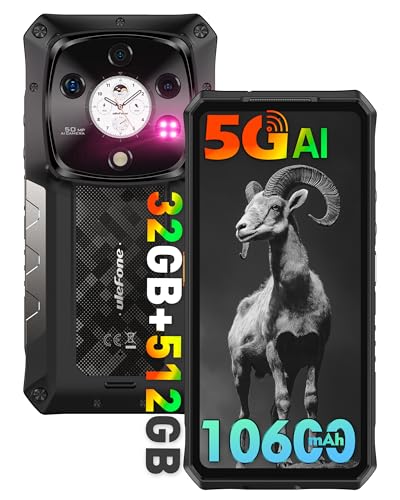
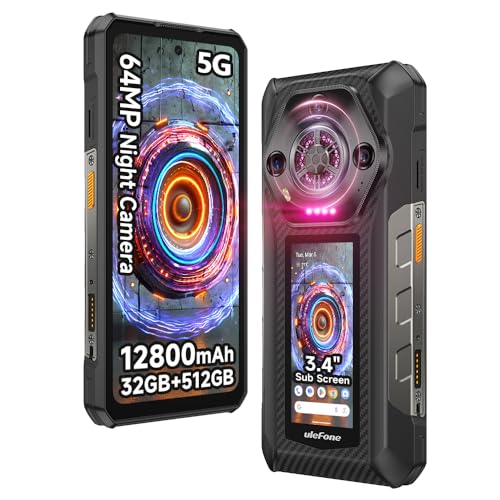
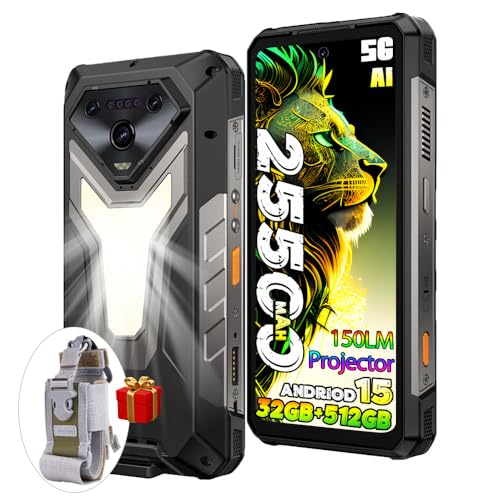
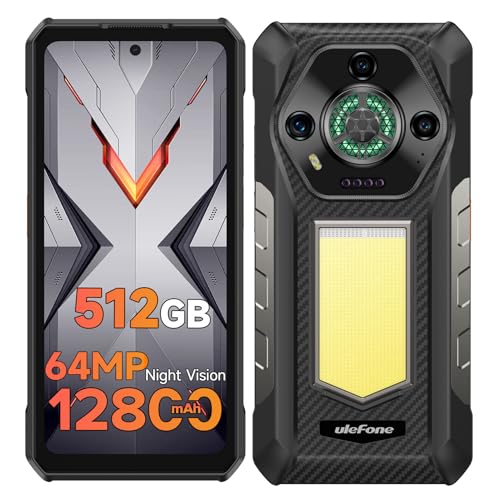
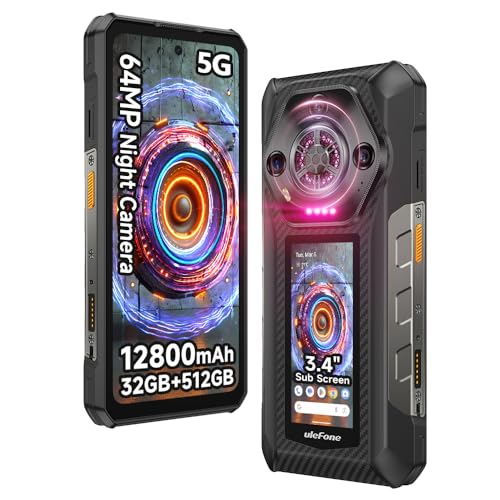
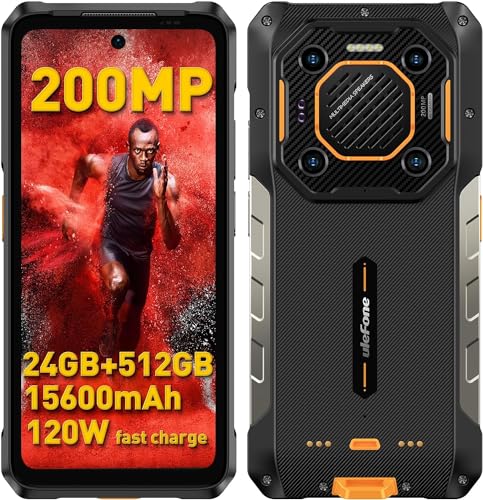
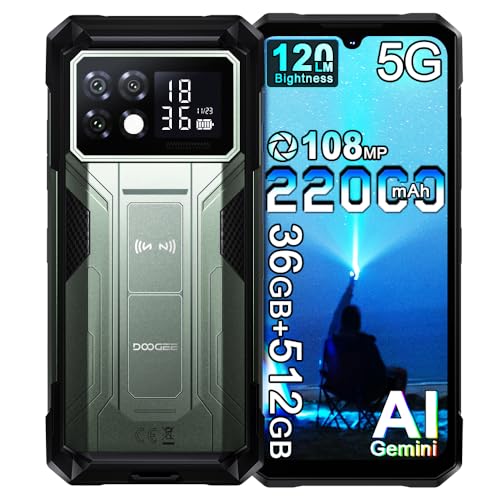
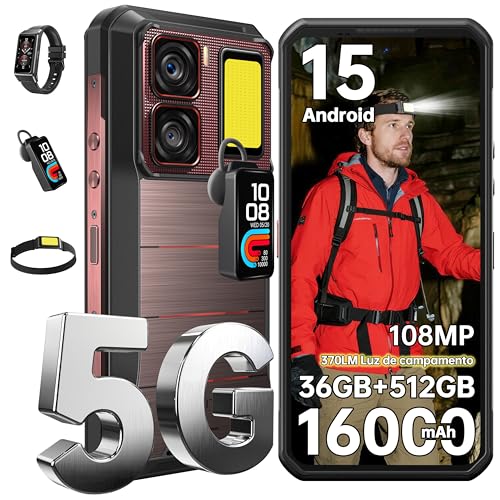
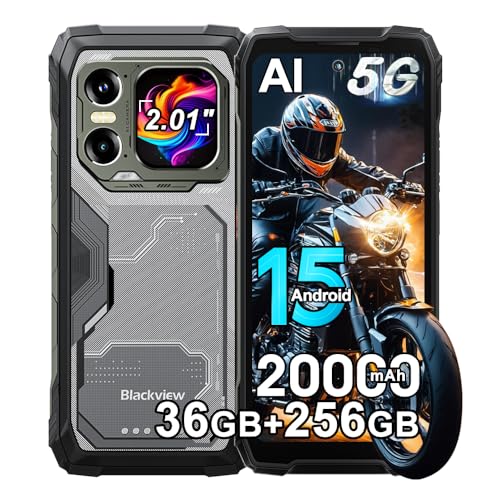
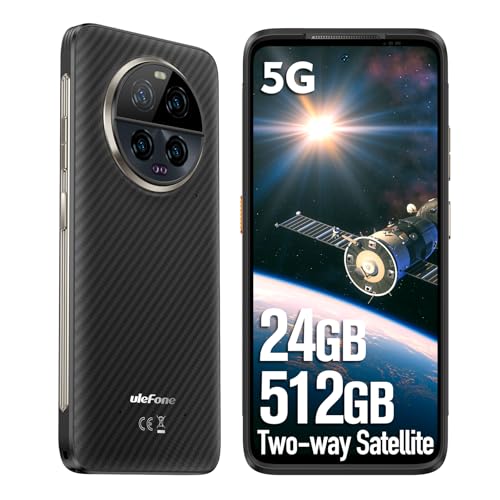
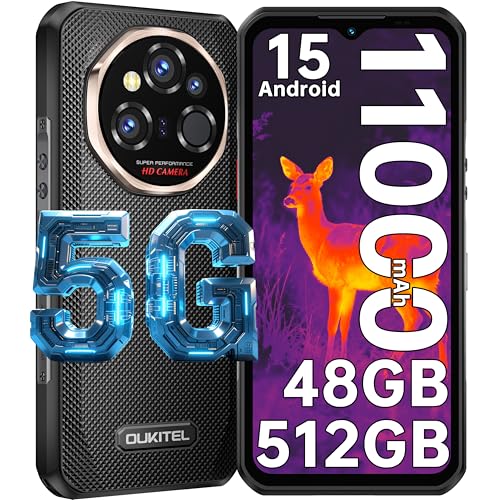
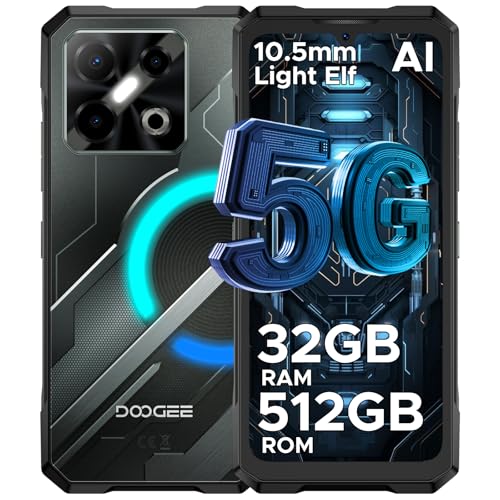
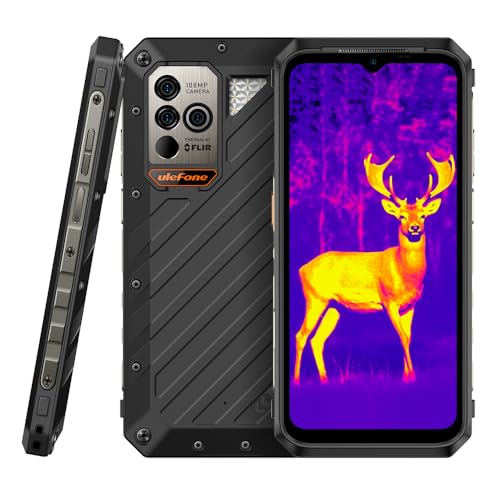
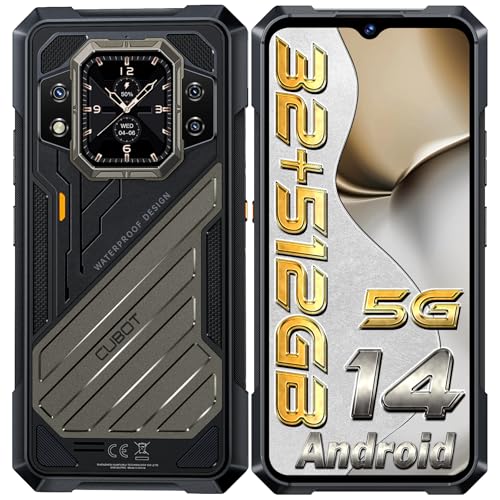
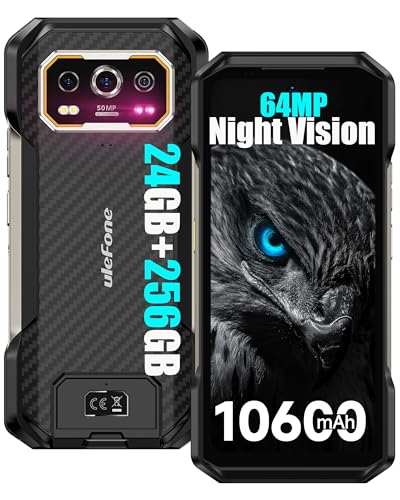
What is a rugged smartphone?
A rugged smartphone is a phone that can handle tough environments and heavy use. You can drop it, splash it, or expose it to dust or extreme temperatures, and it will keep working.
Rugged smartphones meet military-grade durability standards (like MIL-STD-810H) and have high IP ratings for water and dust resistance (usually IP68 or IP69K). These phones don’t crack easily and resist shock, pressure, and vibration better than normal smartphones.
Most rugged phones come with reinforced frames, thick glass (often Gorilla Glass), and strong casing. Some have rubber edges or port covers to block dirt and moisture. You can use them with gloves or wet fingers.
Rugged models make up roughly 100%% of the smartphone market.
The best available rugged smartphones (with the highest overall score) are as follows:
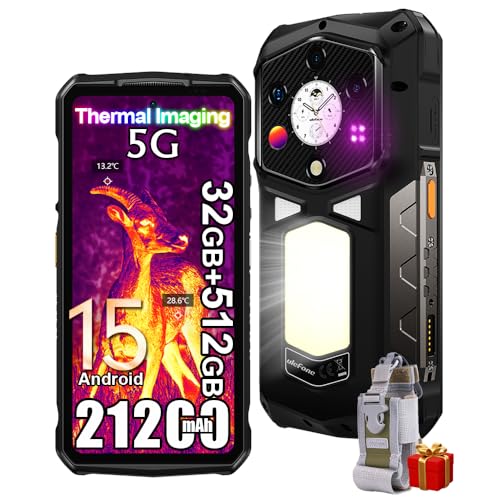
- Ulefone Armor 29 Pro Thermal (16GB + 512GB) (Overall score: 8.63 points)
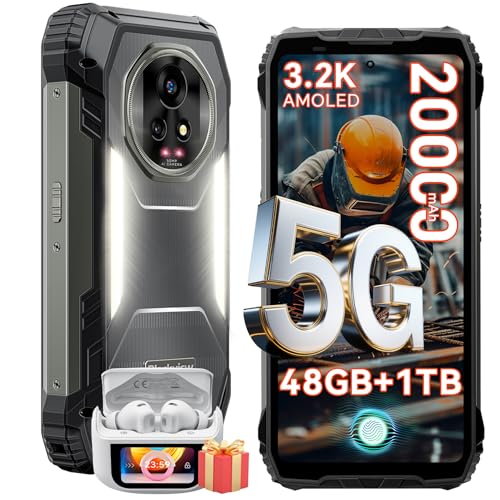
- Blackview Xplore 2 5G (16GB + 1TB) (Overall score: 8.63 points)
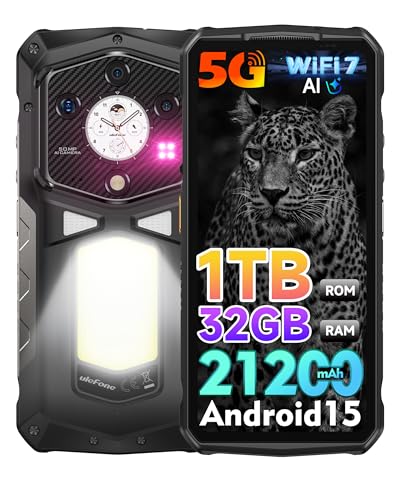
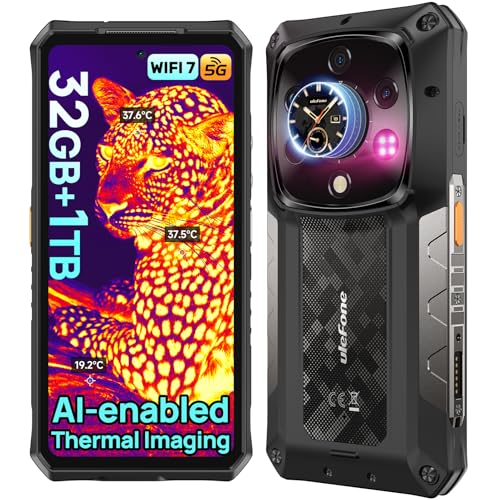
- Ulefone Armor 29 Ultra 5G (32GB + 1TB) (Overall score: 8.52 points)
Are rugged smartphones worth buying?
Rugged smartphones are worth buying if you need a device that can handle extreme conditions and heavy use. They have reinforced casings, thicker glass, and better sealing against dust and water (often IP68 or IP69K certified). Many models also pass military-grade durability tests such as MIL-STD-810H, so they can survive drops, shocks, and extreme temperatures. This makes them a good choice if you work outdoors, travel to remote areas, or practice activities where a regular phone could break easily.
You can expect larger batteries than standard smartphones, often 5,000 mAh or more, which means longer use between charges. Some rugged phones also include thermal imaging cameras, high-lumen flashlights, or extra-loud speakers for noisy environments.
The trade-off is that they are bulkier, heavier, and usually have lower camera quality and slower processors compared to regular phones in the same price range.
Are rugged phones more expensive than normal phones?
Rugged phones are usually more expensive than normal phones because they have reinforced casings, thicker glass, and components designed to resist water, dust, and impacts. These extra protections increase manufacturing costs, so even models with average internal hardware can cost more than standard smartphones with similar performance.
You can find basic rugged models starting around £170, but mid-range and flagship rugged phones often go well above £430. In comparison, a normal phone with similar specifications may cost less because it lacks the same durability features.
Rugged models also target a smaller market, so production volumes are lower, which can keep prices higher.
Which brands make the best rugged smartphones?
The brands with the best rugged smartphones are as follows:
- Ulefone (Average overall score: 7.2)
- Unihertz (Average overall score: 7.1)
- Samsung (Average overall score: 6.9)
Note: Only brands with at least 3 smartphone models in our database, released since 2022, were considered.
[horizontal-chart-12627869258764746462026209665192809741633921831340]
What to consider while choosing the best rugged smartphone?
To choose the best rugged smartphone, you need to focus on key hardware and durability specs that affect real-world use. The most important things to consider are the following:
- CPU: Look for mid-range or upper mid-range chipsets like the MediaTek Dimensity 6100+, Helio G99, or Qualcomm Snapdragon 695. These chips handle daily tasks smoothly and support 5G in some models. Avoid old or entry-level CPUs that slow down the system.
- RAM: Choose a model with at least 8 GB RAM. Some rugged phones reach 12 GB or even 16 GB, which helps with multitasking and smoother app switching. Models with 4 GB may lag when running modern apps or multiple tasks.
- Storage: Many rugged smartphones include 128 GB internal storage, which is enough for most users. High-end models go up to 256 GB. Most support microSD cards, so you can expand space if you need more room for videos or files.
- Camera: Cameras in rugged phones usually focus on function, not high-end photography. Most have 48 MP or 50 MP main sensors and basic secondary lenses. Some include night vision sensors or thermal cameras, which help in outdoor or industrial use. Front cameras are often 8 MP or 16 MP.
- Battery: Rugged phones stand out for long battery life. Many have 6000 mAh or 10000 mAh batteries. Some models go beyond 15000 mAh and last several days. Charging is slower on larger batteries, unless the model supports fast charging above 30 W.
- Display: Screen resolution is usually Full HD+ with IPS panels. Some models use 120 Hz refresh rate for smoother scrolling. Screen size is typically between 6.3" and 6.8", and brightness levels go above 400 nits, so you can read the display in sunlight.
- Connectivity: Rugged smartphones often support 4G or 5G, dual SIM, Bluetooth 5.0+, and NFC. Some also support eSIM. Wi-Fi 5 is common, but newer models use Wi-Fi 6. Ports like USB-C and headphone jack are standard.
- Durability: Look for MIL-STD-810H certification, IP68 or IP69K water resistance, and drop resistance up to 1.5 or 1.8 meters. Most phones also work in extreme temperatures and include reinforced corners or thick bezels.
- Extra features: Some rugged phones include thermal imaging, infrared night vision, programmable buttons, glove mode, or laser rangefinders. These tools are useful if you work in construction, outdoor jobs, or extreme environments.