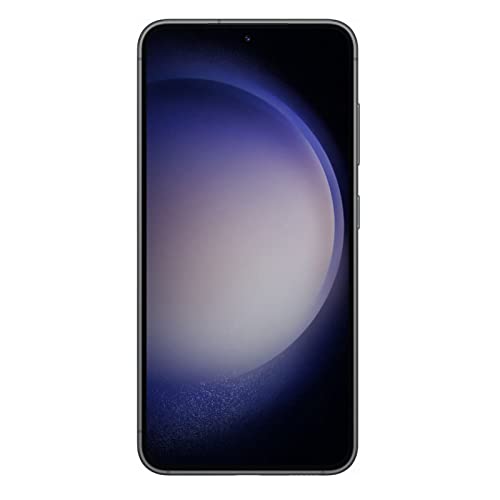
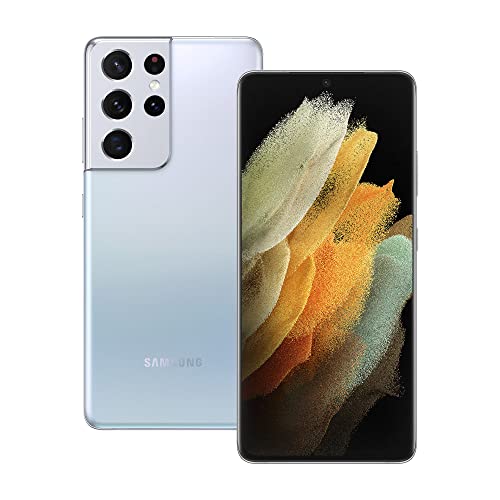
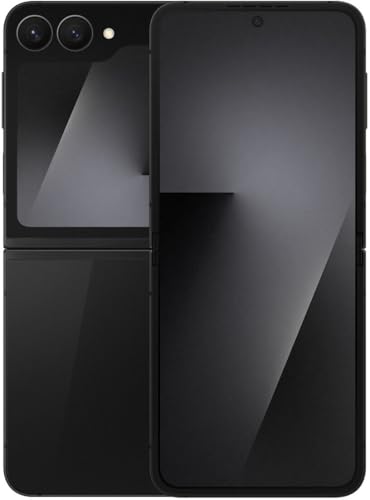
Are Samsung smartphones good?
Samsung smartphones have an average overall score of 8.4, ranking #4 among all smartphone brands, and a user rating of 9.3, placing them at #1 based on user reviews.
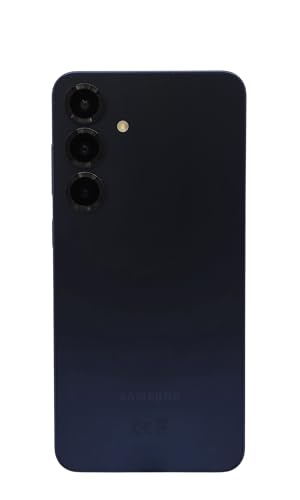
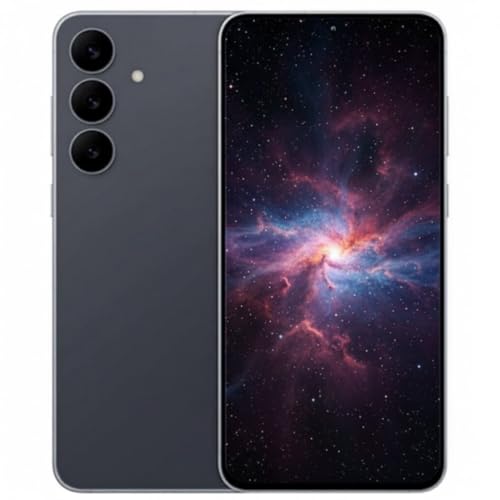
Samsung smartphones are a strong choice if you want a wide range of options, from budget devices to high-end flagships. The brand is known for its Galaxy series, which includes the affordable Galaxy A models and the premium Galaxy S and Galaxy Z foldable lines.
High-end models feature bright AMOLED displays with high refresh rates, powerful processors like the Snapdragon 8 Gen series or Samsung’s Exynos chips, and versatile camera systems with multiple lenses for wide, ultra-wide, and telephoto shots. Software support is among the best in the Android market, with up to four years of major updates and five years of security patches.
Battery life varies across models, but many include fast charging, wireless charging, and large capacities above 4,500 mAh. Storage options can reach 1 TB on some models, and RAM goes up to 12 GB or more in flagship versions. Samsung also integrates its ecosystem features, so if you use Galaxy Buds, tablets, or smartwatches, you get smooth device pairing and extra functionality.
This combination of variety, quality, and long-term support makes Samsung one of the most reliable brands in the smartphone market.
(Note: A total of 37 brands were evaluated in the comparison in the first paragraph. Only those with at least six smartphones in our database that were released after 2022 were included.)
The best currently available Samsung smartphones (with the highest overall score) are as follows:
- Samsung Galaxy S25 Ultra 5G (12GB + 512GB) (Overall score: 8.63)
- Samsung Galaxy S25 Ultra (12GB + 256GB) (Overall score: 8.57)
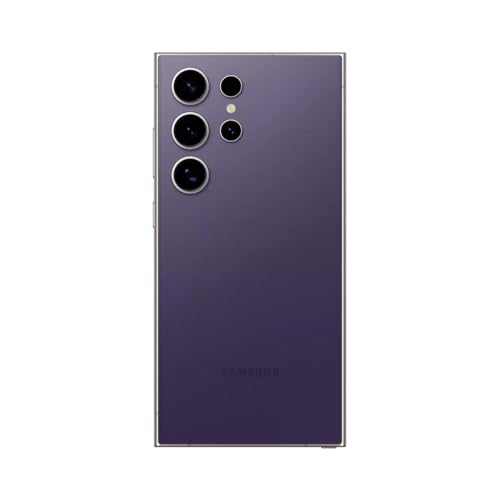
- Samsung Galaxy S24 Ultra (12GB + 512GB) (Overall score: 8.54)
The chart below ranks smartphone brands based on their overall scores.
[horizontal-chart-14855520977915281854131920228859147337322180876303]
What are the main advantages of Samsung smartphones?
The main advantages of Samsung smartphones are as follows.
- Superior AMOLED displays: Samsung equips its smartphones with Super AMOLED screens that deliver vibrant colors and deep blacks (contrast ratio up to 2,000,000:1). These displays support high refresh rates like 120Hz for smooth scrolling and gaming, and they reach peak brightness of 1,750 nits in models such as the Galaxy S23 Ultra. Users experience sharp visuals with QHD+ resolution (3088x1440 pixels), and the screens resist glare in bright outdoor conditions.
- Advanced camera systems: Samsung integrates multi-lens setups with up to 200MP main sensors in flagships like the Galaxy S24, which capture detailed photos in low light via large 1/1.3-inch sensors. Features include 100x Space Zoom for distant shots and 8K video recording at 30fps, and AI enhancements process images to reduce noise and improve clarity. Night mode combines multiple exposures for brighter results, and pro controls allow manual adjustments to ISO and shutter speed.
- Powerful performance: Devices run on Exynos or Snapdragon processors, such as the Snapdragon 8 Gen 3 with up to 3.4GHz clock speeds and 12GB RAM in premium models. They handle multitasking and heavy apps efficiently, scoring over 1,800,000 on AnTuTu benchmarks, and integrated GPUs support ray tracing for realistic gaming graphics. Cooling systems with vapor chambers prevent throttling during extended use, and storage options reach 1TB with UFS 4.0 for fast data access.
- Long battery life: Samsung fits large batteries like 5,000mAh in the Galaxy S series, which last up to 16 hours of video playback or 30 hours of talk time on a single charge. Fast charging at 45W recharges from 0% to 100% in about 60 minutes, and wireless charging at 15W works with compatible pads. Battery optimization software extends life by managing app power usage, and reverse wireless charging shares power with other devices at 4.5W.
- Customizable One UI software: Samsung's One UI overlays Android with user-friendly interfaces that support one-handed navigation and theme customizations via Good Lock app. It includes features like Secure Folder for encrypted data storage and DeX mode for desktop-like experiences when connected to monitors. Regular updates deliver security patches monthly and OS upgrades for up to 7 years, and Bixby assistant handles voice commands for tasks like setting reminders or controlling smart home devices.
- Expandable storage and connectivity: Many models feature microSD slots that support up to 1TB expansion, so users add space for photos and apps beyond internal 512GB options. Connectivity includes 5G with download speeds up to 10Gbps, Wi-Fi 6E for stable connections, and Bluetooth 5.3 for low-latency audio. NFC enables contactless payments, and ultra-wideband (UWB) tracks compatible accessories precisely within 10cm accuracy.
- Durable build quality: Samsung uses Gorilla Glass Victus 2 for scratch resistance (survives drops from 1 meter) and aluminum frames in IP68-rated designs that withstand water submersion up to 1.5 meters for 30 minutes. Foldable models like the Galaxy Z Fold5 employ flexible UTG glass that endures 200,000 folds, and armor aluminum enhances impact protection. Eco-friendly materials include recycled plastics, and repairability scores high with easy access to parts.
What are the main disadvantages of Samsung smartphones?
Samsung smartphones have the following disadvantages.
- Higher prices: Flagship models like the Galaxy S24 Ultra start at £1,200, which exceeds competitors' prices by £170-£255 for similar specs. Mid-range options such as the Galaxy A series cost £255-£425 yet lack premium features, and accessories like cases add £45 or more. Global pricing varies, and promotions rarely drop costs below £850 for top-tier devices.
- Software bloatware: Pre-installed apps from Samsung and partners consume up to 20GB of storage and run in the background, which slows boot times by 10-15 seconds. Users must manually uninstall or disable them, and some apps duplicate Google services like calendars or browsers. Carrier versions include extra bloat that affects performance, and ads appear in system apps occasionally.
- Inconsistent update speeds: While flagships receive 7 years of support, budget models get only 4 years, and rollout delays can last 2-3 months after announcements. Regional differences mean some countries wait longer for features, and beta programs limit access to new Android versions. Security patches arrive irregularly for older devices, and not all models support seamless updates without reboots.
- Heavier designs: Premium phones weigh 200-250 grams due to large batteries and glass builds, which cause hand fatigue during prolonged use. Foldables like the Z Flip5 at 187 grams feel bulky when closed, and thick cases add 50 grams more. Balance issues arise in larger screens over 6.8 inches, and they fit poorly in small pockets.
- Limited color options: Some models offer only 4-5 colors per region, such as black, white, green, and violet, while exclusive shades remain online-only or carrier-specific. Customization lacks in basic variants, and matte finishes attract fingerprints more than glossy ones. Global availability restricts rare colors like lavender to certain markets, and stock shortages occur frequently.
- Occasional overheating: Intensive tasks like 4K video editing or gaming cause temperatures to rise to 45°C, which triggers performance throttling after 20-30 minutes. Processors generate heat in hot environments, and cooling is less effective in slim designs. Users notice frame warmth during charging, and prolonged exposure reduces battery longevity over time.
Who makes Samsung smartphones?
Samsung Electronics Co., Ltd., a South Korean multinational company, makes Samsung smartphones. The company designs and manufactures these devices through a global network of facilities, with the primary design studio located in Seoul, South Korea, where engineers create the initial concepts and designs for your Samsung phone.
Most Samsung smartphones that you use are actually manufactured in Vietnam, not in South Korea as many people assume. Samsung's manufacturing facility in Vietnam's Thai Nguyen province houses six factories that produce over 100 million smartphones, tablets, and wearable devices annually. Nearly half of Samsung's smartphones come from Vietnam and get exported to 128 countries worldwide.
If you live in North America or Europe, your Samsung phone was most likely assembled in Vietnam. Samsung has invested over $17.3 billion in Vietnam between 2008 and 2018, which shows the country's central role in Samsung's production strategy.
How popular are Samsung smartphones worldwide?
Samsung smartphones are extremely popular worldwide and currently hold the top position in the global smartphone market with approximately 19-20% market share as of 2025. The South Korean tech giant ships around 223-260 million smartphones annually and serves over 1 billion users globally, which represents about 14% of all smartphone users worldwide.
Samsung consistently competes with Apple for market leadership, and together these two brands control over 51% of the entire global smartphone market.
What are the main Samsung smartphone series?
The main Samsung smartphone series are as follows.
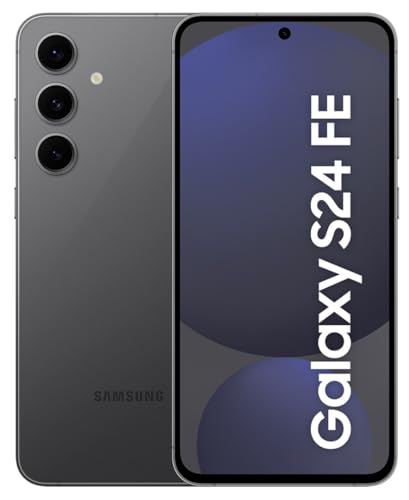
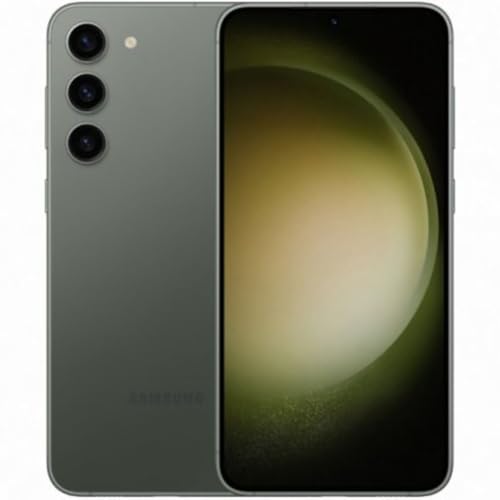
- Galaxy S Series: This is the flagship slab-phone line. You get top-tier processors, high-refresh Dynamic AMOLED 2X displays, advanced multi-camera systems, long OS/security support, and premium materials like Armor Aluminum and Gorilla Glass. Models include base, Plus, Ultra, and FE variants for different performance and camera tiers.
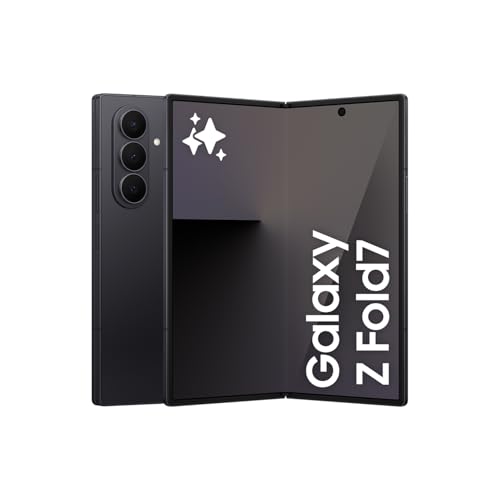
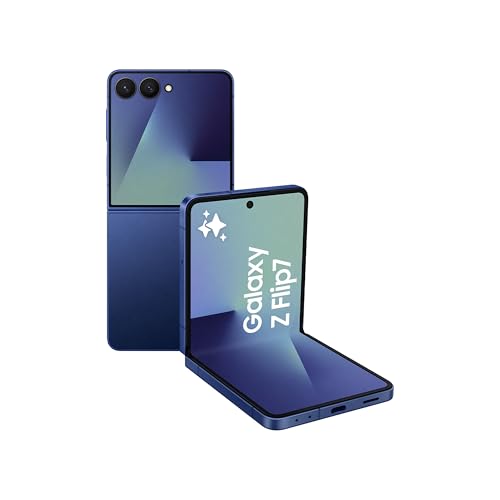
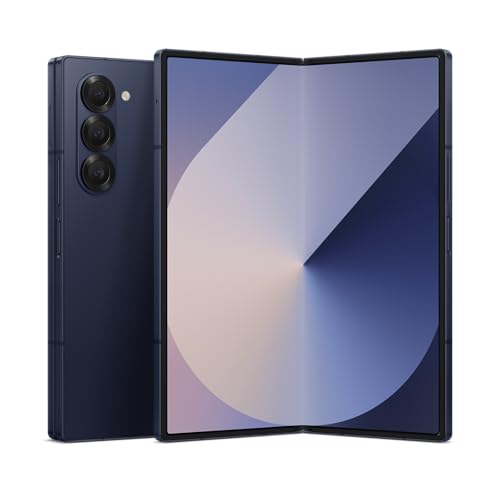
- Galaxy Z Series: This is the foldable line with two formats: Fold (book-style) and Flip (clamshell). You get flexible OLED displays, hinge durability upgrades, multitasking features, and premium-tier specs aligned with Samsung’s flagships, with recent additions like Z Flip FE to lower entry cost. Current models include Z Fold7 and Z Flip7, which push slimmer designs, brighter screens, and AI features.
- Galaxy A Series: This is the mid-range to budget line. You get 5G on many models, Super AMOLED screens on core tiers, large batteries, and multi-year updates, with the A5x as the mainstream sweet spot and A3x/A1x for lower price bands. It targets value buyers who want modern features without flagship pricing.
- Galaxy M Series: This is a budget-focused line that prioritizes large batteries and online-first distribution in many markets. You get core features close to lower A-series tiers but at sharper prices and with region-focused availability. It suits users who want long battery life and basic performance on a tight budget.
- Galaxy F Series: This is a market-specific budget/mid-range line, similar to M/A hybrids, primarily in developing markets. You get value-oriented specs, big batteries, and models tuned for regional channels and pricing strategies. It overlaps feature-wise with M and lower A tiers but stays country-specific.
- Galaxy XCover Series: This is the rugged line for field work and enterprise. You get MIL-STD-grade durability, IP68, programmable keys, removable batteries on select models, and pared-back but reliable specs for harsh environments and barcode/enterprise use cases. It targets durability and uptime over camera or design flair.
The best currently available Samsung Galaxy S series smartphones (with the highest overall score) are as follows:
- Samsung Galaxy S25 Ultra 5G (12GB + 512GB) (Overall score: 8.63)
- Samsung Galaxy S25 Ultra (12GB + 256GB) (Overall score: 8.57)
The best currently available Samsung Galaxy A series smartphones (with the highest overall score) are as follows:
- Samsung Galaxy A56 5G (8GB + 256GB) (Overall score: 7.36)
- Samsung Galaxy A55 5G (8GB + 256GB) (Overall score: 7.14)
The following Samsung Galaxy M series smartphones currently available received the highest overall scores:Samsung Galaxy M55s (8GB + 256GB) (Overall score: 7.15)
- Samsung Galaxy M35 5G (6GB + 128GB) (Overall score: 7.15)
The best currently available Samsung Galaxy Z series smartphones (with the highest overall score) are as follows:
- Samsung Galaxy Z Fold 7 (16GB + 1TB) (Overall score: 8.49)
- Samsung Galaxy Z Flip 7 (12GB + 512GB) (Overall score: 8.2)
How much do Samsung smartphone costs?
Samsung smartphone costs vary from about £130 for basic models to over £1,600 for the latest premium devices.
Entry-level Galaxy A series phones start at around £130 and give you basic features for everyday use. Mid-range models like the Galaxy A5x or A7x series usually cost between £260 and £430, so you get better performance, more storage, and higher-quality cameras. Premium Galaxy S series devices start from about £700 and can reach £1,200 for the latest flagship with top-tier specifications.
If you want the most advanced technology, Samsung’s foldable Galaxy Z series comes at a higher price. The Galaxy Z Flip models usually start near £1,100, while the Galaxy Z Fold versions can cost from £1,600 to well over £1,700, depending on storage and configuration.
Electrolux tumble dryers have an average cost of £230 €, ranking #18 in terms of price among smartphone brands (from least to most expensive), with an average quality-price ratio score of 8, positioning them at #11.
(Note: A total of 37 brands were evaluated in the comparison. Only those with at least 6 smartphones in our database that were released after 2022 were included.)
How do Samsung smartphones compare to Apple models?
Samsung smartphones compare to Apple models in the following ways:
- Hardware and displays: Samsung pushes brighter and sharper screens on flagships (e.g., Galaxy S24 Ultra 6.8-inch, 120Hz, up to 2,600 nits, ~501ppi) while iPhone 15 Pro Max uses a 6.7-inch 120Hz panel at up to 2,000 nits and ~460ppi; both look excellent, but Samsung’s panel runs brighter and sharper on paper.
- Performance and RAM: Apple’s A-series chips stay very fast, but Galaxy S24 Ultra pairs Snapdragon 8 Gen 3 with 12GB RAM for stronger multitasking headroom versus 8GB on the iPhone 15 Pro Max, which can help when you keep many apps open.
- Cameras and video: Galaxy S24 Ultra uses a quad array with 200MP main and dedicated 3x and 5x periscope zooms for flexible telephoto reach, while iPhone 15 Pro Max uses a 48MP main with a 5x telephoto; iPhone still shines in video quality and social media consistency, and Samsung gives more zoom versatility and feature depth.
- Battery and charging: Galaxy S24 Ultra lists 5,000mAh and up to 45W wired charging (15W wireless), while iPhone 15 Pro Max uses a 4,422mAh pack and 20W wired (15W MagSafe); Samsung tends to charge faster and packs larger cells, and iPhone often posts strong endurance in video and gaming tests.
- Software and updates: Samsung commits up to 7 years of OS and security updates on recent flagships like S24/S25, while Apple typically supports iPhones 5+ years; Samsung leans into Galaxy AI features and Gemini integration, and Apple rolls out Apple Intelligence across devices at a slower pace so far.
- Biometrics and ecosystem: Samsung uses ultrasonic fingerprint plus face unlock and supports S Pen on Ultra, and Apple uses Face ID with a deep iOS ecosystem (Continuity, AirPlay, and accessories integration) that feels seamless if you use Mac or Apple TV.
- Price and value: Recent Galaxy and iPhone flagships sit in the top tier and prices vary by storage and region; S24 Ultra launched at a higher starting price than iPhone 15 Pro Max in the US context, and mid-year cycles can shift value as new iPhones arrive.
What should you consider while choosing the best Samsung smartphone?
To choose the best Samsung smartphone for you, consider the following factors:
- Processor: The chipset determines how fast your phone runs and handles complex tasks. Samsung's 2025 flagship models use the Snapdragon 8 Elite for Galaxy, which delivers exceptional performance that rivals Apple's chips and handles demanding games with ray tracing optimization. Mid-range Galaxy A series phones use Samsung's Exynos processors, which work well for everyday tasks but lack the power for intensive gaming or professional work.
- RAM: Memory affects multitasking capability and file storage needs. Flagship Galaxy S25 models include 12GB RAM as standard, with the Ultra offering up to 16GB for heavy multitasking. Storage starts at 128GB for basic models and goes up to 1TB for premium versions, with no expandable storage on flagship models. Budget Galaxy A phones typically offer 4-8GB RAM and 128GB storage with microSD expansion slots.
- Camera: Photography needs determine which camera setup suits you best. The Galaxy S25 Ultra features a 200MP main camera with dual telephoto lenses (3x and 5x optical zoom) plus a 50MP ultra-wide camera. Standard S25 models have 50MP main cameras with single 3x telephoto lenses, while budget A series phones use simpler camera arrays with macro lenses instead of telephoto zoom.
- Battery: Power capacity affects daily usage duration and charging frequency. The S25 Ultra packs a 5,000mAh battery with up to 31 hours video playback, while smaller models have 4,000-4,900mAh batteries lasting 29-30 hours. Budget phones often exceed flagship battery life due to less power-hungry processors. Fast charging ranges from 25W on basic models to 45W on Plus and Ultra versions.
- Display: Screen size and technology impact viewing experience and portability. Samsung offers 6.2-inch displays on compact S25 models, 6.7-inch screens on Plus versions, and massive 6.9-inch displays on Ultra phones. All flagship models feature Dynamic AMOLED 2X panels with 2600 nits brightness and adaptive 120Hz refresh rates, while budget phones use standard AMOLED or LCD screens with lower refresh rates.
- Durability: Construction quality affects longevity and premium feel. Ultra models use lightweight titanium frames with Gorilla Armor 2 glass, while standard phones have aluminum frames. All flagship models include IP68 water resistance, whereas budget phones may have lower IP ratings or no water protection.
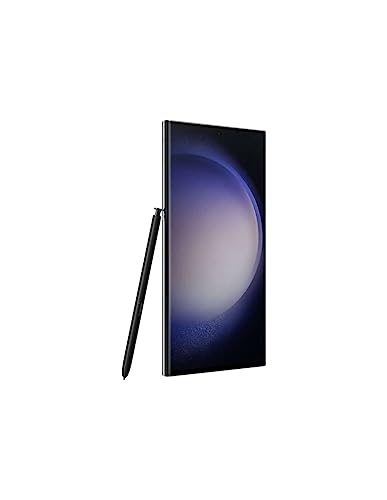
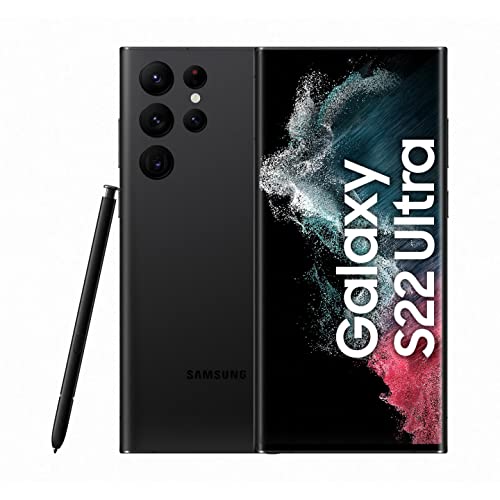
- Features: Additional capabilities can influence your choice significantly. The S25 Ultra includes an integrated S Pen stylus for note-taking and drawing, Galaxy AI features for real-time translation and photo editing, and advanced ProScaler display technology. Foldable Z series phones offer unique form factors with dual screens but cost significantly more.