What are the best air conditioner brands of 2026?
The best air conditioner brands by average overall score are as follows.
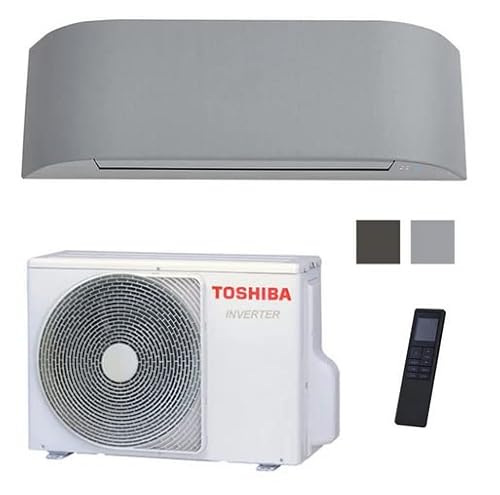
- Toshiba (Average overall score: 8.1)
- Midea (Average overall score: 8)
- Belvit AUX (Average overall score: 7.8)
The chart below ranks air conditioner brands by average overall score.
[horizontal-chart-02091848060949822799000391890726507063992420931624]
Which air conditioner brands have the highest user ratings?
The air conditioner brands with the highest user ratings are as follows.
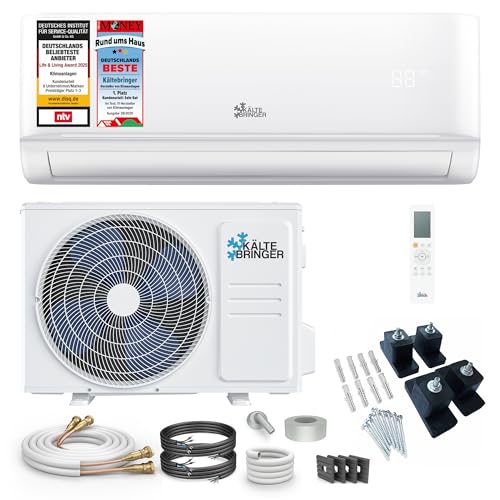
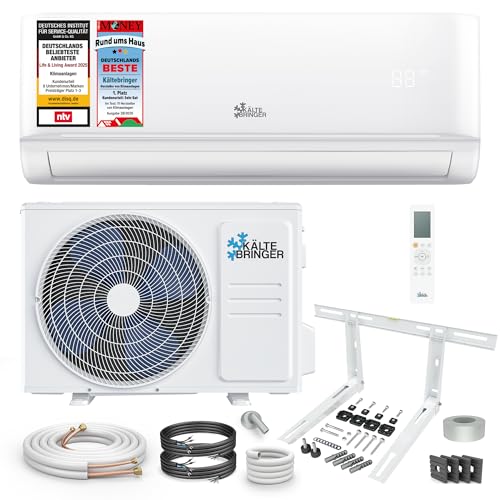
- Kältebringer (Average user rating: 9.3)
- Samsung (Average user rating: 9.2)
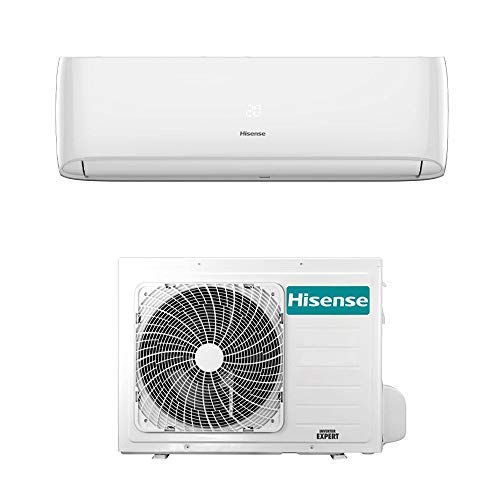
- Hisense (Average user rating: 9.2)
The chart below compares air conditioner brands by average user rating.
[horizontal-chart-01471704036463229126019325644596483358900609871987]
Which air conditioner brands offer the best value for money?
The air conditioner brands offering the best value for money are as follows.
- Midea (Average ratio quality-price score: 8.1)
- Olimpia Splendid (Average ratio quality-price score: 7.7)
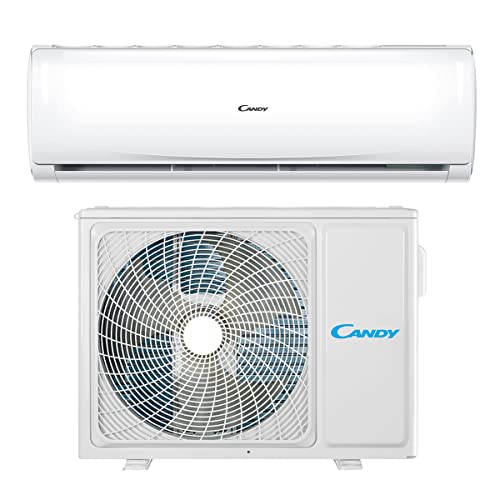
- Candy (Average ratio quality-price score: 7.6)
The chart below compares air conditioner brands by average quality-price ratio.
[horizontal-chart-07089771368796105592072080027426769492670550344298]
How much do the best air conditioners cost?
The best air conditioners generally cost about £220-£1,500. A portable or basic split model can sit near the lower end, while a quiet, efficient wall-mounted unit with installation-friendly controls commonly falls around £400-£1,000.
At roughly £220-£430, expect compromises in sound, efficiency, app control, or heating performance. Models around £500-£1,000 more often combine inverter control, A++ or A+++ cooling, useful night modes, and better indoor-unit acoustics. Multi-split systems and premium designer units cost more because one outdoor unit serves several rooms or because the casing, filtration, and control hardware are more advanced.
Installation can add a substantial amount to the purchase, especially when pipe runs are long, walls are difficult to access, or several indoor units are required. Compare the complete installed price, electrical work, drainage, warranty, and commissioning rather than choosing on the appliance price alone.
The chart below shows the new-product price distribution for air conditioners.
[vertical-chart-11166598934678805773013519275598275024281058693302]
What cooling capacity do the best air conditioners have?
The best air conditioners commonly provide about 2.5–10.5 kW of cooling capacity, but the right figure depends on room area, insulation, glazing, sunlight, ceiling height, and internal heat. A compact bedroom or office often needs around 2.5–3.5 kW, while a large living area or several zones may need 4–7 kW or more.
Treat systems above 8 kW as high-load or multi-zone solutions rather than automatically better choices for a small room. Check nominal output, minimum modulation, airflow, and whether the advertised capacity is shared across several indoor units; a correctly matched smaller system can be quieter and control humidity more evenly.
The chart below compares air conditioners by cooling capacity.
[vertical-chart-11832920536382241678129396404844579185300283454967]
What room size can the best air conditioners cool?
The best air conditioners can cool rooms from roughly 24 m² to 120 m², but the published area is only a starting point. A sunny top-floor room, open-plan layout, weak insulation, or high occupancy can require more capacity than the same floor area in a shaded, well-insulated room.
As a practical guide, 2.5–3.5 kW often suits a single bedroom or office, about 4–5.5 kW covers a larger living space, and 7 kW or more is more appropriate for a high-load area or several zones. Treat a multi-split area figure carefully: it may describe the combined served space, not one indoor unit.
Ask the installer to check heat load, pipe length, outdoor-unit position, and airflow path. Matching the unit to the real load improves comfort, reduces short cycling, and avoids paying for capacity that cannot be used effectively.
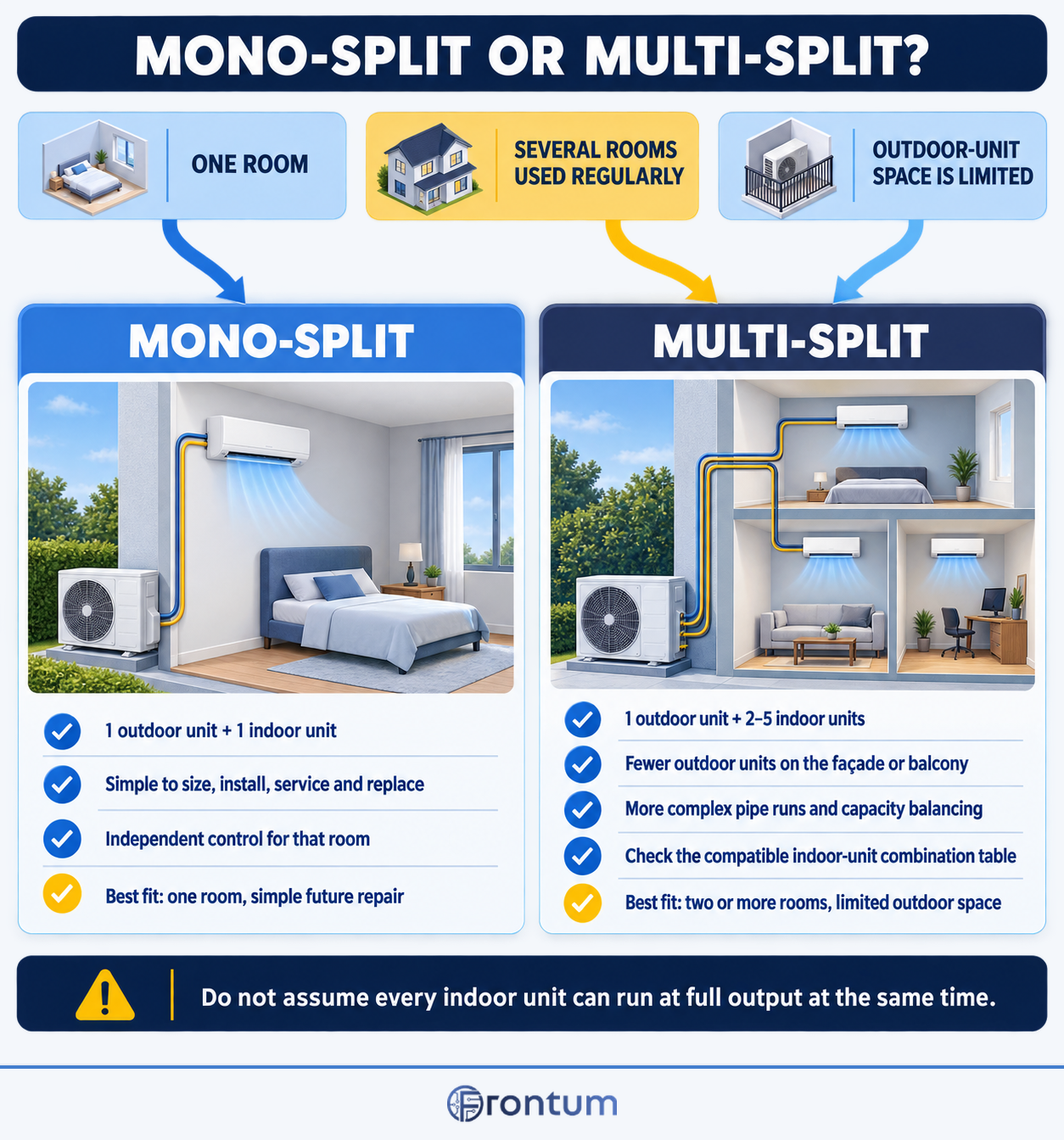
Are mono-split or multi-split air conditioners better?
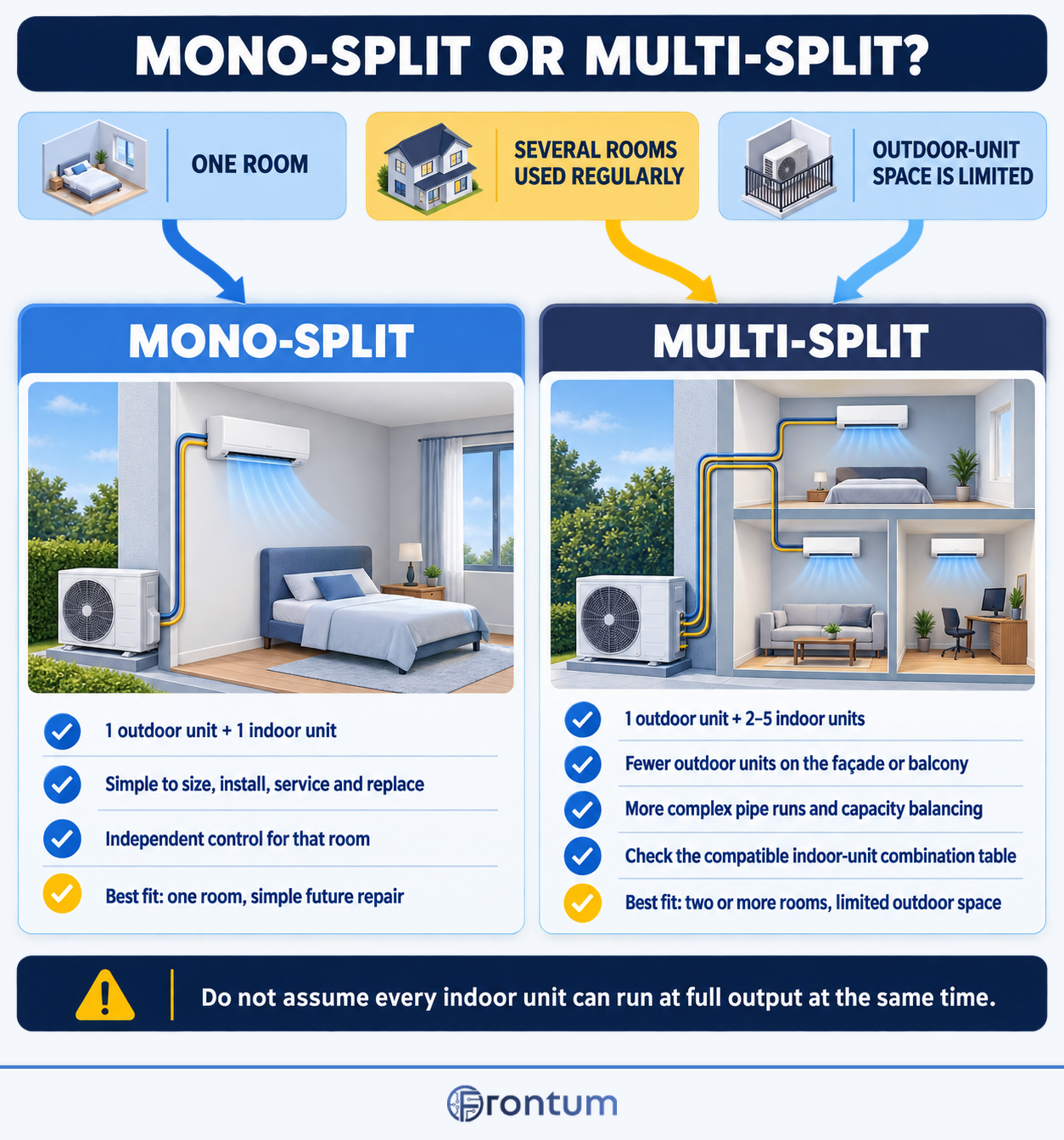
Mono-split air conditioners are better for one room, while multi-split systems are better when several rooms need coordinated cooling from one outdoor unit. The better design is the one that matches the number of zones and the available installation space.
A mono-split pairs one outdoor unit with one indoor unit, so it is simpler to size, install, service, and replace. It also gives that room independent control. Dual- and multi-split systems reduce the number of outdoor units and can keep a façade or balcony clearer, but they require more complex pipe runs, careful capacity balancing, and a compatible indoor-unit combination.
Choose multi-split when two or more rooms are used regularly and outdoor-unit space is limited. Choose mono-split when only one room matters, independent redundancy is valuable, or you want the easiest future repair. Do not assume every indoor unit can run at full output simultaneously; verify the combination table and heating/cooling operating limits.
How energy-efficient are the best air conditioners?
The best air conditioners use inverter compressors and seasonal efficiency ratings to reduce output as the room approaches its target temperature. A+++ and A++ cooling classes are strong starting points, but SEER is more useful for comparing seasonal cooling performance than the class alone.
Running cost still depends on sizing, filters, outdoor airflow, set temperature, and how several indoor units share one compressor. Check SCOP separately for heating, then compare standby use and the complete installation; frequent users can justify a more efficient model, while occasional cooling may favour simpler equipment.
How quiet are the best air conditioners?
The best air conditioners can be quiet enough for bedrooms, with published indoor sound-power figures often around 40–50 dB in quieter models and higher figures under maximum airflow. Compare sound power with sound pressure and check the exact operating mode; the two numbers are not interchangeable.
Night mode usually lowers fan speed and compressor output, while adjustable airflow can keep the unit from blowing directly at the bed or desk. A quiet indoor unit can still feel loud if the wall transmits vibration, the outdoor unit resonates against a balcony, or airflow creates a tonal noise.
For a bedroom, prefer a documented low-speed figure near the lower end of the range, a stable night mode, and an installer who can isolate vibration and route condensate correctly. Never compare only the headline minimum if one model reaches a much higher maximum sound level in normal cooling.
Which comfort and smart features do the best air conditioners have?
The most useful comfort and smart features in an air conditioner are as follows.
- Inverter control: Variable-speed operation reduces repeated on/off cycling and helps hold a steadier temperature; its benefit is greatest during long cooling or heating sessions.
- Dehumidification mode: A dry mode can remove moisture with reduced cooling, but it is not a substitute for correct ventilation or a dedicated dehumidifier in a persistently damp room.
- Night and quiet modes: These lower fan or compressor output and may dim indicators, but check whether the reduced airflow still maintains comfort in the room.
- Adjustable louvers: Independent vertical or horizontal airflow helps distribute cool air without blowing directly onto people; verify the adjustment range rather than assuming full automatic swing.
- Self-cleaning and filters: Dust, carbon, HEPA, or anti-mould features can improve air handling, but filters still need cleaning and specialist parts may cost more.
- Wi-Fi and voice control: Remote scheduling is useful before arriving home, while voice control depends on the official app, cloud service, and supported smart-home platform.