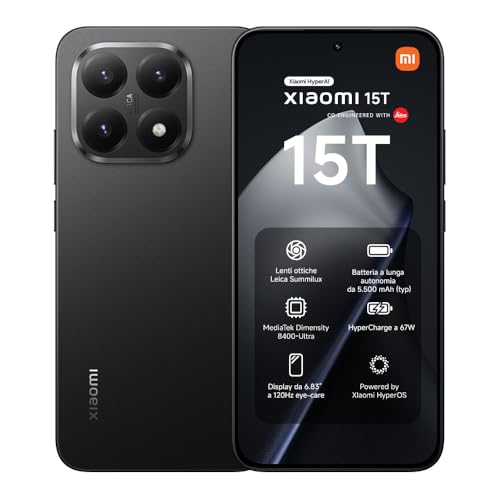
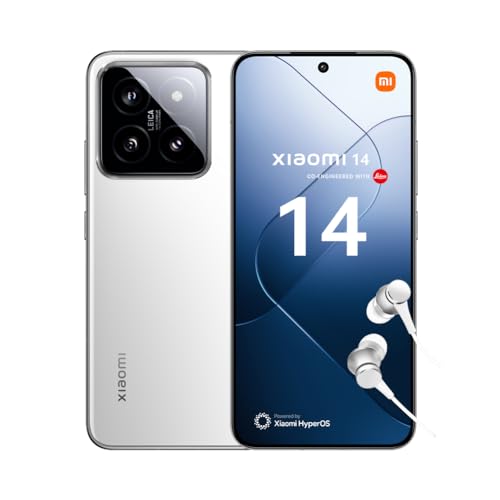
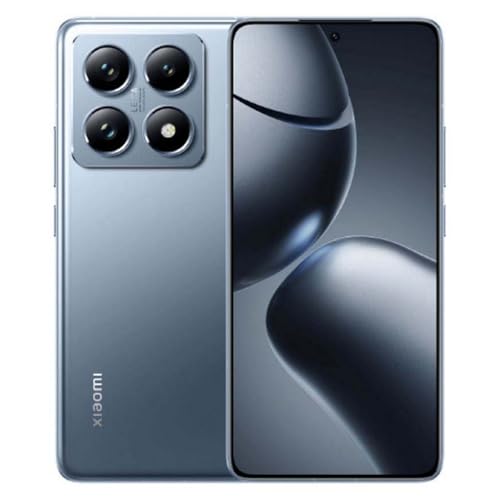
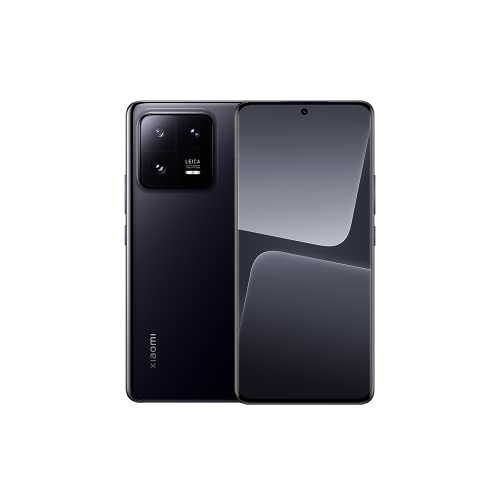
Are Xiaomi smartphones good?
Xiaomi smartphones have an average overall score of 8.6, ranking #1 among all smartphone brands, and a user rating of 9.2, placing them at #2 based on user reviews.
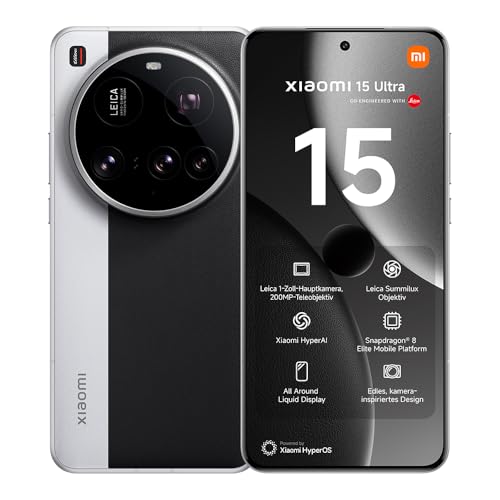
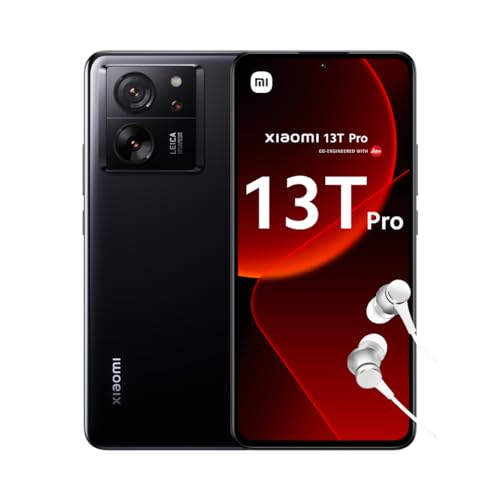
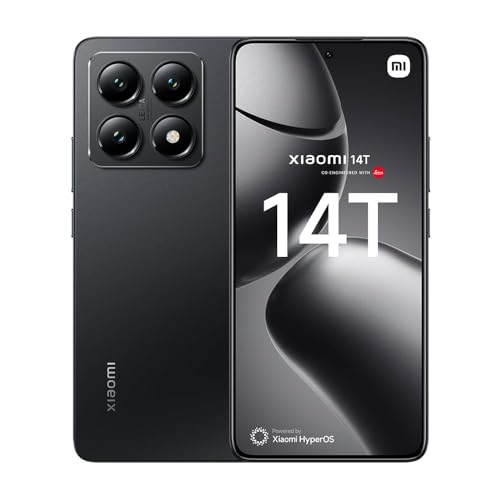
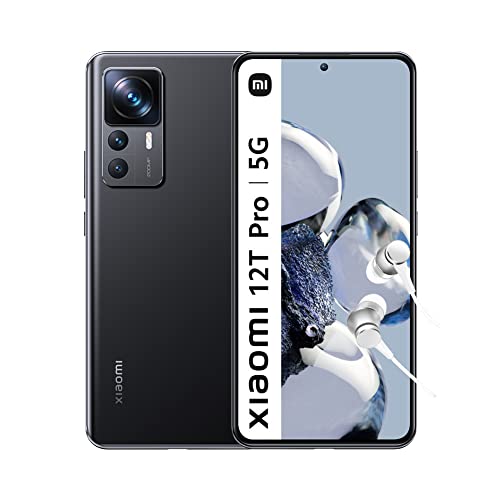
Xiaomi smartphones generally offer excellent value across performance, features, and price—especially when compared to more premium brands. Many recent models such as the Xiaomi 15 Ultra deliver cutting-edge specs like Snapdragon 8 Elite processors and Leica‑enhanced cameras, earning acclaim for standout photography and powerful hardware. The Xiaomi 14T Pro, for instance, merges flagship-level performance with affordability: highlights include a 144 Hz OLED display, durable build, robust battery, and Leica-tuned camera—though a few compromises may be present.
However, software remains a common concern across the user community. The HyperOS (formerly MIUI) interface draws criticism for including bloatware, excessive ads, and distracting notifications, which can negatively impact the experience despite strong hardware. On the bright side, Xiaomi has demonstrated responsiveness—rolling out frequent HyperOS 2 updates to fix bugs like Bluetooth issues, performance glitches, and random restarts.
(Note: A total of 37 brands were evaluated in the comparison in the first paragraph. Only those with at least 6 smartphones in our database that were released after 2022 were included.)
The best available Xiaomi smartphones (with the highest overall score) are as follows:
- Xiaomi 15 Ultra (16GB + 512GB) (Overall score: 9.05)
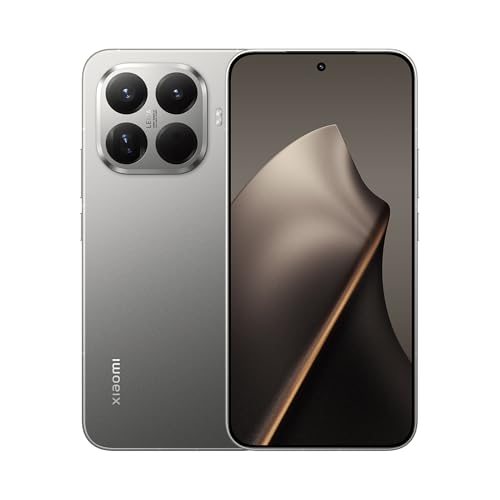
- Xiaomi 15T Pro (12GB + 1TB) (Overall score: 8.96)
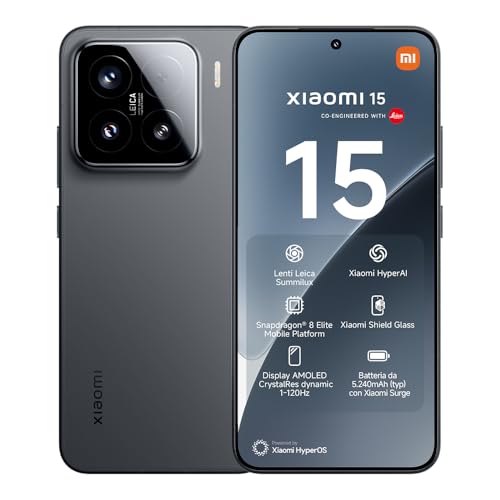
- Xiaomi 15 (12GB + 512GB) (Overall score: 8.78)
The chart below ranks smartphone brands based on their overall scores.
[horizontal-chart-14855520977915281854131920228859147337322180876303]
What are the main advantages of Xiaomi smartphones?
The main advantages of Xiaomi smartphones are as follows:
- Affordable pricing: Xiaomi sells high-spec devices at low costs, and models like the Redmi Note 13 Pro include a 200MP camera, 120Hz AMOLED display, and Snapdragon 7s Gen 2 processor for around £220. Users get premium features without high expenses, and this strategy targets budget-conscious buyers who want value. Many competitors charge £430 or more for similar specs.
- Long battery life: Xiaomi phones often have large 5000mAh or 6000mAh batteries, and the Poco X6 Pro lasts up to two days on moderate use with its efficient Dimensity 8300-Ultra chip. Fast charging reaches 100% in under 30 minutes on some models, and users experience minimal drain during gaming or streaming. This suits heavy users who need reliable power throughout the day.
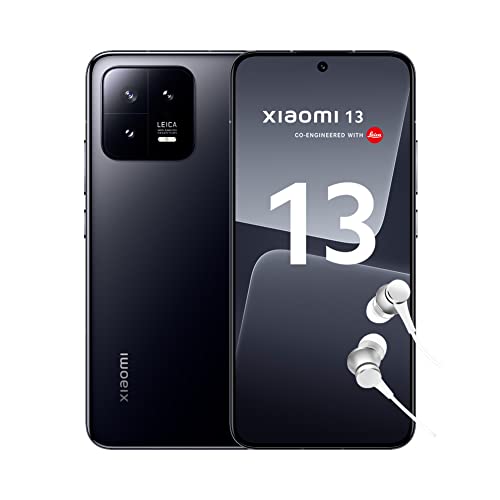
- Powerful performance: Xiaomi equips devices with strong processors like the Snapdragon 8 Gen 2 in the Xiaomi 13 series, and they handle multitasking with 12GB RAM and score over 1 million on AnTuTu benchmarks. Gamers run titles like Genshin Impact at high settings smoothly, and the phones manage heat well during extended sessions. This delivers flagship speed at mid-range prices.
- Feature-rich software: MIUI on Xiaomi phones includes customizable themes, second space for privacy, and built-in app cloning, and users tweak interfaces with over 1000 free themes from the store. The system receives quarterly security updates, and it integrates AI tools for photo editing. This enhances user control and personalization.
- Impressive camera systems: Xiaomi uses multi-lens setups with up to 108MP sensors in models like the Mi 11 Ultra, and they capture detailed photos in low light with OIS and AI enhancements. Video recording supports 8K at 30fps, and features like night mode produce clear images with minimal noise. Enthusiasts edit shots directly in the app for professional results.
- Expandable storage and connectivity: Many Xiaomi phones support microSD cards up to 1TB, and the Redmi K70 includes this alongside 5G, Wi-Fi 6E, and Bluetooth 5.3 for fast connections. Users store large media libraries without cloud reliance, and the devices pair quickly with accessories. This flexibility aids in data management and future-proofing.
- Durable build: Xiaomi incorporates Gorilla Glass Victus on flagships like the Xiaomi 14, and IP68 ratings protect against water and dust immersion up to 1.5 meters for 30 minutes. The aluminum frames resist bends and scratches, and some models survive drops from 1.5 meters. This reliability extends device lifespan in daily use.
What are the main disadvantages of Xiaomi smartphones?
The main disadvantages of Xiaomi smartphones include the following:
- Ads in software: MIUI displays frequent ads in system apps and notifications, and users see promotions during setup or in the browser. This interrupts the experience, and disabling them requires manual tweaks in settings. Many find it intrusive compared to cleaner interfaces on other brands.
- Inconsistent software updates: Xiaomi provides only 2-3 years of major Android updates for mid-range models, and flagships get up to 4 years, but rollout delays occur. Bugs persist in early versions, and older devices lose support quickly. This affects long-term security and features.
- Bloatware presence: Pre-installed apps like third-party games and tools clutter the home screen, and users uninstall them individually. This consumes storage, with some models starting at 10-15 unnecessary apps. It slows initial setup and frustrates minimalists.
- Average build quality: Xiaomi uses plastic frames on budget lines like Redmi 12, and they feel less premium than metal or glass on rivals. Haptics vibrate weakly, and colors fade over time. This impacts perceived value despite functionality.
- Overheating issues: Intensive tasks cause throttling on models like the Poco F5, and temperatures reach 45°C during gaming. Fans notice performance drops after 30 minutes, and no built-in cooling in entry-level phones. This limits extended high-demand use.
- Limited global availability: Some advanced models stay exclusive to China, and international versions lack features like certain 5G bands. Warranty support varies by region, and repairs take longer outside Asia. Users in remote areas face stock shortages.
Who makes Xiaomi smartphones?
Xiaomi Corporation manufactures Xiaomi smartphones. The company operates as a Chinese multinational technology firm, and it ranks as the second-largest smartphone producer globally with a 12% market share in 2024. Engineers design and assemble these devices primarily in facilities across China, India, Indonesia, and Vietnam, where automated production lines handle tasks like component integration and quality testing.
In 2024, Xiaomi opened a fully autonomous smart factory in Beijing, and this plant produces up to 60 smartphones per minute while operating 24 hours daily with minimal human involvement.
What are the main Xiaomi smartphone series?
The main Xiaomi smartphone series are as follows:
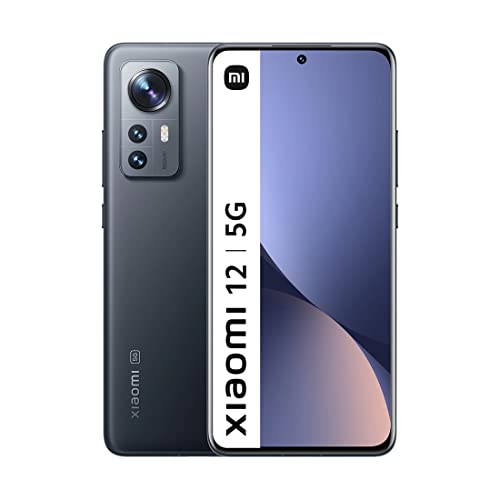
- Xiaomi numbered series (formerly Mi): Flagship line with top-tier chipsets, premium cameras with Leica co-engineering on recent models, and advanced displays; includes sub-lines like T/T Pro for high-end value and Ultra for peak imaging hardware.
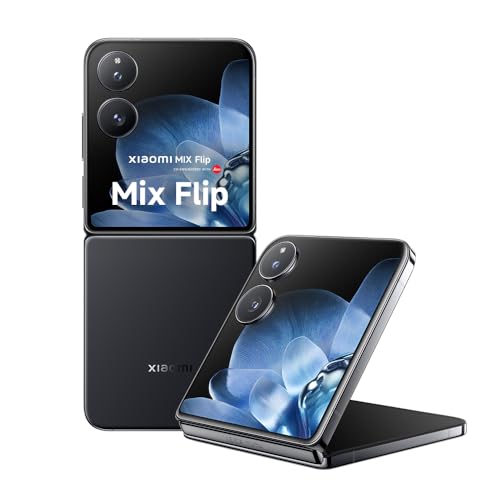
- MIX series: Experimental and premium design line that features foldables (Mix Fold) and clamshell foldables (MIX Flip) with cutting-edge displays and hinge engineering, plus high-end performance and cameras.
- Redmi series: Budget and lower-midrange phones that focus on essential performance and strong battery life, with Redmi Note positioned as upper-midrange with larger displays, faster charging, and better cameras than base Redmi.
- POCO series: Performance-focused midrange sub-brand that targets high SoC performance per euro, often using flagship-class or near-flagship chipsets at aggressive prices, with gaming-leaning tuning on select models.
- Civi series: Style and selfie-focused line sold mainly in China and select markets, with slim/light designs, OLED displays, and front-camera features; sits between midrange and upper-midrange tiers.
- Black Shark series: Gaming-focused brand associated with Xiaomi that emphasizes high refresh-rate displays, advanced cooling, shoulder triggers, and performance features tailored for mobile gaming.
The best available Xiaomi MIX series smartphones (with the highest overall score) are as follows:
- Xiaomi Mix Flip (12GB + 512GB) (Overall score: 8.13)
- Xiaomi Mix Fold 4 (16GB + 1024GB) (Overall score: 8.74)
The following Xiaomi Redmi series smartphones currently available received the highest overall scores:
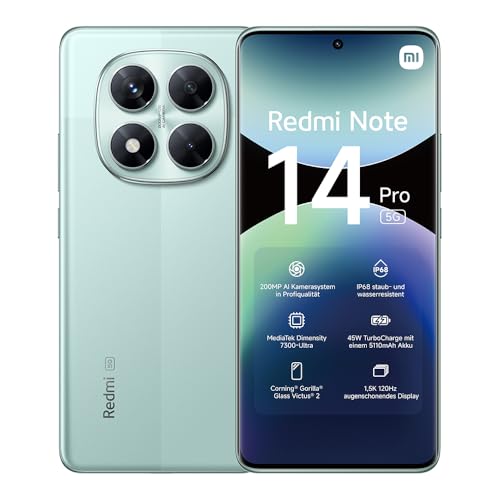
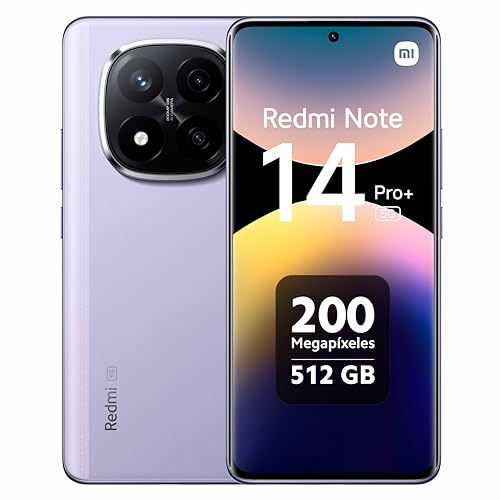
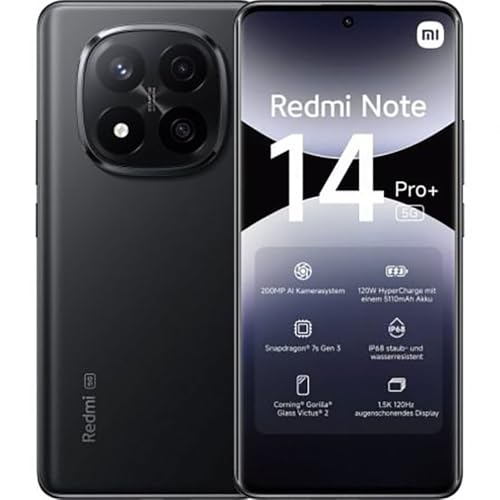
- Xiaomi Redmi Note 14 Pro 5G Global (12GB + 512GB) (Overall score: 7.95)
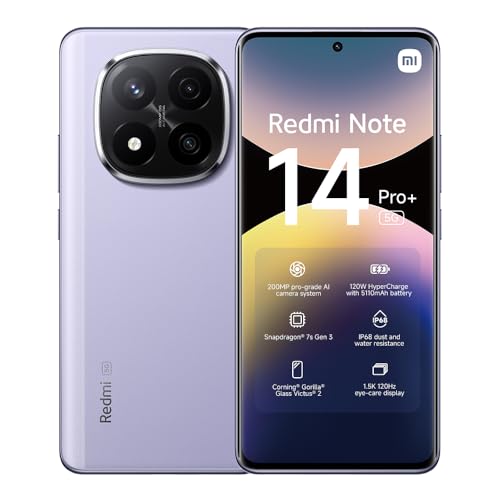
- Xiaomi Redmi Note 14 Pro+ Plus 5G (8GB + 256GB) (Overall score: 7.9)
How much do Xiaomi smartphone costs?
Xiaomi smartphone costs span a wide range, so the price depends on the series and configuration. Entry-level Redmi models start near £110 to £160 in many markets, mid-range Redmi Note and Xiaomi T-series typically sit around £220 to £430, and flagship Xiaomi 14/15 families usually land between £800 and £1,300 depending on storage and local taxes.
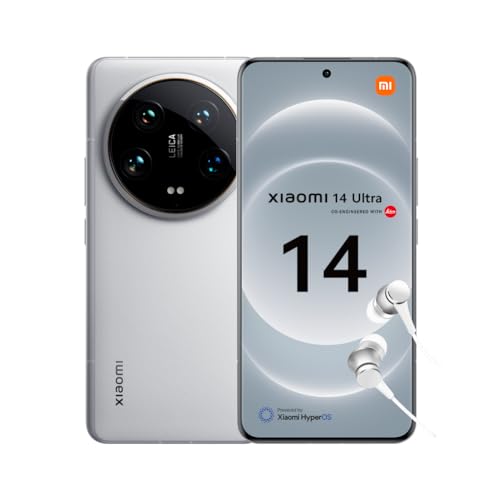
In Europe, the compact flagship Xiaomi 14 launched at £850 for 12/256GB and £950 for 12/512GB, and the 14 Ultra often lists near £1,300 at launch in many EU stores.
The average price of Xiaomi smartphones is £255 €, placing them #22 among smartphone brands (from cheapest to most expensive), and their average quality-price ratio score of 8.6 puts them in position #1.
(Note: Only brands with at least 6 smartphones in our database, released after 2022, were included.)
What should you consider while choosing the best Xiaomi smartphone?
When choosing the best Xiaomi smartphone for you, consider the following factors:
- Performance: The processor determines how fast your phone operates and handles multiple applications. Xiaomi's flagship models feature Snapdragon 8 Elite chipsets (like the Xiaomi 15 series), while mid-range options use MediaTek Dimensity processors (such as the 14T Pro with Dimensity 9300 Plus). Budget models include Dimensity 8400 Ultra processors which still deliver excellent performance for most tasks.
- Memory: RAM affects multitasking speed while storage determines how much content you can store. Flagship models come with 12GB or 16GB RAM and up to 1TB storage. The Xiaomi 15 Ultra includes 16GB RAM which exceeds most competitors. Mid-range phones typically feature 8GB to 12GB RAM with 256GB to 512GB storage options, while budget models start at 8GB RAM with 128GB storage.
- Camera: Camera specifications vary significantly across Xiaomi's lineup and determine photo quality. The Xiaomi 15 Ultra features a massive 200MP periscope camera with Leica branding plus three 50MP sensors for main, telephoto, and wide shots. Standard models include 50MP main cameras with additional ultra-wide and telephoto lenses. Budget phones focus on a primary 50MP sensor with basic secondary cameras.
- Battery: Battery capacity and charging speed affect daily usage duration and convenience. Most Xiaomi phones include 5,000mAh to 6,000mAh batteries with fast charging capabilities. The Poco X7 Pro delivers two days of casual use from its 6,000mAh battery. Premium models support 90W wired charging and 50W wireless charging, while budget options typically feature 45W charging speeds.
- Build quality: Construction materials and design language impact durability and aesthetics. Premium models use aluminum frames with Gorilla Glass protection and IP68 water resistance. The Xiaomi 15 Ultra features nano-tech vegan leather backing. Mid-range phones use plastic or glass construction with basic water resistance, while budget models focus on functionality over premium materials.
- Software: HyperOS runs on all current Xiaomi phones and affects user interface smoothness. Flagship models receive five years of security updates and four years of OS updates. Mid-range and budget phones get four years of security support. All models include Xiaomi's customization options but also contain bloatware that requires removal.