What battery capacity do smartphones with the best battery life have?
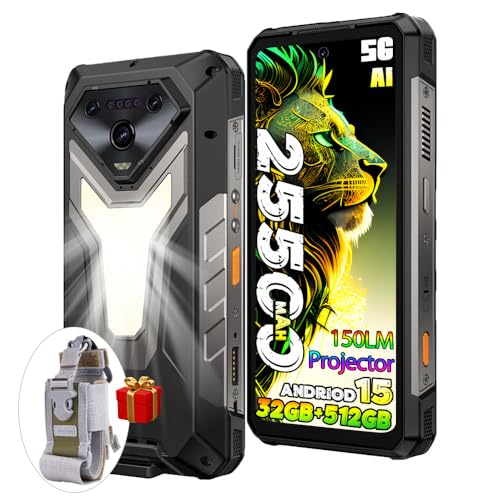
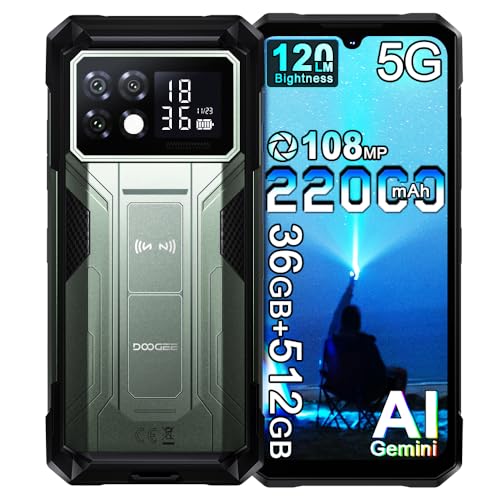
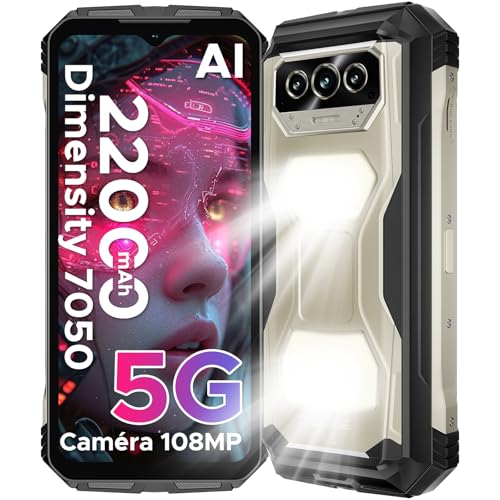
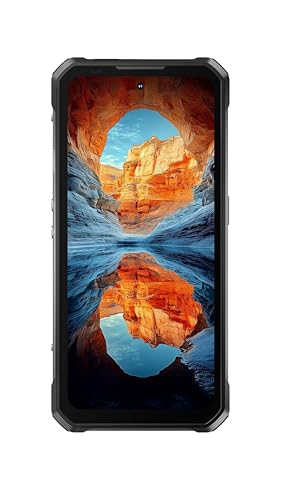
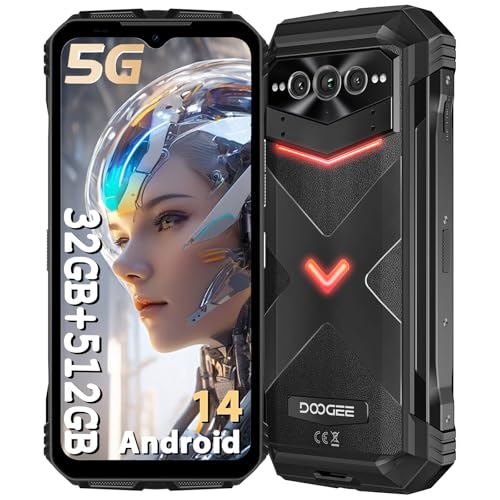
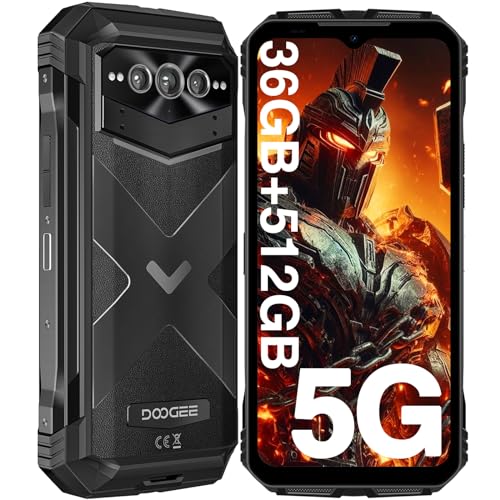
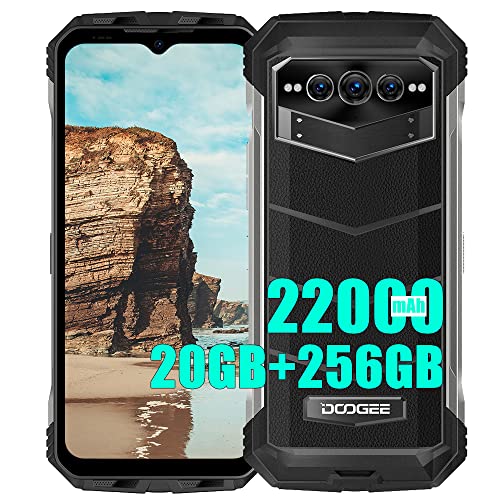
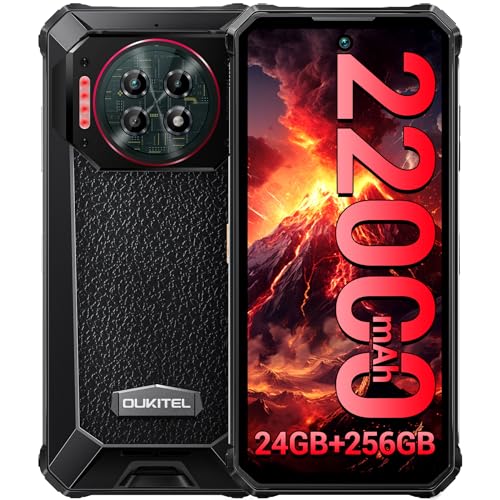
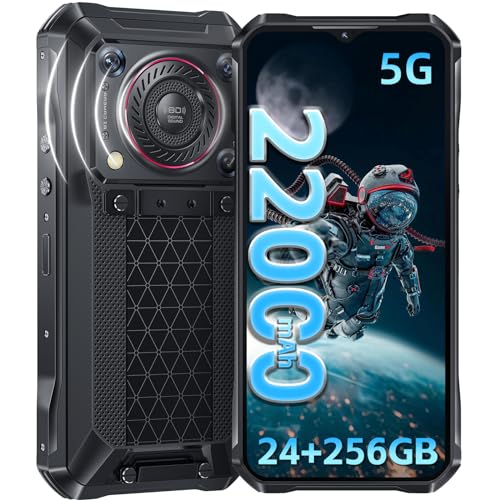
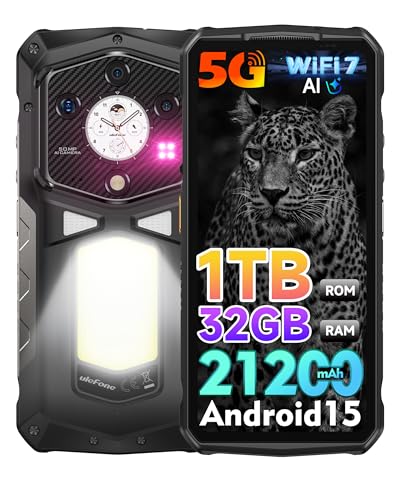
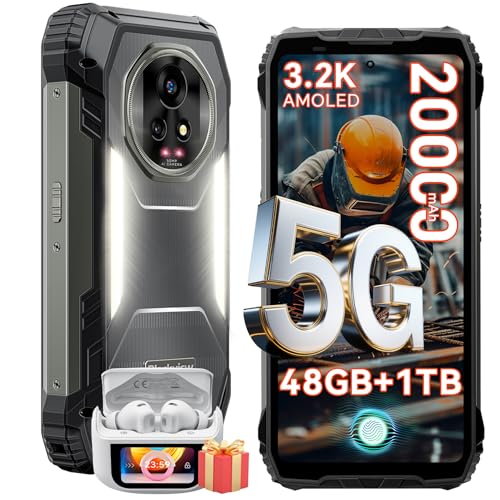
Smartphones with the best battery life usually have battery capacities between 5,500 mAh and 7,000 mAh. Some models go beyond 7,000 mAh, but most top-performing phones in real-world battery tests fall in that 5,500–6,000 mAh range. You’ll see these capacities in rugged phones, gaming phones, and some flagship models that focus on endurance.
Battery capacity alone doesn’t determine battery life. The phone’s processor, display type (OLED or LCD), refresh rate (60Hz vs 120Hz), software optimization, and power management also play a big role. A 5,500 mAh phone with efficient software and a power-efficient chip can outlast a 6,000 mAh phone with poor optimization. That’s why you should check real-world battery test results, not just specs. But if you're comparing raw numbers, phones with 5,500 mAh or more consistently rank at the top for screen-on time, standby time, and endurance rating.
How long does the battery last on the best smartphones?
The battery lasts up to 20 hours or more on the best smartphones, and you get that endurance from models like the Asus ROG Phone 9 Pro (20:34 hours in tests) and OnePlus 13 (19:45 hours). You find similar performance in devices such as the Apple iPhone 16 Pro Max with its 4441 mAh battery that hits 31:37 hours overall, or the Samsung Galaxy S25 Ultra at 31:10 hours with a 5000 mAh pack.
These phones use efficient chips like Snapdragon 8 Elite, so you enjoy longer runtime during browsing, gaming, and video playback (for example, the OnePlus 13 delivers 23:46 hours of video).
If you need multi-day power, the Samsung Galaxy M65 Ultra provides up to two days with its 7000 mAh battery, and the Xiaomi 15 Ultra stands out for impressive life in a cameraphone design.
The available smartphones with the highest GSMArena battery life endurance score are as follows:
- HONOR 400 Lite (8GB + 256GB) (GSMArena battery life endurance score: N/A)
- Sony Xperia 1 VII 5G (12GB + 256GB) (GSMArena battery life endurance score: N/A)
- Tecno Spark 20 Pro Plus (8GB + 256GB) (GSMArena battery life endurance score: N/A)
What affects battery life in smartphones?
Battery life in smartphones depends on several key technical factors that influence how fast your phone drains power or how long it lasts on a single charge. The most relevant ones are the following:
- Battery capacity: Measured in mAh. Higher numbers usually mean longer battery life, but not always if the phone consumes a lot of power.
- Processor efficiency: Newer chips use less energy and perform better. A 4nm processor drains less power than a 7nm one.
- Display type and refresh rate: OLED screens use less power on dark backgrounds, while 120 Hz screens consume more energy than 60 Hz ones.
- Screen brightness and size: Bigger and brighter screens need more energy.
- Software optimization: Clean software, fewer background apps, and smarter power management extend battery life.
- Network use: 5G drains battery faster than Wi-Fi or 4G, especially if the signal is weak.
- Charging habits and battery health: Fast charging heats up the phone, and over time, batteries degrade and hold less charge.
If you want long battery life, look beyond just mAh. Check the processor, display, and software too, because all of them work together and have a direct impact on how long your phone lasts each day.
What power-saving features help extend battery life in smartphones?
Power-saving features that help extend your smartphone’s battery life include the following:
- Adaptive battery: Limits battery use for less frequently used apps based on your usage patterns.
- Dark mode: Reduces power consumption on OLED and AMOLED displays by turning off pixels when displaying black.
- Low power mode (or Battery Saver): Reduces background activity, cuts visual effects, and slows down performance to save energy.
- Adaptive brightness: Automatically adjusts screen brightness based on lighting conditions and your habits to reduce screen power drain.
- App standby and Doze mode: Suspends app activity when the phone is idle or apps are not in use, so background processes use less energy.
- Efficient chipsets: Newer chipsets use smaller manufacturing nodes (e.g. 4nm or 3nm), which reduce heat and power usage.
- Variable refresh rate (LTPO displays): Lowers the screen refresh rate from 120 Hz to 10 Hz or even 1 Hz when high speed is not needed.
- Thermal management: Controls processor speed and brightness during high temperature to avoid overheating and battery drain.
- Wi-Fi and 5G smart switching: Switches between mobile data and Wi-Fi based on signal quality to reduce radio power usage.
- Background process limiting: Stops apps from running constantly in the background unless you use them.
What type of smartphone battery has the longest life?
The type of smartphone battery that has the longest life is the lithium-silicon battery. You will mostly find lithium-ion batteries in current smartphones, but lithium-silicon cells last longer. They also store more energy in the same size, so your phone runs longer on a single charge.
Lithium-silicon batteries replace graphite with silicon in the anode. Silicon holds more lithium ions, which increases energy density and lifespan. These batteries can handle more charge cycles than lithium-ion, so they degrade slower over time. You charge your phone less often, and the battery stays healthier longer. Some companies already use early versions of this tech, but full adoption will take time due to production costs and stability challenges.
Which brands make smartphones with the best battery life?
The smartphone brands with the best average battery capacity are as follows:
- Apple (Average battery capacity: 3961 mAh)
- HTC (Average battery capacity: 4600 mAh)
- Google (Average battery capacity: 4870 mAh)
Note: Only brands with at least 6 smartphone models in our database, released since 2022, were considered.
The chart below ranks brands based on their average battery capacity.
[horizontal-chart-07776705334778509919151650661120617215300025511940]
What else should you consider when choosing a smartphone with the best battery life?
When choosing a smartphone with the best battery life, you should also consider the following key specs and features that directly impact performance, usability, and daily experience:
- CPU: Pick a phone with a power-efficient processor like Qualcomm Snapdragon 8 Gen 2 or Apple A17 Pro. These chips balance performance and energy use, so they help extend battery life during heavy tasks like gaming or multitasking.
- RAM: Go for at least 8 GB RAM if you multitask or switch between apps often. More RAM improves speed and prevents lag, especially when using demanding apps, which helps avoid battery drain from repeated loading.
- Storage: Choose 128 GB or more if you keep lots of photos, videos, and apps. Low storage slows down the system, affects app performance, and increases background activity, which drains battery faster.
- Camera: Cameras with high megapixels (e.g. 50 MP or 108 MP) and advanced features like optical zoom or AI image processing use more battery. If battery life matters more, avoid phones that push camera features to the limit.
- Display: AMOLED or OLED screens save battery better than LCDs. Choose lower refresh rates like 60Hz if you want longer battery life, since 120Hz or higher refresh rates consume more power.
- Charging Speed: Fast charging (e.g. 67W or 120W) helps if you need quick top-ups during the day. Wireless charging drains more power and heats up the phone, so use it only when needed.
- Software Optimization: Phones with clean or optimized UI (like Pixel’s stock Android or iPhones with iOS) use power better than those with heavy skins (e.g. MIUI or One UI), which keep more apps active in the background.