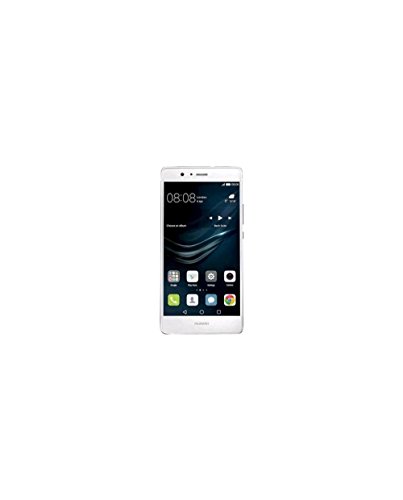
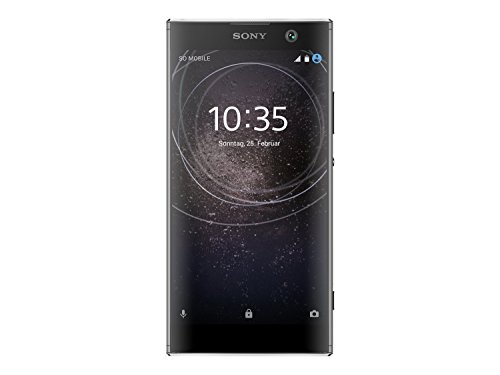
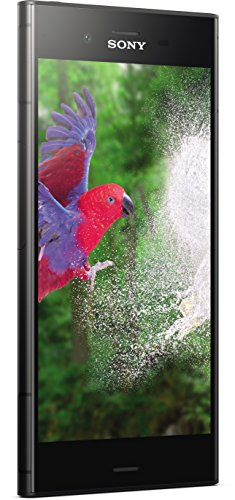
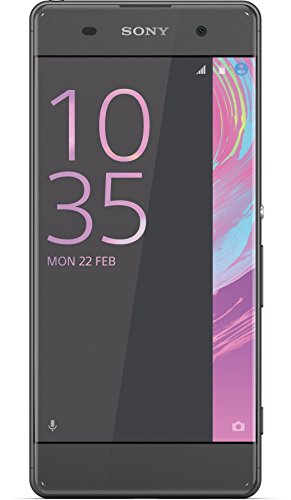
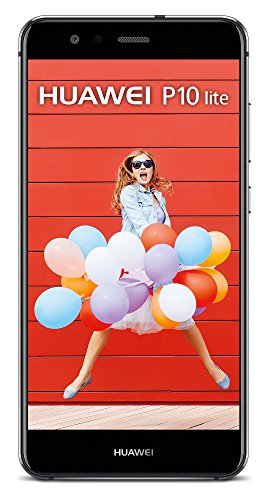
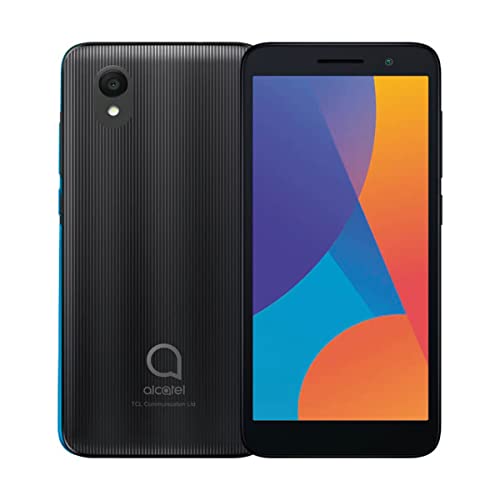
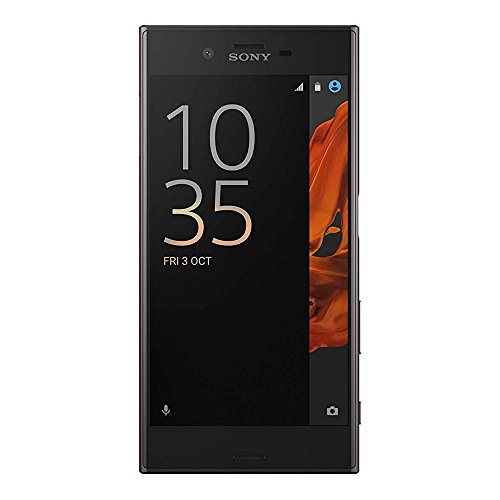
Are 5-inch smartphones good?
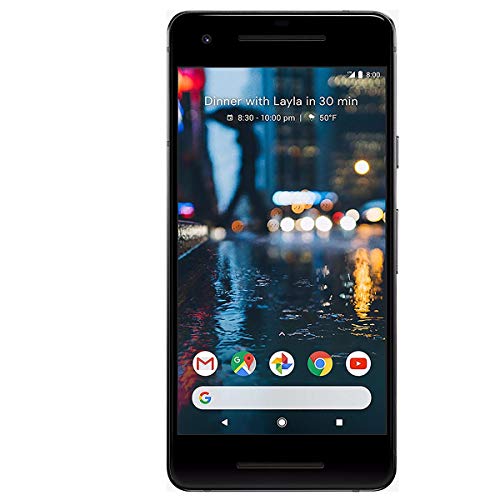
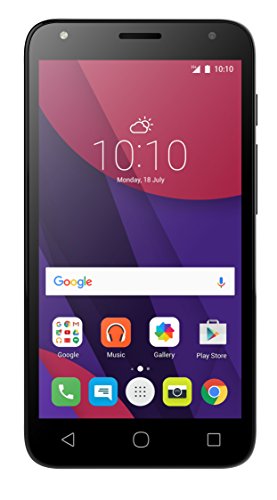
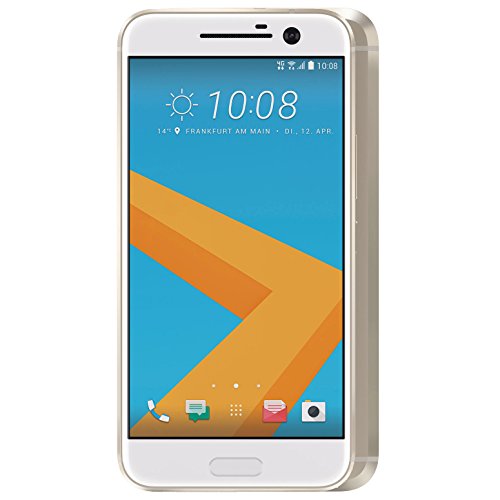
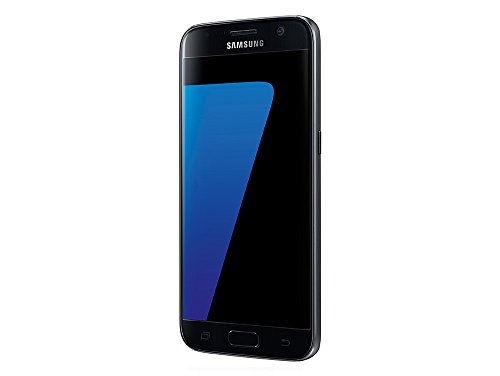
5-inch smartphones are good if you want a compact phone that fits easily in one hand or pocket. They work well for basic tasks like calling, texting, web browsing, and using lightweight apps.
You get better one-handed use compared to larger phones. The smaller screen uses less power, so the battery lasts longer in many cases. These phones also tend to weigh less and cost less than bigger models. Some people prefer them for better grip and easier thumb reach. But 5-inch screens show less content, and typing or watching videos feels cramped if you’re used to bigger displays. Most new apps and media focus on larger screens, so a 5-inch phone might feel limited.
The best available 5-inch smartphones (with the highest overall score) are as follows:
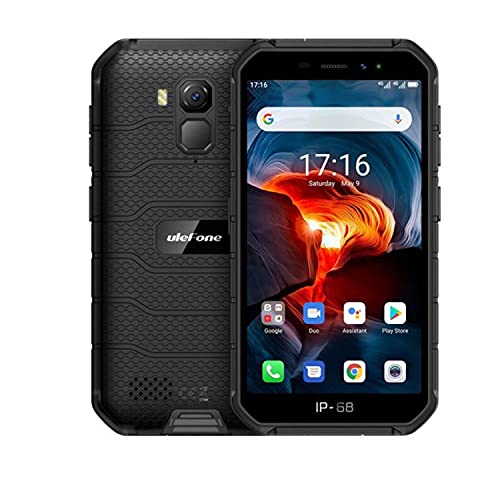
- Ulefone Armor X7 Pro (4GB + 32GB) (Overall score: 5.63 points)
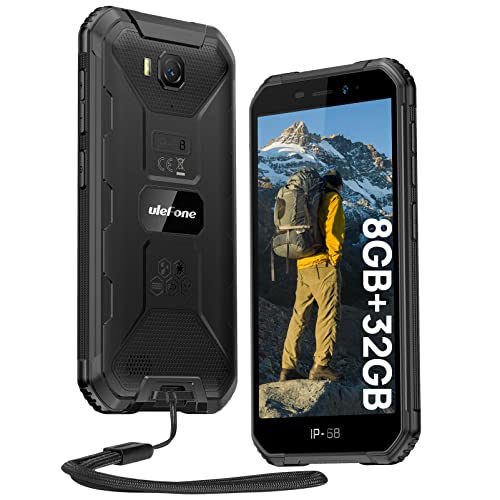
- Ulefone Armor X6 Pro (4GB + 32GB) (Overall score: 5.61 points)
- ZTE Blade L9 (1GB + 32GB) (Overall score: 5.23 points)
Is 5 inches too small for gaming or watching videos?
Yes, 5 inches is too small for gaming or watching videos. You can still use a 5-inch screen, but the experience feels limited and less immersive. Visuals appear cramped, text looks smaller, and controls in games become harder to use. Most modern smartphones and handheld gaming devices use larger displays because screen size affects both comfort and performance.
What to consider while choosing the best 5-inch smartphone?
To choose the best 5-inch smartphone, you should focus on the following key aspects that matter most in real use:
- CPU: Choose a phone with a fast and efficient processor like Snapdragon 8-series or Apple A-series. These chipsets handle apps, games, and multitasking without lags. Avoid outdated or entry-level chips like Snapdragon 4-series. High-end CPUs also use power better, so your battery lasts longer.
- RAM: Pick at least 6 GB of RAM for smooth performance. If you multitask often or use heavy apps, go for 8 GB or more. Low RAM slows down performance and app switching. More RAM helps apps stay active in memory, so you don't need to reload them.
- Storage: Look for 64 GB storage minimum if you use apps, games, photos, and videos often. 128 GB gives more headroom and reduces the need for microSD cards. Check if storage type is UFS (faster) or eMMC (slower). Phones with UFS load apps faster and boot quicker.
- Camera: Focus on real photo quality, not just megapixels. Look for features like optical image stabilization (OIS), fast autofocus, and wide aperture (f/1.8 or lower). A good 12 MP sensor with OIS often beats a 48 MP sensor without it. For selfies, check front camera quality, not just resolution.
- Display: A 5-inch screen should have at least 1080p resolution for sharp text and images. AMOLED displays show deeper blacks and better contrast than LCD. Brightness, outdoor visibility, and color accuracy matter more than just pixel count.
- Battery life: Small phones often have smaller batteries, so look for 3000 mAh or more. Efficient processors and OLED screens use less power. Check if the phone lasts a full day under normal use. Fast charging support helps when you need quick top-ups.
- Build quality and durability: A compact phone should feel solid in hand. Choose phones with Gorilla Glass or metal bodies over plastic ones. Water resistance (IP67 or IP68) adds durability. Compact phones can feel premium if built well.
- Software and updates: Go with brands that update Android or iOS regularly. Stock Android or clean UI runs smoother than heavy skins. Check update policy (2–3 years minimum). iPhones lead in software longevity, while Pixel and some Samsung phones also get updates fast.
These points help you find a 5-inch smartphone that works well for daily use without major trade-offs.