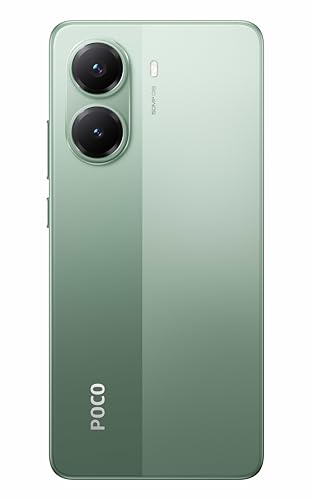
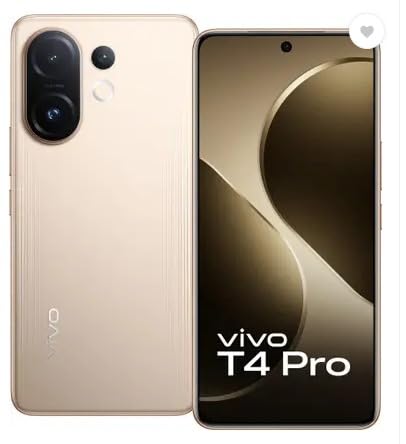
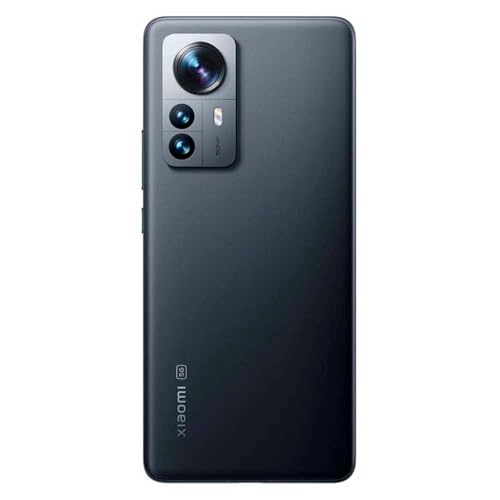
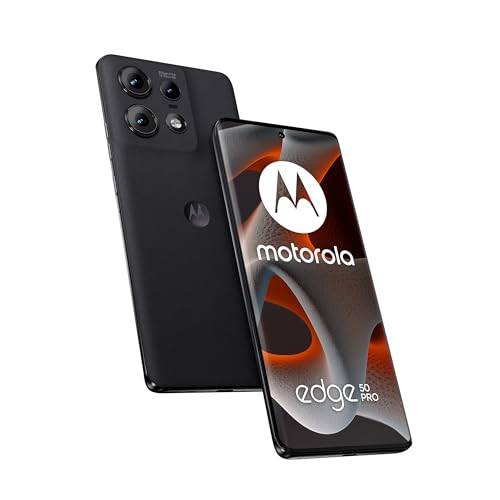
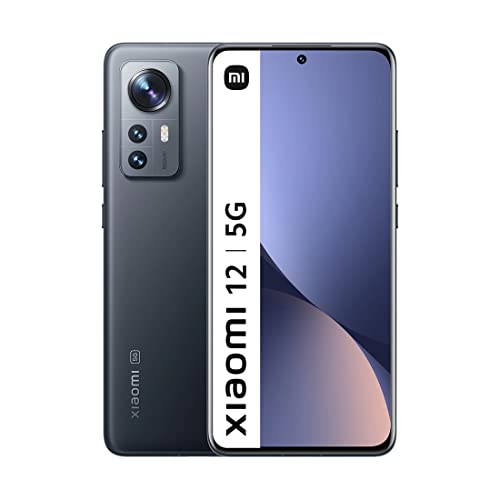
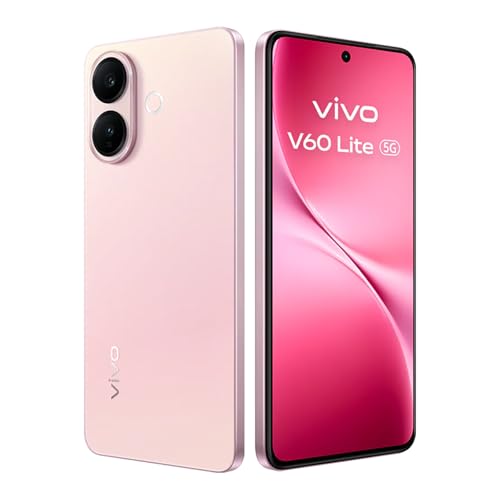
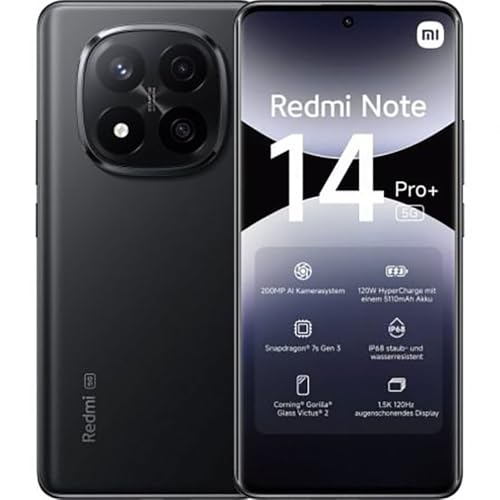
Which brands make the best smartphones under £300?
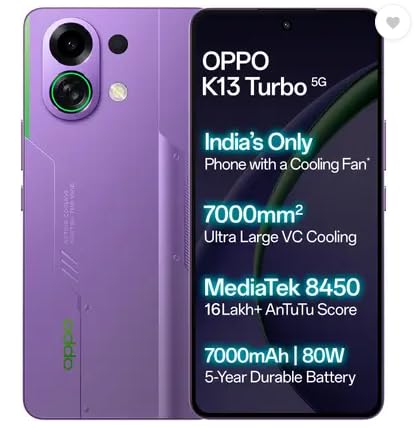
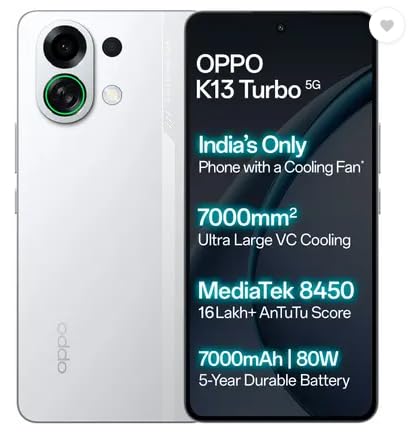
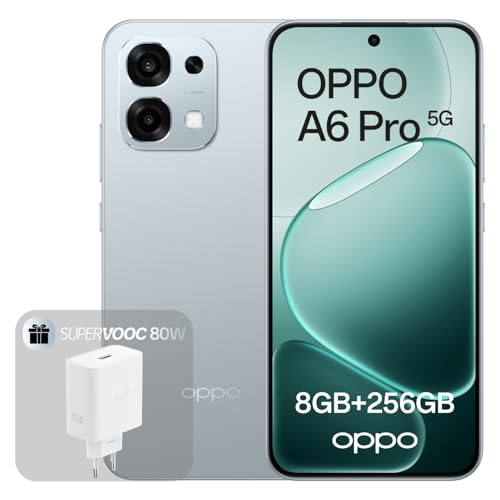
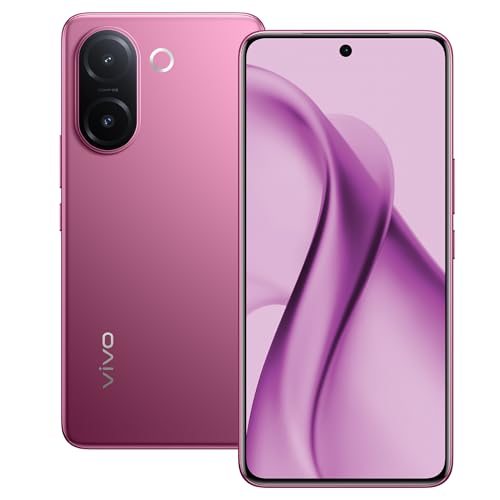
The best smartphone brands under £300 (with the highest overall score) are as follows:
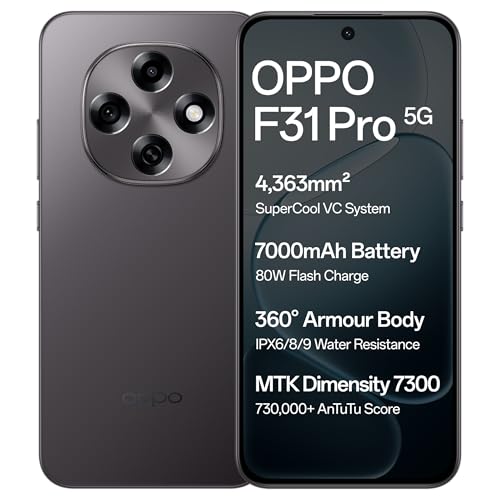
- Oppo (Average overall score: 7.7)
- vivo (Average overall score: 7.7)
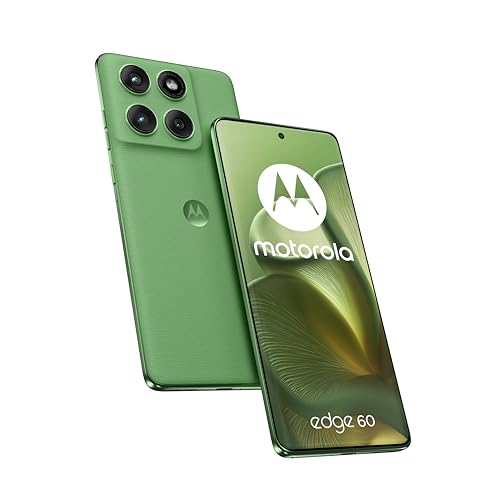
- Motorola (Average overall score: 7.6)
Note: Only brands with at least 6 smartphone models in our database, released since 2022, were considered.
The chart below ranks smartphone brands under £300 based on their overall scores.
[horizontal-chart-06617902035653159615042500433412404631844008377426]
Are smartphones under £300 worth buying?
Smartphones under £300 are worth buying if you focus on solid basics instead of top specs. You won't get flagship-level performance, but current budget models handle daily tasks well (social media, messaging, web browsing, video playback). You can expect smooth app usage, decent multitasking, and reliable battery life.
Most phones under £300 come with:
- Full HD+ LCD or AMOLED displays (usually 90Hz or 120Hz refresh rate)
- 4 GB to 8 GB RAM and 64 GB to 128 GB storage (expandable in many models)
- Dual or triple rear cameras (main sensor + ultra-wide or macro), with basic night and portrait modes
- 5,000 mAh batteries, usually with 18W or 33W fast charging
- Android 13 or 14 with 1 to 2 years of OS updates
You won’t get premium features like wireless charging, top-tier zoom, or advanced gaming performance. Build quality usually means plastic frames and backs, which reduce cost and weight but don’t feel as premium.
What processor and RAM do phones under £300 have?
Phones under £300 usually have mid-range processors and 4 GB to 8 GB of RAM. You often find Qualcomm Snapdragon 6 series chips (like the Snapdragon 680 or 695), or MediaTek Helio G88, G99, or Dimensity 6100+ processors. These chips handle daily use, apps, multitasking, and casual gaming. They can also support 5G or fast charging depending on the model.
Most phones in this range come with 6 GB RAM, though some models start with 4 GB or go up to 8 GB. More RAM helps with switching between apps and overall speed, so you should look for at least 6 GB if you use your phone heavily. RAM type is usually LPDDR4X, which fits the performance level of the processor. You won’t get flagship performance, but you’ll get reliable speed for everyday tasks.
The following chart shows how RAM sizes are distributed among smartphones costing less than £300.
[vertical-chart-17582100525606150012053514095096881420241483038760]
How good is the camera in smartphones under £300?
The camera in smartphones under £300 gives decent results, but you won’t get high-end quality. You can expect solid performance in good lighting, acceptable detail levels, and usable images for social media. Most models in this range include a main sensor around 50 MP, which sounds impressive but often uses lower-end optics and image processing. Low light results show noise, soft textures, and poor dynamic range, so night shots usually disappoint.
You’ll see brands use multiple lenses—ultrawide, macro, or depth sensors—but only the main lens usually performs well. Ultrawide shots often lose sharpness, and macro cameras lack detail. Video quality stays basic, often limited to 1080p at 30fps, with shaky footage and weak stabilization. Autofocus might hunt, and colors can look flat or inconsistent. You can still take good daylight photos or quick casual shots, but don’t expect flagship-level detail, clarity, or consistency.
How long does the battery last in smartphones under £300?
Battery life in smartphones under £300 usually lasts between one and two days, depending on how you use the phone. Most models in this price range include batteries around 5000 mAh, which supports long usage times if you do not push the phone with heavy gaming or constant screen time. You can expect around 6–9 hours of screen-on time in real-world use.
Phones with more efficient chipsets (like MediaTek Dimensity or Snapdragon 6-series) usually handle battery better, especially with 60Hz or 90Hz displays. Many budget phones now charge at 18W to 33W, so they recharge in 1.5 to 2 hours. If you use 4G instead of 5G and keep brightness lower, you get more screen time. Heavy usage like gaming or camera use drains the battery faster, so expect closer to a full day in those cases.
The following smartphones under £300 currently available offer the best battery capacity:
- DOOGEE S100 Pro (20GB + 256GB) (Battery capacity: 22000 mAh mAh)
- DOOGEE VMAX 5G (20GB + 256GB) (Battery capacity: 22000 mAh mAh)
- DOOGEE V MAX S (24GB + 256GB) (Battery capacity: 22000 mAh mAh)
The following chart shows how battery capacity varies among smartphones under £300.
[vertical-chart-13765864401559971601165594639022768101152620654660]
How good are the displays in smartphones under £300?
Smartphone displays under £300 usually perform well for daily use, but you will see some clear limits. Most models in this price range use IPS LCD panels, though a few brands include AMOLED screens (e.g. Samsung's Galaxy A series or some Xiaomi models). AMOLED panels show deeper blacks and better contrast, which helps a lot when you watch videos or play games. LCDs look decent, but they usually lack punchy colors and fall short in direct sunlight.
Resolution is typically Full HD+ (around 1080 × 2400), so you get sharp visuals on screens between 6.4 and 6.7 inches. Refresh rates often reach 90 Hz or even 120 Hz in some phones, which makes scrolling smoother. However, not all budget devices handle high refresh rates well, so some stutter may appear during heavy use. Brightness rarely goes beyond 700 nits, so readability in strong sunlight can suffer. Color accuracy and HDR support stay limited or basic, which affects media quality. Still, for under £300 , the display performance gives you enough quality for web, video, and light gaming.
Smartphone display types in the sub-£300 range are illustrated in the following chart.
[pie-chart-17674602309944020080067558334526688360221959176443]
What connections do smartphones under £300 support?
Smartphones under £300 support a range of connections. The most common ones include the following:
- 4G LTE: Fast mobile data for browsing, streaming, and downloads.
- Wi-Fi (802.11 a/b/g/n/ac): Wireless internet on home or public networks.
- Bluetooth (usually v5.0 or higher): Wireless connection to headphones, speakers, smartwatches, and other devices.
- USB-C: Standard port for charging and data transfer.
- GPS/GLONASS/Galileo: Satellite systems for location tracking and navigation.
- Dual SIM (nano SIM or hybrid slot): Support for two numbers in one device.
- NFC: Wireless payment and fast pairing with accessories (varies by model).
- 3.5mm headphone jack: Available in some models for wired headphones.
- FM Radio: Built-in tuner in selected budget models.
You can expect most phones in this price range to support 4G, not 5G. Some newer models include 5G, but brands usually cut other features to fit that budget. NFC appears in some models (like Xiaomi or Samsung), but not all. USB-C now comes standard, while micro-USB appears rarely. Wi-Fi 5 (802.11ac) is common, and Wi-Fi 6 rarely shows up in this range. You get all basic connections for daily use—calls, internet, media, navigation, payments—but not always the newest or fastest versions.
What is the design and build quality of smartphones under £300?
Smartphones under £300 usually have solid design and decent build quality. You get plastic bodies in most models, but brands use matte finishes or textured backs to improve grip and reduce fingerprints. Frames are often plastic too, though some models use aluminum-like coating for a more premium look.
Most phones in this price range use flat displays with thick bezels or a waterdrop notch. You won't find curved screens or glass backs here. Weight stays balanced (around 180–200g), so phones feel steady in hand. Buttons and ports stay tightly placed with good feedback. Some phones add IP52 or splash resistance, which helps with durability but doesn't protect against full submersion. Brands like Samsung, Xiaomi, and Motorola manage decent quality control at this level, so you won't see flimsy parts or loose panels.