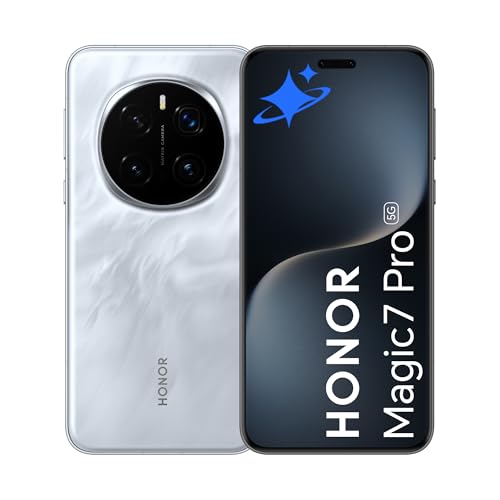
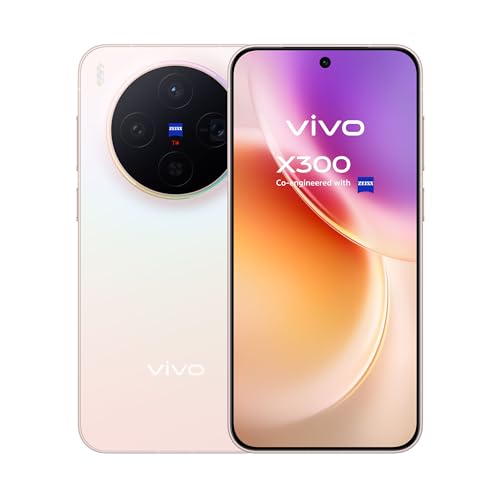
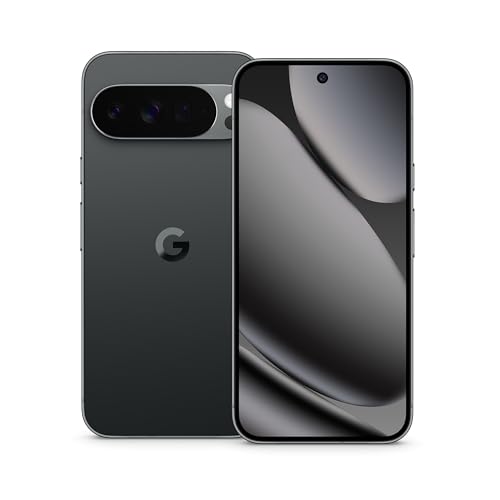
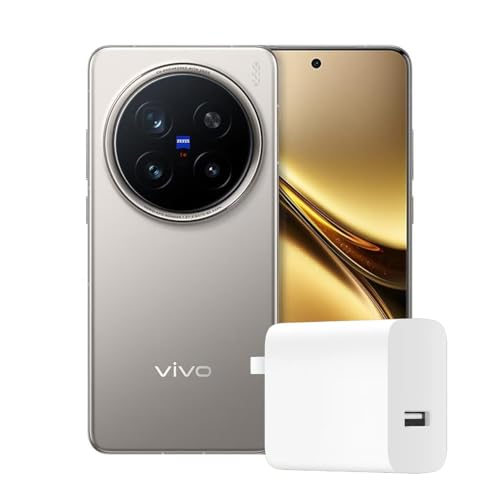
What are 5G smartphones and how do they work?
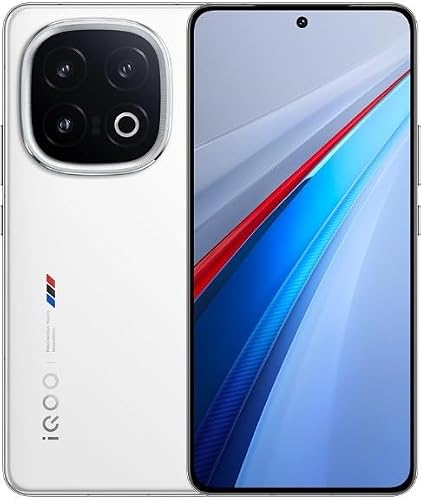
5G smartphones are mobile devices that support 5G wireless networks, and they work by connecting to 5G cellular towers using specialized 5G modems and antennas. You use these phones just like 4G ones, but they connect to faster and more efficient 5G signals, which use higher frequency bands (including mmWave and sub-6GHz) to move more data at higher speeds and lower latency.
These phones include 5G-compatible chipsets (like Qualcomm Snapdragon or MediaTek Dimensity), which handle data processing and signal conversion. Most 5G smartphones can switch between 5G and older networks (4G, 3G), so you stay connected when 5G isn’t available.
Phone makers also include advanced cooling systems and power management features, since 5G chips use more energy and generate more heat. You need a 5G SIM card and a 5G mobile plan to activate full 5G functions.
Around 100%% of smartphones on the market support 5G connectivity (among smartphones released in 2022 and later).
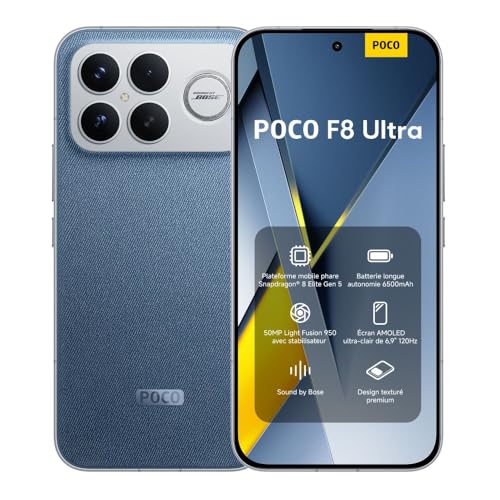
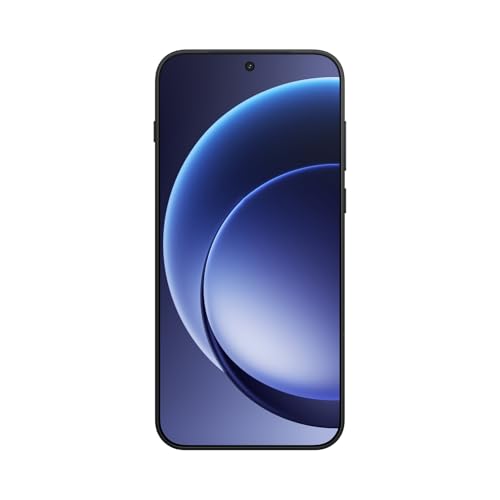
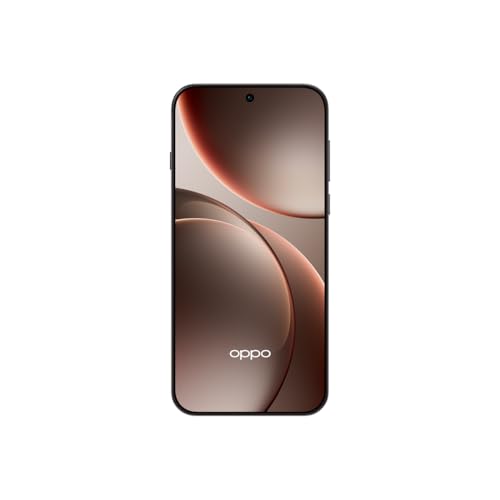
The best available 5G smartphones (with the highest overall score) are as follows:
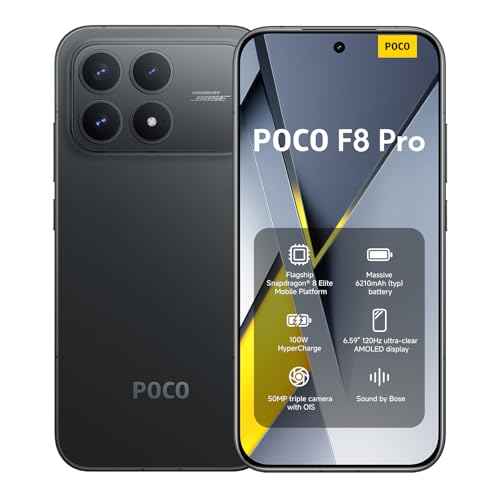
* Poco F8 Ultra (16GB + 512GB) (Overall score: 9.19 points)
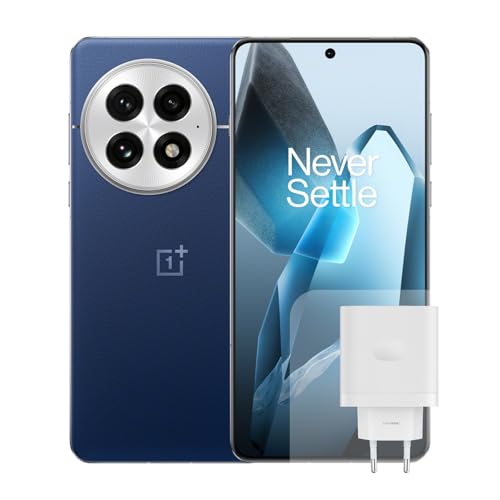
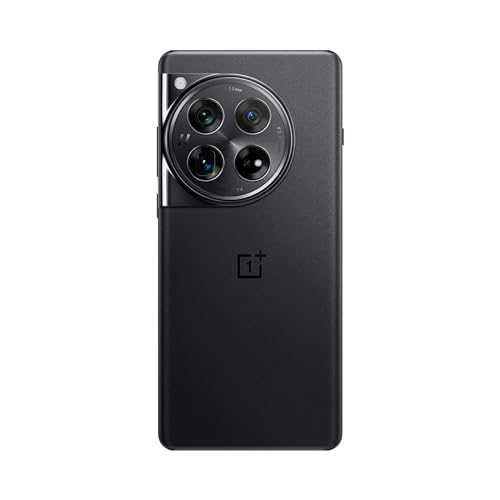
* OnePlus 15 (16GB + 512GB) (Overall score: 9.15 points)
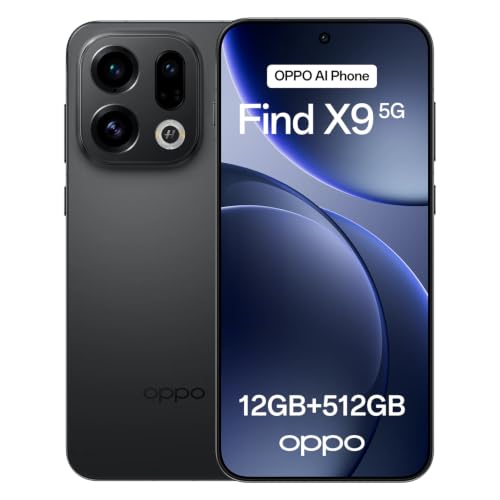
* Oppo Find X9 Pro (16GB + 512GB) (Overall score: 9.12 points)
Can you use a 4G SIM in a 5G phone?
Yes, you can use a 4G SIM in a 5G phone. The phone will detect the SIM and connect to 4G networks, but not 5G. You can still use all standard features like calls, texts, and mobile data on 4G.
5G phones support older network generations (4G, 3G, 2G), so you don't need a new SIM to use your phone. However, your data speeds will depend on the 4G network, not on the phone’s 5G capability. If you want to access 5G speeds, you need a 5G-enabled SIM and a 5G mobile plan. Some carriers also require activation of 5G service, which depends on your plan type and location.
Are 5G smartphones worth buying?
5G smartphones are worth buying if you want faster internet speeds, lower latency, and future-proof connectivity. Most mid-range and flagship phones already include 5G support, so you don’t need to spend extra or upgrade later.
5G gives you faster downloads and smoother streaming, especially in crowded areas. It helps with real-time gaming, video calls, and cloud-based apps. But the actual speed depends on your network provider and location. In some places, 4G still performs just as well because 5G coverage stays limited or inconsistent. If your area has strong 5G, the upgrade makes sense. If not, you might not notice a big difference right away.
What are the weakness of 5G?
The weaknesses of 5G come from its limited range, high infrastructure demands, and inconsistent real-world performance. You need a dense network of small cells because high-frequency 5G signals (like mmWave) can’t travel far and don’t pass through walls or obstacles well. This means 5G works best in cities, but in rural or indoor areas, the speed and coverage drop sharply. In many places, 5G just performs like 4G because operators use low- or mid-band frequencies that trade speed for range.
You also face high costs if you plan to upgrade your devices or networks. 5G-compatible phones can cost £700 or more, and older devices can’t access the network. On the carrier side, building and maintaining 5G infrastructure costs billions (especially in areas with poor coverage).
Another issue is power consumption—5G networks and connected devices use more energy, which increases battery drain and operating costs. Also, you deal with security risks because 5G expands the attack surface with more connected devices, edge nodes, and access points.
Is 5G safe to use?
Yes, 5G is safe to use. You can use 5G networks without health risks. Scientists and health agencies worldwide studied 5G radiation. It uses radiofrequency (RF) waves, the same type as 3G and 4G, but at higher frequencies. These are non-ionizing waves, which means they do not damage DNA or cells like ionizing radiation (e.g. X-rays or gamma rays). The energy levels stay low, so the radiation cannot heat your body tissue or cause harm.
Health organizations like the World Health Organization (WHO) and the International Commission on Non-Ionizing Radiation Protection (ICNIRP) reviewed 5G safety. They confirmed 5G stays within safe exposure limits. You already live around many RF sources—Wi-Fi, smartphones, TVs. 5G adds to that environment, but current evidence shows no link between RF exposure from 5G and health problems. You do not need to take extra precautions.
Which brands make the best 5G smartphones?
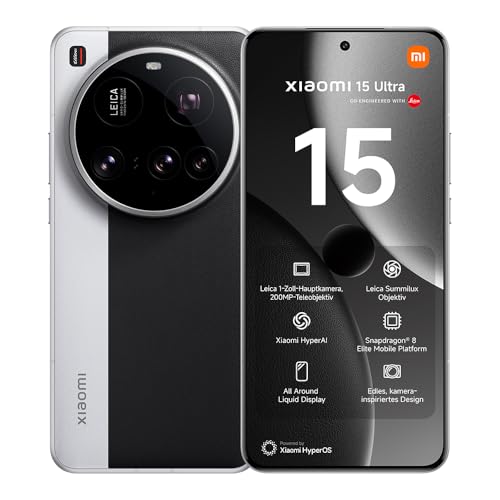
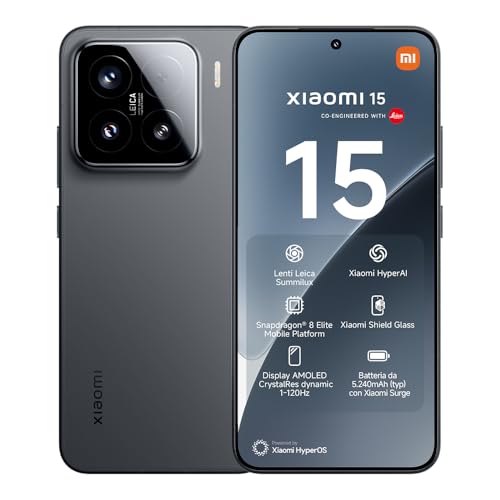
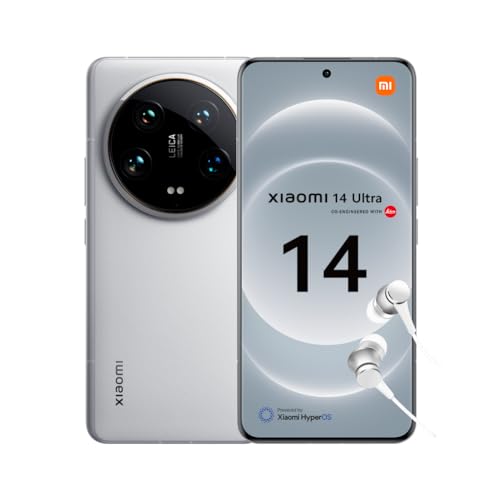
Apple ranks first in global 5G smartphone shipments with a 32% share, thanks to its tightly integrated hardware and software and the powerful A18-series chips in models like the iPhone 16 and iPhone 16 Pro Max. Samsung follows with roughly 20% of 5G device shipments, driven by its Galaxy S25 series, the Galaxy Z Fold7 and the Galaxy A56 for budget-conscious users. Xiaomi holds a strong third place, offering flagship-level specs in the Xiaomi 15 Ultra and mass-market appeal across its Redmi and Poco sub-brands.
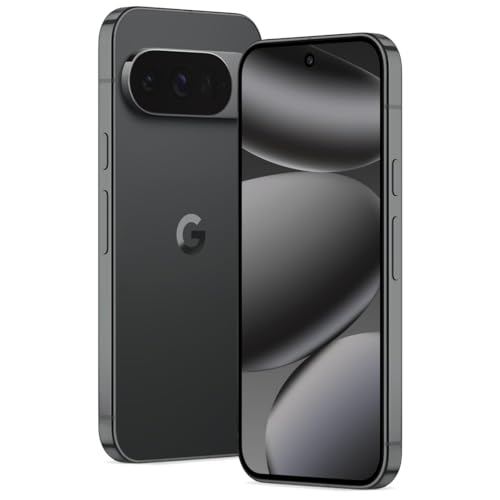
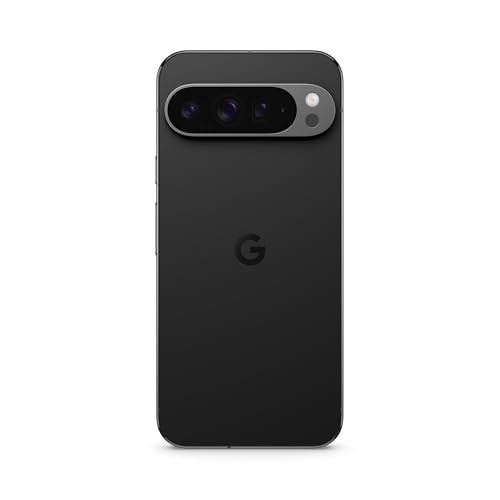
Oppo and Vivo, both under BBK Electronics, capture significant share by pushing camera innovation and aggressive pricing in midrange 5G models such as the Oppo Find X7 and Vivo X100 series. OnePlus earns praise for its balance of flagship-class performance and lower price points in the OnePlus 13 and Nord 4 lineup. Google closes the top tier with its Pixel 9 Pro and Pixel 9a, which pair reliable 5G speeds with advanced AI features and timely OS updates.
The brands with the best 5G smartphones (with the highest overall score) are as follows:
- Huawei (Average overall score: 8.8)
- Xiaomi (Average overall score: 8.6)
- Google (Average overall score: 8.6)
Note: Only brands with at least 6 smartphone models in our database, released since 2022, were considered.
The chart below highlights the best-performing brands producing 5G smartphones.
[horizontal-chart-03925681243656738370018331885296235050963879288063]
How much does a 5G smartphone cost?
A 5G smartphone cost ranges from £130 for budget models to over £1,530 for premium foldable devices. Entry-level phones usually sit between £170 and £340, while mid-range hardware costs between £385 and £680. High-end flagship devices typically start at £765 and increase based on specific hardware configurations.
The CPU in a 5G smartphone determines the processing speed and power efficiency. Budget 5G chips use older architectures and they handle basic tasks well. Mid-range processors utilize more efficient nanometer processes and they support better gaming performance. Premium smartphones feature the latest high-performance chipsets because these components must manage complex AI tasks and high data speeds.
What to consider while choosing the best 5G smartphone?
To choose the best 5G smartphone, you need to look at the following features and specs that affect speed, performance, camera quality, and overall usability:
- CPU: Choose a phone with a strong processor like Snapdragon 8 Gen 3, Dimensity 9300, or Apple A17 Pro. These chips handle 5G speeds, gaming, and multitasking without lag.
- RAM: Go for at least 8 GB RAM if you want smooth app switching and good gaming. Phones with 12 GB or 16 GB RAM give better speed for heavy tasks.
- Storage: Pick 256 GB if you download many apps, games, or record 4K videos. Some models start at 128 GB, which works if you use cloud storage. Most high-end phones skip microSD slots.
- Camera: Look for features like OIS (optical image stabilization), large sensors (1-inch), and telephoto or periscope lenses. Cameras with 50 MP or more and strong night mode do better in low light. Video at 4K or 8K helps if you shoot a lot.
- Display: Choose OLED or AMOLED screens with 120Hz refresh rate for smooth visuals. QHD+ resolution shows better detail than FHD+, especially on big screens (6.7 inches or more).
- Battery: Aim for 4500 mAh or more. Check charging speed too – 65W to 120W wired or up to 50W wireless means faster top-ups.
- Software: Pick Android or iOS based on what you like. Check update policy – Samsung, Google, and Apple give 4-7 years of updates.
- Build and Extras: IP68 rating resists water and dust. Some phones use Gorilla Glass Victus or titanium frames. Extras like stereo speakers, under-display fingerprint, or satellite SOS can help.