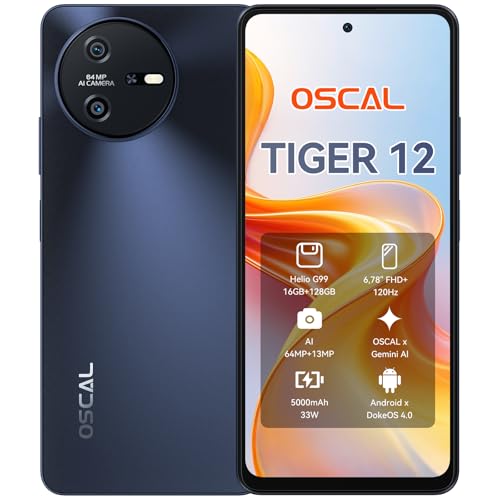
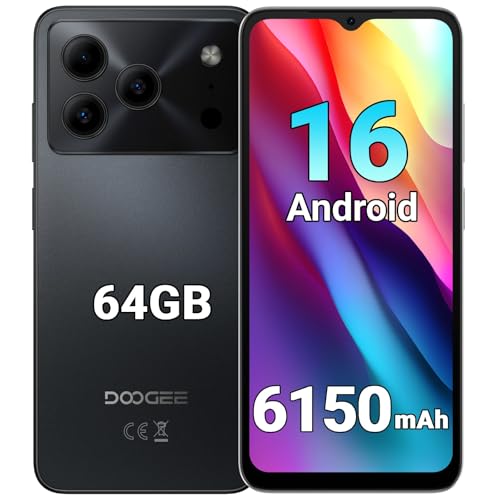
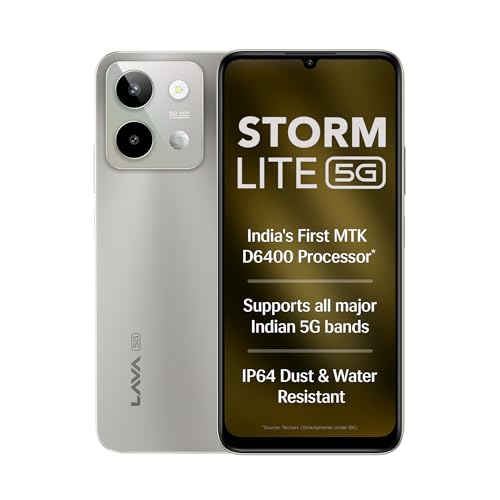
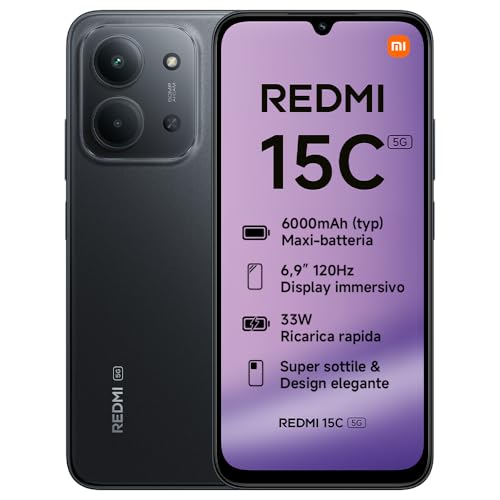
Are smartphones under £100 worth buying?
Smartphones under £100 can be worth buying if the goal is basic tasks like calls, texts, WhatsApp, light browsing, and simple apps, but they carry clear trade-offs in speed, cameras, display quality, storage, and software support.
They suit first-time users, kids, or as backup devices, and they work fine for social media in lite mode, email, banking apps, navigation, and streaming at lower resolutions.
Expect 3–4GB RAM, entry-level chipsets (Helio A22/G36, Unisoc T606, or older Snapdragon), 32–64GB storage with microSD support, and Android Go or lean Android builds, so you should keep background apps few and clear cache often. Battery life usually impresses because of 5,000mAh cells and low-power screens, so a full day is realistic with moderate use.
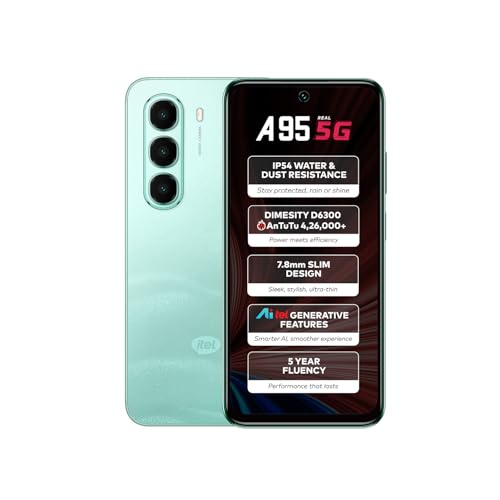
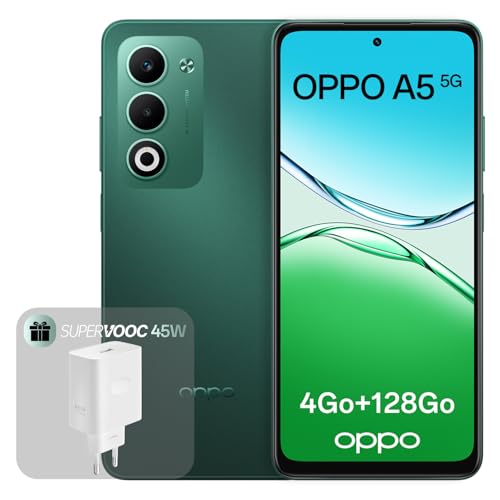
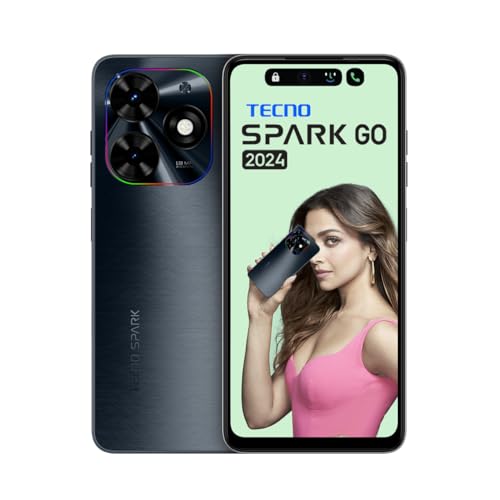
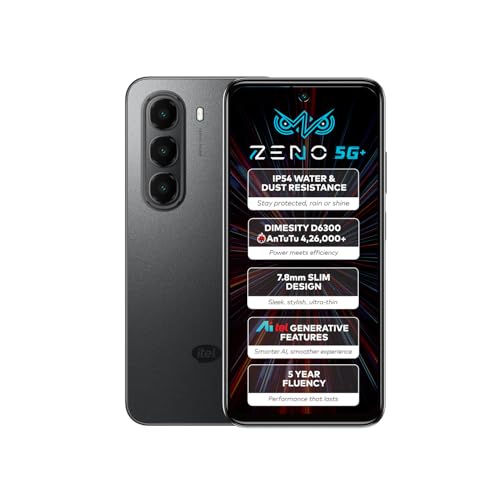
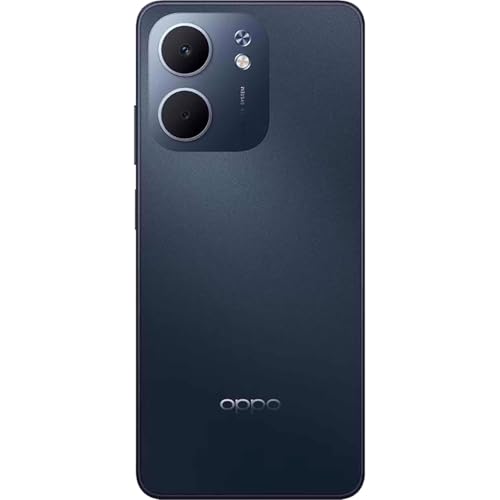
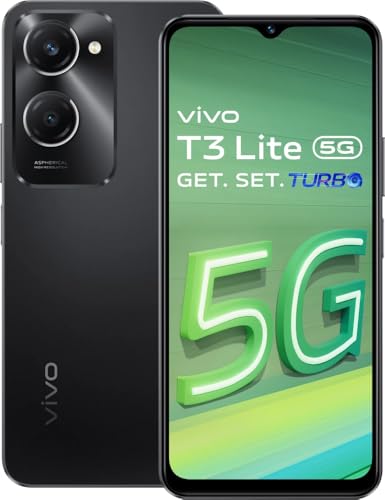
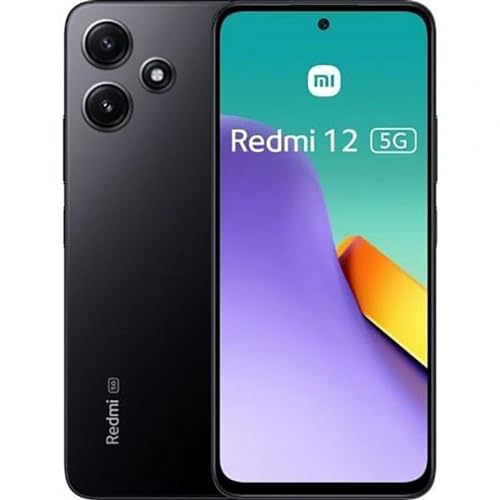
The best available smartphones under £100 (with the highest overall score) are as follows:
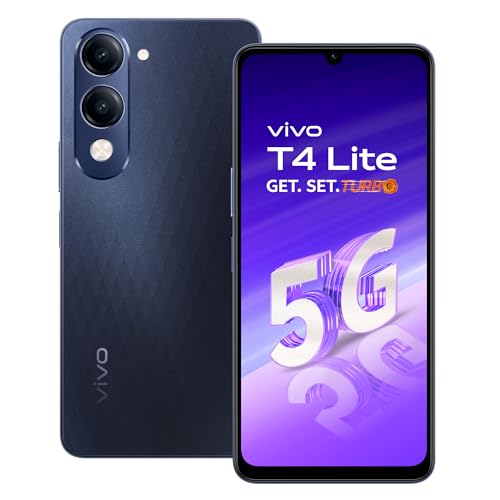
- vivo T4 Lite 5G (4GB + 128GB) (Overall score: 6.83)
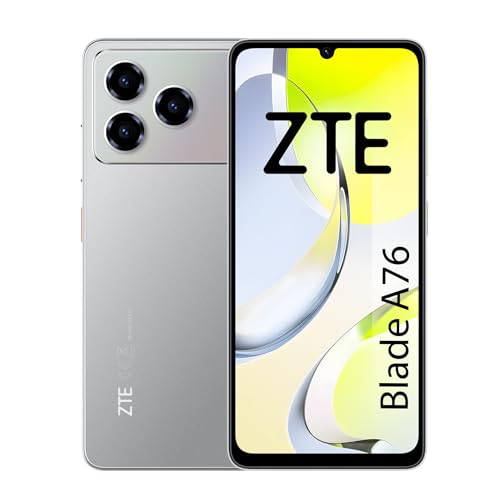
- ZTE Blade A76 4G (4GB + 128GB) (Overall score: 6.78)
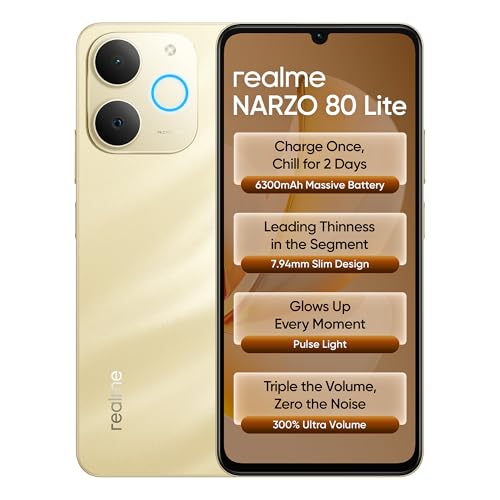
- realme Narzo 80 Lite 4G (6GB + 128GB) (Overall score: 6.67)
Smartphone brands making top-rated models under £100 are compared in the following chart.
[horizontal-chart-09495598718242164026049522265649915265503537982020]
What CPU, RAM and storage can you expect from smartphones under £100?
For smartphones priced under £100, you can expect entry-level hardware designed for basic tasks.
Typically, these phones come with CPUs that are lower-end and often from budget-friendly chipset families like MediaTek Helio or older Qualcomm Snapdragon models. CPU speeds usually range around 1.5 to 2.0 GHz on multiple cores but focus on efficiency rather than high-end performance. This level of CPU can handle calling, texting, simple apps, and basic web browsing but can struggle with demanding games or heavy multitasking.
RAM in these budget phones usually ranges from 2GB to 4GB, which is enough for light use such as email, social media, and casual browsing but limits smooth multitasking with multiple apps running simultaneously. Many entry-level smartphones use 4GB RAM as a sweet spot for usability without overshooting the price.
Storage tends to be 32GB or 64GB, with some phones supporting expandable storage via microSD cards. 32GB can fill up quickly with apps, photos, and media, so expandable storage helps extend usability.
The chart below illustrates the distribution of RAM configurations in smartphones priced under £100.
[vertical-chart-10226516551424327525063102842280938008070677341925]
How long does the battery last in smartphones under £100 ?
Battery life in smartphones under £100 usually lasts between 1 and 2 days with regular use. These phones come with basic processors and low-resolution screens, so they consume less power compared to mid-range or high-end models.
Most phones in this price range use 3000 to 5000 mAh batteries. You get longer screen-on time because the hardware does not demand much power. If you just use calls, messaging, light apps or occasional browsing, the battery can last more than a day. But if you play games or stream videos, the battery drains faster.
Battery capacities in smartphones under £100 are represented in the following chart.
[vertical-chart-18300702619226595910027895490951022669522296100059]
What display quality do smartphones under £100 have?
Smartphones under £100 have basic display quality with low resolution, limited brightness, and poor color accuracy. You usually get LCD panels with HD or qHD resolution (720p or 540p), which means you will see less detail, less sharpness, and lower contrast compared to mid-range or premium models.
You should expect visible pixels, especially on larger screens, and narrow viewing angles. Colors may look washed out, blacks appear more like dark grey, and sunlight readability stays weak due to low peak brightness (usually under 400 nits).
Touch response tends to lag slightly, especially in cheaper models with older panels or poor touch layer integration. Brands cut costs on display tech to stay under £100 , so the display often becomes the weakest part of the device.
The distribution of smartphone display technologies under £100 is presented in the chart below.
[pie-chart-11307710930282273085124677382536989417580660958152]
How good is the camera in smartphones under £100 ?
Cameras in smartphones under £100 are basic and have limited performance. You usually get a main rear camera with 8 MP to 13 MP resolution, which captures acceptable shots in good daylight but struggles with detail and sharpness in low light. Photos often show noise, soft edges, and lower color accuracy compared to mid-range models.
Most models include only one rear camera without wide-angle or telephoto lenses. Video recording usually reaches 1080p at 30 fps, but stabilization is minimal, so handheld footage can look shaky. Front cameras often have 5 MP to 8 MP resolution and are fine for casual selfies or video calls, although skin tones can look flat in poor lighting.
If you mostly take photos outdoors during the day, these cameras can be usable, but they fall short for night photography or demanding shooting conditions. You will not get advanced features like optical image stabilization, high dynamic range processing on every shot, or fast autofocus, so you need to adjust your expectations to basic, everyday use.