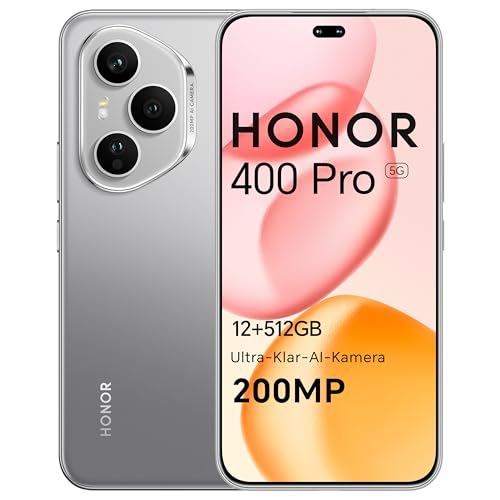
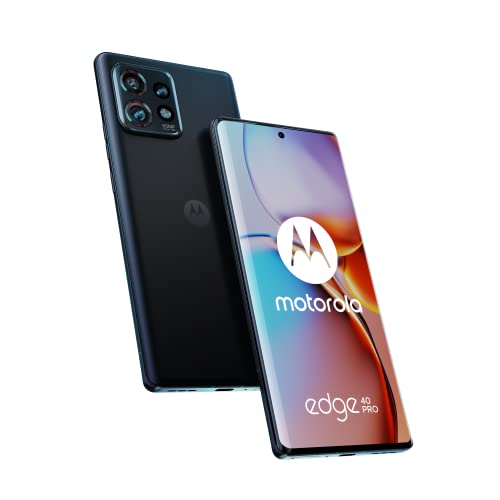
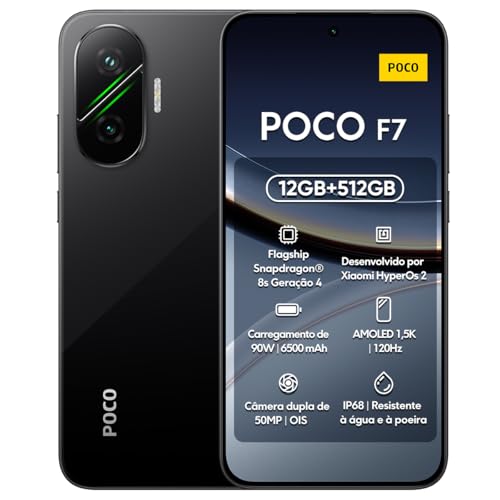
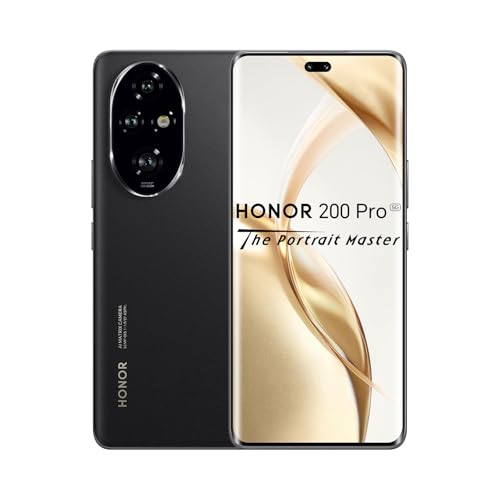
How good are smartphones under £500 in today's market?
Smartphones under £500 in today’s market are very competitive and can cover most of your needs for performance, camera quality, and battery life.
Many models in this range use mid- to high-end processors from Qualcomm, MediaTek, or Samsung, so you can expect smooth performance in daily tasks and even good results in gaming. They often include 6 GB to 12 GB of RAM and 128 GB to 256 GB of storage, which is enough for apps, photos, and videos.
Cameras in this price range have improved a lot, with some phones reaching multi-lens setups, high-resolution sensors, and advanced image processing that delivers sharp, detailed photos even in low light. Displays are usually AMOLED or high-refresh-rate LCDs, so you get vivid colors and smooth scrolling. You will also find large batteries, often around 5,000 mAh, with fast charging that reduces downtime between uses.
The best available smartphones under £500 (with the highest overall score) are as follows:
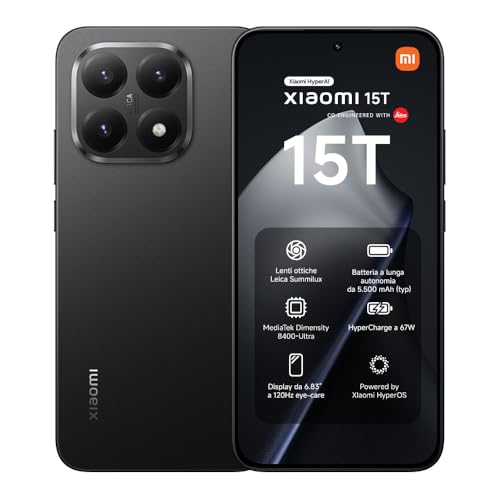
- Xiaomi 15T (12GB + 512GB) (Overall score: 8.61 points)
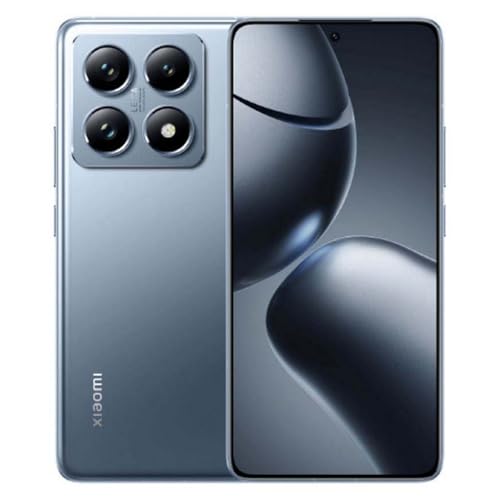
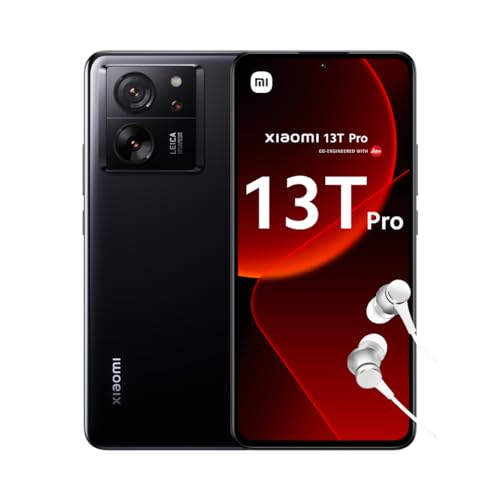
- Xiaomi 14T Pro (12GB + 512GB) (Overall score: 8.55 points)
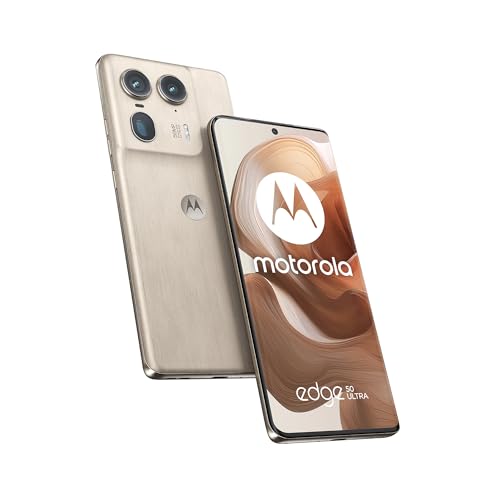
- Motorola Edge 50 Ultra (16GB + 1TB) (Overall score: 8.52 points)
Which brands make the best smartphones under £500?
The brands with the best smartphones under £500 (with the highest overall score) are as follows:
- vivo (Average overall score: 8)
- Poco (Average overall score: 8)
- Xiaomi (Average overall score: 8)
Note: Only brands with at least 6 smartphone models in our database, released since 2022, were considered.
The chart below ranks smartphone brands offering models under £500 based on their overall scores.
[horizontal-chart-02927245868333036948063611845519980382570238385030]
What CPUs and how much RAM do smartphones under £500 have?
Smartphones under £500 usually have mid-range processors such as Qualcomm Snapdragon 6 or 7 series, MediaTek Dimensity 800 or 900 series, and occasionally older flagship chips like Snapdragon 888.
These CPUs can handle everyday tasks smoothly and run most games at medium to high settings, although they fall behind current flagship processors in raw performance. In this price range, you can expect a balance between speed and energy efficiency, with enough power for multitasking without major slowdowns.
RAM in smartphones under £500 typically ranges from 6 GB to 12 GB, with 8 GB being the most common. More RAM helps you keep multiple apps open without closing them in the background, and it improves the device’s ability to handle heavier apps and games. Some models include virtual RAM expansion, which uses storage as temporary memory, but it is slower than physical RAM.
What battery capacity do smartphones under £500 offer?
Smartphones under £500 usually have battery capacities between 4,500 mAh and 5,000 mAh, which gives you a full day of use and often more with moderate usage. Many models in this range reach 5,000 mAh, a capacity that has become standard for mid-range devices and supports longer screen-on time, especially if paired with energy-efficient processors.
Some brands also combine large batteries with fast charging between 25 W and 67 W, so you can restore most of the charge in less than an hour. Models with smaller capacities, around 4,300 mAh, usually have lighter and thinner designs, but they may need charging earlier in the day if you use them heavily. Your real battery life will also depend on display type, refresh rate, and software optimisation.
The available smartphones under £500 with the best battery capacity are as follows:
- Ulefone Armor 33 Pro (32GB + 512GB) (Battery capacity: 25500 mAh)
- DOOGEE S100 Pro (20GB + 256GB) (Battery capacity: 22000 mAh)
- DOOGEE VMAX 5G (20GB + 256GB) (Battery capacity: 22000 mAh)
The chart below illustrates the distribution of battery life in smartphones priced under £500.
[vertical-chart-00209846274621070624061004470643344622772114742136]
How much storage comes with smartphones under £500?
Most smartphones under £500 come with 128 GB of internal storage. Some models in this range include 256 GB, but 64 GB is now rare (and usually only in older or budget-specific devices).
You’ll usually find 128 GB in phones from Samsung, Xiaomi, Motorola, and Google. Storage type is mostly UFS 2.1 or UFS 3.1, so read/write speeds are solid for daily use and gaming. You can expand storage with microSD on some models (mostly mid-range Androids), but many newer phones skip this feature. If you install large games, store a lot of videos, or shoot 4K, go for 256 GB. Otherwise, 128 GB works for most users.
The following chart displays how storage sizes are distributed among smartphones under £500.
[vertical-chart-16950090575767799446017206873464183745620625379747]
What display quality do smartphones under £500 provide?
Smartphones under £500 give you solid display quality, but not flagship-level. You usually get AMOLED or OLED panels with Full HD+ resolution (2400x1080), so you see sharp details and good contrast. Colors look vivid, blacks stay deep, and viewing angles stay wide. Most phones in this range reach 90Hz or 120Hz refresh rates, which means smoother scrolling and animations.
Brightness usually sits around 800 to 1300 nits peak (depending on brand), so you can still use your phone in sunlight, although not as clearly as on premium phones. HDR support like HDR10 or HDR10+ shows up in some models, but not all.
The following chart illustrates the prevalence of different display types in sub-£500 smartphones.
[pie-chart-02638978875947940697108163818233625608331031017349]
How good are the cameras in smartphones under £500?
Smartphone cameras under £500 are very good now, so you can get sharp daytime photos, reliable HDR, solid 4K video on the main lens, and dependable night shots if the phone has a stabilized 48–50MP main sensor with good processing and Night mode. You still give up flagship perks like long-range zoom and class-leading low light video, and most models skip a true telephoto lens or use a weak macro, so 2–3x crops look softer than on high-end phones.
If you want the safest all-round results for stills in this price, Google’s latest Pixel “a” line stands out because processing delivers consistent detail and balanced exposure from the main and ultrawide cameras, with accurate colors and strong HDR in varied light.
The best smartphones under £500 with the highest camera performance (DxOMark Mobile score) are as follows:
- Xiaomi Redmi 15 5G (8GB + 256GB) (DxOMark Mobile score: 157)
- Google Pixel 7 Pro (12GB + 128GB) (DxOMark Mobile score: 147)
- Oppo F31 Pro Plus 5G (12GB + 256GB) (DxOMark Mobile score: 147)