Which brands make the best camera smartphones?
The best smartphone brands with pro camera setup are as follows:
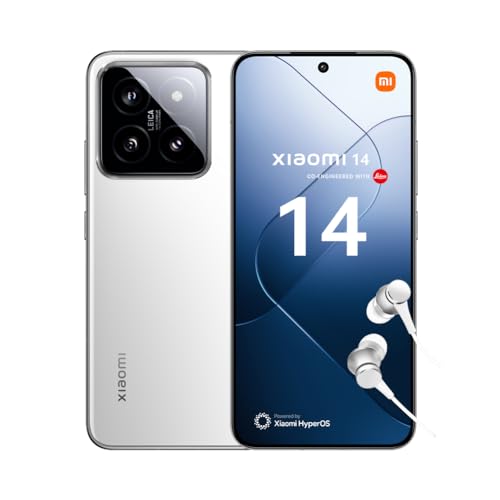
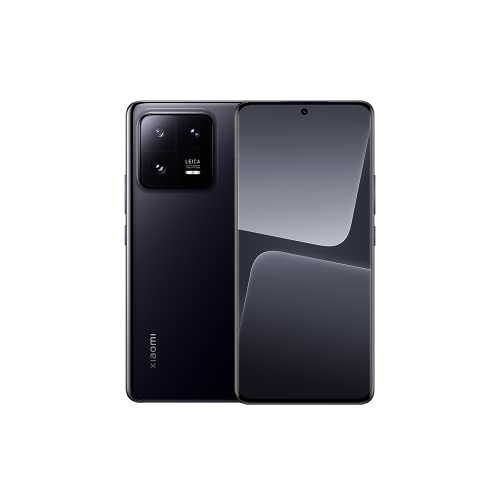
- Xiaomi (Overall score: 9.2 points)
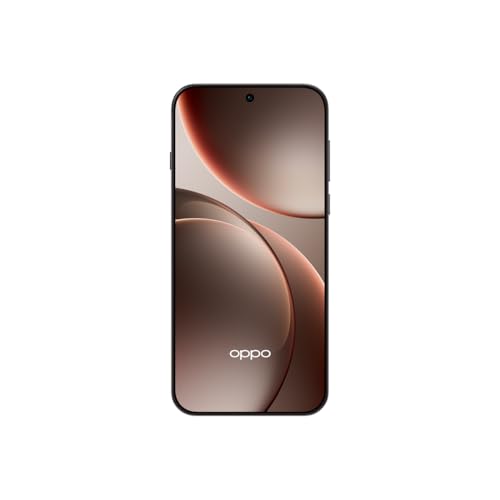
- Oppo (Overall score: 9 points)
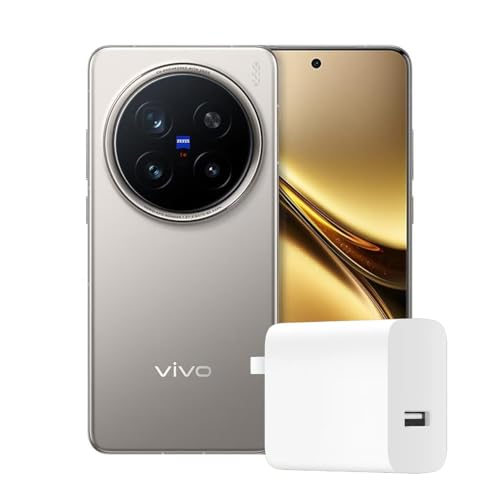
- vivo (Overall score: 8.8 points)
Note: Only brands with at least 6 smartphone models in our database, released since 2022, were considered.
The smartphones with the best camera performance (highest DxOMark mobile score) are as follows:
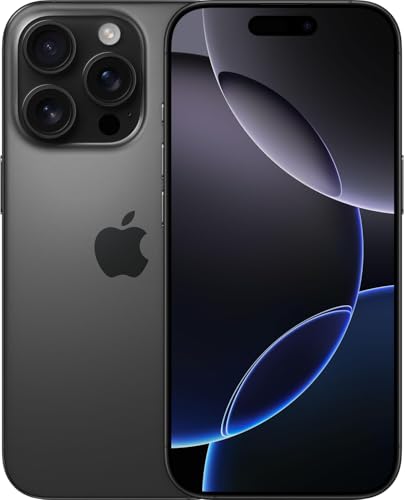
- Huawei Pura 80 (12GB + 1024GB) (DxOMark Mobile score: 175)
- Huawei Pura 80 Ultra (16GB + 1024GB) (DxOMark Mobile score: 175)
- Apple iPhone 17 Pro (12GB + 512GB) (DxOMark Mobile score: 168)
The chart below ranks smartphone brands with pro cameras based on their overall scores.
[horizontal-chart-12026347115045272956031230234955956631691222663113]
What are the resolution and pixel size of the main camera in the best smartphones?
The main cameras in the best smartphones usually range from 48 MP to 200 MP in resolution, with pixel sizes between 0.8 µm and 1.6 µm.
Higher resolution can capture more detail, but smaller pixels collect less light, which can lead to more noise in low-light scenes. Many high-resolution models use pixel binning, where several small pixels merge into one larger virtual pixel to improve brightness, reduce noise, and keep fine detail.
Resolution and pixel size work together, and neither should be judged in isolation. A phone with moderate resolution but large pixels can outperform a high-megapixel phone with tiny pixels, especially in challenging lighting conditions.
The following chart illustrates the distribution of main camera pixel sizes across smartphone models.
[vertical-chart-06601813899052221255154079343906725641152161534601]
What are the sensor size and aperture of the main camera in the best smartphones?
The best camera smartphones typically use sensor sizes from 1/1.3" to 1" and apertures between f/1.4 and f/1.9. Some feature variable apertures, such as f/1.4–f/4.0, that adjust to the lighting situation.
Larger sensors capture more light and detail, and wider apertures (lower f-numbers) let in more light, producing brighter images and stronger background separation in portraits.
Sensor size and aperture work best in balance with resolution and pixel size. A well-designed combination lets your phone deliver sharp, bright, and natural images in a wide range of conditions, rather than relying on a single specification.
What lenses do smartphones with the best camera include?
Smartphones with the best camera include the following lenses, each designed for a specific type of shot and image quality:
- Main (Wide) lens: This is your primary camera. It captures the highest-quality shots and works best in most lighting conditions. You use it for nearly all standard photos.
- Ultra-wide lens: This expands the field of view, so you can fit more into the frame. It works well for landscapes, group shots, and architecture.
- Telephoto lens: This lens zooms in without losing detail. It helps you shoot distant subjects clearly, and top phones use 2x, 3x, 5x, or even 10x optical zoom.
- Periscope lens: This is a special type of telephoto lens that fits sideways in the phone body using mirrors. It gives extreme optical zoom, often 5x to 10x, without a bulky camera bump.
- Depth sensor: This helps detect distance between objects and the camera. Phones use it for portrait shots and background blur effects.
- Macro lens: This captures small details up close, like textures or insects. It works best when you shoot from a few centimeters away.
- TOF (Time of Flight) Sensor: This sensor uses infrared to scan depth. It improves portrait mode and AR features.
- LiDAR scanner: Apple uses this in high-end models. It scans surroundings with laser pulses to create accurate depth maps for low-light focus and 3D mapping.
Some phones skip dedicated sensors and use advanced software instead, but top models still combine these lenses to give you the best results in every shot.
The chart below shows the distribution of optical zoom ranges for main cameras across smartphone models.
[vertical-chart-04575014843249631797081435346419867912933299619665]
What low-light technologies are used in the best camera smartphones?
The best camera smartphones use advanced low-light technologies to help you capture bright, detailed photos in dark conditions. These include the following:
- Large sensor size: Collects more light per shot, so you get clearer and brighter night images.
- Wide aperture (e.g. f/1.6 or lower): Lets in more light, which helps keep your shots sharp and detailed in low-light scenes.
- Pixel binning: Merges data from multiple pixels into one, so your photos look brighter and less noisy.
- Night mode: Uses multi-frame processing and long exposure to capture more detail and reduce blur.
- AI scene optimization: Detects low light and automatically adjusts settings like contrast and exposure.
- OIS (optical image stabilization): Reduces shake during longer exposures, so your shots stay sharp at night.
- LiDAR sensor or TOF sensor: Helps focus faster and more accurately in the dark, especially when depth sensing matters.
- Multi-frame noise reduction: Combines several shots to cut down on grain and improve clarity in low-light scenes.
- HDR fusion in night shots: Blends highlights and shadows better, so your night photos show both bright and dark areas clearly.
What manual controls are available in smartphones with the best camera?
Smartphones with the best camera have manual controls that let you adjust key photography settings yourself. The following are the most common manual controls you can use:
- Shutter speed: Controls how long the sensor captures light, so you can freeze fast action or create motion blur.
- ISO: Adjusts the sensor’s sensitivity to light, which affects image brightness and noise levels.
- Aperture: Changes the lens opening size, which controls light intake and depth of field.
- White balance: Sets the color temperature to match the lighting conditions and keep colors accurate.
- Focus: Lets you set the focus point manually for precise control over sharpness.
- Exposure compensation: Increases or decreases brightness without changing other settings.
- RAW capture: Saves unprocessed image data for maximum editing flexibility later.
What is the front camera quality of the best smartphones?
The front camera quality of the best smartphones reaches professional-level standards, as you get sharp images, accurate skin tones, and strong low-light performance.
Many use resolutions between 12 MP and 50 MP with large sensors (up to 1/1.3") and wide apertures (f/1.6–f/2.0) that capture more light for clear selfies in different lighting conditions. Top models also have larger native pixels (1.12 µm–1.6 µm) or use pixel binning to create virtual pixels up to 2.0 µm, which improves brightness and detail in low light. Autofocus, advanced HDR, and portrait modes give natural background blur without losing facial detail.
You also benefit from high-quality video recording, with many flagship phones supporting 4K at 60 fps or even 8K in some cases. Features like cinematic stabilization, AI-based exposure control, and accurate color rendering keep videos smooth and lifelike.
The available smartphones with the best front-camera performance, based on their DxOMark Selfie scores, are as follows:
- Apple iPhone 17 Pro (12GB + 512GB) (DxOMark Selfie score: 154)
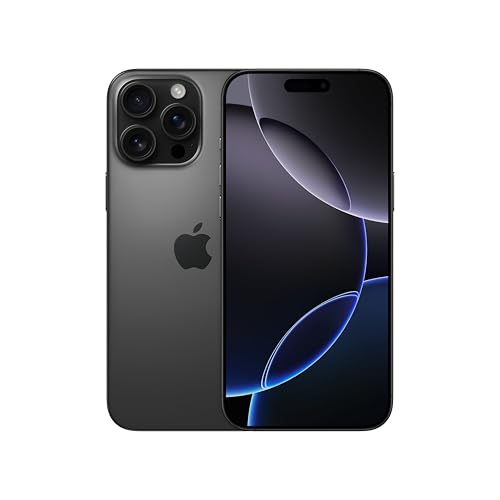
- Apple iPhone 16 Pro Max (256GB) (DxOMark Selfie score: 151)
- HONOR Magic6 Pro (12GB + 512GB) (DxOMark Selfie score: 151)
What video resolutions and frame rates do the best camera smartphones support?
The best camera smartphones support video recording in 4K and 8K resolutions with multiple frame rate options. You can shoot in 4K at 60 fps or 30 fps on almost all premium models. Some also support 4K at 120 fps for smoother slow-motion shots. If you want extreme detail, certain phones record in 8K at 30 fps, though this mode uses more storage and battery.
For slow-motion video, many phones record in Full HD (1080p) at 240 fps or even 960 fps, depending on the chipset and sensor. These modes work best in bright lighting and usually activate for short bursts. You also get cinematic modes that shoot in 24 fps for a film-like feel, and some models include 10-bit HDR video or Dolby Vision support, which gives better dynamic range and color depth.
What stabilization systems are used in the best smartphones for video?
The best smartphones for video use the following stabilization systems, which help reduce shake and keep your footage steady:
- OIS (Optical Image Stabilization): Moves the lens or sensor to counter small movements. It works well for handheld video and low-light shots.
- EIS (Electronic Image Stabilization): Uses software to crop and align frames, which smooths out motion. It works best in well-lit scenes and during walking or panning.
- Hybrid Stabilization: Combines OIS and EIS, so you get the mechanical benefits of OIS with the software corrections of EIS. This improves performance during fast movement or when running.
- Gimbal-like Stabilization: Simulates a physical gimbal using advanced motion sensors and multi-axis compensation. It improves stability during fast or jerky motion, especially in action footage.
- Adaptive Stabilization: Adjusts the strength of stabilization based on the type of movement or resolution you shoot in. It works differently at 1080p, 4K, or 8K.
Some phones also add AI-based video stabilization, which adjusts settings in real time. You benefit from smoother footage even when light conditions or motion patterns change.
What else should you consider when choosing a smartphone with the best cameras?
When choosing a smartphone with the best camera, you should also consider the following, as these factors affect the overall performance and user experience.
- CPU: A strong processor like Snapdragon 8 Gen 3, Apple A18 Pro, or Dimensity 9300 runs the system smoothly and handles demanding apps. It affects gaming, multitasking, and long-term speed, so choose a recent flagship chipset for the best performance.
- RAM: More memory lets you keep more apps open and switch between them without delays. 8 GB is good for everyday use, while 12 GB or more suits heavy multitasking, large app usage, and demanding workflows.
- Storage: High-capacity storage means more space for apps, games, and files. Go for at least 256 GB if you store videos or download a lot of content. Faster standards like UFS 4.0 load apps and transfer files quicker.
- Display: A high-quality display improves everything from browsing to streaming. Look for OLED or AMOLED panels with at least 120 Hz refresh rate for smooth scrolling, high brightness for outdoor use, and HDR support for richer colors.
- Battery: A large battery (around 5000 mAh) and fast charging keep your phone ready throughout the day. Wireless and reverse charging add convenience if you power accessories or other devices.
- Connectivity: 5G, Wi-Fi 6/6E/7, Bluetooth 5.3, and NFC enhance speed and compatibility. They make the device future-ready for faster networks, better audio connections, and contactless payments.