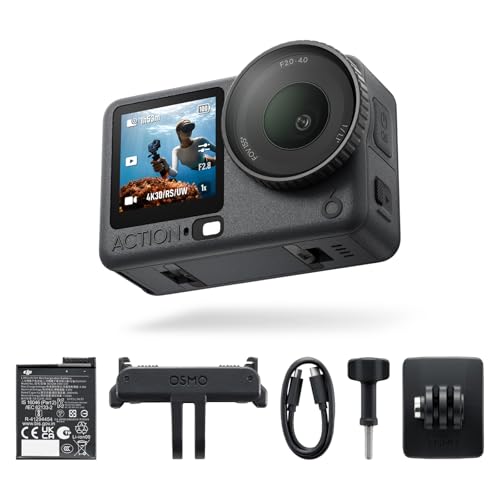

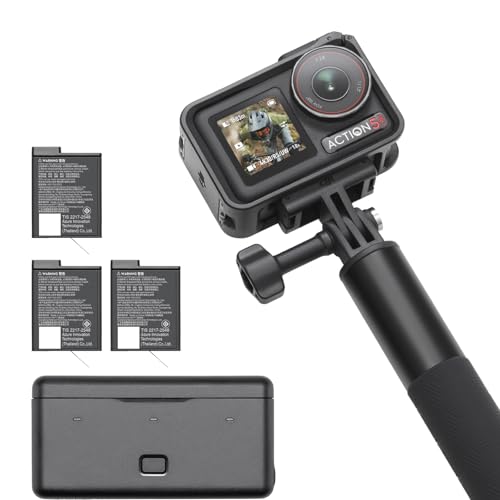
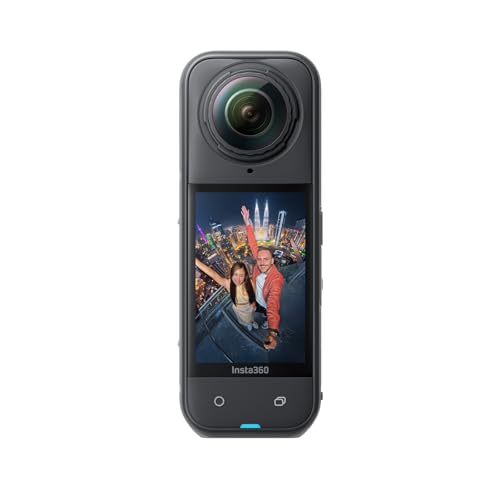
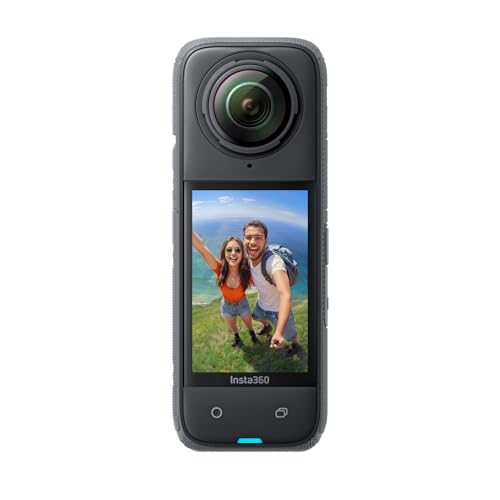
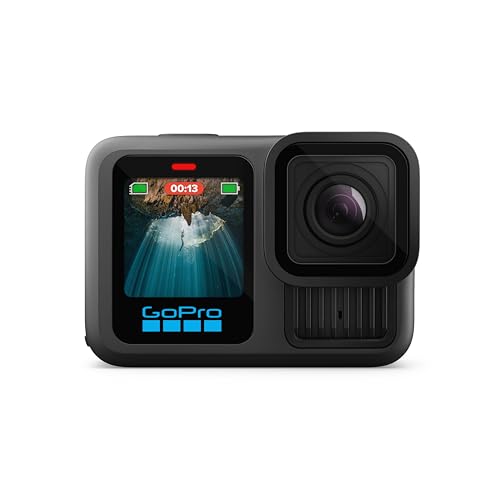
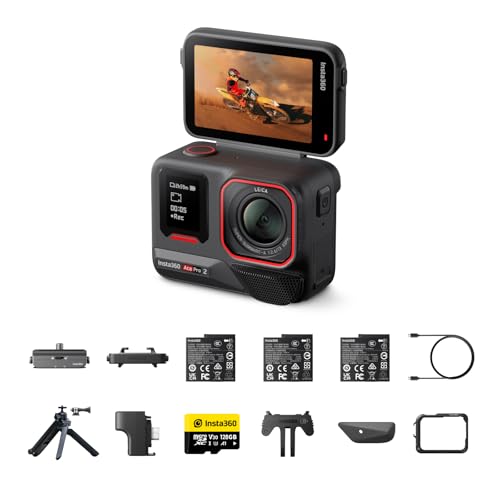
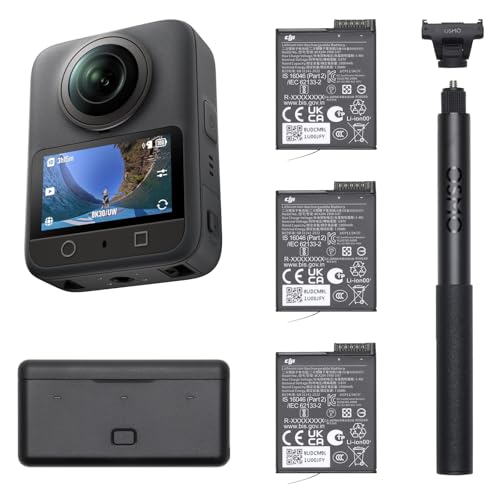
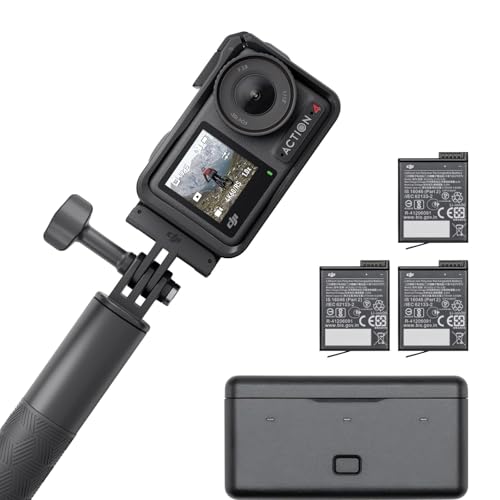
Which brands make the best action cameras?
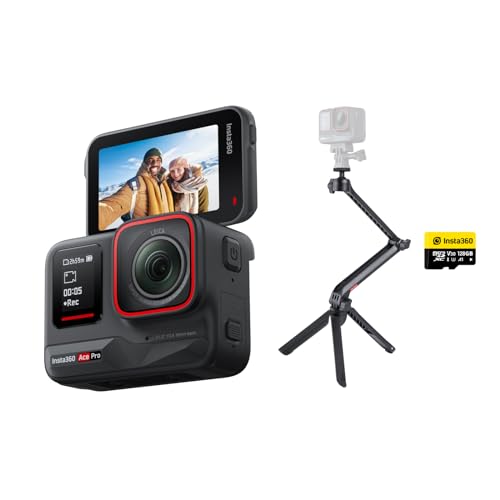
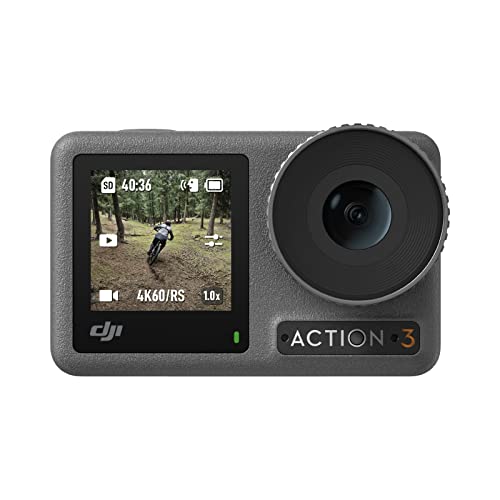
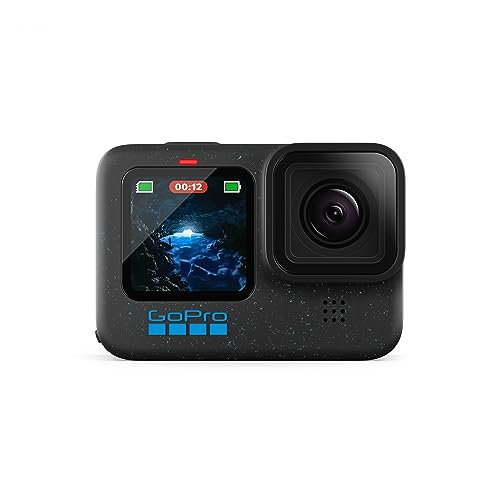
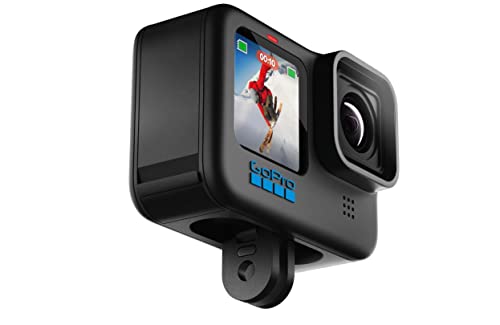
The best action camera brands are as follows:
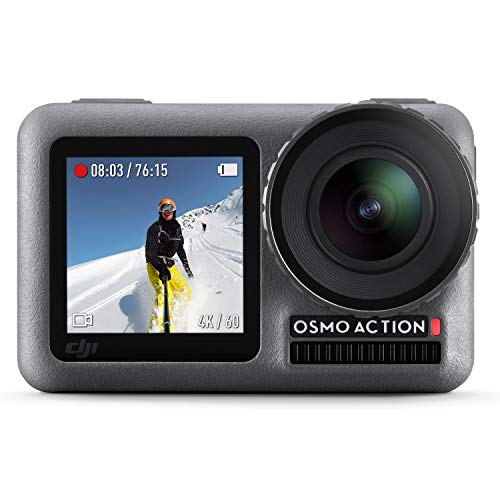
- DJI (Average overall score: 8.1)
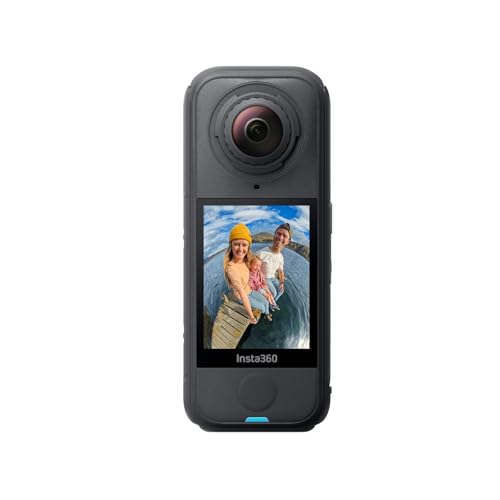
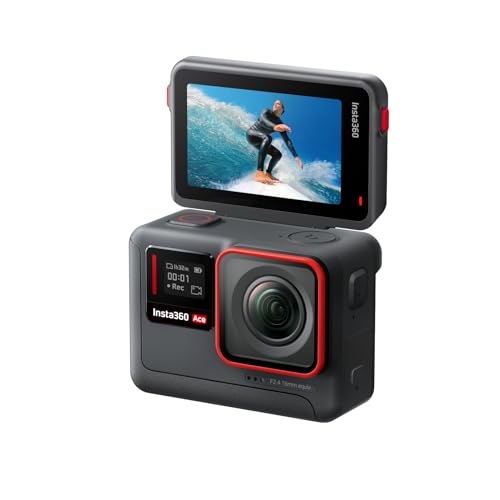
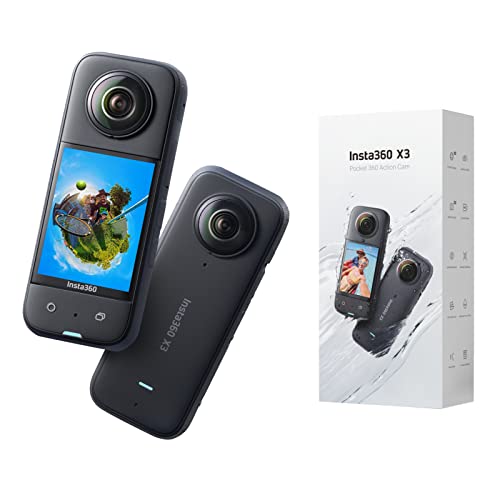
- Insta360 (Average overall score: 8)
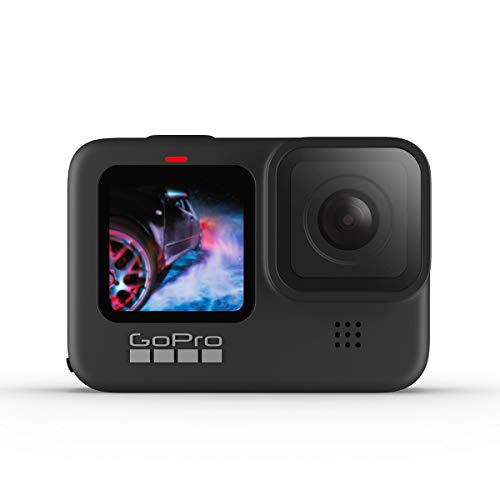
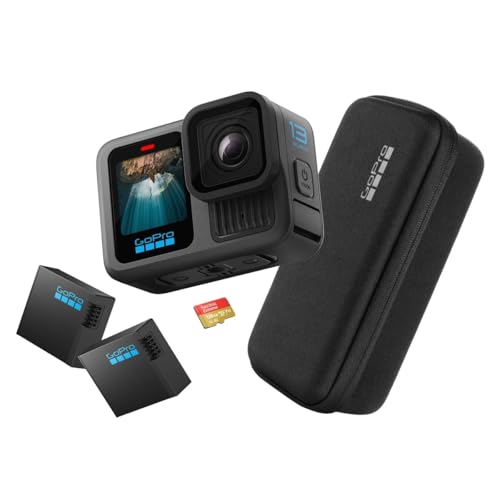
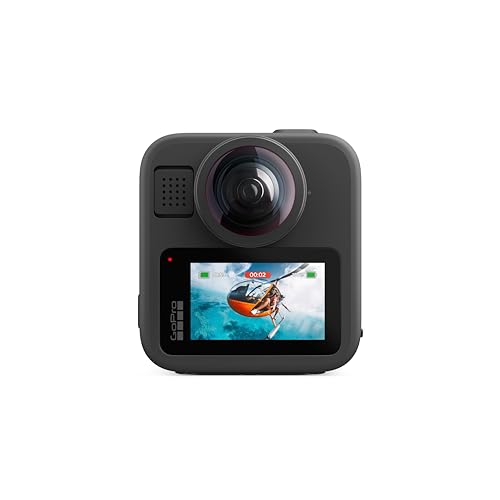
- GoPro (Average overall score: 7.7)
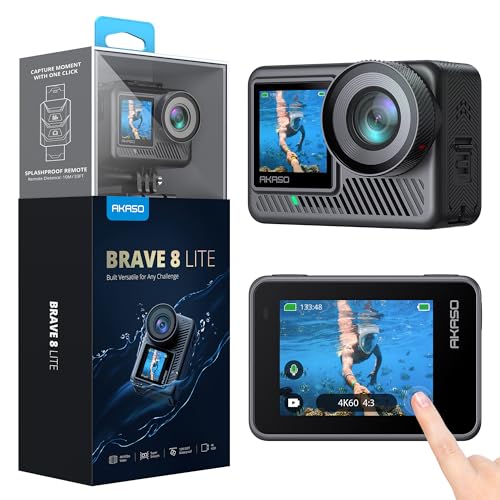
- AKASO (Average overall score: 6.9)
The chart below compares action camera brands by average overall score.
[horizontal-chart-14343228374017860039003672459176641080610374303921]
Which action camera brands offer the best value for money?
The action camera brands with the best value for money are as follows:
- DJI (Average value-for-money score: 8.4)
- Insta360 (Average value-for-money score: 8.2)
- GoPro (Average value-for-money score: 7.8)
- AKASO (Average value-for-money score: 7.8)
The chart below compares action camera brands by average value-for-money score.
[horizontal-chart-00636472722559982932169222060725649334440453808588]

How much do the best action cameras cost?
The best action cameras usually cost about £150-£520, with many of the strongest buying choices sitting around £220-£390.
Below about £130-£170, you can still find useful models for casual travel clips, cycling, or family holidays. What usually drops off first is sensor quality, stabilization strength, low-light performance, or battery efficiency.
The more dependable mid-range is where 4K recording, good slow motion, usable app support, and stronger waterproofing tend to come together without flagship pricing.
Above about £400-£500, you are usually paying for sharper 5.3K or 5.7K capture, better stabilization, stronger color options, larger sensors, or a more polished ecosystem. That tier makes the most sense if you regularly shoot action sports, travel footage, or content you plan to crop and edit seriously.
What video quality do the best action cameras offer?
The best action cameras now range from solid 4K models up to sharper 5.3K, 5.7K, and even 8K options, but 4K at high bitrates is still the practical sweet spot for most buyers.
A lot of cheaper cameras advertise 4K, yet the real difference is how clean that 4K looks once you add motion, clouds, trees, water spray, or low light.
Stronger models usually give you better sensor readout, cleaner detail, less smearing, and more useful slow-motion modes such as 4K/60, 4K/120, or 1080p/240.
Higher tiers above ordinary 4K make the most sense when you want extra cropping room, stronger reframing for social formats, or more editing headroom. If you mainly upload straight to Instagram, YouTube, or travel albums, good native 4K quality is often a smarter priority than chasing 5.7K or 8K on paper.
How good is stabilization on the best action cameras?
Stabilization on the best action cameras is usually very good, and in the stronger part of the market it is one of the biggest reasons to spend more than the entry level.
Cheaper cameras may offer only basic electronic stabilization that works for walking or casual handheld clips but starts to wobble, crop heavily, or fall apart once you mount the camera on a bike, helmet, chest strap, or ski setup.
Better models usually keep footage smoother during running, mountain biking, snow sports, or rougher travel shots without making the image look overly artificial.
For most people, strong 4K stabilization matters more than a headline resolution jump. If your footage will mostly be captured on a handlebar, chest mount, helmet, or selfie stick, it is worth prioritizing proven stabilization performance over a cheaper spec sheet.
How waterproof are the best action cameras?
The best action cameras are often waterproof without a case to about 10-16 meters, which is enough for rain, surfing, pool use, cliff jumps, and a lot of snorkeling.
That built-in waterproofing is one of the biggest practical advantages of the category, but it is not the same as true diving readiness.
If you plan to go beyond ordinary swim and surface use, a dedicated dive housing usually matters more than the camera's bare-body rating, because deeper pressure and longer underwater sessions need more margin.
In practice, about 10 meters is already workable for casual water use, while 12-16 meters gives you a little more flexibility before extra protection becomes necessary. Buyers who mainly film beaches, paddle sports, and family holidays can treat native waterproofing as enough, but divers should check the housing depth band before buying.
How long does the battery last on the best action cameras?
Battery life on the best action cameras varies a lot with resolution, frame rate, stabilization, and temperature, but around 45-120 minutes per battery is a realistic working range for demanding recording.
At the lower end, 4K with strong stabilization, cold weather, or higher frame rates can drain a camera in under an hour.
More efficient models can stretch closer to 90-120 minutes in lighter recording modes, and some large-battery designs can go longer in the easiest settings, but action cameras are still short-session devices compared with ordinary travel cameras.
That is why buyers should think beyond the single quoted battery figure. For skiing, cycling, diving, travel days, or long hikes, spare batteries or external charging matter almost as much as the camera itself, and a model with replaceable batteries is usually the safer buy if you plan to record for hours instead of just grabbing short clips.
What mounting options and accessories matter most on action cameras?
Mounting flexibility is one of the main reasons to buy an action camera instead of a phone or compact camera, so the ecosystem matters almost as much as the camera body.
The practical basics are helmet, chest, handlebar, clip, suction, tripod, and selfie-stick support, plus a standard mounting interface or an easy adapter system.
If you already own GoPro-style mounts, it is worth checking compatibility before buying, because some cheaper cameras look similar but come with weaker adapters or a thinner accessory ecosystem.
Accessories also affect long-term value. Extra batteries, charging cases, dive housings, microphone adapters, floating grips, and protective frames can turn a good camera into a much more useful travel or sports tool, especially if you shoot cycling, motorsports, skiing, or underwater footage.
What trade-offs should you check before buying an action camera?
When comparing action cameras, check the following technical trade-offs.
- Resolution and frame rate versus heat and storage: Verify the exact modes available, including 4K/60, 4K/120, 5.3K, or higher resolutions. Higher modes increase bitrate, card use, processor load, and overheating risk, and may impose shorter clip limits.
- Stabilization versus field of view: Confirm which stabilization and horizon-leveling modes work at your chosen resolution and frame rate. Stronger correction can crop the image heavily, disable wide lens modes, or become unavailable with HDR or high-frame-rate recording.
- Sensor size versus camera size: Larger sensors generally improve dynamic range and low-light quality, but they can require a larger body, more cooling, and a greater minimum focusing distance. Check whether close subjects remain sharp and whether motion is smeared by slow shutter speeds.
- Bitrate and color versus workflow: Check maximum bitrate, H.264 or H.265, 8-bit or 10-bit color, chroma subsampling, and flat, log, or HDR profiles. More flexible files need faster memory cards, more storage, and editing hardware that can decode them smoothly.
- Battery capacity versus weight: Compare runtime in the exact mode you intend to use with stabilization, screens, GPS, and wireless features enabled. Larger batteries improve endurance but add weight, while cold weather and high frame rates can shorten runtime sharply.
- Waterproofing versus port access: Native sealing is useful for rain and immersion, but opening a door for USB power or an external microphone removes that protection. Check native depth, housing depth, seal maintenance, and whether charging or audio accessories compromise weather resistance.
- Low-light sensitivity versus motion sharpness: A brighter exposure can come from higher ISO, a wider aperture, or a slower shutter speed. Check whether the camera preserves moving detail rather than producing heavy noise reduction, ghosting, or motion blur.
- Mounting flexibility versus vibration: Confirm compatibility with helmet, chest, handlebar, suction, tripod, and quick-release mounts. A secure interface, rigid adapter, and replaceable lens cover matter more under vibration than the number of accessories included in the box.
- Audio quality versus sealing: Internal microphones must manage wind, water, and vibration through protected openings. Check external-microphone support, adapter requirements, Bluetooth latency, channel configuration, and whether the audio setup blocks charging or waterproofing.
- Software convenience versus ecosystem lock-in: Evaluate app stability, transfer speed, firmware history, GPS or telemetry export, desktop tools, cloud requirements, and compatibility with third-party editors. Proprietary mounts, batteries, codecs, or subscriptions can increase long-term ownership cost.