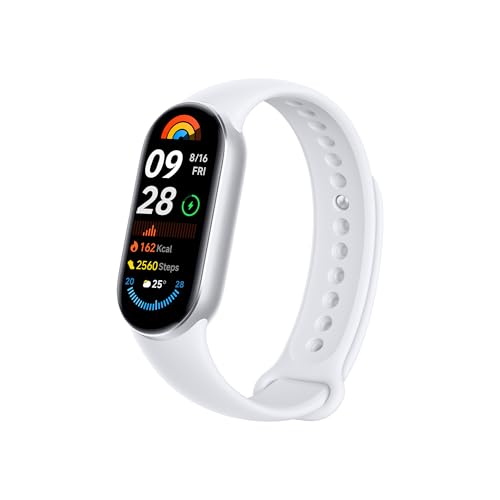
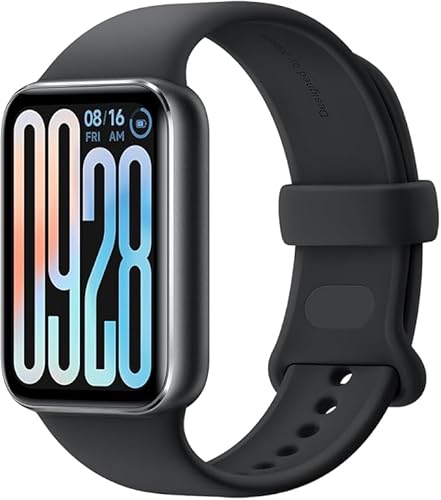
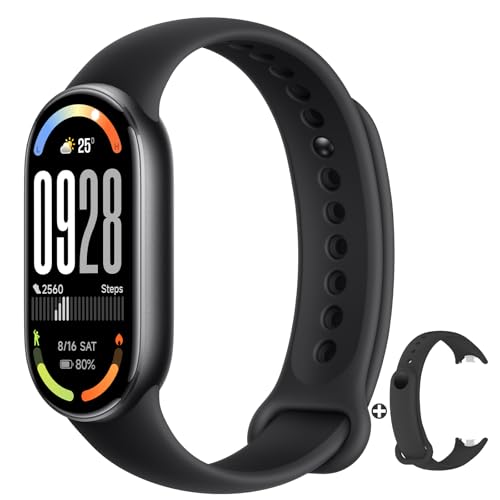
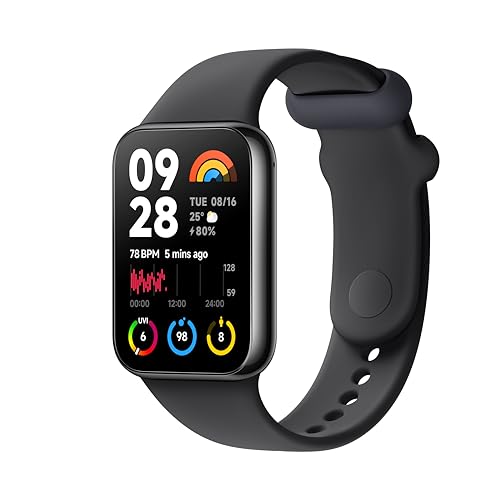
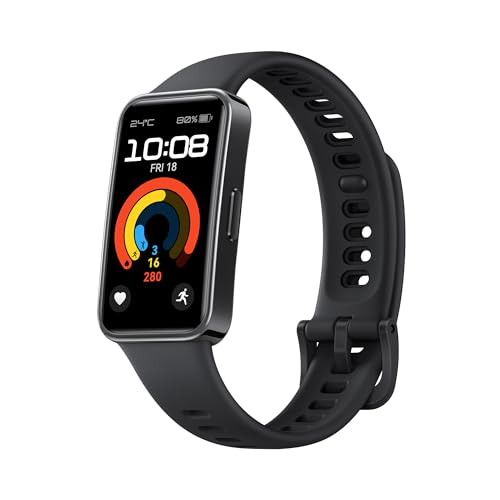
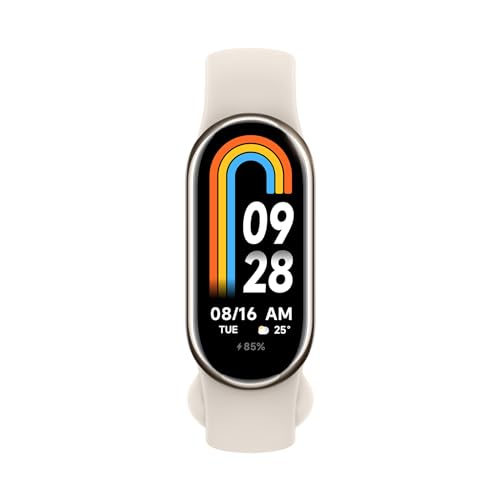
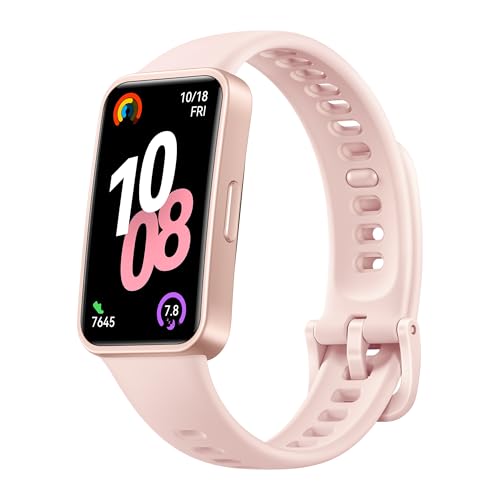
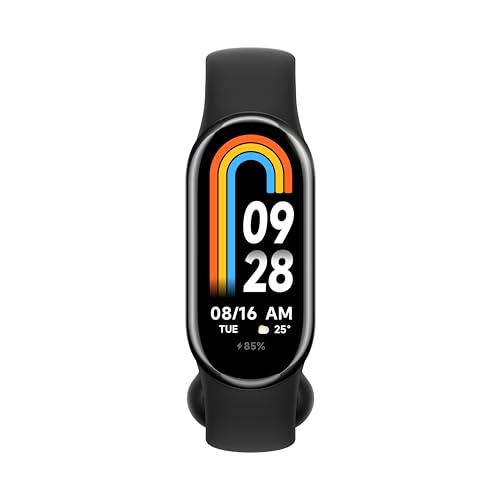
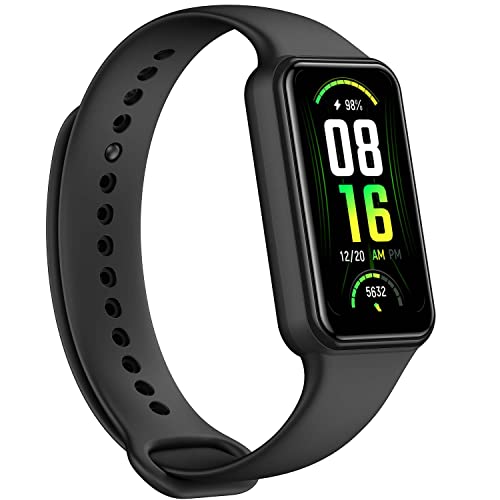
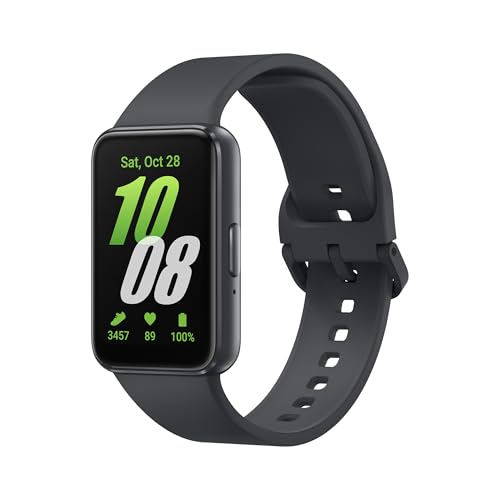
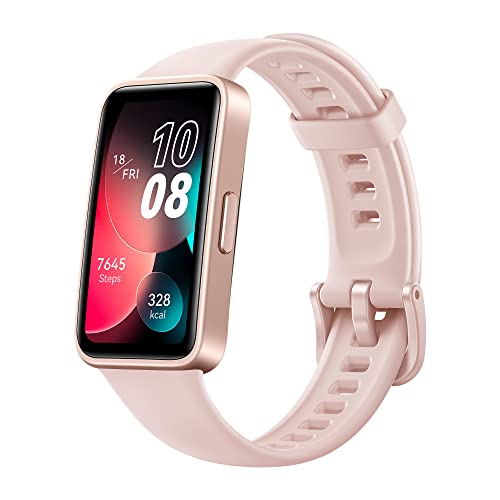
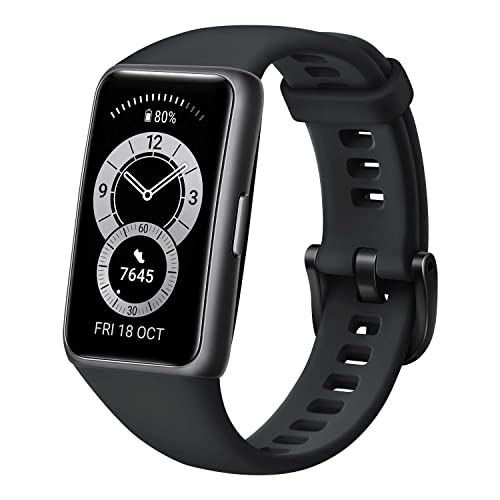
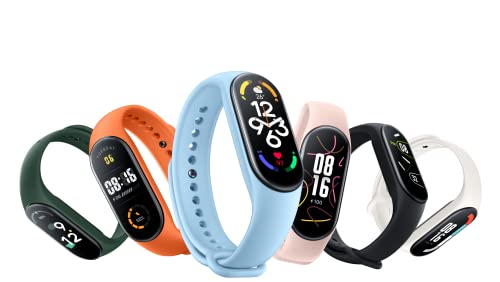
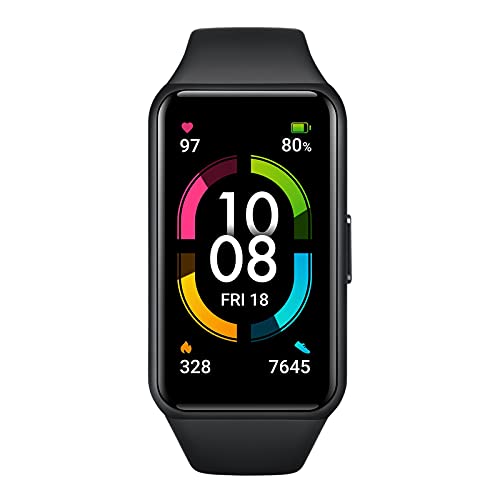
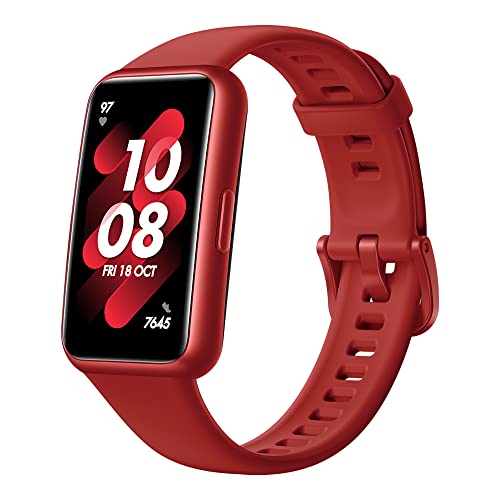
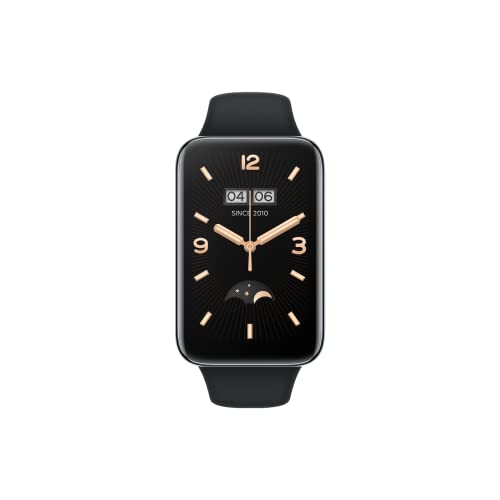
What are the best fitness tracker brands in 2026?
The best fitness tracker brands in 2026 are as follows:
- Xiaomi (Average overall score: 8.6)
- Honor (Average overall score: 8.3)
- Samsung (Average overall score: 8)
The chart below ranks fitness tracker brands by average overall score.
[horizontal-chart-09841709301693902516072834423242461322883616804471]
Which fitness tracker brands have the highest user ratings?
The fitness tracker brands with the highest user ratings are as follows:
- Huawei (Average user rating: 9.2)
- Samsung (Average user rating: 9.1)
- Fitbit (Average user rating: 9.1)
The chart below compares fitness tracker brands by average user rating.
[horizontal-chart-02473034961608125554101767153792813309290750980300]
Which fitness trackers offer the best value for money?
The fitness tracker brands with the best value for money are as follows:
- Xiaomi (Average quality-price ratio: 8.8)
- Honor (Average quality-price ratio: 8.8)
- Huawei (Average quality-price ratio: 8.5)
The following chart compares fitness tracker brands by average quality-price ratio.
[horizontal-chart-15532057255820389186102999569926902526553134049133]
How much do the best fitness trackers cost?
The best fitness trackers usually cost about £55-£215.
At roughly £55-£85, you can already find very capable fitness trackers with solid heart-rate tracking, sleep tracking, AMOLED displays on many models, and dependable app support. Between about £85 and £155, the market usually becomes stronger for buyers who want better materials, more accurate sensors, built-in GPS, and more complete training features. From roughly £155 to £215 and above, the focus shifts toward premium build quality, stronger outdoor or multisport tracking, longer battery life under training load, and deeper coaching or recovery tools, though much higher prices often reflect specialist sports features or smartwatch-style extras rather than better basic tracking.
What health and activity tracking features do the best fitness trackers offer?
The best fitness trackers offer the following health and activity tracking features:
- Heart rate tracking: Measures your pulse throughout the day and during workouts, which helps with zone training, recovery tracking, and general fitness trends.
- Sleep tracking: Estimates sleep duration, stages, and nighttime disturbances, so you can spot habits that improve or weaken recovery.
- Blood oxygen monitoring: Adds another wellness metric that can be useful during sleep, altitude changes, or recovery-focused tracking.
- GPS or connected GPS: Records route, pace, and distance more accurately for walking, running, and cycling sessions.
- Workout and sports profiles: Gives you mode-specific metrics for activities such as running, indoor training, swimming, and cycling instead of just generic step counts.
- Training and recovery tools: Better trackers now add features like VO2 max estimates, recovery guidance, stress tracking, readiness scores, or adaptive goals.
How accurate are fitness tracker heart rate and sleep measurements?
Fitness tracker heart rate and sleep measurements are useful for trends, but they are not equally accurate in every situation.
Heart rate tracking is usually most reliable during steady walks, runs, and day-to-day monitoring when the band fits snugly on the wrist. Accuracy often drops during interval training, strength work, cold-weather sessions, or any movement pattern that makes the sensor bounce or lose skin contact.
Sleep tracking is best treated as an estimate of routine rather than a medical reading. Good fitness trackers can show whether you slept longer, shorter, or more restlessly than usual, but exact sleep stages and wake-up moments are still more approximate than the simple total sleep time trend.
Which sensors matter most in a fitness tracker?
The sensors that matter most in a fitness tracker are the optical heart-rate sensor, accelerometer, and GPS, with a few extra sensors becoming important for specific goals.
- Optical heart-rate sensor: This is the core health sensor because it powers resting heart rate, workout intensity, stress, and many recovery estimates.
- Accelerometer: It detects movement, steps, and general activity patterns, and it also supports sleep tracking and automatic workout detection.
- GPS: Built-in GPS matters if you want accurate route, pace, and distance data without carrying your phone.
- Blood oxygen sensor: This is useful when you care about extra wellness tracking, sleep-related metrics, or altitude-aware monitoring.
- Barometer or altimeter: These sensors matter more for hikers, trail runners, and stair or elevation tracking than for basic daily step counting.
How long does the battery last on the best fitness trackers?
The best fitness trackers usually last about 5-14 days on a charge, although GPS-heavy use can reduce that number sharply.
Slim everyday bands often sit near the lower half of that range when they use bright AMOLED screens, frequent heart-rate checks, and richer notifications. More efficiency-focused trackers can stretch well beyond a week because they use simpler displays, lighter software, or larger batteries relative to their hardware demands.
Built-in GPS has the biggest impact on battery life during workouts. A tracker that lasts many days in normal daily use may drop to only several hours of continuous GPS recording, so runners and hikers should pay more attention to training-mode battery figures than to headline standby claims.
What kind of display do the best fitness trackers have?
The best fitness trackers usually have AMOLED or OLED displays, while simpler models still use LCD or monochrome panels to save power and cost. AMOLED and OLED screens look brighter, sharper, and more premium, which makes stats, notifications, and workout screens easier to read in mixed lighting.
Simpler displays can still be a smart choice when battery life, lower price, and lightweight design matter more than visual polish. They usually look less impressive, but they often help a tracker stay more efficient for long everyday wear.
What app and phone compatibility do the best fitness trackers support?
The best fitness trackers usually support both Android and iPhone, but app quality and feature depth vary more than the hardware itself. Basic pairing, notifications, workout sync, and health summaries are common across both platforms, while smaller convenience features such as quick replies, wallet support, and Apple Health or Google Fit integration can differ by brand.
The companion app matters almost as much as the tracker on your wrist. A strong app makes trends easy to read, keeps settings simple, and exports workouts cleanly, so buyers should check ecosystem support as carefully as the sensor list.
How comfortable are the best fitness trackers to wear all day?
The best fitness trackers are comfortable enough to wear all day because they stay light, slim, and flexible on the wrist. Most good models avoid the bulky feel of a large smartwatch by using narrow bodies, soft straps, and low overall weight, which matters if you want to wear the tracker through work, sleep, and training.
Comfort also depends on fit. A strap that is too loose hurts tracking accuracy, while one that is too tight becomes annoying during long wear or sleep, so the best trackers stay secure without feeling intrusive.
How durable and water-resistant are the best fitness trackers?
The best fitness trackers are usually durable enough for daily workouts, outdoor use, and regular water exposure, but not every model is equally swim-friendly. A good baseline is 5 ATM water resistance, because that is the level most buyers should expect if they want showering, sweaty training, and pool use without worrying about the tracker.
Durability also depends on the case, screen, and strap materials. Splash-resistant models are fine for lighter daily use, but buyers who train hard or swim regularly should still check the exact water rating and overall build quality before assuming a tracker can handle rough wear.