
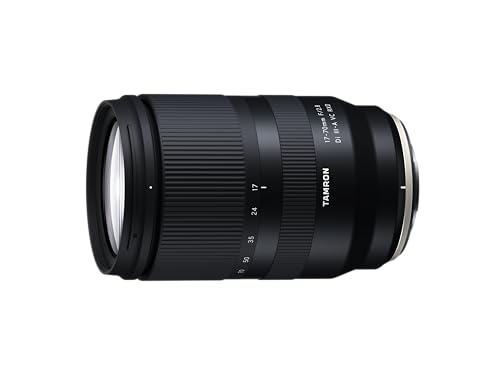
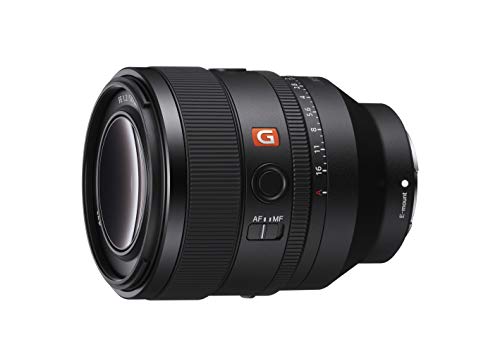
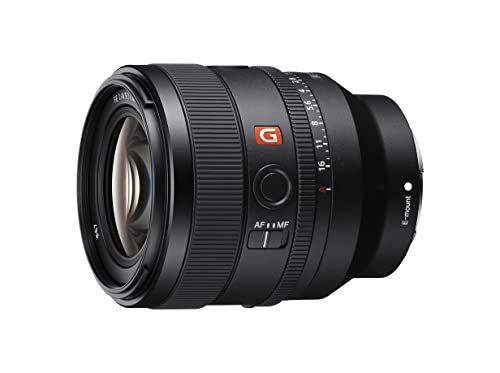
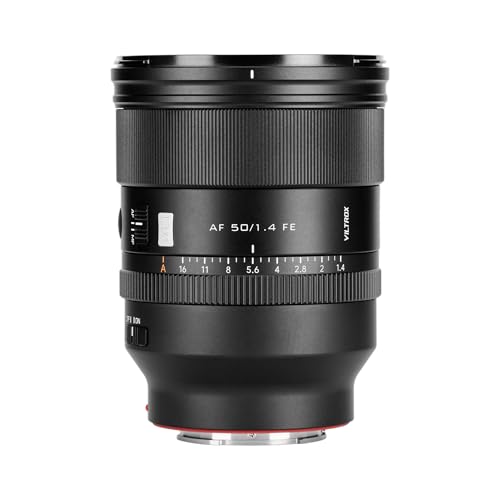
Which brands make the best camera lenses?
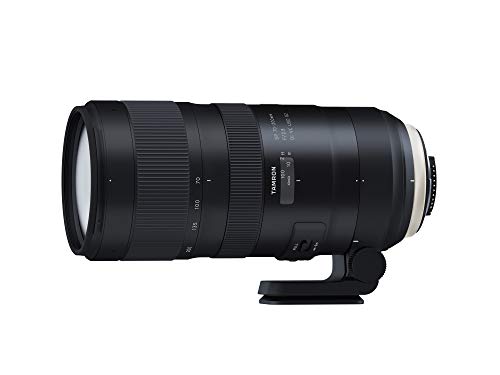
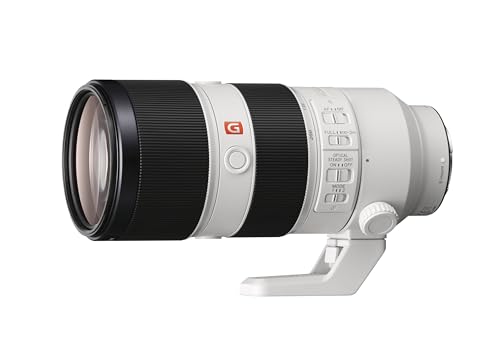
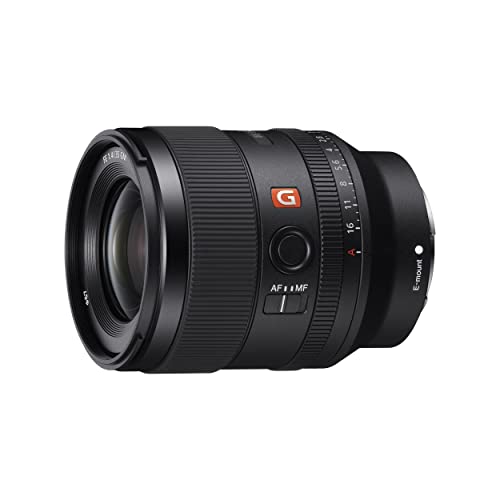
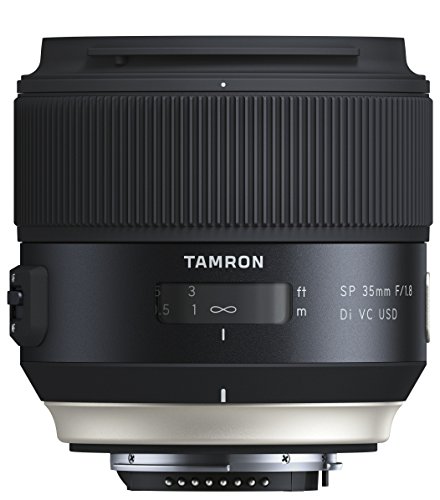
The camera lens brands with the highest average overall scores are as follows:
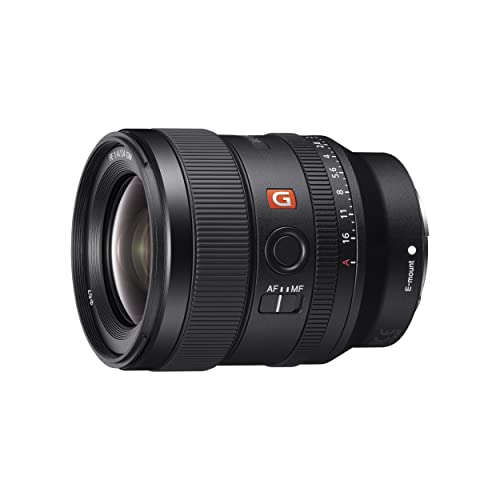
- Sony (Average overall score: 8.3)
- Sigma (Average overall score: 8.3)
- Tamron (Average overall score: 8.3)
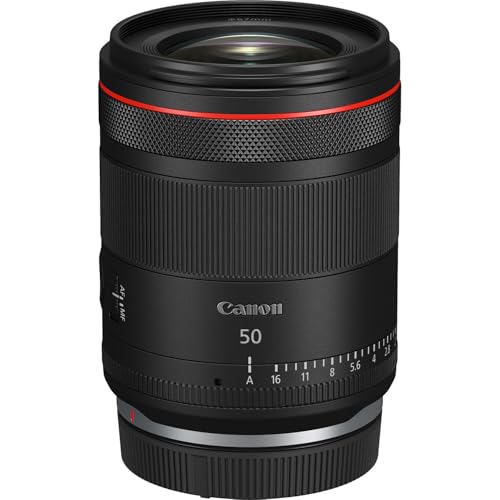
- Canon (Average overall score: 8.2)
The chart below compares camera lens brands by average overall score.
[horizontal-chart-11494132347064144310168291166362011234964167001587]


Which camera lens brands have the highest user ratings?
The camera lens brands with the highest average user ratings are as follows:
- Canon (Average user rating: 9.5)
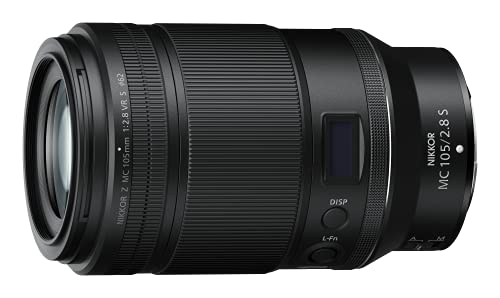
- Nikon (Average user rating: 9.3)
- ZEISS (Average user rating: 9.3)
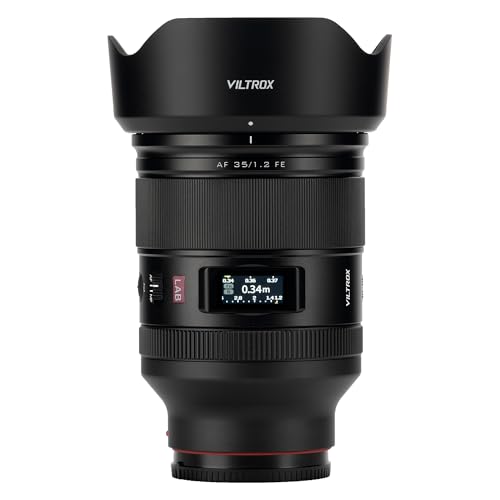
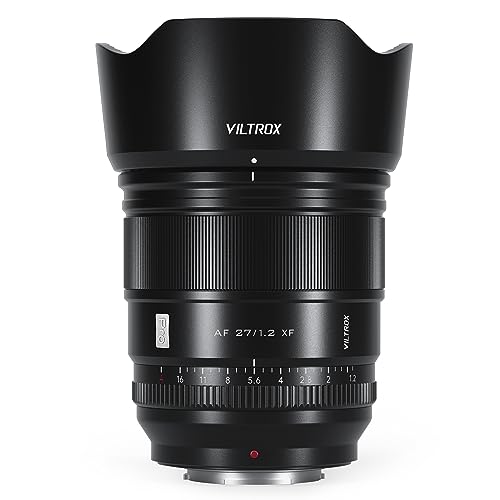
- Viltrox (Average user rating: 9.3)
The chart below compares camera lens brands by average user rating.
[horizontal-chart-14593167519553640561019346115931013315731746408630]
Which camera lens brands offer the best value for money?
The camera lens brands with the best average value for money are as follows:
- Tamron (Average value-for-money score: 8.1)
- Viltrox (Average value-for-money score: 8)
- Sigma (Average value-for-money score: 8)
- Nikon (Average value-for-money score: 7.9)
The chart below compares camera lens brands by average value-for-money score.
[horizontal-chart-09930321210212699063118561016580840711854275042784]
What are the main types of camera lenses?
The main camera lens types are as follows:
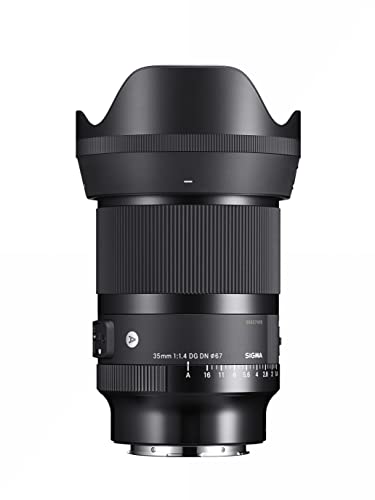
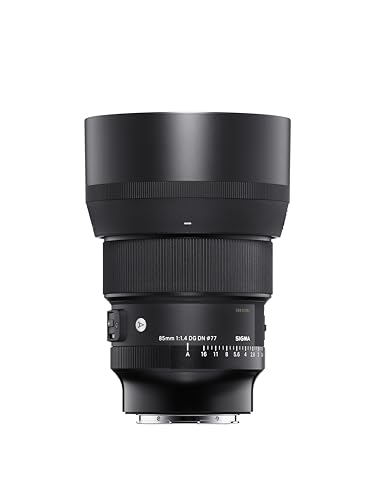
- Prime lenses: A prime uses one fixed focal length. It is often smaller and brighter than a comparable zoom, making it a strong choice for portraits, street photography, low light, and photographers who value a consistent perspective.
- Standard zoom lenses: Standard zooms cover everyday focal lengths and reduce the need to change lenses. They are practical for travel, events, family photography, and general use, although the brightest models can be large and expensive.
- Wide-angle lenses: Wide and ultra-wide lenses fit more of a scene into the frame. They are commonly used for landscapes, interiors, architecture, environmental portraits, and dramatic close viewpoints.
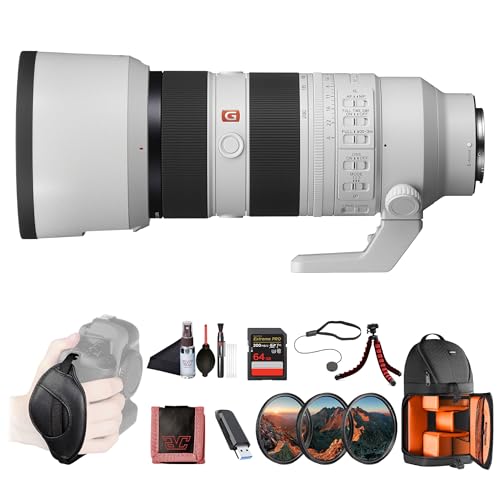
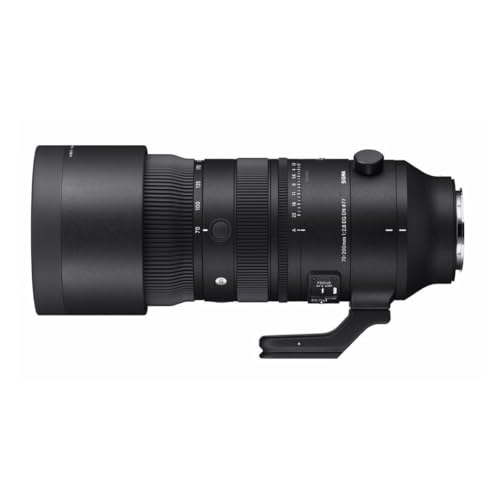
- Telephoto lenses: Telephoto lenses enlarge distant subjects and compress perspective. They suit wildlife, sports, stage photography, aviation, and portraits where extra working distance is useful.
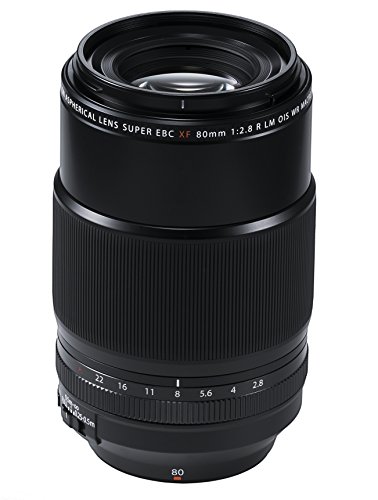
- Macro lenses: Macro lenses focus close enough to reproduce small subjects at high magnification. They are designed for insects, flowers, products, details, and copy work, but many also perform well as sharp portrait primes.
- Specialist lenses: Fisheye, tilt-shift, cine, and super-telephoto lenses solve narrower creative or technical problems. They are worth considering only when their distinctive rendering, movements, gearing, or extreme reach is central to the work.
What are prime and zoom camera lenses best for?
Prime lenses are best when brightness, compactness, or a deliberate fixed perspective matters more than convenience. A 35 mm or 50 mm prime can be an excellent everyday lens, while an 85 mm prime is a classic portrait option. Because a prime does not need to cover a focal range, it can often provide a wider aperture or stronger optical performance without becoming as large as a professional zoom.
Zoom lenses are best when the subject distance and composition change quickly. A standard zoom works well for events and travel, while wide-angle and telephoto zooms cover more specialized situations without repeated lens changes. The trade-off is usually greater size, a slower maximum aperture, or a higher price for models that maintain f/2.8 throughout the range.
Which focal lengths are best for different photography styles?
Useful focal-length ranges for common photography styles are as follows:
- Ultra-wide, roughly 8–20 mm: This range emphasizes space and perspective, making it useful for architecture, interiors, night skies, and expansive landscapes. Very short focal lengths require careful composition because objects near the frame edges can look stretched.
- Wide angle, roughly 20–35 mm: Wide-angle lenses work well for landscapes, travel, documentary photography, and environmental portraits. They include more context without the extreme perspective of an ultra-wide lens.
- Normal, roughly 35–70 mm: These focal lengths produce a natural-looking perspective for street, family, food, and everyday photography. Around 50 mm is a common starting point for a compact general-purpose prime.
- Short telephoto, roughly 70–135 mm: This range is popular for portraits, details, indoor sports, and events. It offers useful subject separation and working distance without the size of a long wildlife lens.
- Telephoto, roughly 135–300 mm: These lenses suit field sports, wildlife, stage work, and compressed landscape compositions. Faster shutter speeds or stabilization become increasingly important as focal length rises.
- Super-telephoto, above 300 mm: Extreme reach is intended for distant wildlife, motorsport, aviation, and specialized outdoor work. These lenses are usually larger, more expensive, and more demanding to support and track.
What aperture should you look for in a camera lens?
The most useful maximum aperture is the widest one that you can afford and comfortably carry for the intended focal length. An f/1.4 or f/1.8 prime is valuable for low-light scenes and shallow depth of field, while an f/2.8 zoom is a common professional compromise between brightness and versatility.
A slower f/4 zoom can be considerably smaller and lighter, and modern cameras often compensate with good high-ISO performance. Variable-aperture travel and telephoto zooms may become f/5.6 or f/6.3 at the long end; they need more light or a slower shutter speed but can make long focal ranges practical to carry.
Aperture should therefore be judged together with focal length, stabilization, autofocus, and size. Paying for an extremely bright lens makes sense when subject separation or shutter speed is critical, but it offers less benefit when depth of field, portability, or outdoor daylight matters more.
How important is image stabilization in a camera lens?
Image stabilization is highly valuable for handheld photography at slow shutter speeds and long focal lengths, but it is not essential for every lens. Optical stabilization can reduce camera shake when photographing static subjects, making it easier to work in dim light or with telephoto framing. It also helps video footage look steadier when the camera is not mounted on a tripod or gimbal.
Stabilization does not freeze subject movement, and its benefit overlaps with in-body image stabilization on many modern cameras. Sports, wildlife, and event photographers may still need a fast shutter speed, while users of bright wide-angle primes may gain little from lens-based stabilization. Check how the lens and camera stabilization systems cooperate, especially with adapted or third-party lenses.
The chart below shows how optical image stabilization is distributed across camera lenses.
[pie-chart-04673148286104448857092922324947286915792892477626]
How much do the best camera lenses cost?
New camera lenses typically cost about £100-£2,200, although simple primes can cost less and professional super-telephotos can exceed £8,600. Price rises with focal length, maximum aperture, autofocus hardware, stabilization, optical complexity, and weather-resistant construction.
Below about £340, buyers mainly find compact primes, kit-style zooms, and slower designs. The £300-£1,300 range covers many strong enthusiast primes and zooms with faster focusing, brighter apertures, better coatings, and more durable bodies.
Above roughly £1,700, the premium usually pays for f/2.8 zooms, very bright primes, specialist optics, or long telephoto reach. Spend at this level only when the extra speed, reach, durability, or lower weight solves a specific need.
How can you check whether a lens is compatible with your camera?
The main compatibility checks are as follows:
- Lens mount: The physical mount must match the camera body. Adapters can connect some systems, but autofocus speed, stabilization, aperture control, and metadata may not work exactly as they do with a native lens.
- Sensor coverage: Confirm whether the lens covers full frame, APS-C, Micro Four Thirds, medium format, or another sensor size. A lens designed for a smaller format can crop heavily or produce dark corners on a larger sensor.
- Electronic communication: Check whether aperture control, EXIF data, lens corrections, focus confirmation, and firmware updates are supported. Fully manual lenses may have no electronic connection even when the mount fits.
- Autofocus support: Older bodies and lenses may depend on a camera-driven focus motor, while modern lenses usually contain their own motor. Video and action work also benefit from quiet, smooth focusing and reliable subject tracking.
- Stabilization coordination: A stabilized lens may work alone or together with in-body stabilization, depending on the camera system. Verify which axes are corrected and whether adapted lenses require the focal length to be entered manually.
- Accessories and corrections: Teleconverters, drop-in filters, lens hoods, tripod collars, and software correction profiles are not universally compatible. These details can affect both image quality and the final cost of a working setup.
What should you check before buying a camera lens?
Consider the following factors before buying a camera lens:
- Mount and sensor coverage: Confirm the exact mount and the sensor format the lens is designed to cover. An adapter or crop-mode workaround can reduce autofocus performance, field of view, correction support, or image resolution, so compatibility should be verified before any optical specification.
- Focal length and framing: Choose the focal range around the subjects and working distances you actually use. A 24–70 mm zoom is flexible for general work, 70–200 mm is useful for events and sports, while wider or longer lenses serve more specialized compositions.
- Maximum aperture: Wider apertures such as f/1.8 or f/2.8 allow faster shutter speeds and shallower depth of field, but they increase size and cost. Check whether the aperture remains constant through a zoom range or becomes slower toward the telephoto end.
- Autofocus and controls: Evaluate focus speed, noise, tracking reliability, manual-focus override, focus limiters, aperture rings, and programmable buttons according to your stills or video workflow. A fast optical design is less useful if the focus system cannot keep up with the subject.
- Image stabilization: Stabilization is most valuable for handheld telephoto work, static subjects in low light, and video. Confirm whether the lens coordinates with in-body stabilization and remember that neither system can freeze a moving subject.
- Size, build, and weather protection: Compare weight, length, filter diameter, balance, tripod-collar support, and sealing rather than judging portability from focal length alone. A lens that stays at home because it is too heavy is rarely the best practical choice.
- Price and long-term value: Include required filters, hoods, teleconverters, adapters, and support equipment in the budget. Native compatibility, dependable autofocus, and a focal range you will use regularly are usually more valuable than paying for an extreme specification with little practical benefit.