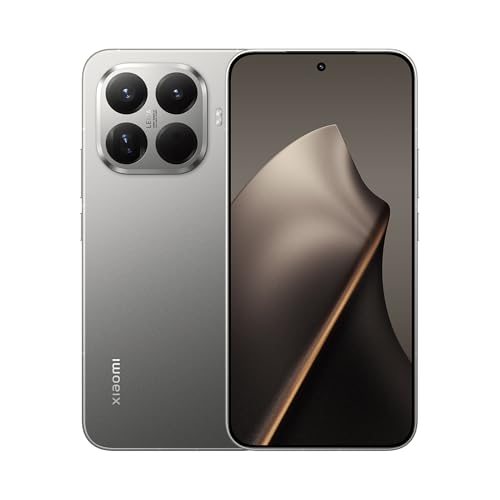
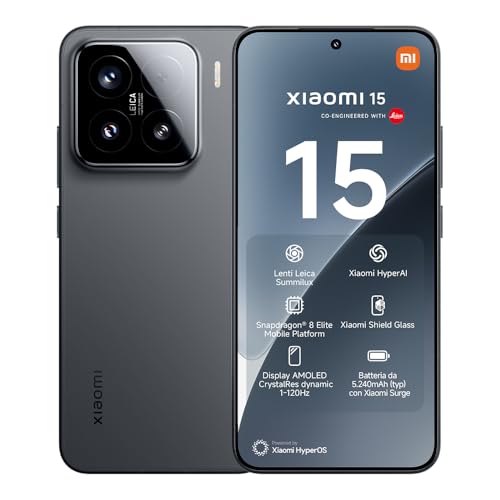
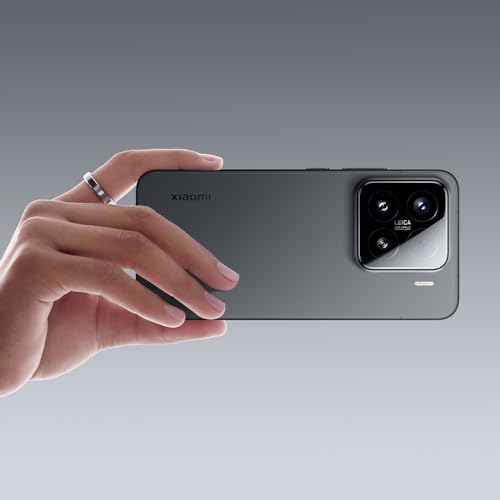
Xiaomi 15 (12GB + 512GB) review. Compare 197 technical specifications and user reviews to see how this product ranks in the Smartphones category and whether it is worth buying.
Overall score
What it is: An overall evaluation of the smartphone's quality, based on technical analyses and user reviews.
When it matters: When you need a quick reference to identify the best smartphones on the market.
Score components:
90.0%
Technical Score
10.0%
User score
Technical Score
What it is: An assessment of the smartphone's technical performance, covering eight key areas: performance & hardware, software, camera, connectivity, display, battery, audio, and design.
When it matters: When you want to compare smartphones based on technical performance and available features.
Score components:
25.0%
Performance & Hardware
18.0%
Camera
15.0%
Display
15.0%
Battery
10.0%
Software
10.0%
Connectivity
4.0%
Audio
3.0%
Design
User score
What it is: A rating that combines user reviews and the total number of reviews received by the smartphone
When it matters: When you want to know how a smartphone handles daily tasks and how reliable it remains over time according to user feedback.
Score components:
70.0%
User reviews
30.0%
Popularity

Available: ranking among products currently available (including other versions of this product).
All: ranking among all products in the database.
#4 in Best Xiaomi Phones
#14 in Best Chinese Smartphones
#15 in Best Smartphones
#15 in Best Android Smartphones
#15 in Best NFC Smartphones
#15 in Best 5G Smartphones
#15 in Best AI Smartphones
#20 in Best Value Smartphones
#40 in Best Camera Smartphones
#351 in Best Battery Life Smartphones
What it is: An assessment of the smartphone's technical performance, covering eight key areas: performance & hardware, software, camera, connectivity, display, battery, audio, and design.
When it matters: When you want to compare smartphones based on technical performance and available features.
Score components:
25.0%
Performance & Hardware
18.0%
Camera
15.0%
Display
15.0%
Battery
10.0%
Software
10.0%
Connectivity
4.0%
Audio
3.0%
Design
What it is: A rating that combines user reviews and the total number of reviews received by the smartphone
When it matters: When you want to know how a smartphone handles daily tasks and how reliable it remains over time according to user feedback.
Score components:
70.0%
User reviews
30.0%
Popularity
What it is: An indicator that combines the smartphone's overall rating with its cost.
When it matters: When you are looking for a smartphone with a good balance between quality and price.
Score components:
60.0%
Overall score
40.0%
Price
Importance: LOW
Importance: HIGH
Importance: HIGH
Good value: >12 GB
Importance: MEDIUM
Good value: >256 GB
Importance: MEDIUM
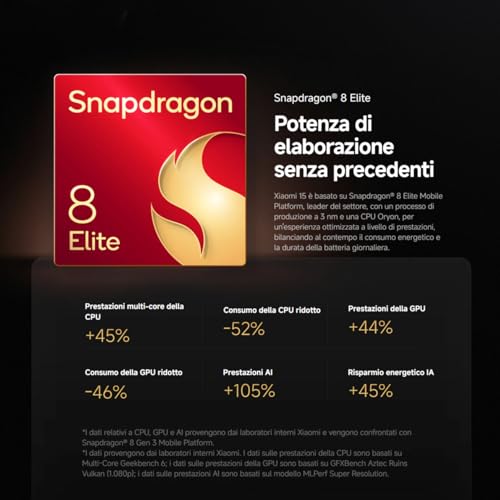
Good value: >3.2 GHz
Importance: LOW
Importance: MEDIUM
Good value: >1500
Importance: LOW
Good value: >4000
Importance: LOW
Good value: 8+
Importance: LOW
Importance: LOW
Good value: >950 MHz
Importance: LOW
Good value: >700
Importance: LOW
Good value: >1000
Importance: LOW
Good value: >2500
Importance: MEDIUM
Good value: >6000
Importance: LOW
Good value: >8000
Importance: MEDIUM
Good value: >12000
Importance: LOW
Good value: >5000
Importance: LOW
Good value: >1800
Importance: LOW
Good value: >3200 MHz
Importance: LOW
Good value: 5
Importance: LOW
Good value: > 50 GB/s
Importance: LOW
Good value: 4
Importance: LOW
Good value: >16 GB
Importance: MEDIUM
Good value: <6 nm
Importance: MEDIUM
Good value: >9 W
Importance: LOW
Importance: LOW
Good value: >8192 KB
Importance: LOW
Good value: >2048 KB
Importance: LOW
Good value: >512 KB
Importance: LOW
Good value: >100000 million
Importance: LOW
Good value: 3.3
Importance: LOW
Good value: 3.2
Importance: LOW
Good value: 2.0/3.0
Importance: LOW
Importance: LOW
Importance: LOW
Importance: MEDIUM
Importance: LOW
Importance: LOW
Importance: LOW
Importance: LOW
Importance: LOW
Importance: LOW
Importance: LOW
Importance: LOW
Importance: LOW
Importance: LOW
Importance: LOW
Importance: LOW
Importance: LOW
Importance: LOW
Importance: LOW
Importance: LOW
Importance: LOW
Importance: LOW
Importance: LOW
Importance: LOW
Importance: LOW
Importance: LOW
Importance: LOW
Importance: LOW
Importance: LOW
Importance: LOW
Importance: LOW
Importance: LOW
Importance: LOW
Importance: LOW
Importance: LOW
Importance: LOW
Importance: LOW
Importance: MEDIUM
Good value: >50 MP
Importance: MEDIUM
Importance: HIGH
Good value: >60
Importance: LOW
Good value: ≥1.2 µm
Importance: MEDIUM
Good value: >2.5x
Importance: MEDIUM
Importance: LOW
Importance: LOW
Importance: LOW
Importance: LOW
Good value: ≥2
Importance: LOW
Importance: LOW
Importance: LOW
Importance: LOW
Good value: >16 MP
Importance: LOW
Importance: LOW
Importance: LOW
Importance: LOW
Importance: MEDIUM
Importance: LOW
Importance: LOW
Importance: LOW
Importance: LOW
Importance: LOW
Importance: LOW
Importance: LOW
Importance: LOW
Importance: LOW
Importance: LOW
Importance: LOW
Importance: LOW
Importance: LOW
Importance: LOW
Importance: LOW
Importance: LOW
Importance: LOW
Importance: LOW
Importance: LOW
Importance: LOW
Importance: LOW
Good value: >130
Importance: LOW
Good value: >120
Importance: LOW
Good value: ≥2
Importance: LOW
Importance: LOW
Importance: LOW
Importance: LOW
Importance: LOW
Importance: LOW
Good value: >5.2
Importance: LOW
Importance: LOW
Importance: LOW
Importance: LOW
Good value: 3.1/3.2
Importance: LOW
Importance: LOW
Importance: LOW
Good value: ≥2
Importance: LOW
Importance: LOW
Importance: LOW
Importance: LOW
Importance: LOW
Importance: LOW
Importance: LOW
Importance: LOW
Importance: LOW
Importance: LOW
Importance: LOW
Importance: LOW
Importance: LOW
Importance: LOW
Importance: LOW
Importance: LOW
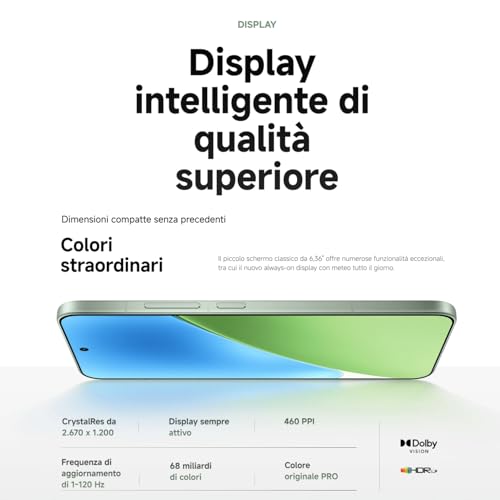
Good value: ≥6.6 inches
Importance: MEDIUM
Importance: LOW
Good value: >400 ppi
Importance: MEDIUM
Importance: MEDIUM
Good value: ≥120 Hz
Importance: LOW
Importance: LOW
Good value: >300 Hz
Importance: LOW
Good value: >800 nits
Importance: LOW
Good value: >1300 nits
Importance: LOW
Good value: >1000 nits
Importance: LOW
Importance: LOW
Importance: LOW
Importance: LOW
Importance: LOW
Importance: LOW
Importance: LOW
Importance: LOW
Importance: HIGH
Good value: >5000 mAh
Importance: MEDIUM
Good value: >60 W
Importance: LOW
Importance: LOW
Good value: <45 min
Importance: LOW
Importance: LOW
Good value: >40 W
Importance: LOW
Importance: LOW
Good value: >10 W
Importance: LOW
Importance: LOW
Importance: MEDIUM
Importance: LOW
Good value: >800
Importance: LOW
Importance: LOW
Importance: LOW
Importance: LOW
Importance: LOW
Good value: ≥3
Importance: LOW
Importance: LOW
Importance: LOW
Importance: LOW
Importance: LOW
Importance: LOW
Importance: LOW
Good value: <162 mm
Importance: LOW
Good value: <75 mm
Importance: LOW
Good value: <8 mm
Importance: LOW
Good value: <190 g
Importance: LOW
Good value: <98cm³
Importance: LOW
Importance: LOW
Importance: LOW
Importance: LOW
Importance: LOW
Importance: LOW
Good value: ≥1.5 m
Importance: LOW
Importance: LOW
Good value: >8
Importance: LOW
Importance: LOW
Importance: HIGH
Good value: >60
Importance: MEDIUM
Good value: >2.5x
Importance: MEDIUM
Importance: MEDIUM
Good value: >3.2 GHz
Importance: MEDIUM
Good value: >6000
Importance: MEDIUM
Good value: <6 nm
Importance: MEDIUM
Good value: >60 W
Importance: LOW
Importance: LOW
Importance: LOW
Good value: ≥6.6 inches
Importance: LOW
Importance: LOW
Good value: <8 mm
(Reviews last updated: August 2026)
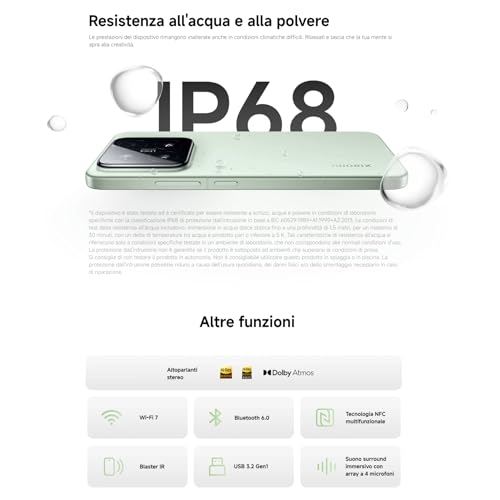
The Xiaomi 15 is praised as a powerful 6.36-inch compact flagship featuring a durable IP68 build, the advanced Snapdragon 8 Elite chipset, and a bright 3,200-nit LTPO display. It delivers exceptional performance, impressive 1.5-day battery life, and rapid 90W wired/50W wireless charging. While the Leica cameras offer high quality, drawbacks include the lack of autofocus on the ultra-wide lens, a significant price increase, and the absence of a charger in the box.
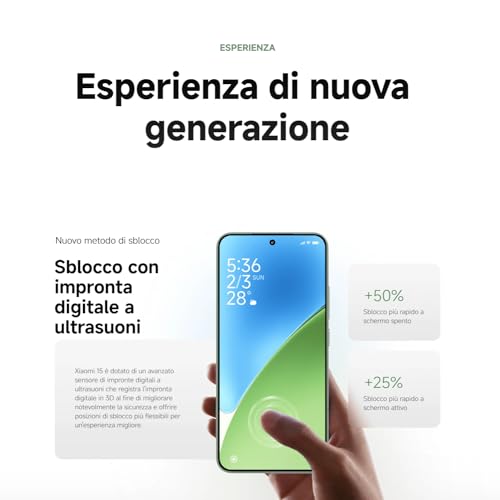
The GSMArena review characterizes the Xiaomi 15 as a powerful, iterative upgrade that remains one of the few true compact flagships, featuring a premium 6.36-inch LTPO OLED display, IP68 rating, and a fast ultrasonic fingerprint reader. Performance is driven by the Snapdragon 8 Elite chipset, supported by a 5,240 mAh battery with excellent endurance and 90W wired/50W wireless charging, although the retail package no longer includes a charger. The Leica-partnered triple 50MP camera system offers great detail and stabilization, but the ultrawide camera lacks autofocus. Despite minor oversharpening in video and thermal throttling under heavy loads, it remains a well-rounded, compact device.
The WIRED review highlights the Xiaomi 15 and 15 Ultra as premium, high-performance flagships powered by the Snapdragon 8 Elite chipset, featuring exceptionally bright 3,200-nit displays. The compact Xiaomi 15 serves as a refined alternative to competitors, while the 15 Ultra is touted as a "photographer’s dream" with a versatile quad-lens Leica system, including a 200MP periscope lens and a 1-inch main sensor. Both models boast excellent battery life, rapid 90W wired charging, and an optional Photography Kit for the Ultra that adds a physical shutter button and extra power. Despite these strengths, the devices are marred by heavy preinstalled bloatware and a lack of Qi2 magnetic charging support. The standard Xiaomi 15's design is described as uninspired, while the 15 Ultra’s large camera module makes it chunky and difficult to balance on some chargers. A major drawback for many users is that neither device is officially sold in the United States.
The Xiaomi 15 is praised as a brilliant, pocketable flagship featuring a premium design, a bright 6.36-inch OLED display, and the powerful Snapdragon 8 Elite chipset. Key pros include exceptional battery life from the 5,240 mAh capacity, a versatile Leica-branded triple 50MP camera system, and fast 90W wired/50W wireless charging. However, the review notes cons regarding thermal management, with the device experiencing heat and performance throttling, along with a less impressive ultrawide camera and bloatware in the HyperOS 2 software.
The Xiaomi 15 is presented as a powerful, compact flagship phone featuring a premium matte aluminum and glass build. Its pros include a 6.36-inch OLED display with 3,200 nits peak brightness and a Snapdragon 8 Elite chipset for fluid performance, while its Leica-partnered camera system and 90W wired/50W wireless charging are also highlighted. Cons include the cluttered HyperOS 2 software, a design with a large, square camera module, a steep price, and limited global availability.
The Xiaomi 15 is presented as a compact flagship with powerful performance driven by the Snapdragon 8 Elite chipset, excelling in benchmark tests. It features a bright 6.36-inch display and a durable 5,240 mAh battery, offering strong endurance. While the Leica-engineered camera system provides solid quality, it is hampered by software issues like mandatory facial smoothing and difficulties locating AI features. Overall, the review finds the Xiaomi 15 to be a reliable phone with high-end specs in a small size, but notes drawbacks including its less appealing design, lack of U.S. availability, and being overshadowed by the Xiaomi 15 Ultra.
According to a Creative Bloq review, the Xiaomi 15 features a Snapdragon 8 Elite chipset providing a significant CPU performance boost and boasts a tactile design with a bright LTPO AMOLED display. Its Leica-tuned triple camera system, highlighted by a Super Macro mode, is praised as potentially the best for various photography types, while a larger 5,240mAh battery offers improved longevity and fast charging. Noted drawbacks include the polished silver frame attracting fingerprints, uncertain availability in the US and Australia, and an incremental screen design despite featuring new Xiaomi Shield Glass.
The Xiaomi 15 is described as a compact flagship with premium hardware, featuring a 6.36-inch LTPO OLED display known for high brightness and thin bezels. Its performance is smooth thanks to the Snapdragon 8 Elite chipset and large battery, supporting fast wired and wireless charging. The Leica-developed triple 50MP camera system excels in daytime photos and macro shots with its main and telephoto lenses, though the ultrawide camera performs less consistently in low light or HDR. While HyperOS 2.0 offers extensive customization, it is noted for aggressive background processes, and official US availability is lacking.
According to a Forbes review by Ben Sin, the Xiaomi 15 is presented as a strong candidate for those desiring a powerful small Android phone, featuring a bright 6.36-inch display, a performance boost from the Snapdragon 8 Elite chipset, and a large 5240mAh battery with fast charging. The device includes a triple 50MP camera system co-developed with Leica, highlighted by a Light Fusion 900 sensor and a versatile 60mm floating telephoto lens supporting macro photography and optical zoom. However, the review notes drawbacks such as HyperOS 2 software with bloatware, a polarizing design, and limited global availability.
According to a PhoneArena review, the Xiaomi 15 is a compact flagship device with a premium design, featuring a 6.36-inch OLED display offering high brightness and a large 5,240 mAh battery providing over 16 hours of active use. Powered by the Snapdragon 8 Elite chipset, it delivers strong performance, particularly for gaming, and features a Leica-branded triple 50MP camera system praised for natural colors and detail. However, the review notes downsides including thermal throttling during intense use, a less impressive ultrawide camera, bloatware-heavy HyperOS 2, and a lack of a 3.5mm headphone jack.
The Xiaomi 15 is a compact, high-performance flagship featuring a bright 6.36-inch LTPO AMOLED display, durable "Xiaomi Shield Glass," and a 5,240mAh battery providing nearly two days of moderate use. Powered by the Snapdragon 8 Elite chipset, it functions as a "pocket rocket" for tasks, complemented by a versatile Leica-tuned triple 50MP camera system and fast 90W charging. However, drawbacks include a pre-installed, cluttered HyperOS 2.0 interface, potential thermal throttling during intensive gaming, and a higher price point compared to previous generations.
The Xiaomi 15 is a premium 6.36-inch compact flagship powered by the Snapdragon 8 Elite, offering top-tier performance, a 120Hz LTPO AMOLED display, and improved durability with Xiaomi Shield Glass. It features a versatile Leica-tuned triple 50MP camera system and a significantly larger 5,240 mAh battery with 90W charging. Pros include exceptional speed and battery life, while cons involve a higher price, significant heat under load, and pre-installed bloatware in HyperOS.
The Xiaomi 15 is a compact 6.36-inch flagship featuring a high-end design, a bright 3,200-nit LTPO AMOLED display, and a durable chassis. Performance is driven by the Snapdragon 8 Elite, supported by a 5,240mAh battery with 90W wired and 50W wireless charging. Key pros include this top-tier performance, excellent battery life, and a versatile, Leica-tuned 50MP triple-camera system. Conversely, the device faces criticism for its HyperOS 2.0 interface, which is noted for excessive pre-installed bloatware and a cluttered design. Other cons include noticeable thermal heating under heavy loads and a significant price increase compared to its predecessor. Furthermore, its four-year software support commitment lags behind some competitors.
The PC-Welt review highlights the Xiaomi 15 as a top-tier compact flagship, featuring a 6.36-inch design powered by the Snapdragon 8 Elite chipset. It offers significant improvements in performance and efficiency, featuring a 5,240mAh battery that lasts up to two days. Despite these strengths, the device lacks a charger in the box and has a large, protruding camera bump. The Leica-engineered triple 50MP camera system delivers high-detail photos and 8K video recording, though the ultra-wide lens lacks autofocus. The HyperOS 2.0 software provides AI features like "Circle to Search," yet it is criticized for containing considerable bloatware. The build quality is described as sturdy, with 1.38mm bezels and improved screen protection. In summary, the Xiaomi 15 excels with its ergonomic design, powerful processing, and excellent battery life, making it a competitive small Android device. Key drawbacks include the absence of an in-box charger, significant software bloatware, and minor inconsistencies in lens color matching.
The Xiaomi 15 is a standout compact flagship featuring a 6.36-inch, 3200-nit LTPO AMOLED display, a premium, ergonomic design, and an ultrasonic fingerprint scanner. Powered by the Snapdragon 8 Elite chipset, it delivers top-tier performance for intensive tasks while housing a large 5,240 mAh battery that supports 90W wired and 50W wireless charging. While the Leica-developed camera system offers excellent low-light results, the device is limited by an ultra-wide camera lacking autofocus, a wobbly camera module, and the absence of a charger in the box.
Connect.de ranks the Xiaomi 15 among the top three smartphones in their leaderboard, highlighting its premium compact design, high-quality build, and a 6.36-inch 120Hz LTPO OLED display with 3200 nits peak brightness. Powered by the Snapdragon 8 Elite chipset, the device delivers exceptional performance, complemented by a large 5,240mAh battery with fast 90W wired and 50W wireless charging. The Leica-tuned camera system is lauded for its improved white balance and excellent daytime, portrait, and low-light photography. However, the review points out several drawbacks, including the heavily pre-installed bloatware within the HyperOS 2.0 software and noticeable heating during intensive tasks, which can lead to performance throttling. Additionally, the ultrawide lens is described as only average, and the software support lifecycle of 4 years is shorter than that of competitors.
The Xiaomi 15 leads in raw hardware, offering a 3,200-nit display and 90W charging, though it may experience overheating during gaming. Conversely, the iPhone 16 features a lighter build, superior video stabilization, and a more polished iOS experience. While Xiaomi provides a versatile, Leica-tuned triple-camera system, Apple excels in consistent, natural imaging.
The Xiaomi 15 is a high-performance compact flagship featuring a 6.36-inch AMOLED display with 3200 nits peak brightness and a premium, handy design. Powered by the Snapdragon 8 Elite chipset, it offers top-tier, smooth operation. Pros include an excellent main camera, a 32-megapixel front camera, and strong battery life. However, the ultra-wide camera underperforms at night, and the lack of a periscope lens limits zoom quality. Despite a high price point and the exclusion of a charger in the box, it remains a solid, compact choice.
The Xiaomi 15 is identified by Heise as a premier compact Android device for 2025, featuring the high-performance Snapdragon 8 Elite chipset and a bright 6.36-inch LTPO AMOLED display. The device is lauded for its premium design, robust build, and an efficient 5,240 mAh battery supporting 90W charging. While Leica-tuned cameras offer excellent performance, potential drawbacks include a protruding camera module, lack of autofocus on the ultra-wide lens, and pre-installed bloatware.
The Xiaomi 15 is a high-end, compact smartphone featuring a premium matte design and a 6.36-inch OLED display reaching 3300 cd/m². Powered by the Snapdragon 8 Elite chipset, it delivers a 45% CPU boost, while the 5240 mAh battery offers all-day endurance with 90W wired and 50W wireless charging. Key drawbacks include significant heating under load, an average ultra-wide camera lens, and excessive pre-installed software, notes Les Numériques.
The Xiaomi 15 is a highly successful compact flagship, featuring a premium build with a 6.36-inch 120Hz OLED display, IP68 rating, and a new matte glass back. Performance is driven by the Snapdragon 8 Elite, supported by a 5,240 mAh battery offering fast 90W wired and 50W wireless charging. Key highlights include a responsive ultrasonic fingerprint sensor and superior, consistent performance. Journal du GeekDespite its strengths, the device exhibits minor drawbacks, including slight overheating under extreme, sustained load, although the cooling system handles normal gaming well. The Leica-tuned triple 50MP camera system is generally excellent, but the ultra-wide lens underperforms in low light compared to the main sensor. Additionally, the international model has a slightly lower battery capacity than the Chinese version.
The Xiaomi 15 stands out as a high-performance compact flagship featuring a 6.36-inch LTPO AMOLED display with up to 3200 nits brightness and a durable IP68 design, according to Frandroid. Driven by the Snapdragon 8 Elite, it offers exceptional processing power combined with a 5,240mAh battery that delivers strong, multi-day endurance. While Leica-branded cameras provide high-quality imaging and 90W charging offers fast power replenishment, the device is held back by a higher price point, the presence of bloatware in HyperOS 2, and less extensive long-term software support than rivals.
The Xiaomi 15 is a premium compact flagship featuring a 6.36-inch, 3200-nit LTPO display and a durable matte aluminum frame. It is powered by the Snapdragon 8 Elite chipset for high-end performance, supported by a large 5,240mAh battery with 90W wired and 50W wireless charging. The Leica-engineered triple 50MP camera system offers versatile shooting options, including a macro-capable telephoto lens. Despite its strengths, the device faces criticism for HyperOS 2, which includes significant bloatware, and a higher price point compared to previous models. Some users reported inconsistent color processing between lenses and moderate overheating during heavy tasks. Pros include its excellent compact build, top-tier performance, and fast charging, while cons center on the software, price increase, and a shorter 4-year update commitment compared to rivals.
The Everyeye.it review highlights the Xiaomi 15 as a premier compact flagship featuring a 6.36-inch LTPO AMOLED display and robust design, including Xiaomi Shield Glass. Performance is driven by the Snapdragon 8 Elite, which delivers high-tier benchmarks and exceptional thermal management. The device boasts superior battery life with its 5,240 mAh silicon-carbon cell, supporting rapid 90W wired and 50W wireless charging. While generally praised, the review notes the unavailability of the 16GB RAM variant in Italy and criticizes the,, aesthetics of regulatory markings on the back.
The Xiaomi 15 stands out as a compact, high-performance flagship featuring a 6.36-inch LTPO OLED display with 3,000 nits peak brightness and a durable build. Equipped with the Snapdragon 8 Elite chipset, it delivers top-tier performance, complemented by a versatile 50MP Leica-powered triple camera system that offers excellent dynamic range. The device features a significant 5,400mAh Silicon-Carbon battery supporting fast 90W charging, although the experience is slightly tempered by pre-installed software bloat and a high price point.
The Xiaomi 15 is a high-performance, 6.36-inch compact flagship powered by the Snapdragon 8 Elite chipset, featuring a 3,200-nit peak brightness LTPO OLED display. The Leica-tuned triple 50MP camera system excels in detail and color, while the 5,240mAh battery supports rapid 90W wired and 50W wireless charging. Key cons include thermal throttling during intense gaming, a lackluster ultra-wide camera, and substantial bloatware in HyperOS.

Compare