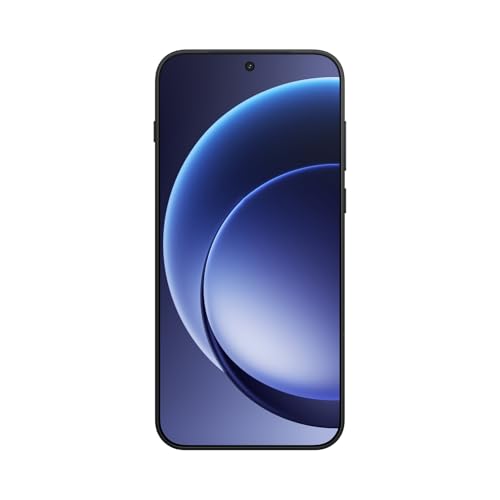
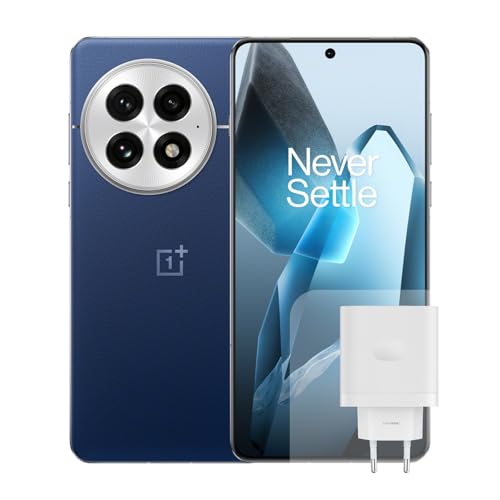
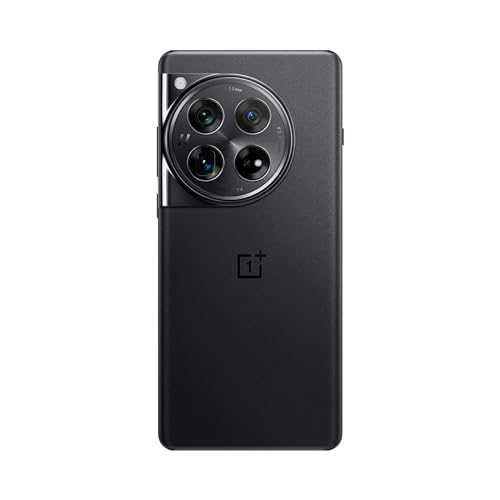
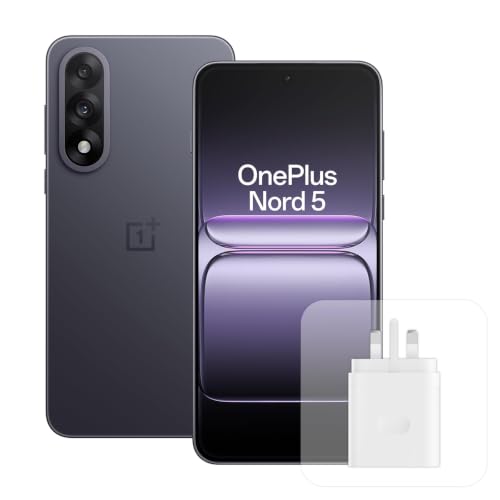
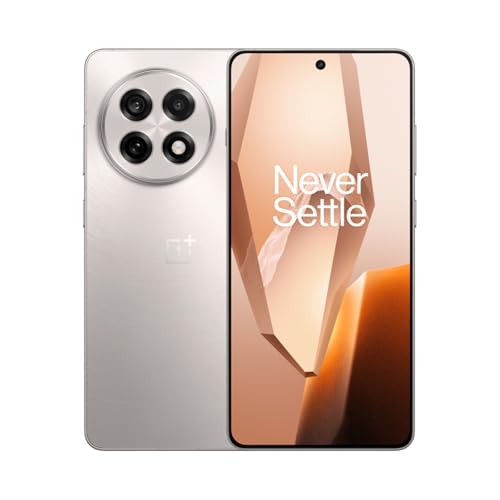
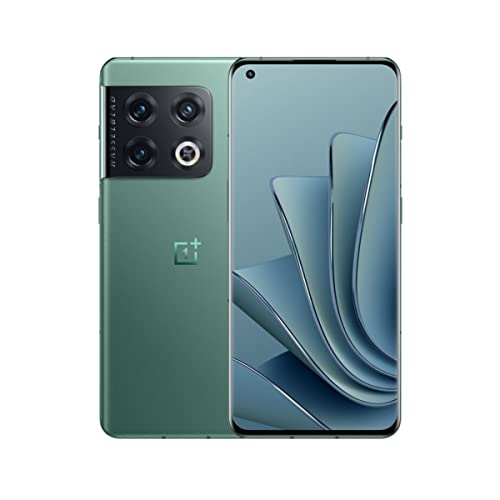
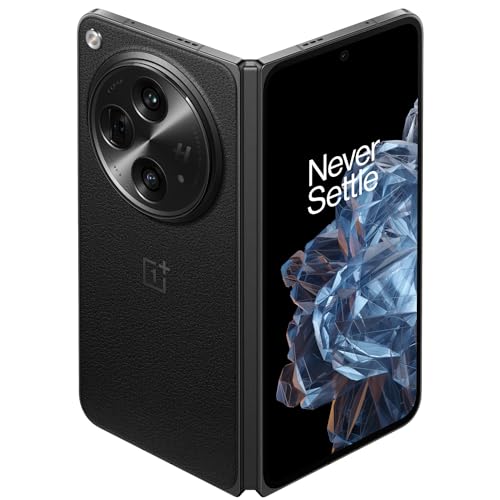
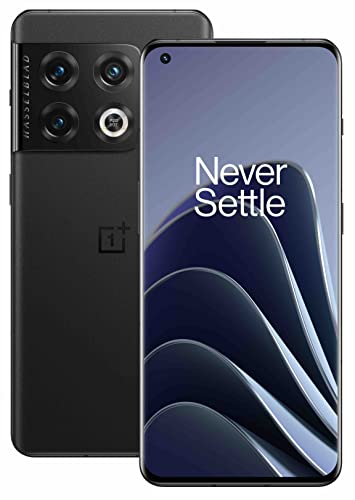
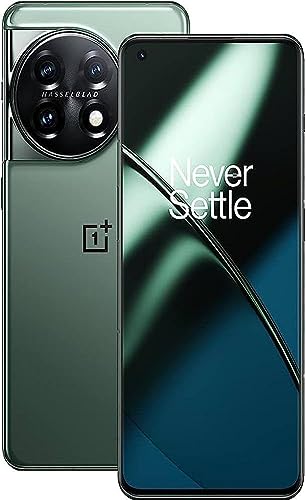
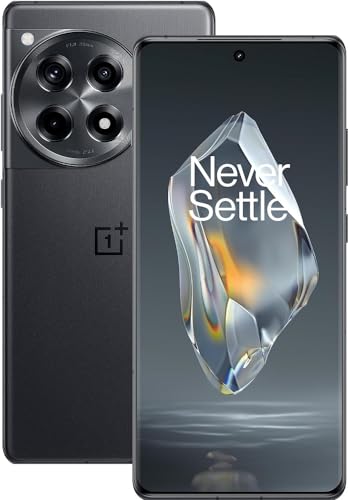
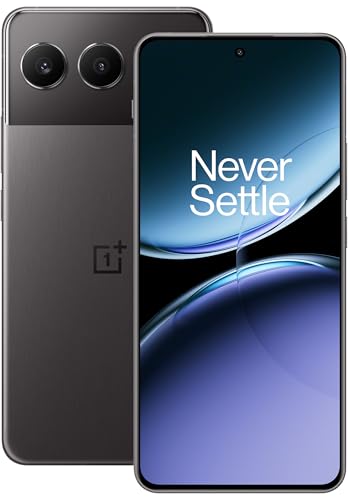
Are OnePlus smartphones good?
OnePlus smartphones have an average overall score of 8.3, placing them #5 among all brands, and a user rating of 9, which ranks them #7 in user reviews.
OnePlus smartphones are good, especially if you want flagship-level performance without paying top-tier prices.
You experience fast processing with chips like the Snapdragon 8 Elite in models such as the OnePlus 13, which handles gaming and multitasking smoothly. The battery lasts long, often over 20 hours on a single charge, and you charge it quickly with 100W wired speeds. Displays shine bright with LTPO OLED technology and 120Hz refresh rates, so you see vivid colors and fluid scrolling. Cameras capture clear photos, especially action shots and portraits, thanks to Hasselblad tuning, although they fall short of some rivals in versatility. You benefit from durable builds with IP69 ratings, and the phones resist dust and water well.
You might notice some drawbacks, but they do not ruin the experience. For instance, AI tools lag behind Samsung or Google phones, so you miss advanced features like agentic editing. Software, now OxygenOS based on Android 15, resembles ColorOS from Oppo, and that shift disappoints longtime fans who liked the old clean interface. Prices have risen, with the OnePlus 13 starting around £700, yet it undercuts flagships from Apple or Samsung. Cameras perform well for action shots and portraits, but they fall short in zoom versatility compared to the Galaxy S25 Ultra.
(Note: A total of 37 brands were evaluated in the comparison in the first paragraph. Only those with at least 6 smartphones in our database that were released after 2022 were included.)
The best available OnePlus smartphones (with the highest overall score) are as follows:
- OnePlus 15 (16GB + 512GB) (Overall score: 9.15)
- OnePlus 13 5G (16GB + 512GB) (Overall score: 8.96)
- OnePlus 12 5G (16GB + 512GB) (Overall score: 8.78)
The following chart ranks different smartphone brands by their overall score.
[horizontal-chart-14855520977915281854131920228859147337322180876303]
What are the main advantages of OnePlus smartphones?
The main advantages of OnePlus smartphones are as follows:
- Fast performance: OnePlus smartphones use high-end chipsets like Snapdragon 8 Gen 3 or Snapdragon 8+ Gen 1, so they run demanding apps and games smoothly and handle multitasking without slowdowns. OxygenOS is lightweight, so it helps the device stay responsive over time.
- High refresh rate displays: Most models feature AMOLED screens with refresh rates of 120 Hz, which improve scrolling smoothness and gaming fluidity. The displays have high brightness levels and accurate colors, so they work well both indoors and outdoors.
- Fast charging technology: OnePlus supports very high wired charging speeds, such as 80 W, 100 W, or 150 W depending on the model, so the battery charges from empty to full in less than 30 minutes. Some models also include wireless charging at up to 50 W.
- Good camera systems: Premium models have multi-lens setups with high-resolution main sensors, telephoto zoom, and ultrawide lenses. Hasselblad color tuning in higher-end models improves image accuracy and dynamic range, especially in daylight shots.
- Strong build quality: Most devices have aluminum frames, Gorilla Glass protection, and IP ratings for dust and water resistance (e.g., IP68 in top-tier models). The design is slim and comfortable to hold, with premium materials that last.
- Competitive price-to-spec ratio: Compared to other flagship brands, OnePlus usually sells devices with similar performance and features for a lower price, so they are attractive for buyers who want high-end specs without paying a premium.
What are the main disadvantages of OnePlus smartphones?
OnePlus smartphones have the following disadvantages:
- Limited camera performance in low light: While daytime shots are sharp, night photography can show noise and reduced detail compared to top competitors like Samsung or Apple.
- No microSD card slot: Storage is fixed, so you must choose a model with enough capacity at purchase, as there is no option to expand later.
- Software update policy shorter than some rivals: OnePlus gives up to four years of major updates and five years of security patches, which is less than the seven years now offered by Google and Samsung on new models.
- Limited wireless charging support: Not all models include wireless charging, and mid-range devices may lack this feature entirely.
- Occasional heating during heavy use: Long gaming sessions or 4K video recording can make the phone warm, which can lead to reduced performance in extreme cases.
Who makes OnePlus smartphones?
OnePlus smartphones are produced by OnePlus Technology (Shenzhen) Co., Ltd., a Chinese consumer electronics company founded on December 16, 2013, by Pete Lau and Carl Pei. The company is headquartered in Shenzhen, Guangdong, China, and it started with a vision to create high-end flagship smartphones at lower prices compared to competitors. OnePlus developed its first smartphone, the OnePlus One, in 2014, which was notable for its use of Cyanogen OS and aggressive pricing. The company quickly expanded internationally and built a strong reputation with its slogan "Never Settle," emphasizing a commitment to quality and user experience.
OnePlus operates as a subsidiary of Oppo, which itself is part of the larger BBK Electronics group. BBK Electronics also owns other smartphone brands such as Oppo and Vivo. Although OnePlus maintains its own brand identity and market presence, it shares manufacturing lines and supply chain resources with Oppo, leveraging the infrastructure of its parent company to enhance production efficiency. This relationship has helped OnePlus scale rapidly and maintain competitive pricing while competing globally. The co-founder Carl Pei left the company in 2020, but OnePlus continues to innovate and expand, including local assembly in new markets like Bangladesh as of 2024.
What are the main OnePlus smartphone series?
The main OnePlus smartphone series are as follows:
- Flagship Series: OnePlus’ premium lineup with the most advanced specifications, such as Snapdragon 8 Elite and Snapdragon 8 Gen series processors, Hasselblad cameras, high refresh rate displays, and fast charging. It includes models like OnePlus 13, OnePlus 13R, OnePlus 12, OnePlus 11, OnePlus 10 Pro, and older series down to the original OnePlus One. The OnePlus 13 launched in China in October 2024 and globally in January 2025.
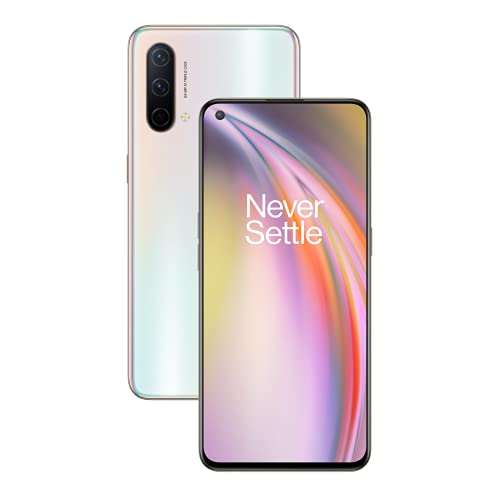
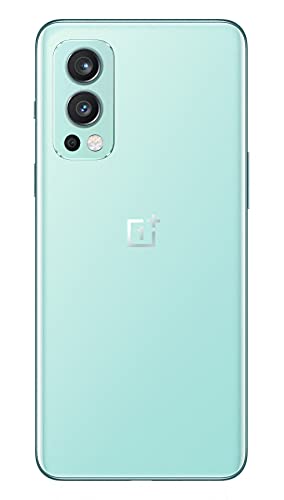
- Nord Series: Mid-range and budget smartphones launched in 2020 with the first Nord. The range includes Nord, Nord CE (Core Edition), and Nord N models. It targets users who want strong performance at lower prices. Recent models like the Nord 4 use Snapdragon 7+ Gen 3 chipsets, 5500mAh batteries, and 100W SuperVOOC charging.
- Ace Series: Mostly sold in China, some models appear internationally under different names (e.g. OnePlus 10R, OnePlus 10T). It includes Ace, Ace Pro, Ace Racing Edition, Ace 2, Ace 3, and Ace 5. They deliver flagship-level performance at competitive prices, with models like Ace 5 Ultra featuring a Dimensity 9400+ processor and Ace 5 Racing using Dimensity 9400e.
- T Series: Incremental upgrades between flagship generations with improved specifications. Notable models are OnePlus 3T, 5T, 6T, 7T, 8T, and 10T. This series began in 2016 with the 3T and usually launches six months after the main flagship. Reports suggest the OnePlus 13T may return in 2025.
How much do OnePlus smartphone costs?
OnePlus smartphone costs range from about £170 for entry-level Nord models to over £935 for the latest flagship devices. The flagship series, such as the OnePlus 13 and OnePlus 12, targets the high-end market and includes advanced features like Snapdragon 8 Elite or Snapdragon 8 Gen processors, Hasselblad camera systems, and fast charging technologies. Prices for these models typically start around £680 and can reach over £935 depending on storage and RAM configuration.
Mid-range OnePlus Nord models, including Nord, Nord 2, Nord 3, and Nord CE versions, usually cost between £215 and £425. They balance performance and affordability, with features like AMOLED displays, mid-tier Snapdragon or MediaTek chipsets, and fast charging.
Entry-level Nord N models, such as the Nord N20 or Nord N30, focus on budget-conscious buyers and sell for around £170 to £255. Special editions or higher memory variants can cost more, while older models often see price reductions after new releases.
OnePlus smartphones have an average price of £400 €, ranking #28 in price among smartphone brands (from cheapest to most expensive), and an average quality-price ratio score of 8.4, placing them in position #3.
(Note: Only brands with at least 6 smartphones in our database, released after 2022, were included.)
What should you consider while choosing the best OnePlus smartphone?
When selecting the best OnePlus smartphone for your needs, you should consider the following factors.
Performance: OnePlus devices use flagship-level processors that determine overall speed and multitasking capabilities. The latest OnePlus 13 features the Snapdragon 8 Elite processor with 45% better performance and 27% more efficient operation compared to previous generations. The OnePlus 13R offers excellent value with the Snapdragon 8 Gen 3 chip, which still delivers flagship-level performance at a lower price point. Budget options like the Nord 4 use the Snapdragon 7+ Gen 3 processor, which provides solid performance for daily tasks and gaming.
RAM: RAM affects how many apps you can run simultaneously while storage determines how much content you can store locally. OnePlus flagships typically offer 12GB or 16GB of LPDDR5X RAM with 256GB or 512GB of UFS 4.0 storage. The OnePlus 13R starts at 12GB RAM while premium models can reach 24GB RAM configurations. Mid-range devices like the Nord 4 offer up to 16GB RAM, which is generous for the price segment. All modern OnePlus phones use fast UFS storage standards that improve app loading times and file transfers.
Camera: Camera specifications vary significantly across OnePlus models and directly impact photo quality in different conditions. The OnePlus 13 features a 50MP main camera with Sony's LYT-808 sensor, plus telephoto and ultra-wide cameras for versatile shooting. Budget models typically include a main camera and additional lenses but may lack telephoto capabilities. The OnePlus 13R recently added a telephoto camera, which was a major upgrade from its predecessor. Consider your photography needs - casual users might find mid-range cameras sufficient while photography enthusiasts should focus on flagship models.
Battery: Battery life affects daily usability while charging speed determines downtime between uses. Current OnePlus flagships feature large batteries - the OnePlus 13 packs a 6,000 mAh battery while the OnePlus 12 has 5,400 mAh capacity. These batteries support 100W wired charging that can reach full charge in approximately 36 minutes and 50W wireless charging. The Nord series also offers impressive battery life with the Nord 4 featuring a 5,500 mAh battery and 100W charging speeds. OnePlus is reportedly developing even larger 7,000-8,000 mAh batteries for future models.
Display and features: Screen quality affects daily viewing experience and multimedia consumption. OnePlus devices typically feature AMOLED displays with 120Hz refresh rates and high peak brightness levels. The OnePlus 13 offers improved display technology with better outdoor visibility, while the Nord 4 provides a 2150 nits peak brightness display at a more affordable price point. Consider screen size preferences and whether features like high refresh rates matter for your usage patterns.