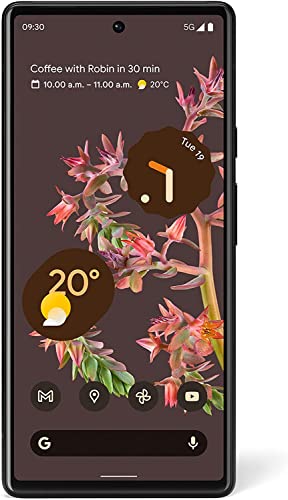
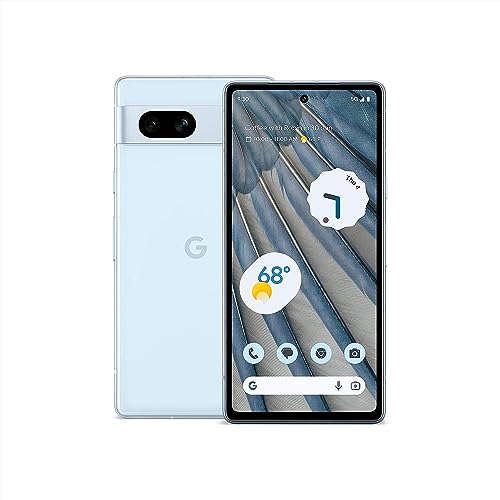
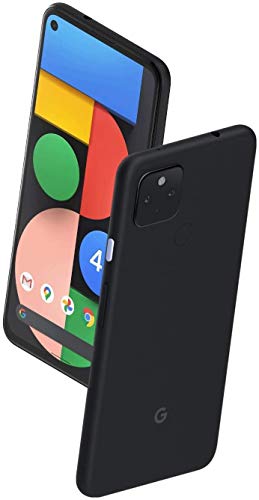
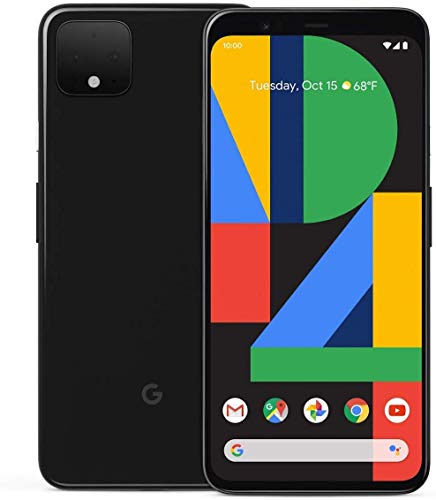
Are Google Pixel smartphones good?
With an average overall score of 8.6, Google Pixel smartphones rank #2 among all brands, while their user rating of 9 places them at #5.
Oppo smartphones are a strong choice if you want stylish designs, solid performance, and advanced camera features. The brand focuses on mid-range to premium devices with AMOLED displays, high refresh rates, and fast charging that can reach up to 240 W on some models. Many Oppo phones use processors from Qualcomm or MediaTek, paired with up to 16 GB of RAM and storage options as high as 512 GB, giving you smooth performance for gaming, streaming, and daily use.
You can expect versatile camera setups with high megapixel counts, often above 50 MP, and lenses for ultra-wide, macro, and telephoto shots. Battery capacities usually range from 4,500 mAh to 5,000 mAh, and even large batteries can charge to full in under 30 minutes on certain models. Oppo also invests in sleek, lightweight designs and software features in ColorOS, which add customization and productivity tools to your device.
(Note: A total of 37 brands were evaluated in the comparison in the first paragraph. Only those with at least 6 smartphones in our database that were released after 2022 were included.)
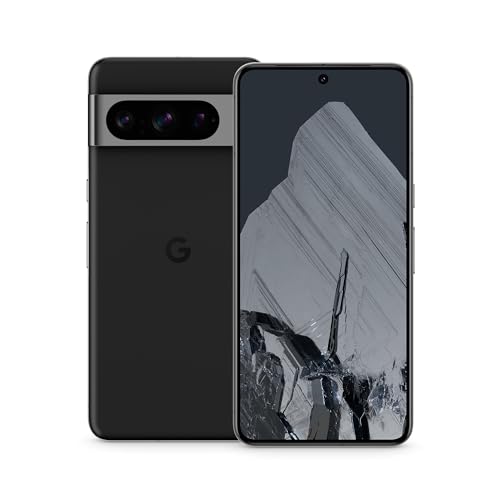
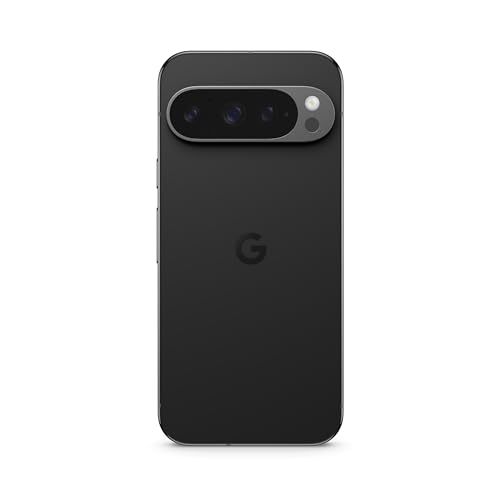
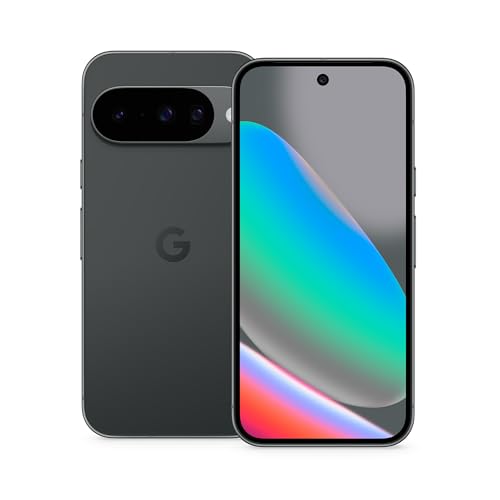
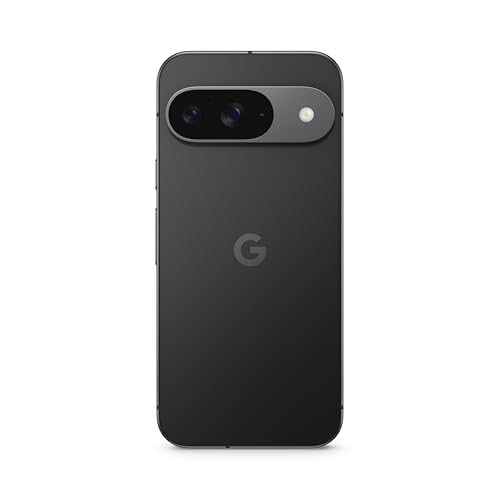
The best available Google smartphones (with the highest overall score) are as follows:
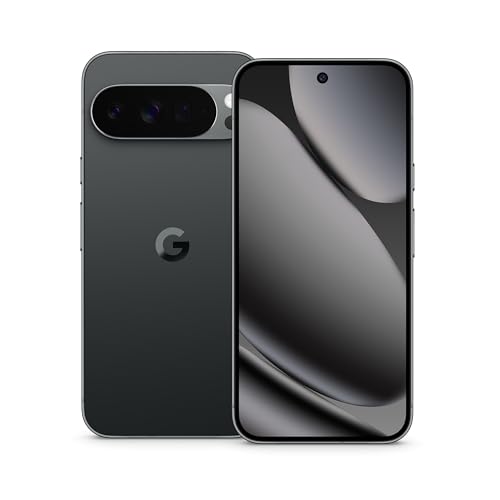
- Google Pixel 10 Pro XL (16GB + 512GB) (Overall score: 8.85)
- Google Pixel 10 Pro (16GB + 1TB) (Overall score: 8.73)
- Google Pixel 9 Pro XL (16GB + 512GB) (Overall score: 8.66)
The chart below ranks smartphone brands based on their overall scores.
[horizontal-chart-14855520977915281854131920228859147337322180876303]
What are the main advantages of Google Pixel smartphones?
The main advantages of Google Pixel smartphones are as follows:
- Camera quality: Pixel phones have advanced computational photography with features like Night Sight and Real Tone. They capture high-detail images in low light and handle dynamic range well, and recent models reach up to 50 MP resolution with optical image stabilization.
- Software updates: They receive Android OS updates and security patches directly from Google for at least 3 to 7 years, depending on the model, so they stay secure and up to date longer than most Android phones.
- Google Tensor processor: Newer models use the in-house Google Tensor or Tensor G series chips, optimized for AI features such as on-device translation, voice recognition, and photo processing.
- Clean Android interface: Pixels run stock Android without manufacturer skins, so the interface is fast, stable, and free from unnecessary apps, which improves performance and responsiveness.
- AI features: They include Google-exclusive functions such as Call Screen, Hold for Me, and Magic Eraser, which improve call handling and photo editing directly on the device without internet connection.
- Display quality: High-end models have OLED screens with refresh rates up to 120 Hz and peak brightness exceeding 1400 nits, so they remain visible even in direct sunlight.
What are the main disadvantages of Google Pixel smartphones?
Google Pixel smartphones have the following disadvantages:
- Limited hardware variety: Fewer models and size options compared to competitors such as Samsung or Xiaomi.
- Availability: Official sales are restricted to selected markets, so importing can be necessary in many countries.
- Storage options: No microSD card slot and internal storage is fixed, with base models starting at 128 GB.
- Battery life: Some models have shorter battery endurance compared to competitors with similar specifications.
- Repair costs: Repairs can be expensive as parts are not as widely available as for other brands.
- Performance gap in gaming: While the Tensor chip is optimized for AI, it can lag behind Snapdragon 8-series chips in high-frame-rate gaming.
Who makes Google Pixel smartphones?
Google Pixel smartphones are designed, developed, and marketed by Google under its hardware brand, part of its “Made by Google” initiative. The devices are conceptualized and engineered by Google’s in-house hardware team, led by executives such as Rick Osterloh, who oversees the development of Pixel and other devices.
However, Google does not manufacture the phones themselves. Instead, production is outsourced to contract manufacturers. For example, early Pixel models were built by HTC, while more recent generations have been manufactured by Foxconn—notably in China and Vietnam. Additionally, Google has begun expanding assembly to India, using partners such as Bharat FIH’s subsidiary Wowtek, and Dixon Technologies, as part of a broader shift in its global production strategy.
What are the main Google Pixel smartphone series?
The main Google Pixel smartphone series are as follows:
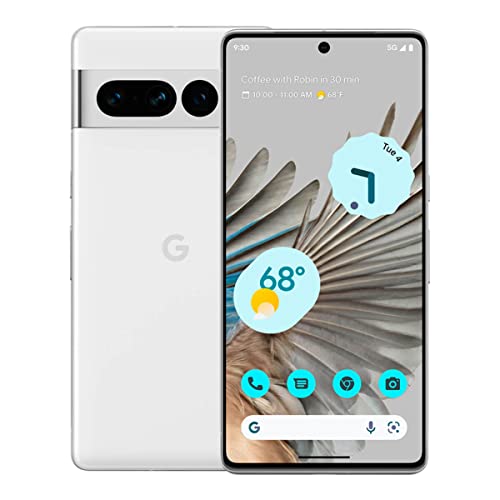
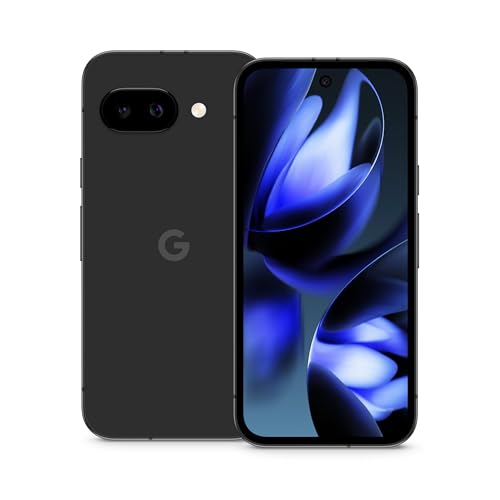
- Pixel (flagship): Core line with standard and higher-spec models across generations (e.g., Pixel 9, Pixel 9 Pro, Pixel 9 Pro XL), typically debuting new Tensor chips and camera systems, and sitting at the top of Google’s non-foldable lineup.
- Pixel a-series (mid-range): Budget-focused variants that inherit core camera software and AI features from the flagship generation with trimmed hardware and lower prices (e.g., Pixel 9a, 8a), released months after the flagships.
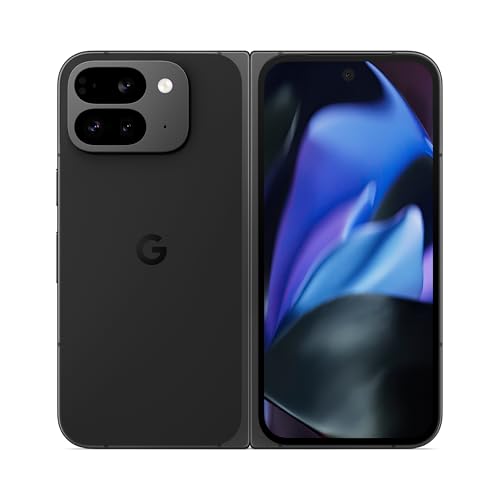
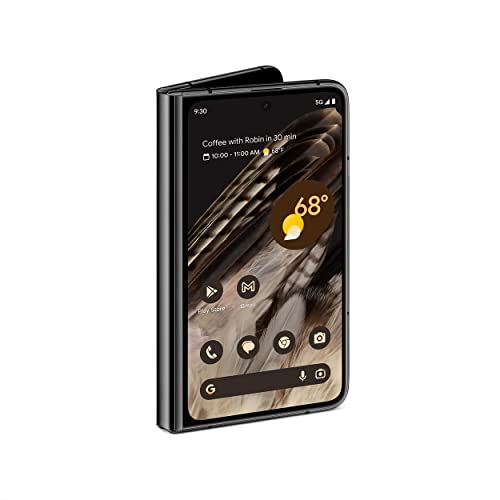
- Pixel Fold/Pro Fold (foldable): Premium foldable line that pairs a large inner display with a usable outer screen and the same Tensor platform as flagships, positioned as Google’s top-tier experimental form factor (e.g., Pixel 9 Pro Fold).
How much do Google Pixel smartphone costs?
Google Pixel smartphones cost from around £340 for older or budget models to over £850 for the latest flagship versions. Prices vary by series, storage capacity, and release year, so newer models with advanced hardware and larger memory tend to be at the higher end of the range.
The standard Pixel line usually starts at about £600 to £800, while the Pro series, which includes better camera hardware, higher-resolution displays, and additional features, often costs between £850 and £1,200. The more affordable Pixel a series, designed as a mid-range option, generally sells for £340 to £430. Special editions or models with extra storage can increase the price by £90 or more.
The average price of Google Pixel smartphones is £750 €, placing them #34 among smartphone brands (from cheapest to most expensive), and their average quality-price ratio score of 7.9 puts them in position #14.
(Note: Only brands with at least 6 smartphones in our database, released after 2022, were included.)
What should you consider while choosing the best Google Pixel smartphone?
When you choose the best Google Pixel smartphone, you should focus on the following key aspects:
- Processor and performance: Look for Tensor G4 (Pixel 9 series) if you want faster AI tasks, smoother multitasking, and better on‑device features compared to Tensor G3 in the Pixel 8 family. Tensor G4 pairs with 12GB or up to 16GB RAM on higher trims, which boosts sustained performance and app switching. Pixel 9 models run brighter displays and new camera processing that benefit from the newer chip. Pixel 8 and 8 Pro still feel fast for daily use, but G4 improves efficiency and thermal behavior under load. For light users or a lower price, Pixel 8a with Tensor G3 remains capable for everyday apps and gaming at moderate settings.
- RAM and storage: Pixel 9 ships with 12GB RAM and 128GB/256GB storage, while Pro variants go higher, up to 16GB RAM and 1TB storage for power users and creators. More RAM helps if you keep many apps open and if you edit photos or video frequently. Storage tiers vary by model, so check if you need 256GB or more for 4K video, RAW photos, and offline media. Pixel 8 and 8 Pro come in 128GB to 512GB tiers, which still cover most needs if you manage cloud backups well. None of the Pixels support microSD, so pick the right capacity upfront.
- Camera system: Pixel 9 Pro/XL add a 48MP telephoto with strong computational zoom and advanced modes like Video Boost on higher models, which suits travel and portrait work. Standard Pixel 9 uses a 50MP main and ultrawide that deliver class‑leading stills and reliable low‑light results for most users. Pixel 8 Pro remains excellent with a 50MP main, ultrawide, and telephoto, while 8/8a keep great image quality without the periscope zoom. Google’s processing, AI tools, and editing features lift results across the range, but Pro models give you the most flexibility and controls. If you shoot lots of video or need consistent telephoto reach, go Pro; if you want point‑and‑shoot simplicity, the non‑Pro models work well.
- Battery and charging: Pixel 9 lists a typical 4,700mAh battery with 24+ hour claims and faster wired charging with a 45W adapter (55% in about 30 minutes), plus fast wireless charging and Battery Share. Pixel 9 Pro/XL push 5,000mAh‑class packs and handle larger screens with solid endurance under mixed use. In the Pixel 8 family, wired speeds top out at about 30W for 8 Pro, 27W for 8, and 18W for 8a, with slower wireless on the A‑series. Real‑world use varies by brightness, camera, and 5G use, so match your pick to daily screen‑on time and commute patterns. Extreme Battery Saver can stretch runtime well past a day if you travel or need emergency longevity.
- Display and size: Pixel 9 uses a 6.3‑inch Actua OLED at 60‑120Hz with high peak brightness, which improves outdoor readability and smoothness for scrolling and gaming. Pixel 9 Pro/XL go larger and brighter, with higher‑end panels suited to HDR video and pro photo review on the go. Pixel 8 Pro is big at 6.7 inches and suits media and productivity, while Pixel 8/8a feel more compact if you prefer one‑hand use. Flat sides and updated designs on the 9 series improve grip and case fit versus older curved frames. If pocketability matters, aim for 6.1–6.3 inches; if you watch lots of video or edit photos often, the Pro/XL sizes fit better.
- Software and support: Pixel 9 series launches with the latest Android and Google’s AI features driven by Tensor G4, with security layers like Titan M2 and VPN at no extra cost. Pixel 8 family received extended OS, security, and feature update commitments that lengthen device lifespan and resale value. Google’s clean interface, fast feature drops, and tight camera‑software integration give a consistent experience across models. If you care about the longest runway and newest AI tools, the 9 series stands ahead; if price matters most and you still want long support, the 8a and 8 remain strong picks. Check regional 5G bands and eSIM support if you travel or plan to switch carriers during the phone’s life.