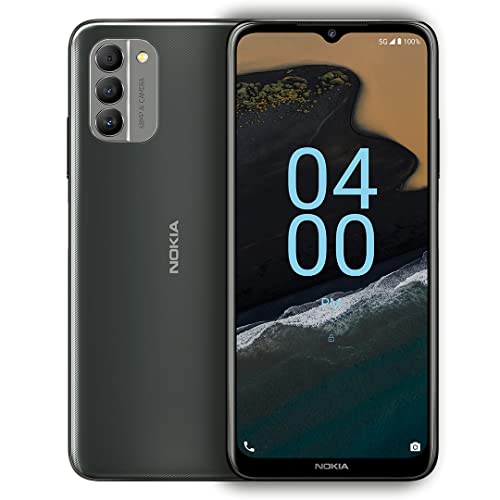
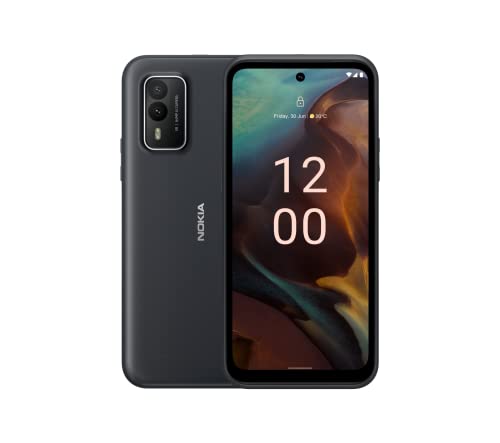
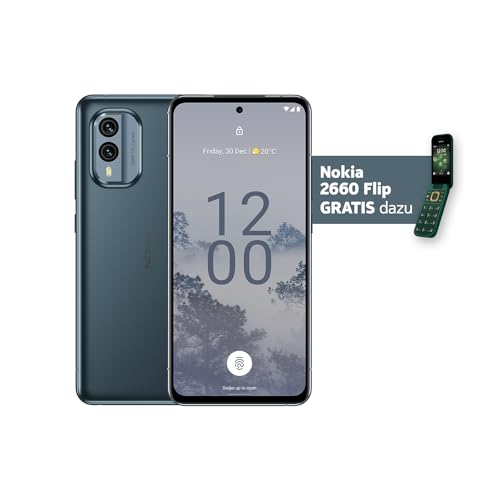
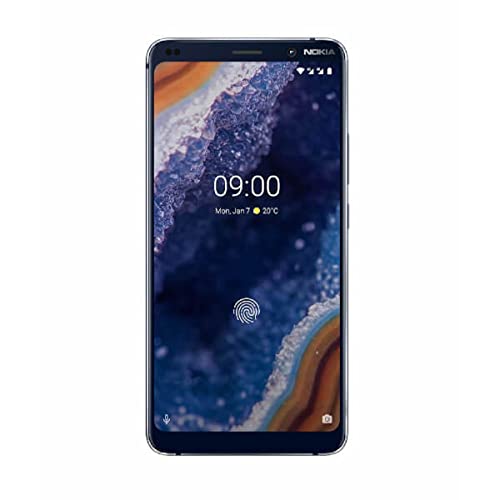
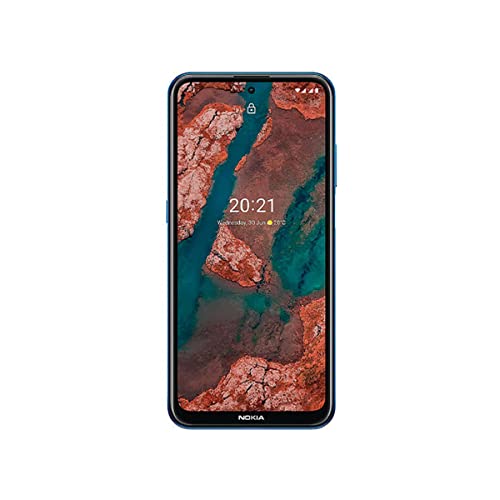
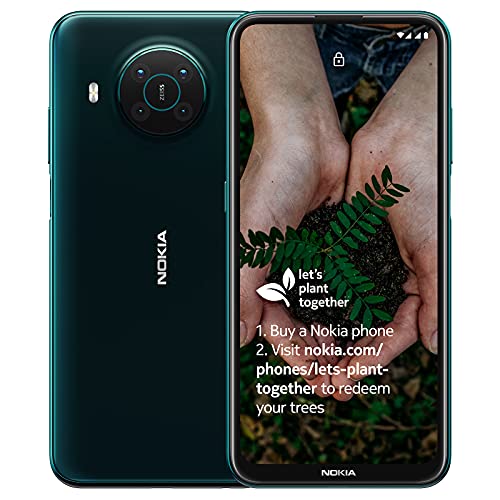
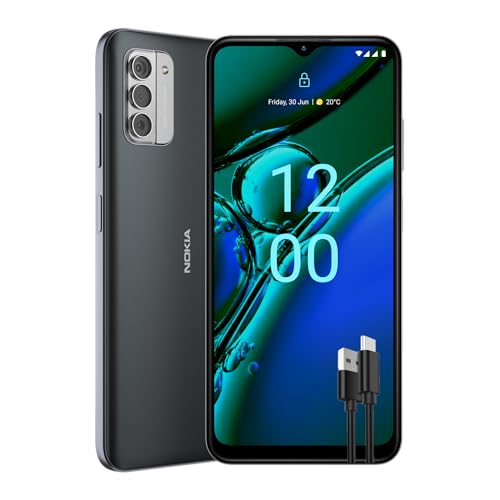
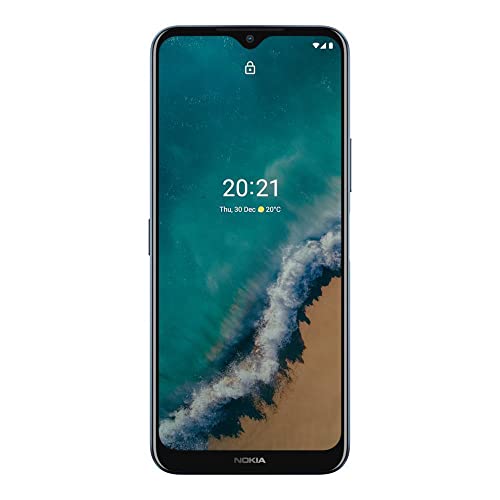
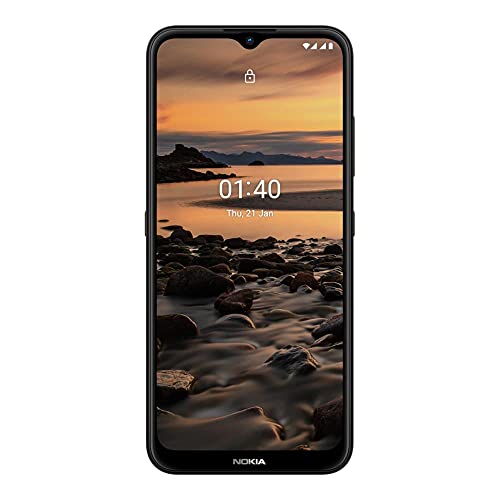
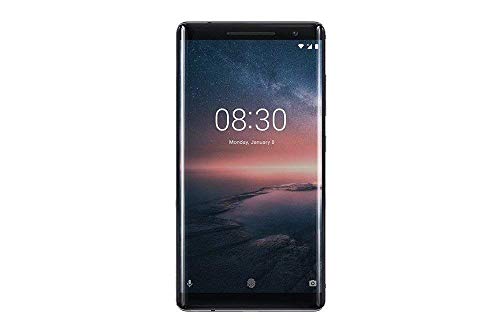
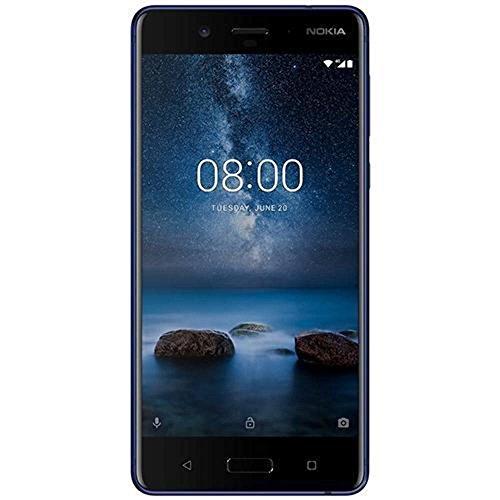
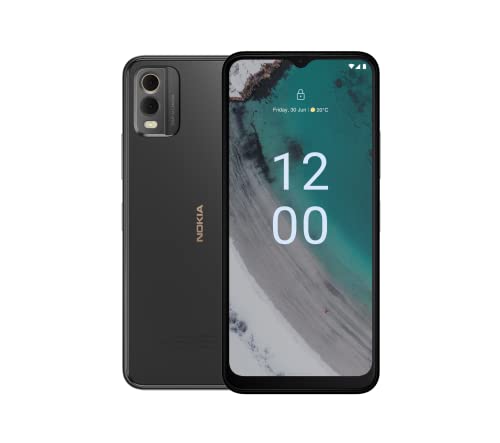
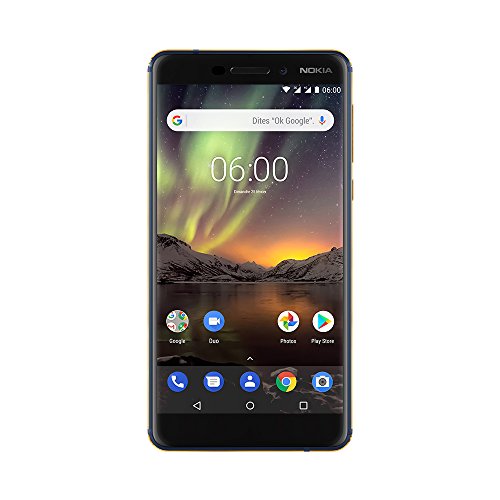
Are Nokia smartphones good?
Nokia smartphones have an average overall score of 6.1, ranking #34 among all smartphone brands, and a user rating of 8.1, placing them at #19 based on user reviews.
Nokia smartphones gave you solid build quality, clean Android software, and frequent security updates. Most models ran on Android One, which meant a simple interface without extra apps and a steady update schedule. The brand focused on reliability and durability, with devices that often featured sturdy designs and long-lasting batteries. While you could find models across different price ranges, Nokia mainly targeted budget and mid-range buyers who wanted a straightforward phone for daily use.
However, Nokia smartphones are no longer produced. HMD Global, which manufactured them since 2016, stopped releasing new Nokia-branded smartphones in 2023 and shifted to its own HMD brand, with the Nokia licensing deal set to end in March 2026. Existing Nokia models remain available, but they come from older production runs. While they can still be a good choice for basic use, they fall behind modern competitors in performance, camera quality, and advanced features.
(Note: A total of 46 brands were evaluated in the comparison in the first paragraph. Only those with at least 3 smartphones in our database that were released after 2022 were included.)
The following chart ranks smartphone brands by their overall scores.
[horizontal-chart-11179455835776328272117992587934720489722943536617]
What are the main advantages of Nokia smartphones?
The main advantages of Nokia smartphones are as follows:
- Build quality: Nokia smartphones use durable materials such as aluminum frames or toughened polycarbonate shells, and many models have Gorilla Glass protection (up to Victus 2 on flagship devices), which improves resistance to drops and scratches.
- Battery life: Many Nokia models have 4,500–5,000 mAh batteries that last up to two days of regular use, and some include AI-based power management that optimizes consumption based on usage patterns.
- Software updates: Nokia commits to up to 3 years of Android OS upgrades and 4–5 years of monthly security patches, which is above the Android market average and improves long-term usability.
- Clean Android experience: Most Nokia models run Android One or stock Android with no heavy skins, which results in smoother performance and faster update rollout.
- Repairability: Nokia smartphones are often designed for easy repairs, with spare parts like batteries and screens available for self-repair kits in partnership with iFixit, which reduces maintenance costs.
- Competitive pricing: Many models cost under £260, yet still feature large Full HD+ displays, 5G connectivity, and multi-lens camera systems with Zeiss optics on certain devices.
What are the main disadvantages of Nokia smartphones?
Nokia smartphones have the following disadvantages:
- No longer in production: Nokia smartphones have ceased production, so only existing stock or second-hand units are available.
- Performance limitations: Mid-range chipsets such as Snapdragon 4xx or 6xx series can lag behind competitors in gaming and heavy multitasking.
- Camera performance: While some models include Zeiss-branded lenses, image processing often struggles in low light compared to rivals like Samsung or Google Pixel.
- Limited flagship presence: Nokia’s high-end lineup is small and infrequently updated, so options above £430 are rare.
- Display quality: Many affordable Nokia models use LCD panels instead of AMOLED, which reduces contrast and color vibrancy.
- Charging speed: Even on newer models, fast charging is usually limited to 18–33 W, which is slower than many competitors in the same price range.
Who makes Nokia smartphones?
HMD Global manufactures Nokia smartphones. This Finnish company, based in Espoo, acquired the rights to produce Nokia-branded phones after Nokia sold its mobile phone business to Microsoft in 2014. In 2016, former Nokia executives founded HMD Global and bought back the rights to use the Nokia brand. They began marketing Nokia smartphones and feature phones on December 1, 2016, through an exclusive licensing agreement with Nokia Corporation. By 2024, HMD employed over 500 people, many of them former Nokia employees who brought expertise to revive the brand.
The company also brought back iconic feature phones such as the Nokia 3310 and 8110. However, it struggled to compete with brands like Apple and Samsung, and Nokia smartphone sales fell. Production of Nokia smartphones has now stopped. In 2023, HMD introduced its own branded phones, including the HMD Vibe, as the Nokia licensing deal moved toward its scheduled expiration in March 2026.
What were the main Nokia smartphone series?
The main Nokia smartphone series were as follows:
- Nokia X-series (2021–2025): Upper-midrange Android line under HMD Global. Phones had long update policies and clean software, e.g., X20 and X30.
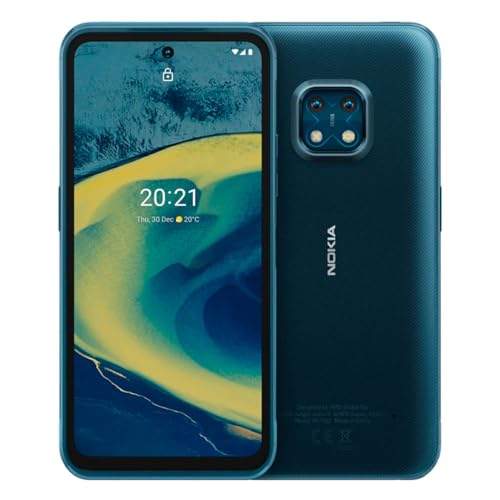
- Nokia XR-series (2021–2024): Rugged Android line for field use. MIL-STD durability and IP68 resistance stood out, e.g., XR20 and XR21.
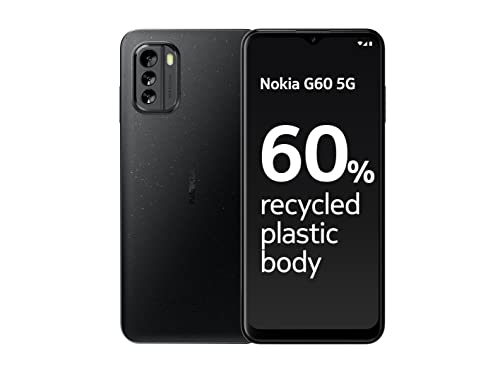
- Nokia G-series (2021–2025): Mainstream Android line. Focus on battery life and value, e.g., G21 and G60.
- Nokia C-series (2020–2025): Entry-level Android line. Many models ran Android Go and targeted first-time users.
- Nokia 1/2/3/5/6/7/8/9 series (2017–2021): First HMD-era Android lineup. Covered tiers from budget (Nokia 1) to flagship (Nokia 9 PureView).
- Lumia (2011–2016): Windows Phone lineup from Nokia then Microsoft. Known for PureView cameras and the Live Tiles interface.
- Asha (2011–2014): Low-cost touch phones on the Asha platform. Nokia marketed them as smartphones in many regions.
- Xseries (2009–2011): Symbian line for entertainment and music. Examples include X6 and X7 with services centered on media.
- Cseries (2009–2011): Entry Symbian line. Examples include C5, C6, and C7 with simpler hardware and lower prices.
- Nseries (2005–2011): Multimedia flagships on Symbian (Maemo on N900). Icons include N95 and N8 with advanced camera tech.
- Eseries (2005–2011): Business smartphones with QWERTY or slim candybar designs. Strong email and enterprise tools defined the range.
- N-Gage (2003–2006): Game-centric smartphones on Symbian S60. Built for handheld games and phone calls in one device.
- Communicator (1996–2007): Early smartphone family with clamshell QWERTY and large displays. Ran GEOS then Symbian (Series 80/90) and served as a mobile office.
How much do Nokia smartphone costs?
Nokia smartphones are no longer produced, so current prices depend on remaining stock and second-hand availability. Budget models such as the Nokia C series usually sell for about £90 to £130, while mid-range G series phones range from £130 to £260. Higher-end X and XR series devices reach £260 to £430, and the most advanced models, like the Nokia XR21, can go up to around £600.
Since production has stopped, most new units come from old inventory, and many devices are available only through resellers or refurbished markets. Prices can vary significantly depending on the condition, storage capacity, and whether the phone is unlocked or tied to a specific carrier.
Nokia smartphones cost on average £190 €, ranking #13 in price among smartphone brands (from cheapest to most expensive), and have a quality-price ratio score of 6.9, placing them in position #36.
(Note: Only brands with at least 6 smartphones in our database were included.)
What should you consider while choosing the best Nokia smartphone?
When you choose the best Oppo smartphone, you should focus on the following key aspects:
- Processor: The processor determines the overall performance and speed of your Nokia device. Modern Nokia smartphones feature either Qualcomm Snapdragon processors or Unisoc chipsets. The Snapdragon 695 in Nokia G60 handles everyday tasks and light gaming smoothly, while flagship models like the Nokia Safari Premium 5G pack the cutting-edge Snapdragon 8 Gen 4 for blazing-fast performance. Budget Nokia phones typically use Unisoc SC9863A processors which operate at 1.6GHz and deliver stable performance for basic multitasking.
- RAM and storage: RAM capacity affects multitasking speed and app responsiveness. Nokia smartphones offer various RAM configurations ranging from 2GB in entry-level models to 16GB in premium devices. The Nokia G42 5G provides 4GB, 6GB, or 8GB RAM options with virtual RAM expansion capabilities. Storage options span from 32GB to 512GB internal capacity, with most models supporting microSD expansion up to 1TB. Higher RAM numbers mean better performance when running multiple apps simultaneously.
- Camera system: Nokia's camera setups vary significantly across price ranges. Budget models like Nokia C32 feature 50MP main cameras with basic depth sensors, while mid-range devices offer triple or quad-camera systems. The Nokia G60 includes a 50MP main sensor, 5MP ultra-wide, and 2MP depth camera combination. Premium Nokia models reportedly feature advanced camera systems with 200MP primary sensors and multiple lenses for professional-grade photography.
- Battery life: Nokia phones are renowned for exceptional battery performance across all price segments. Entry-level models typically pack 4000-5000mAh batteries that last 1-2 days. The Nokia G50 5G includes a robust 5000mAh battery for extended usage, while some Nokia phones feature batteries up to 9100mAh with fast charging capabilities reaching 145W. Larger battery capacity translates directly to longer usage time between charges.
- Display technology: Nokia smartphones feature displays ranging from 6 to 6.9 inches with various technologies and refresh rates. Budget models typically use HD+ LCD panels, while premium devices offer Full HD+ or QHD+ AMOLED displays with 120Hz or higher refresh rates. The Nokia Safari Premium 5G sports a massive 6.9-inch IPS LCD display with Corning Gorilla Glass 7 protection. Higher refresh rates provide smoother scrolling and improved gaming experiences.
- Build quality and durability: Nokia maintains its reputation for robust construction across all smartphone categories. Many models feature Gorilla Glass protection for screen durability, while rugged variants like the Nokia XR21 offer military-grade toughness with IP68 water and dust resistance. The build materials range from plastic frames in budget models to premium glass and metal construction in flagship devices, affecting both durability and aesthetic appeal.