Which brands make the best smartphones with wireless charging?
The brands with the best smartphones with wireless charging (based on overall score) are as follows:
- realme (Average overall score: 9.2 points)
- Oppo (Average overall score: 8.9 points)
- vivo (Average overall score: 8.9 points)
Note: Only brands with at least 6 smartphone models in our database, released since 2022, were considered.
Smartphone brands with wireless charging are compared by overall score in the following chart.
[horizontal-chart-09166597063618534850122977908693874159760238698355]
How does wireless charging work on smartphones?
Wireless charging on smartphones uses electromagnetic fields to transfer power from a charging pad to your phone without using a cable. The system relies on a method called inductive charging, where a coil inside the charger creates a magnetic field. A second coil inside your phone receives that magnetic field and converts it into electricity that powers the battery.
For this to work, both the phone and the charging pad must support the same standard (usually Qi). You need to place your phone directly on the pad with proper alignment, or charging may slow down or stop.
The process usually charges slower than wired connections, especially if you use low-wattage pads. Some phones support fast wireless charging, but only with compatible pads and power adapters. Wireless charging generates more heat than wired charging, so phones often manage charging speeds to prevent overheating.
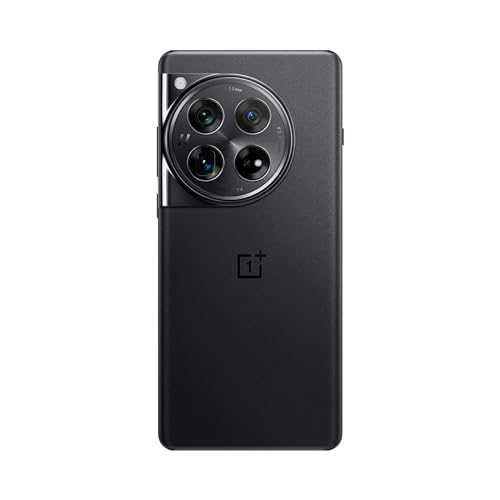
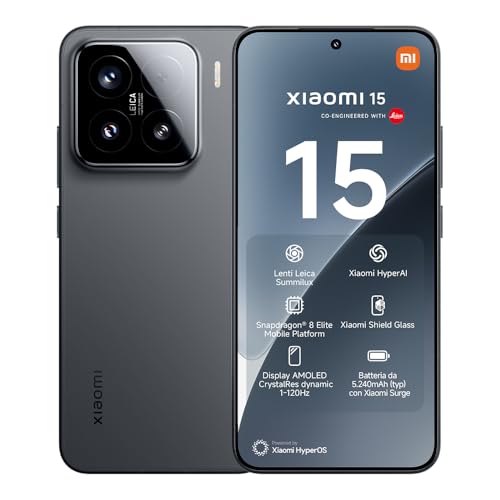
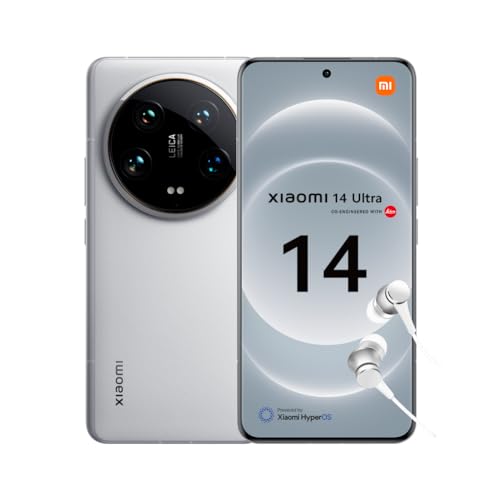
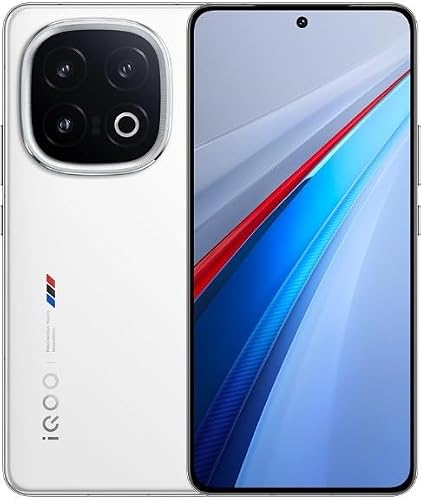
The best available smartphones with wireless charging (with the highest overall score) are as follows:
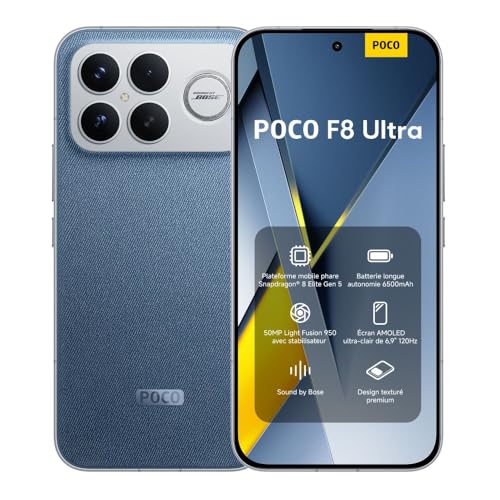
* Poco F8 Ultra (16GB + 512GB) (Overall score: 9.19 points)
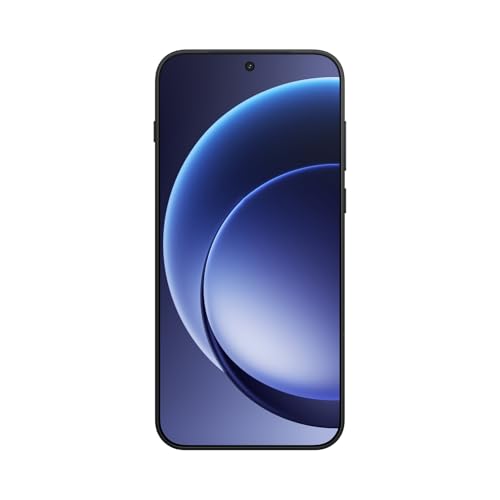
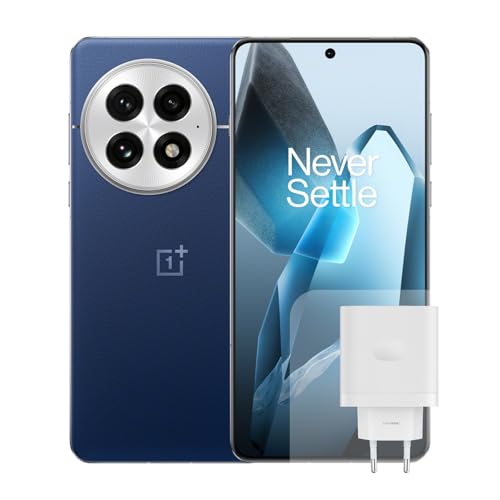
* OnePlus 15 (16GB + 512GB) (Overall score: 9.15 points)
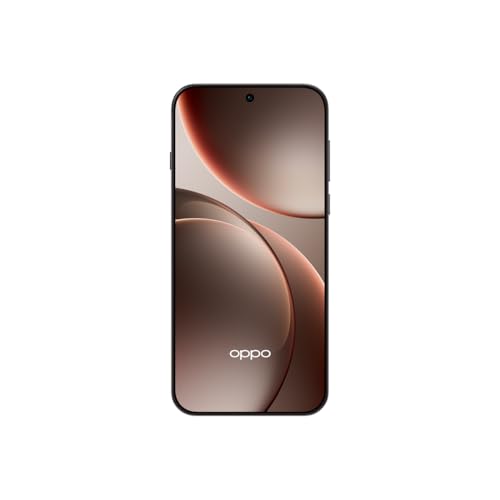
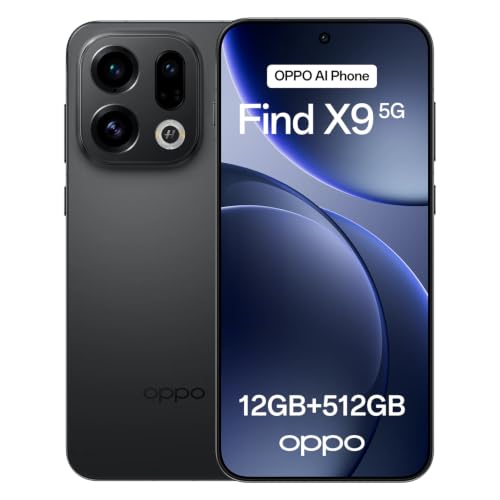
* Oppo Find X9 Pro (16GB + 512GB) (Overall score: 9.12 points)
Does wireless charging work on all smartphones?
Wireless charging does not work on all smartphones. Your phone needs to support a specific standard—usually Qi wireless charging—for it to charge wirelessly. Many newer phones from brands like Apple, Samsung, Google, and Xiaomi support Qi, but some older or budget models do not.
Is wireless charging slower than wired charging?
Yes, wireless charging is slower than wired charging. You get much faster charging speeds through a cable compared to most wireless charging pads or stands. This happens because wired charging sends power directly through a cable, while wireless charging loses some energy during transmission (because of heat and distance between the coil in the phone and the coil in the charger).
Most wired chargers today support fast charging up to 65W or more (some reach 120W or higher), so you can charge your phone fully in under 30 minutes. In comparison, most wireless chargers max out at 10W to 15W (some support up to 30W), so a full charge can take more than twice as long. Some phones also throttle wireless charging speeds to avoid overheating, which slows it down even more.
The smartphones with the fastest wireless charging are as follows:
• AGM H6 (16GB + 256GB) (Wireless charging power: N/A W W)
• Asus 8z (8GB + 128GB) (Wireless charging power: N/A W W)
• Asus ROG Phone 6 (12GB + 256GB) (Wireless charging power: N/A W W)
Is wireless charging bad for a battery?
Wireless charging is not bad for a battery, but it can affect battery health differently compared to wired charging. You can use wireless charging daily without damaging your phone, but there are a few technical reasons why it may lead to faster wear over time.
Wireless charging generates more heat than wired charging because it uses electromagnetic induction. Heat affects lithium-ion battery chemistry, so consistent high temperatures during charging can slowly degrade battery capacity. Some phones control heat well, but if your device gets warm during wireless charging, that heat can stress the battery.
Wireless charging also usually takes longer than wired charging, so your phone stays in the charging cycle for more time, which can increase battery wear over months or years.
What else to consider while choosing the best smartphone with wireless charging?
If you want to choose the best smartphone with wireless charging, you need to consider more than just the charging feature. The key factors include the following:
- CPU: Look at the processor speed and chipset generation. Top-tier models use chips like the Snapdragon 8 Gen 3 or Apple A17 Pro. These handle gaming, multitasking, and AI functions better. Lower-end phones may use mid-range chips that lag in performance.
- RAM: RAM affects how many apps you can run at once without slowdown. High-end models have 12 GB or 16 GB RAM, which support smooth multitasking. Mid-range phones usually have 6 GB or 8 GB, which works fine for casual use.
- Storage: Storage affects how much data, apps, and media you can keep. Flagship phones start at 256 GB or 512 GB and go up to 1 TB. Many phones skip microSD slots now, so pick enough internal storage from the start.
- Camera: Look at sensor size, megapixel count, and lens setup. Premium phones include periscope zoom, ultrawide lenses, and 50 MP+ main sensors. Mid-range models may lack optical zoom or use smaller sensors, which reduce image quality in low light.
- Battery and Charging Speed: Besides wireless charging, check battery size and wired charging speed. 4500–5000 mAh batteries last longer, and 65W–120W charging refills faster than wireless. Some phones heat up more during wireless charging.
- Display Quality: OLED and AMOLED displays have better contrast, deeper blacks, and smoother visuals (especially with 120Hz or 144Hz refresh rate). High resolution (like QHD+) makes content look sharper, especially on bigger screens.
- Build Quality and Durability: Look for Gorilla Glass Victus 2 or ceramic protection, IP68 water resistance, and aluminum or titanium frames. These affect long-term durability, especially if you charge wirelessly on the go.
- Software and Updates: Flagship phones from Samsung, Google, and Apple get longer software support (up to 7 years in some cases). That means better long-term performance, security, and feature updates. Budget or lesser-known brands often lag here.
- Wireless Charging Standards: Check if the phone supports fast wireless charging (like 15W+), Qi2 standard, and reverse wireless charging. Not all phones charge at the same speed or work with every wireless charger.