What are the best vacuum cleaner brands in 2026?
The best vacuum cleaner brands in 2026 are ranked below:
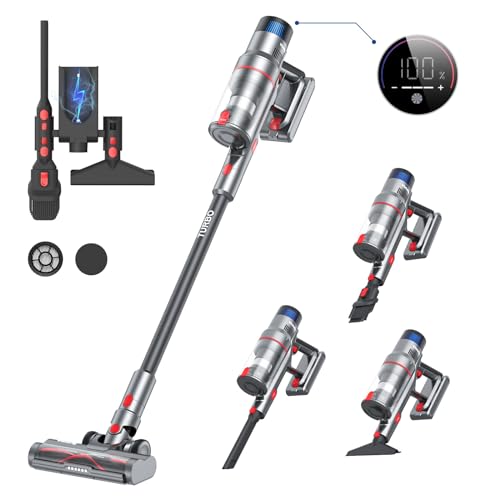
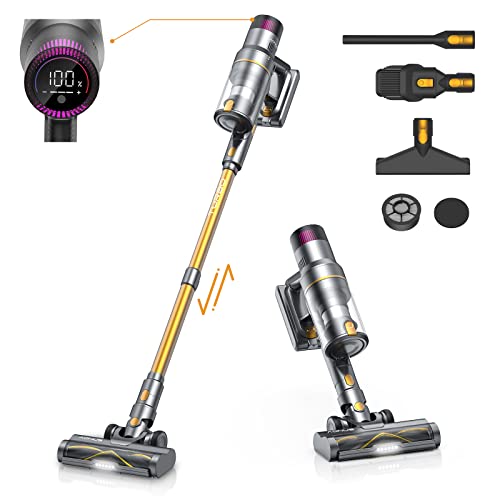
- BuTure (Average overall score: 8.5)
- Dreame (Average overall score: 8.4)
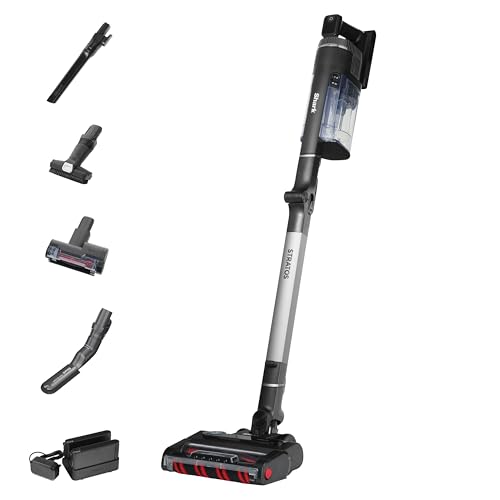
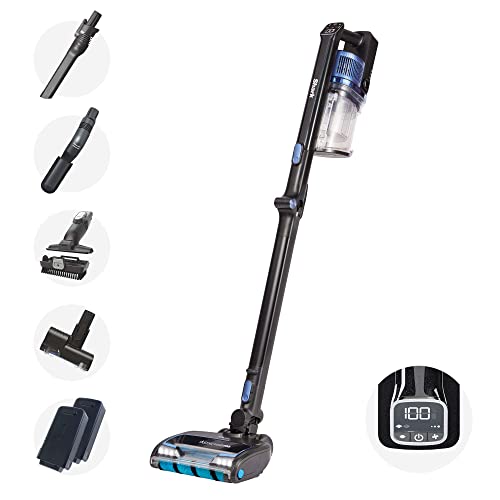
- Shark (Average overall score: 8.2)
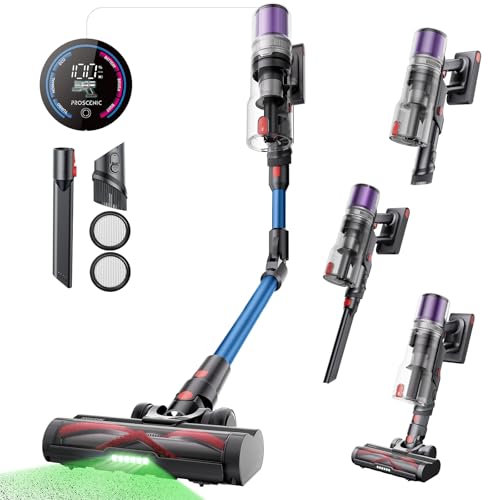
- Proscenic (Average overall score: 8.2)
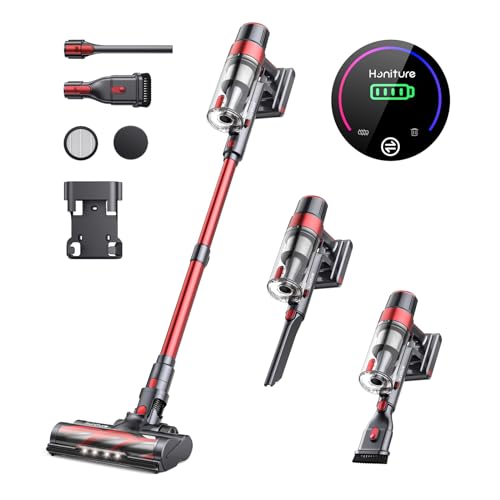
- HONITURE (Average overall score: 8.2)
The chart below ranks vacuum cleaner brands by average overall score.
[horizontal-chart-05060405232908929908180547999782892589572867802681]
Which vacuum cleaner brands have the highest user ratings?
The best-rated vacuum cleaner brands according to users are ranked below:
- Henry (Average user rating: 9.6)
- Shark (Average user rating: 9.3)
- Numatic (Average user rating: 9.3)
- Siemens (Average user rating: 9.2)
- Bissell (Average user rating: 9.2)
The chart below compares vacuum cleaner brands by average user rating.
[horizontal-chart-06913735777461305329012635194813435770304266510909]
Which vacuum cleaner brands offer the best value for money?
The vacuum cleaner brands offering the best value for money are ranked below:
- BuTure (Average quality-price ratio: 8.9)
- Proscenic (Average quality-price ratio: 8.7)
- HONITURE (Average quality-price ratio: 8.6)
- Dreame (Average quality-price ratio: 8.5)
- Shark (Average quality-price ratio: 8.4)
The chart below compares vacuum cleaner brands by average quality-price ratio.
[horizontal-chart-01313871447958676663049236304909812191891383073793]

How much do the best vacuum cleaners cost?
The best vacuum cleaners commonly cost about £60-£360, while roughly £100-£260 covers many capable everyday models with useful tools, good floorhead design, and manageable compromises.
Below about £100, expect simpler filtration, smaller accessory sets, more basic brush rolls, or heavier construction. Budget machines can still suit small homes and straightforward hard-floor cleaning, but check the cost and availability of bags, filters, and replacement batteries before choosing on purchase price alone.
Above £260, the extra money increasingly pays for lighter materials, quieter operation, stronger sealed filtration, automated suction control, anti-tangle heads, better battery systems, or premium wet-cleaning functions. High price does not guarantee a better fit: a specialized flagship can be less practical than a midrange vacuum with the correct head and capacity for your floors.
The chart below shows the price distribution of vacuum cleaners.
[vertical-chart-05052010879206262989136450159365336577052223101158]
What types of vacuum cleaners are available?
The main types of vacuum cleaners are the following:
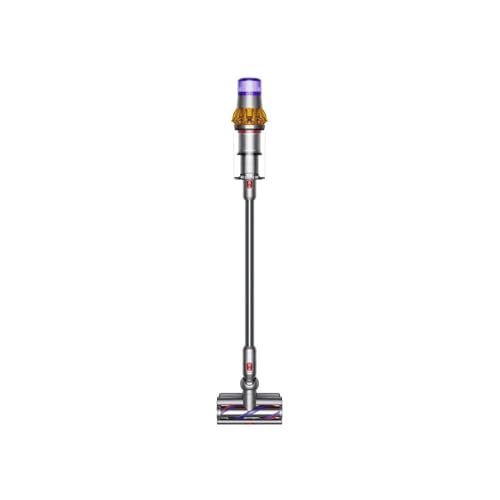
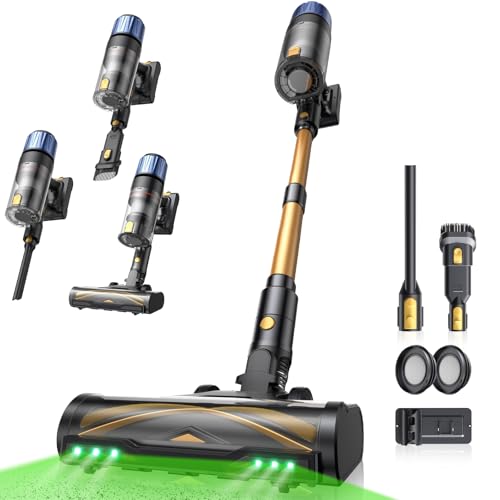
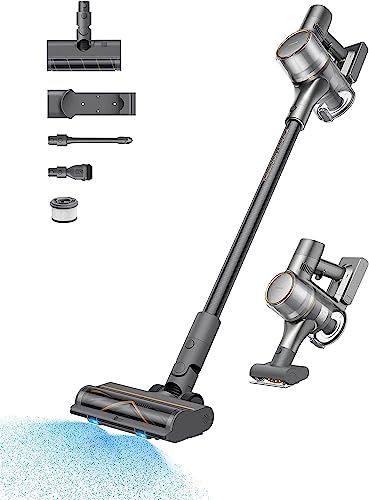
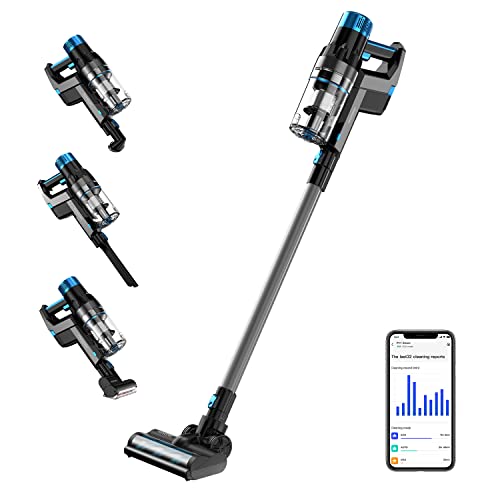
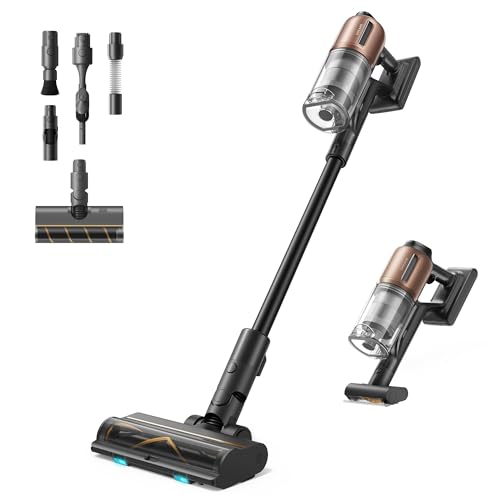
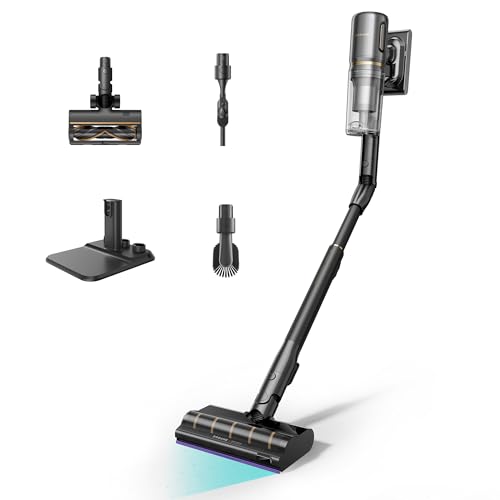
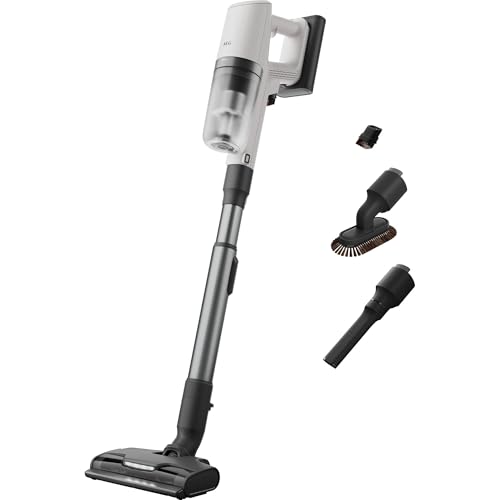
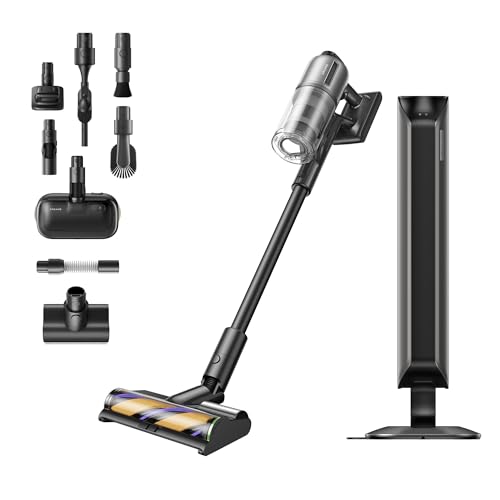
- Stick vacuums: Slim machines with the motor, bin, and cleaning tube arranged in one portable body. They are quick to deploy and easy to steer, although small bins and battery limits can make some models less suitable for long cleaning sessions.
- Canister vacuums: A wheeled motor-and-bin unit connects to the floorhead through a hose and wand. Their low hand weight, strong sustained performance, and broad tool selection suit whole-home cleaning, but the body must be pulled behind you and stored separately.
- Upright vacuums: The motor, dust container, and wide powered head form one floor-standing unit. They can clean large carpeted areas efficiently, though stairs, low furniture, and tight storage may expose their extra bulk.
- Wet-and-dry or vacuum-mop models: These collect dry debris and handle liquid pickup or wash hard floors, depending on the design. They add useful floor-care functions but require more cleaning of tanks, rollers, and dirty-water paths after use.
The chart below shows the distribution of vacuum cleaner body types.
[pie-chart-08306895484142095542004437441966037194780484875663]
What suction power and airflow do the best vacuum cleaners have?
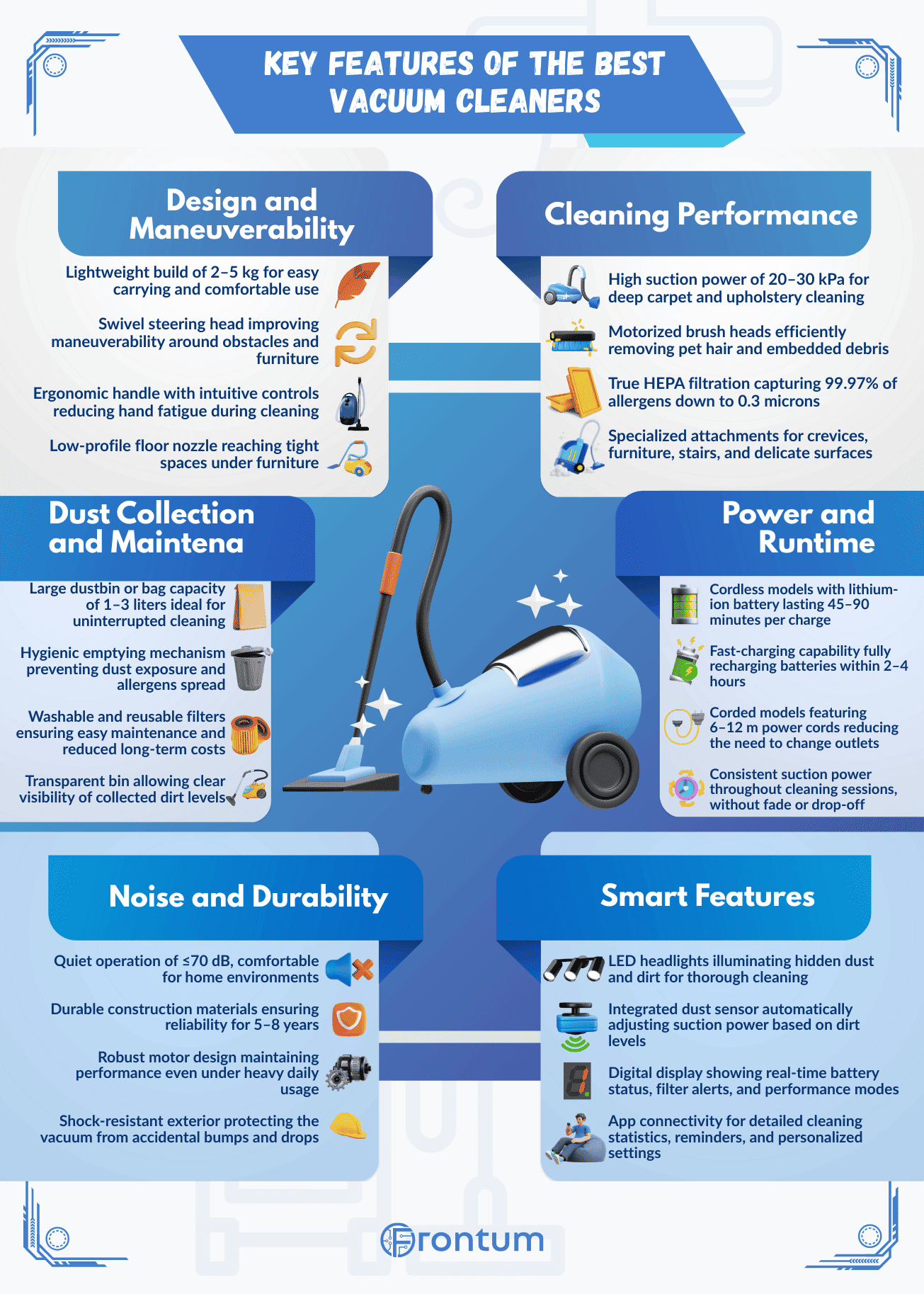
Suction power and airflow work together: suction loosens debris, while airflow carries it into the bin or bag. Strong performance needs both, a sealed path, and a floorhead suited to the surface.
Air watts combine pressure and airflow when measured under comparable conditions. Kilopascals measure pressure, litres per second measure airflow, and motor watts measure electricity use, so values from different systems or modes should not be ranked as equivalents.
The head decides how effectively that output reaches the floor. Powered brushes agitate carpet, soft rollers collect dust and crumbs on hard floors, and adjustable seals prevent clamping on thick rugs. Judge pickup, edge cleaning, clog resistance, and performance as the container fills—not the largest headline number.
The chart below shows the distribution of suction power in air watts among vacuum cleaners with published AW figures.
[vertical-chart-16163056546638128212095638454314686832461680706538]
Are bagless vacuum cleaners better than bagged models?
Bagged vacuum cleaners usually offer cleaner disposal and steadier filtration, while bagless models avoid replacement bags and make collected debris visible. Neither design is automatically better at cleaning; sealing, filters, airflow, and floorhead design matter more.
A self-sealing bag contains dust when removed and often provides a large working capacity, which suits allergy-sensitive homes and long cleaning sessions. The recurring bag cost is the main drawback. Bagless cyclones reduce consumable costs, but emptying the bin can release dust and the filters or cyclone shrouds may need more frequent cleaning.
The chart below shows the share of vacuum cleaners that use a bagless design.
[pie-chart-15877467683857757040029316887604066466020397205791]
How much dust can the best vacuum cleaners hold?
A practical dust capacity is about 0.4–0.8 L for a cordless stick vacuum, around 1–3 L for many bagless canister or upright models, and roughly 2.5–5 L for a typical bagged vacuum. Wet-and-dry machines may hold 10 L or more, but their tank capacity serves a different type of cleaning and should not be compared directly with a household dust bin.
Larger capacity reduces interruptions, which matters in bigger homes, with shedding pets, or when cleaning substantial carpeted areas. It also adds bulk and weight, so a compact 0.5 L bin can be the better compromise for quick daily cleaning if its emptying mechanism is clean and easy to operate.
Compare usable capacity rather than the largest advertised figure. Cyclone bins should be emptied at their maximum-fill line to preserve separation and airflow, while a bag may compress debris more efficiently but still needs replacing before airflow becomes restricted.
Are cordless vacuum cleaners better than corded models?
Corded vacuums provide uninterrupted power for long sessions, while cordless vacuums exchange that unlimited runtime for faster setup and easier movement. The better choice depends on the size of the home and how often you clean.
A corded canister or upright is usually more convenient for large carpeted areas, deep cleaning, and repeated maximum-power use. Check cable length and operating radius, because frequent socket changes can erase part of the practical advantage.
Cordless models suit daily debris, stairs, cars, and smaller homes because there is no cable to unwind. Published runtime is normally measured in a lower-power configuration; powered heads, thick carpet, and boost mode can shorten it sharply, so a removable battery and clear remaining-time display are valuable.
For many households, the decision is not strictly either-or. A capable cordless stick can handle frequent cleaning, while a corded machine remains useful for periodic deep cleans or areas that exceed one battery charge.
How long do cordless vacuums run?
Cordless vacuums usually run for about 40–60 minutes in a normal low-power mode, but high-power or boost runtime is commonly closer to 8–15 minutes. Treat the published maximum as a best-case figure because a powered floorhead, thick carpet, automatic dirt detection, and repeated boost use can shorten it substantially.
Compare runtime with the main floorhead attached and in the mode you expect to use. For a larger home, a removable battery can extend the session, while a remaining-time display makes it easier to avoid running out of power midway through a room.
The chart below shows the battery-runtime distribution of cordless vacuum cleaners.
[vertical-chart-18216389618215259384170450972673969789643738921133]
How long do cordless vacuums take to charge?
Most cordless vacuums take about 3–4 hours to charge fully, although some fast-charging models need less time and larger batteries can take longer. A wall dock makes regular top-ups convenient, but confirm whether the vacuum can also charge a battery outside the machine.
Battery size is best compared in watt-hours rather than voltage or amp-hours alone. Multiply the two figures: a 25.2 V, 2.5 Ah pack stores about 63 Wh, although usable runtime still depends on motor mode and floorhead load.
Also check the price and availability of a replacement pack. A removable battery is most valuable when a second pack can be charged separately and replaced without sending the whole vacuum for service.
How noisy are the best vacuum cleaners?
The best vacuum cleaners are not necessarily silent, but about 70–75 dB is relatively quiet for this category, while roughly 80–86 dB is clearly more intrusive during a long cleaning session. Decibel figures should be compared only when the measurement method and operating mode are similar.
Maximum mode, a powered brush roll, turbulent airflow, and partially blocked filters can all raise the sound level. A lower figure is useful in flats, homes with children, or frequent evening cleaning, but the tone also matters: a high-pitched motor can be more irritating than a lower-frequency machine with the same stated dB value.
The chart below shows the noise-level distribution of vacuum cleaners.
[vertical-chart-16598923983568763698080393023178807319680159124442]
Which filters and attachments do the best vacuum cleaners have?
The most useful vacuum filters and attachments are the following:
- Sealed high-efficiency filtration: A high-efficiency exhaust filter is most useful when the casing and seals prevent air from bypassing it. Look for a clearly stated whole-machine or sealed-system claim and check the replacement schedule.
- Washable pre-motor filter: This protects the motor and reduces consumable cost, but it must be cleaned and dried exactly as instructed. Refitting a damp filter can restrict airflow or damage the machine.
- Powered carpet head: A motorized brush roll lifts hair and embedded debris from carpet more effectively than suction alone. Height adjustment, suction relief, or automatic floor sensing helps prevent the head from becoming difficult to push.
- Soft roller or parquet brush: A soft, low-profile head collects fine dust on hard floors while reducing the risk of scattering larger crumbs. Delicate timber floors benefit from soft wheels and bristles without exposed hard edges.
- Mini motorized or anti-tangle tool: This is valuable for pet beds, stairs, car seats, and upholstery. Anti-tangle combs reduce manual hair removal, although every roller still needs periodic inspection.
- Crevice and upholstery tools: A narrow crevice nozzle reaches edges and gaps, while a wider upholstery tool controls airflow across fabric. Onboard storage or a secure docking system makes these basic tools much more likely to be used.