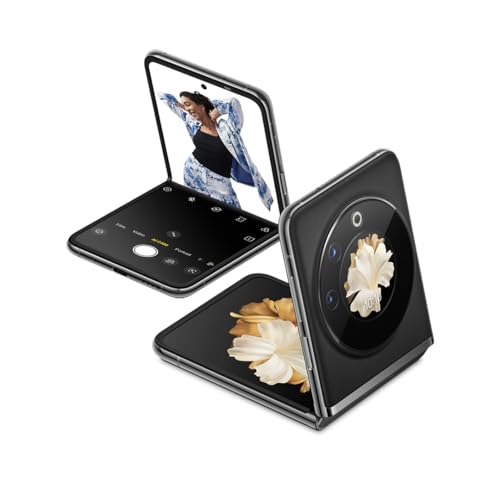
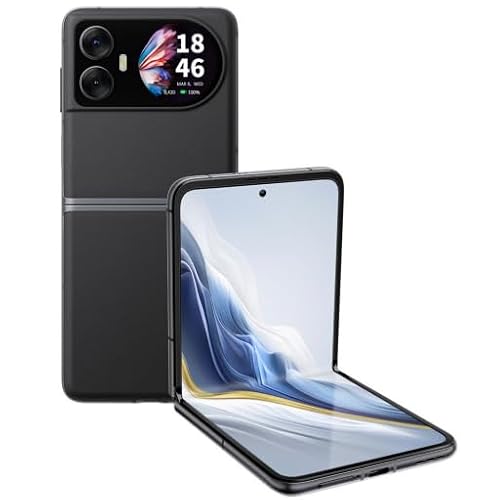
Are Chinese foldable smartphones worth buying?
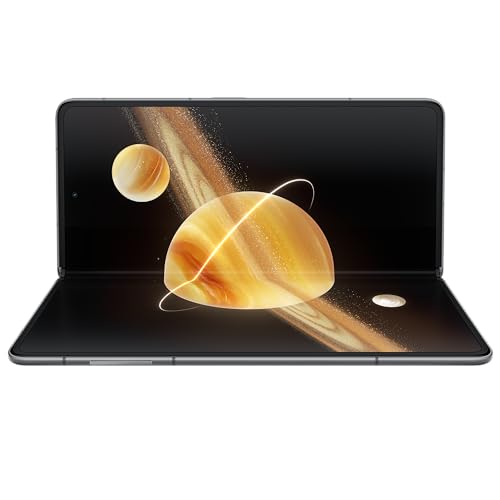
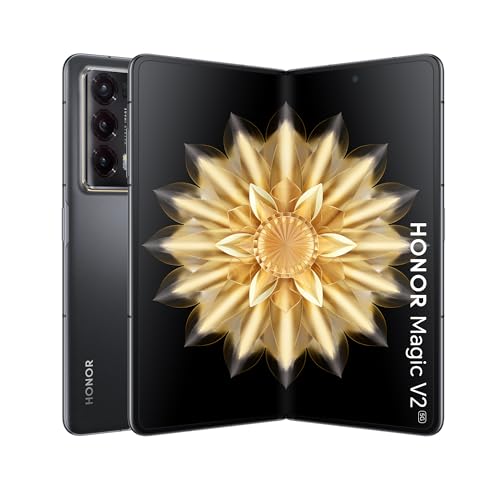
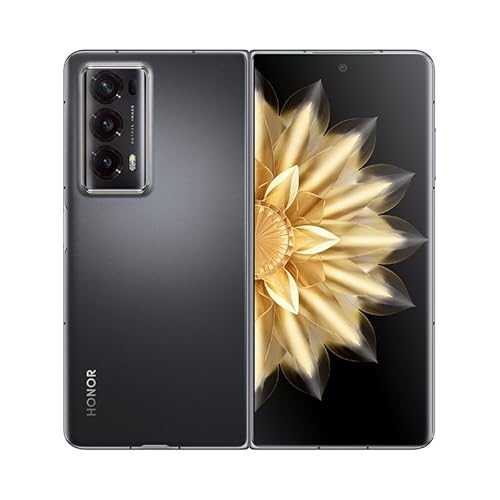
Yes, Chinese foldable smartphones are worth buying if you want cutting-edge design, advanced specs, and better pricing than Samsung or other Western brands. Brands like Huawei, Honor, Xiaomi, and Oppo now lead in foldable design and hinge technology. You get thin, lightweight phones with large inner displays and minimal crease visibility. Some models like the Honor Magic V2 or Xiaomi Mix Fold 3 weigh less than a regular iPhone, yet give you a full tablet screen when opened.
The best Chinese foldable smartphone brands (with the highest overall score) are as follows:
- vivo (Average overall score: 8.5)
- Xiaomi (Average overall score: 8.3)
- HONOR (Average overall score: 8.3)
Note: Only brands with at least 3 smartphone models in our database, released since 2022, were considered.
How much does a Chinese foldable smartphone cost in 2026?
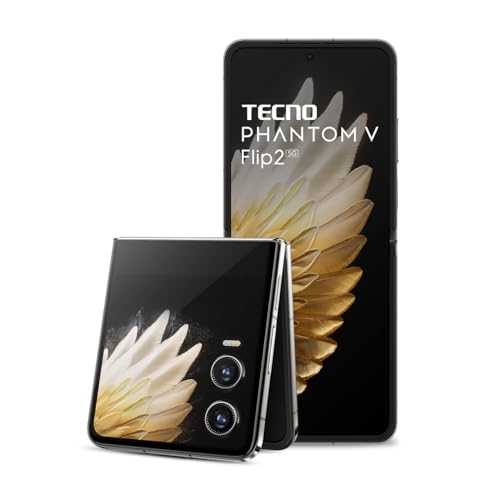
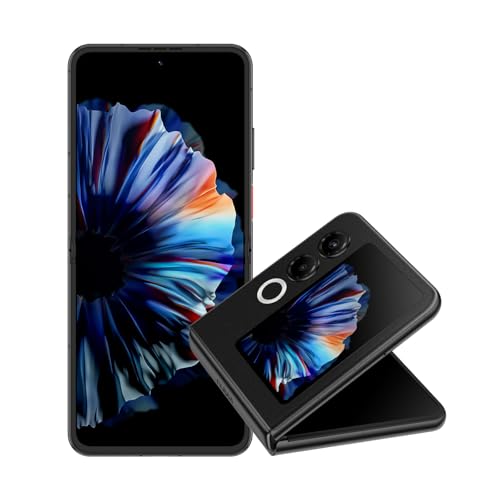
A Chinese foldable smartphone in 2025 costs between £600 and £1,300 depending on the brand, specs, and model. You can find budget options near £600 (like some Honor or Tecno foldables), but high-end models from Huawei or Xiaomi go up to £1,300.
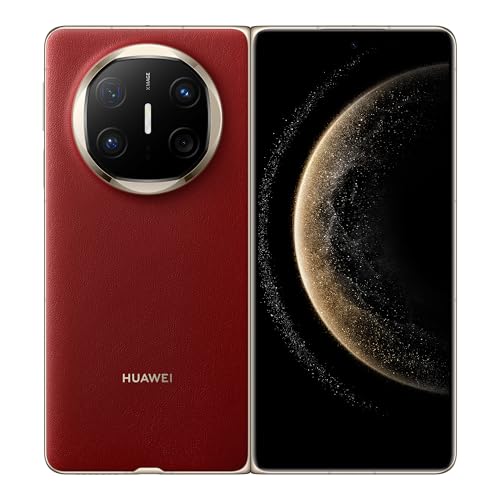
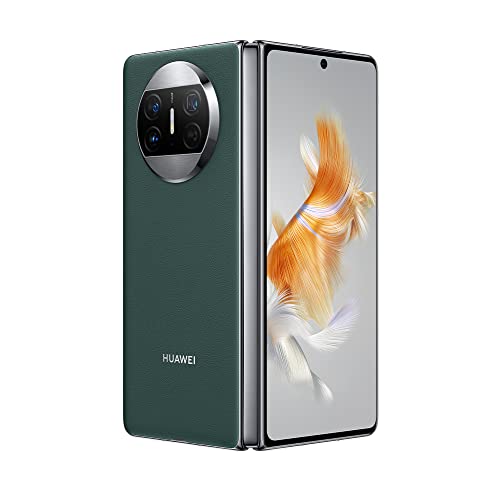
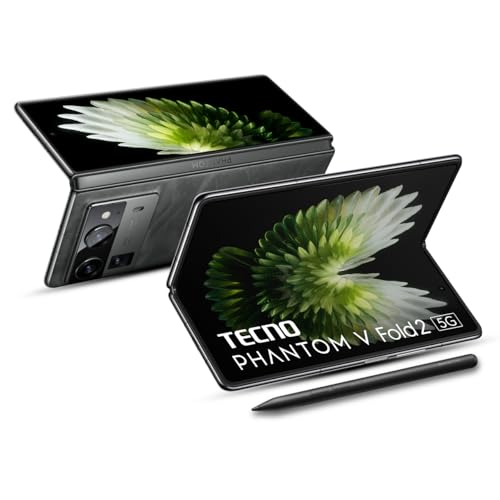
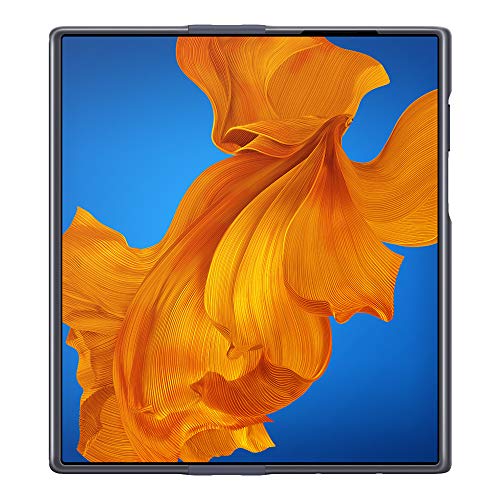
Huawei Mate X5 and Xiaomi Mix Fold 3 sit in the upper range with powerful chipsets (like Snapdragon 8 Gen 2), advanced hinge tech, and flagship-level cameras. Honor Magic V3 and Vivo X Fold 3 Pro follow close, priced between £850 and £1,200, and use thin designs, large AMOLED displays, and multi-camera setups. Some new entries like Tecno Phantom V Fold target lower price segments but still use large inner foldable displays and decent internals, so they stay under £850.
The best available Chinese foldable smartphones (with the highest overall score) are as follows:
- HONOR Magic V3 5G (16GB + 512GB) (Overall score: 8.38 points)
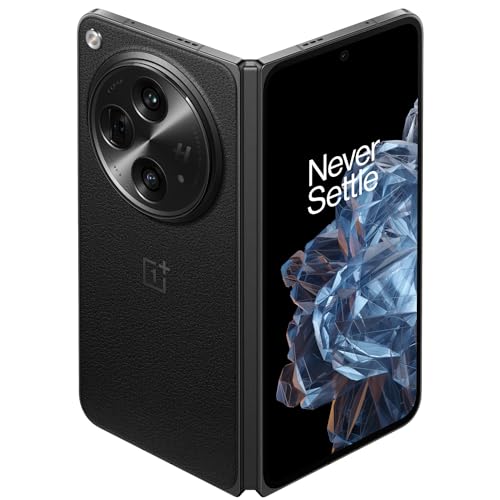
- OnePlus Open (16GB + 512GB) (Overall score: 8.16 points)
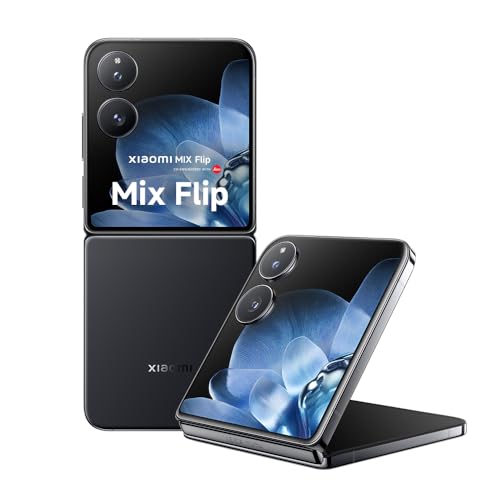
- Xiaomi Mix Flip (12GB + 512GB) (Overall score: 8.13 points)
How much of the global foldable market do Chinese brands control?
Chinese brands control 64.6% of the global foldable smartphone market as of March 2025, with Huawei at 34.3%, Honor at 9.1%, Motorola (Lenovo) at 7.6%, Xiaomi at 5.1% and OPPO and vivo together at 8.5%. You see that Huawei leads by a wide margin while the other Chinese OEMs together make up nearly one-third of all foldable units shipped.
Which Chinese brands are leading the foldable smartphone market?
Huawei tops global foldable smartphone shipments as of 2025/03, with 34.3% of units shipped, while Honor follows at 9.1%, Motorola (Lenovo) at 7.6%, Xiaomi at 5.1% and OPPO and vivo together at 8.5%.
In China itself local brands dominate more strongly, capturing over 95% of foldable sales—Huawei holds 76.6%, Honor 9.1%, OPPO 7.1% and Xiaomi 2.6% while Samsung manages only 2.4%. You will find that this domestic strength fuels China’s lead in foldable innovation on the global stage.
The chart below ranks Chinese foldable smartphone brands based on their overall scores.
[horizontal-chart-02701850818897364437034558018442896938910443143595]
How do Chinese foldable smartphones compare to Samsung Galaxy Fold series?
Chinese foldable smartphones compete directly with the Samsung Galaxy Fold series in specs, design, and pricing. You get slimmer bodies, lighter weights, and more refined hinge systems on many Chinese models, especially from brands like Huawei, Honor, Xiaomi, and Oppo. These phones usually cost less than Samsung’s Galaxy Fold series but push harder on display quality, fast charging, and slim profile. For example, Huawei’s Mate X5 and Honor’s Magic V2 stay much thinner than the Galaxy Z Fold5 when folded and unfolded.
You’ll notice Chinese foldables use larger cover screens with near-standard aspect ratios, so they feel more like a regular phone when closed. Samsung sticks with a narrower outer display, which some find less usable. On the inside, most Chinese models use less visible crease designs or nearly crease-free displays. Battery life often performs better on Chinese models because of larger batteries and faster charging (some hit up to 66W or more), while Samsung caps at 25W. But Samsung still wins on software polish, multitasking, and global support, which you don’t always get with Chinese phones outside China or a few select markets.
What should you consider when choosing the best Chinese foldable smartphone?
When choosing the best Chinese foldable smartphone, you should focus on the following: processor, RAM, storage, camera system, display, battery, software experience, and build quality. These features affect speed, usability, image output, durability, and overall value—so compare them carefully:
- Processor: Look for top-tier chips like the Snapdragon 8 Gen 2 or Dimensity 9200+. These power most premium Chinese foldables and run demanding apps without slowdown. Mid-range models use older Snapdragon 7 or Dimensity 8000 series.
- RAM: Most foldables use 12 GB or 16 GB RAM, which supports fast multitasking and smooth performance. Budget versions may use 8 GB, which is still enough for daily use if you don’t run many apps at once.
- Storage: 256 GB or 512 GB is common on high-end models, so you can store many videos, games, and photos. Some foldables go up to 1 TB. You usually can't expand storage with a microSD card.
- Camera: Premium models use 50 MP or 64 MP sensors with OIS and telephoto or periscope zoom (e.g. 3.5x or 5x). Mid-range ones use simpler dual lenses. Foldables like the Mix Fold 3 or Honor Magic V2 come close to flagship camera quality.
- Display: Inner screens reach 7.8" or 8" with OLED or LTPO panels and 120 Hz refresh. Outer displays also use OLED tech and match regular phones in clarity. Look for ultra-thin glass (UTG) which resists scratches better than plastic.
- Battery: Capacities range from 4500 mAh to 5500 mAh. Charging speed matters—some foldables charge at 66 W or 80 W and fill up in 30–40 minutes. Battery life depends on screen size and chip efficiency.
- Software: Most run Android 13 or Android 14 with a custom UI (like MagicOS, ColorOS, or MIUI). These UIs support split-screen, floating windows, and app continuity between folded and unfolded modes.
- Build quality: Choose foldables with thin, lightweight bodies and flat folds. Hinges should support over 200,000 folds and reduce visible crease lines. Some models use carbon fiber or titanium to lower weight.