Are Asus smartphones good?
Asus smartphones have an average overall score of 8, ranking #12 among all smartphone brands, and a user rating of 7.8, placing them at #24 based on user reviews.
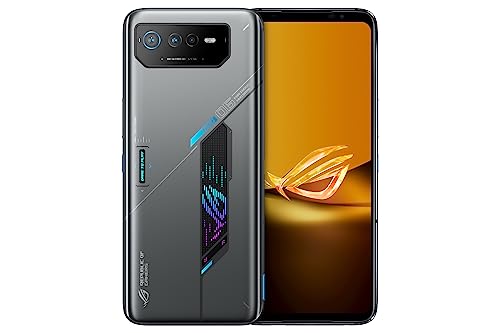
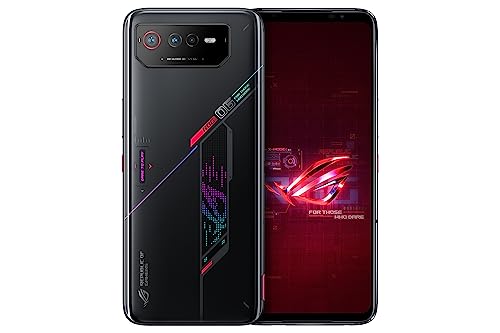
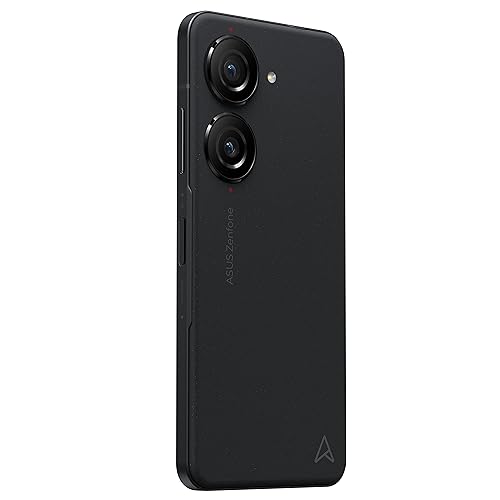
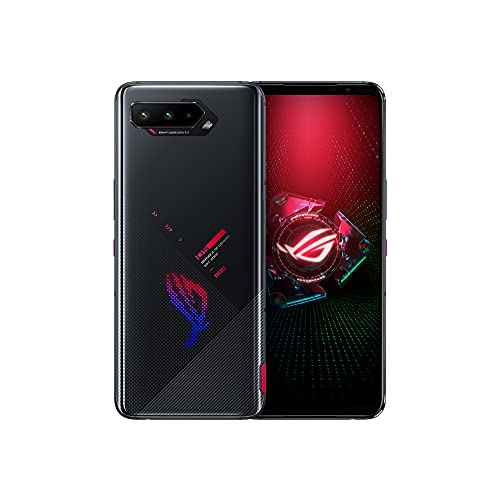
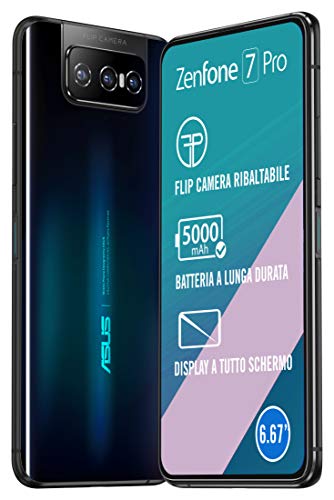
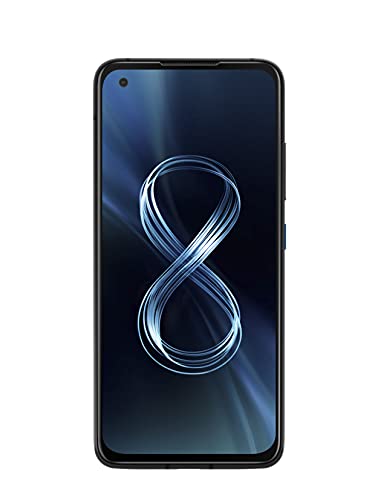
Asus smartphones are a solid choice if you want high performance, unique features, and good value for money. The brand is best known for its ROG Phone series, designed for gaming with powerful processors, advanced cooling systems, and high refresh rate AMOLED displays. These models often include large batteries, custom gaming software, and extra controls like ultrasonic shoulder triggers. Asus also produces the Zenfone series, which focuses on compact size, premium build quality, and strong cameras, sometimes with innovative designs such as a flip camera module.
Most Asus smartphones use flagship or upper mid-range chipsets from Qualcomm, with RAM options that can reach 16 GB and storage up to 512 GB. Battery capacities often go beyond 5,000 mAh with very fast charging. Displays typically support HDR and refresh rates up to 165 Hz, giving smooth visuals.
(Note: A total of 37 brands were evaluated in the comparison in the first paragraph. Only those with at least 6 smartphones in our database that were released after 2022 were included.)
The best available Asus smartphones (with the highest overall score) are as follows:
- Asus Zenfone 12 Ultra (16GB + 512GB) (Overall score: 8.39)
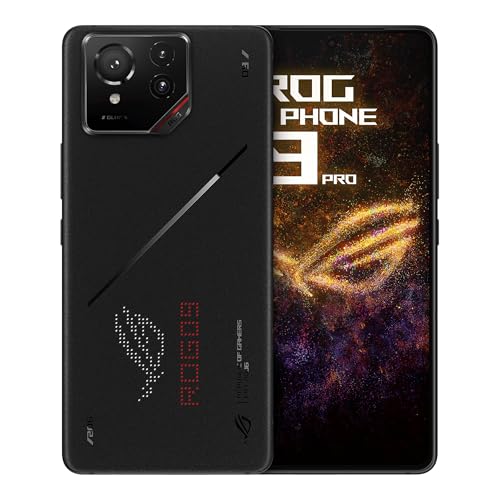
- Asus ROG Phone 9 Pro (24GB + 1024GB) (Overall score: 8.39)
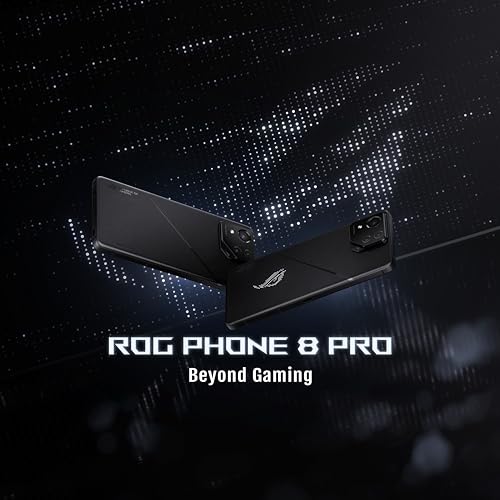
- Asus ROG Phone 8 Pro (16GB + 512GB) (Overall score: 8.29)
The chart below ranks smartphone brands based on their overall scores.
[horizontal-chart-14855520977915281854131920228859147337322180876303]
What are the main advantages of Asus smartphones?
The main advantages of Asus smartphones are as follows:
- Performance: Asus smartphones feature powerful Snapdragon processors like the 8 Elite or 8 Gen 3 and they come with up to 16GB RAM and 512GB storage. Users experience lag-free multitasking and gaming and the devices handle demanding tasks with excellent thermal management.
- Gaming features: Models like ROG Phone include AirTrigger ultrasonic sensors for precise controls and they have cooling systems such as GameCool 7 or AeroActive Cooler to prevent overheating during sessions. Customizable RGB lighting and software like Armory Crate optimize gameplay and the phones support high touch sampling rates for responsive actions.
- Battery life: Asus devices equip large batteries up to 6000mAh with fast charging at 65W or 30W and they provide extended usage for gaming or daily tasks. Reverse charging and bypass modes allow continuous play without interruptions and the phones last over 15 hours in intensive modes.
- Display quality: AMOLED screens offer high refresh rates up to 165Hz or 144Hz for smooth visuals and they support HDR10+ with brightness over 1900 nits. Compact sizes like 5.9-inch on Zenfone models deliver sharp, color-accurate images and Gorilla Glass protection adds durability.
- Audio and connectivity: Stereo speakers produce clear, loud sound with gaming tweaks and many models retain a 3.5mm headphone jack. 5G support, Wi-Fi 6E, and Bluetooth 5.2 enable fast connections and features like noise-cancelling mics enhance calls or streaming.
- Camera capabilities: Asus smartphones use Sony sensors for sharp photos and videos with optical image stabilization and 3x zoom. Improved low-light performance and AI tools like unblur or transcription add versatility for content creation.
- Design and durability: Ergonomic builds with IP68 resistance protect against dust and water and slim bezels create a premium feel. Gaming-oriented aesthetics include side USB-C ports for convenient charging during play and the phones balance style with functionality.
- Software experience: Clean Android interfaces run on versions like 15 with minimal bloatware and AI features such as real-time translation or semantic search improve usability. Gaming overlays like Game Genie allow performance tweaks and the ecosystem supports long-term updates for security.
What are the main disadvantages of Asus smartphones?
Asus smartphones have the following disadvantages:
- Software support: Asus provides only two years of major OS updates and four years of security patches, and users face glitches like broken external storage or unexplained battery drain. Older models receive ruined updates that degrade performance, and the company fails to fix issues promptly. Bootloader unlock remains unavailable despite promises, so custom ROMs stay impossible.
- Carrier compatibility: Devices lack support for CDMA networks like Verizon or Sprint, and they limit 5G to few bands. Users must switch to GSM carriers like T-Mobile or AT&T for full functionality. Some models show connectivity problems in certain regions.
- Hardware build: Phones feel thick and heavy (up to 240 grams), with plastic backs that reduce premium feel, and they lack wireless charging or a 3.5mm jack in many versions. No microSDXC slot exists for expandable storage, and no infrared port appears. Accessories like docks or gamepads break easily or vanish from sale.
- Display issues: Screens suffer from black crush that distorts dark colors, especially at higher refresh rates, and dynamic refresh rate needs better optimization. Some models have small screens with visible rings around camera cutouts, and brightness falls short in direct sunlight. Phones get hot under heavy load.
Who makes Asus smartphones?
Asus designs and builds its smartphones under ASUSTeK Computer Inc., a Taiwan-based multinational electronics and hardware company founded in 1989 and headquartered in Taipei City. Asus creates the ZenFone series since 2014 and the gaming‑oriented ROG Phone series since 2018 (first ROG Phone debuted at Computex 2018) .
Asus employs more than 15 000 staff including a large R&D team. The company spun off its manufacturing arm, Pegatron, in 2010; Pegatron handles OEM production but the branded design, marketing and hardware direction remain under Asus.
What are the main Asus smartphone series?
The main Asus smartphone series are as follows:
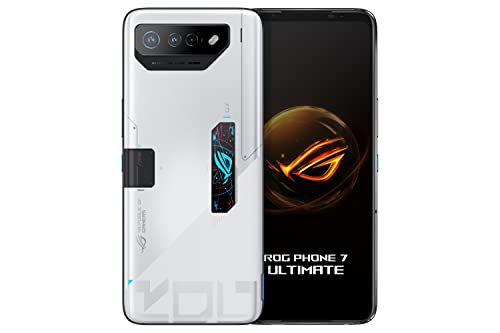
- ROG Phone series: High-end gaming smartphones with top-tier processors, advanced cooling systems, high refresh rate AMOLED displays, and large batteries. These models target gamers and power users who want maximum performance and long gaming sessions without overheating.
- Zenfone series: Flagship and upper mid-range smartphones focused on balanced performance, premium build quality, and advanced camera systems. They often include unique design features such as flip cameras or compact flagship models with powerful hardware.
- Zenfone Max series: Budget and mid-range devices with a focus on very large battery capacities. They trade high-end features for battery endurance and reliability in daily use, making them suitable for users who prioritize long battery life over premium specifications.
The best available Asus ROG series smartphones (with the highest overall score) are as follows:
- Asus ROG Phone 9 Pro (24GB + 1024GB) (Overall score: 8.39)
- Asus ROG Phone 8 Pro (16GB + 512GB) (Overall score: 8.29)
The best Asus Zenfone series smartphones currently available (with the highest overall score) are as follows:
- Asus Zenfone 12 Ultra (16GB + 512GB) (Overall score: 8.39)
- Asus Zenfone 11 Ultra (16GB + 512GB) (Overall score: 8.12)
How much do Asus smartphone costs?
Asus smartphone costs range from around £170 for entry-level models to over £1,275 for high-end devices. Prices vary by model, specifications, and release year, so newer flagship models cost more than older or mid-range ones.
The Zenfone series sits in the mid to high range, with recent models priced between £510 and £850 depending on storage and RAM. The ROG Phone series targets gaming performance and includes advanced cooling systems, high-refresh-rate displays, and powerful chipsets; these models usually cost between £765 and £1,275. Older generations often drop in price by several hundred euros once new models launch.
The average price of Asus smartphones is £790 €, placing them #35 among smartphone brands (from cheapest to most expensive), and their average quality-price ratio score of 7.3 puts them in position #28.
(Note: Only brands with at least 6 smartphones in our database, released after 2022, were included.)
What should you consider while choosing the best Asus smartphone?
When you choose the best Asus smartphone for your needs, you should consider the following key specifications and features.
- Processor: The processor determines your phone's speed and multitasking capabilities. Flagship models like the Zenfone 12 Ultra and ROG Phone 9 Pro feature the Snapdragon 8 Elite chipset, while compact models like the Zenfone 10 use the Snapdragon 8 Gen 2. Gaming-focused ROG series phones prioritize high-performance processors that handle intensive games without lag, with some models reaching 4.32 GHz speeds.
- RAM and storage: RAM affects multitasking smoothness and app switching speed. High-end models like the ROG Phone 9 Pro come with up to 24GB RAM and 16GB standard configurations, while budget options start at 8GB. Storage options range from 128GB to 512GB, with UFS 3.1 technology for faster data access in flagship models.
- Camera: Camera systems vary significantly across Asus phone lines. The Zenfone series features pro-grade dual cameras with main sensors around 50MP, while ROG phones typically have triple camera setups with 50MP main cameras plus ultrawide and macro lenses. Advanced stabilization features like 6-axis hybrid gimbal stabilizers in models like the Zenfone 9 help produce steady videos.
- Battery: Battery capacity directly impacts daily usage time. Gaming phones like the ROG series pack larger batteries, with the ROG Phone 9 Pro featuring 5800mAh capacity, while compact phones like the Zenfone 10 have 4300mAh batteries. Fast charging speeds range from 30W in compact models to 65W in gaming phones, with the ROG Phone 9 Pro charging from 0 to 100% in under an hour.
- Display: Screen quality affects visual experience and gaming performance. ROG phones feature high refresh rate displays up to 185Hz for smooth gaming, while standard Zenfone models offer 120Hz AMOLED displays. Screen sizes vary from compact 5.9-inch displays in the Zenfone series to larger 6.78-inch displays in gaming phones.
- Design: Asus offers two distinct approaches - compact flagship phones like the Zenfone series that fit comfortably in one hand, and larger gaming phones with more aggressive styling. The ROG series has adopted more mainstream designs recently while maintaining gaming functionality.