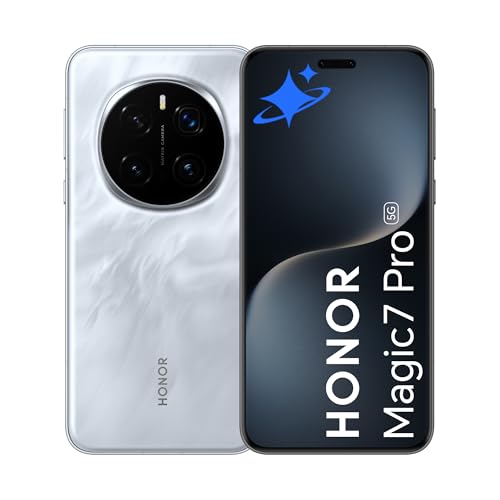
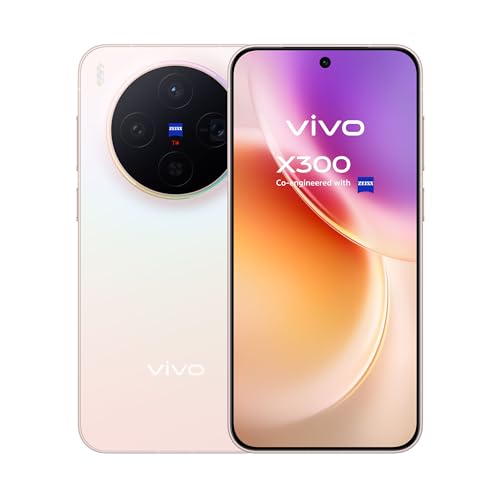
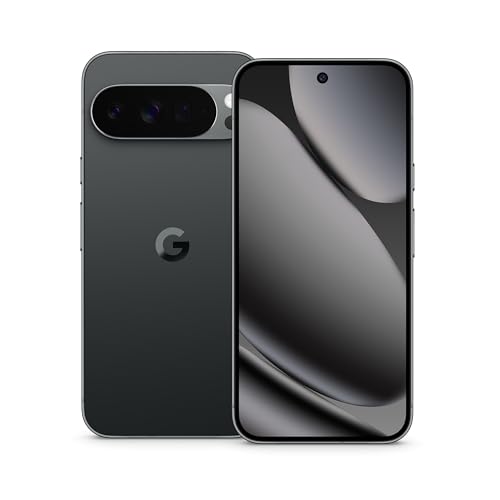
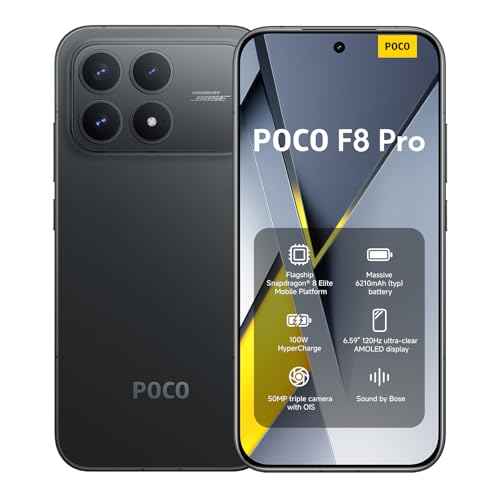
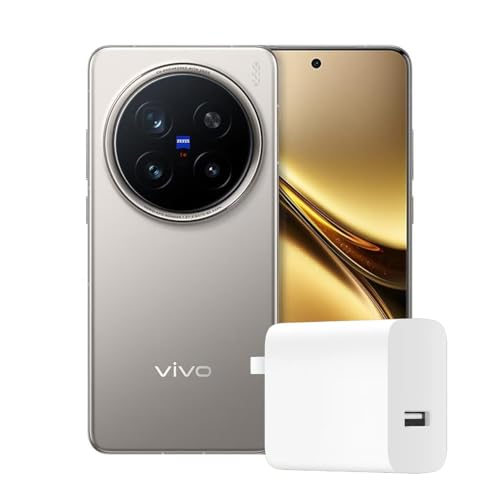
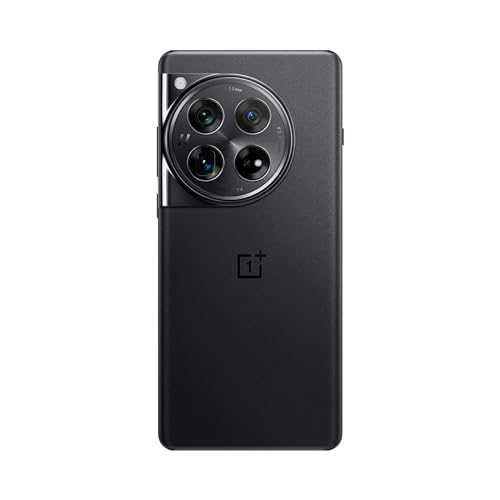
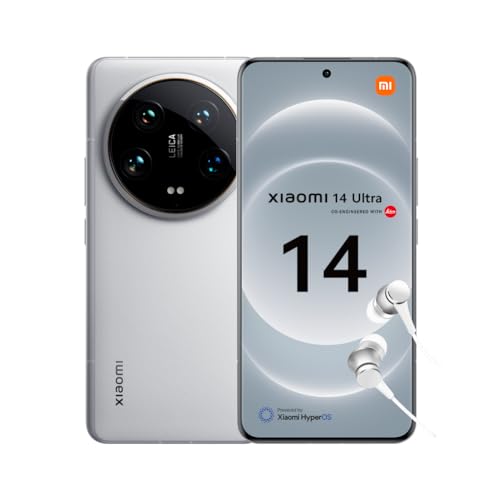
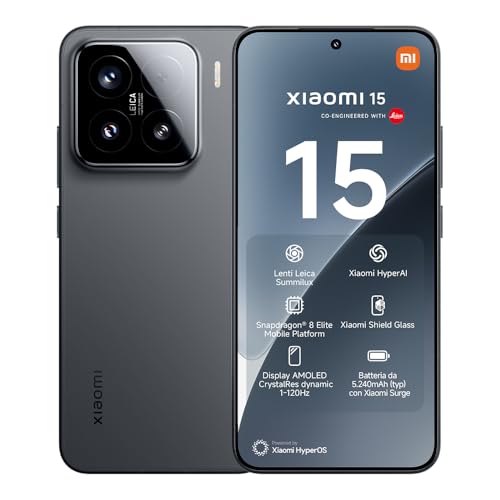
What are the best smartphone brands of 2026?
The best smartphone brands (with the highest overall score) are as follows:
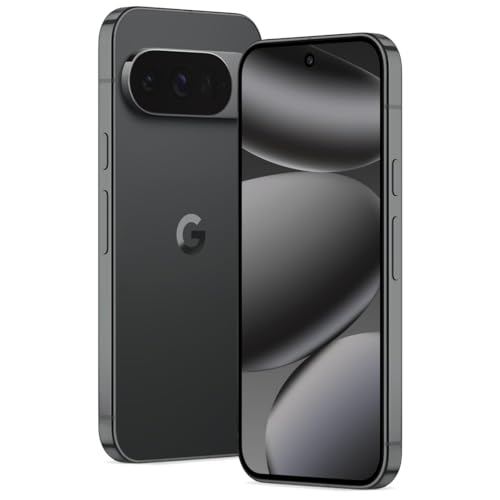
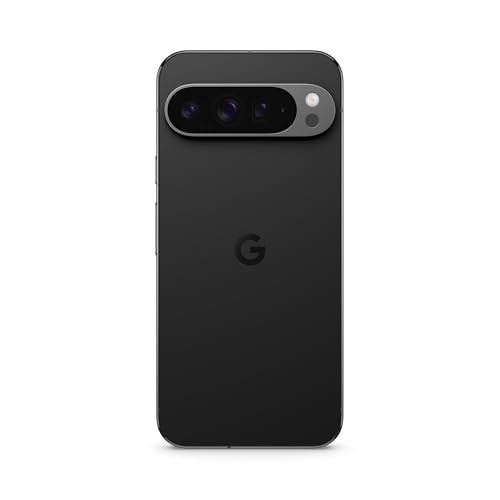
- Google (Average overall score: 8.5)
- Apple (Average overall score: 8.3)
- Huawei (Average overall score: 8.2)
[horizontal-chart-02848448710283601677013767209986647803742593471394]
Which smartphone brands have the highest user ratings?
The smartphone brands with the highest user ratings are as follows.
- Apple (Average user ratings: 9.4)
- Poco (Average user ratings: 9.2)
- Nothing (Average user ratings: 9.2)
[horizontal-chart-16367199941019255335040191571079255910862948068438]
Which smartphone brands offer the best value for money?
The following smartphone brands offer the best ratio quality-price:
- Poco (Average ratio quality-price score: 8.2)
- Meizu (Average ratio quality-price score: 8.2)
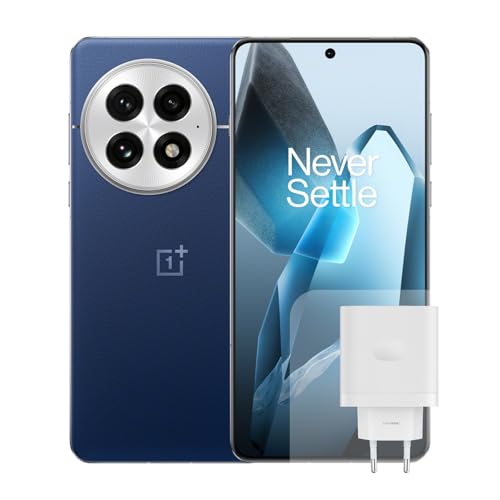
- OnePlus (Average ratio quality-price score: 8.1)
Note: Only brands with at least 6 smartphone models in our database, released since 2022, were considered.
[horizontal-chart-14622682675190328787163058002498871541711170990520]
How much do the best smartphones cost?
The best smartphones cost between £800 and £1,300. You usually pay over £1,100 if you want the highest specs across all categories—performance, screen, camera, battery, and design.
At 900–£850, you still get flagship-level performance (top-tier processors, 120 Hz OLED displays, strong cameras), but there may be some compromises. The most expensive models go past £1,200 because they add premium materials (like titanium or ceramic), extra storage (up to 1 TB), better cooling, and AI-driven photography features.
Foldable phones can go even higher—some cost £1,600 or more. If you care about long software support, advanced connectivity (Wi‑Fi 7, UWB, satellite), or the best camera hardware, expect to pay at the top end.

What CPU have the best smartphones nowadays?
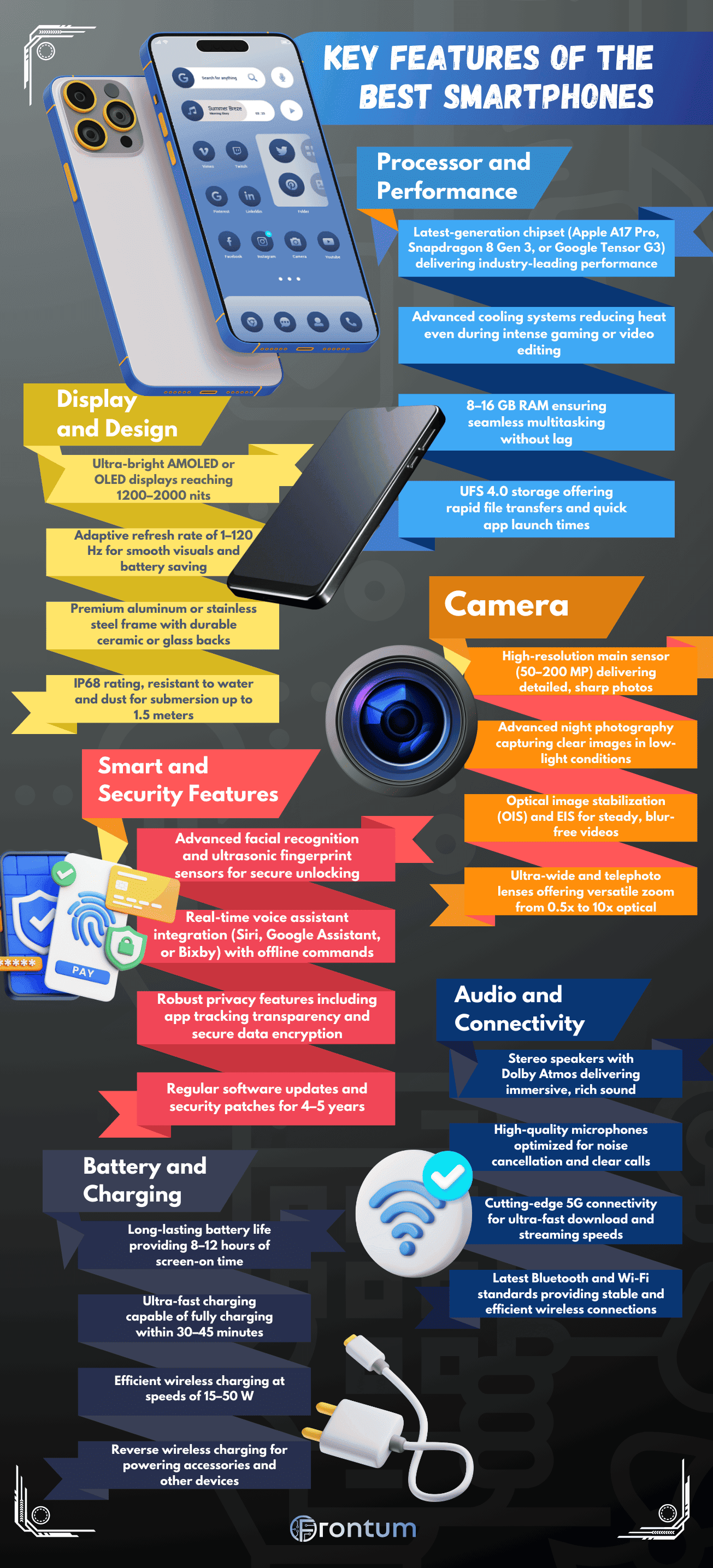
The best smartphone CPUs nowadays are Snapdragon 8 Elite, MediaTek Dimensity 9400, and Apple A18 Pro, with these three processors dominating the flagship market in 2025. You get the highest performance levels from these chips, which use advanced 3nm manufacturing processes that deliver superior speed while maintaining power efficiency.
Qualcomm's Snapdragon 8 Elite (also called Gen 4) stands as the top Android processor, running at up to 4.32 GHz with custom Oryon cores and the Adreno 830 GPU. This chip scores around 2.7 million points in AnTuTu benchmarks and powers flagship phones from Samsung, OnePlus, and Xiaomi.
MediaTek's Dimensity 9400 competes directly with Snapdragon, achieving nearly 30% performance gains over previous generations. You can find this chip in phones like the Vivo X200 Pro and OnePlus models, where it consistently scores above 2.8 million in AnTuTu tests.
Apple's A18 Pro leads in single-core performance with clock speeds up to 4.05 GHz and a 6-core design (2 performance + 4 efficiency cores). While AnTuTu scores appear lower at around 1.8 million points, this reflects iOS optimization differences rather than actual performance limitations.
Android or iOS: Which operating system is better?
Android gives you more flexibility, while iOS focuses on consistency and integration across Apple devices.
Android supports a wider variety of devices across many price ranges. You can use it with brands that add their own custom interfaces (like One UI from Samsung or MIUI from Xiaomi). This gives you more options, but sometimes software updates arrive slower. You can also sideload apps, change launchers, or add custom ROMs, so it works well if you want more control. Android phones usually use Google services, but you can replace them. High-end Android phones now match or beat iPhones in many specs (charging speed, display quality, camera flexibility).
In general, Android includes the following advantages:
- More choice of devices, screen sizes, and designs
- USB-C charging and faster wired charging in most models
- App cloning, split screen, and other multitasking tools
- Wider support for expandable storage or headphone jack
iOS runs only on Apple devices, so it has tighter integration with Apple’s ecosystem. Updates come immediately and reach all supported models at once (typically for around 5 years). iPhones run faster for longer because iOS works directly with Apple’s hardware. Apps in the App Store follow stricter rules, so you might get more stability or better privacy in some cases. iOS doesn’t support external app stores or deep customization, but it syncs well with iPads, Macs, AirPods, or Apple Watch.
iOS includes the following advantages:
- Fast updates across all devices for many years
- Smooth performance which stays stable over time
- Better resale value compared to Android phones
- Tight integration with Apple services like iMessage and AirDrop
If you already use Apple products, iOS works better. If you want more control or a wider range of phones, Android suits you more. Both systems support 5G, Wi-Fi 6 or 6E, and the latest Bluetooth versions. Security, screen quality, and camera performance depend more on the specific device than the system.
The best currently available Android smartphones are as follows:
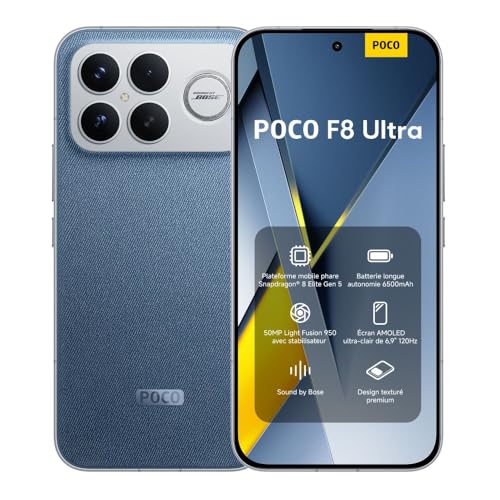
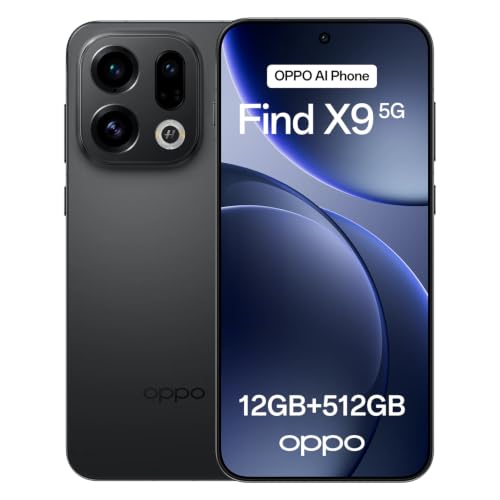
- Poco F8 Ultra (16GB + 512GB) (Overall score: 9.23)
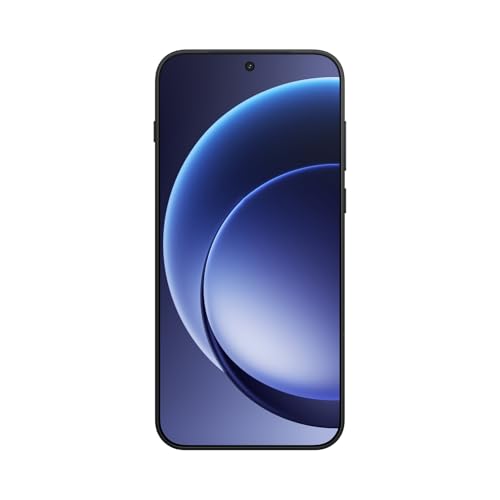
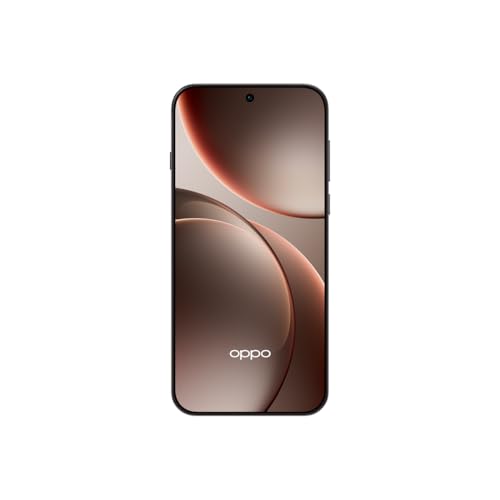
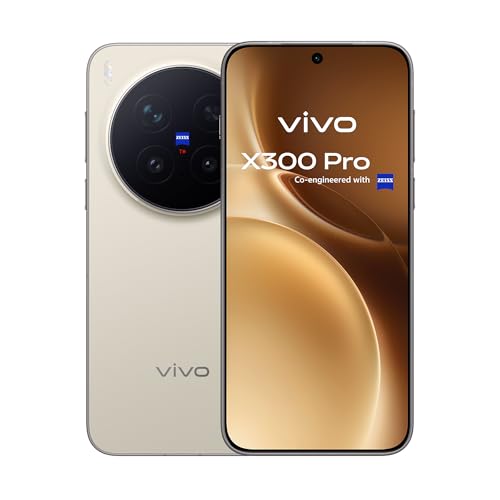
- vivo X300 Pro (16GB + 512GB) (Overall score: 9.17)
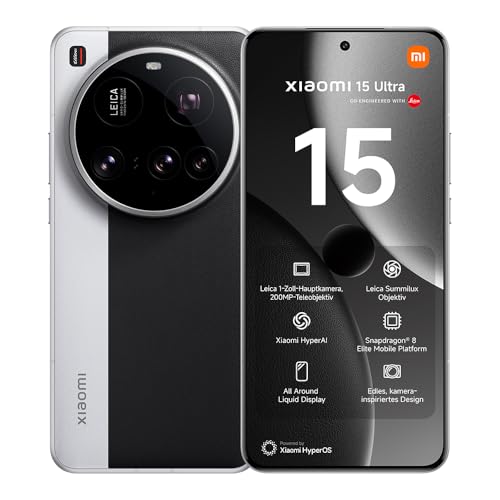
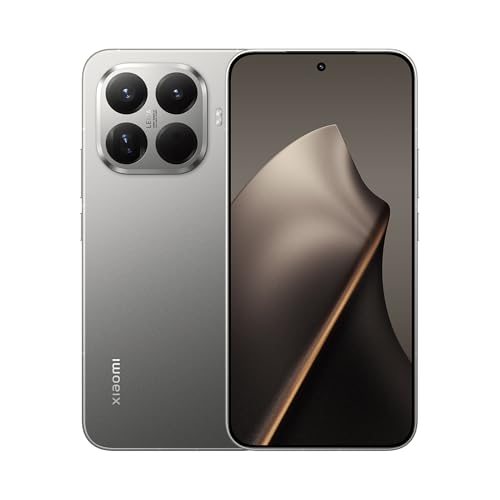
- Xiaomi 15 Ultra (16GB + 512GB) (Overall score: 9.12)
The best currently available iOS smartphones are as follows:
- Apple iPhone 17 Pro Max (12GB + 1TB) (Overall score: 8.77)
- Apple iPhone 17 Pro (12GB + 1TB) (Overall score: 8.64)
[pie-chart-06894472804856413271092661820387361160813845677710]
How much RAM and storage do the best smartphones have?
The best smartphones have between 12 GB and 16 GB of RAM and storage capacity of 256 GB, 512 GB, or even 1 TB. You can also find models with 8 GB of RAM (in lower price ranges) or 24 GB (in special gaming models), but most top models stay between 12 and 16 GB.
For storage, 256 GB is now common, but if you use your phone for video, games, or work files, 512 GB or 1 TB will fit better. Phones with 128 GB still exist but rarely appear in high-end models. You won't usually find support for memory cards, so what you buy is what you get.
Many devices use UFS 4.0 storage, which loads apps and files faster than older types. Some models use LPDDR5X RAM, which handles tasks more efficiently than older RAM versions.
[vertical-chart-04858887087808928003032235784584823031073035673470]
What is the battery capacity of the best smartphones?
The best smartphones today come with battery capacities that range from 4,000 to 6,000 mAh, which gives you solid all-day performance for most usage patterns. You will find that flagship devices typically pack between 4,500 to 5,000 mAh batteries, while some specialized models push beyond 5,500 mAh for extended usage scenarios.
Your smartphone's battery life depends not just on capacity but also on how efficiently the processor and display work together. Modern phones use advanced battery management systems and fast charging technologies that can restore 50-80% of your battery in just 30 minutes, so you spend less time tethered to power outlets.
[vertical-chart-09624390637258089268072640071559957952892608993901]
What charging technologies do the best smartphones support?
The best smartphones support a wide range of charging technologies. These help you charge faster, charge wirelessly, or protect your battery during power delivery. The most common charging technologies are as follows:
- USB Power Delivery (USB-PD): Universal fast charging standard which supports up to 240 W (most smartphones use 18 W to 100 W). You can use the same charger across many devices, like tablets or laptops.
- Qualcomm Quick Charge: Popular in Android phones which use Snapdragon chips. Versions 3.0 to 5.0 support speeds from 18 W up to 100 W.
- PPS (Programmable Power Supply): Advanced USB-PD feature which adjusts voltage and current in real time. It improves charging efficiency and reduces heat.
- VOOC / SuperVOOC / Super Flash Charge: Proprietary tech from Chinese brands (like Oppo or Realme) which delivers very high speeds, up to 240 W. It keeps the phone cooler by moving power management to the charger.
- Warp Charge / Dash Charge: Charging tech from OnePlus which delivers up to 65 W. It uses high current and low voltage.
- Xiaomi HyperCharge: Tech which supports 120 W wired charging and up to 80 W wireless charging on some phones.
- MagSafe: Apple’s magnetic wireless charging system. It aligns the charger to the iPhone’s coil and supports speeds up to 15 W.
- Qi Wireless Charging: Common standard which works across brands. Most phones use it at 5 W to 15 W. New Qi2 standard supports magnetic alignment and faster speeds.
- Reverse Wireless Charging: Feature which lets your phone charge other devices (like earbuds or a smartwatch) using its back panel. Speeds are low, usually 4.5 W to 10 W.
You may see different names or branding across manufacturers, but most use a mix of these core technologies under the hood.
How good are the cameras on the best smartphones?
The cameras on the best smartphones capture high-quality photos and videos in almost any condition. You get large sensors (up to 1 inch), high megapixel counts (from 48 MP to 200 MP), and lenses with wide apertures like f/1.6 or f/1.8. These help capture more light and detail, especially at night or in shadows.
Phones use multiple cameras—wide, ultra-wide, telephoto, and sometimes macro—so you can shoot landscapes, portraits, zoomed-in subjects, and close-up textures with sharp results. AI-based scene recognition adjusts settings automatically, and HDR boosts dynamic range by balancing highlights and shadows in complex lighting.
For video, top phones record in 4K or 8K, with frame rates like 24, 30, or 60 fps. Optical and electronic stabilization keep footage steady, and features like HDR video and Dolby Vision improve contrast and color. You can switch between lenses while recording or use Cinematic mode which tracks subjects and adds background blur.
In both photo and video, RAW and Pro modes give manual control over ISO, shutter speed, and white balance. You also get in-camera editing tools and fast image processing, so you can shoot, adjust, and share without using a computer. Front cameras now match rear cameras with high resolution, autofocus, and smart enhancements for sharp selfies in any light.
What kind of screen do the best smartphones have?
The best smartphones have high-end screens that reach peak brightness, refresh rates, and pixel density levels far above average. You get sharper detail, smoother motion, and better visibility outdoors. Most top models use OLED or AMOLED displays, which boost contrast and improve battery use since each pixel lights up individually.
Top models include the following advanced screen technologies:
- OLED or AMOLED: Self-lit pixels with deep blacks and high contrast.
- LTPO technology: Adjusts refresh rate between 1 Hz and 120 Hz to save power.
- High peak brightness (up to 2,600 nits): Better visibility in direct sunlight.
- HDR10+ or Dolby Vision: Wider color range and better contrast in videos.
- QHD+ or higher resolution: More pixels for sharper image and text.
- PWM dimming above 1,000 Hz: Reduces eye strain during low brightness use.
[pie-chart-04617716654499570586132601652439433918480395303591]
What security features do the best smartphones have?
The best smartphones have strong security features which protect your data, identity, and access. These include the following:
- Fingerprint sensor: You unlock your phone quickly by touching a sensor. It usually sits under the display or on the side button.
- Face recognition: The camera scans your face to unlock the device. Some systems use 3D sensors, others rely on the front camera only.
- Encrypted storage: Your files stay safe because the phone encrypts all stored data using hardware-level security.
- Secure boot: The phone checks every part of the system during startup. If it detects changes (i.e. from malware), it blocks the system from loading.
- Security chip: A separate chip stores sensitive data (i.e. passwords, biometric info). It adds another layer of protection against physical attacks.
- App sandboxing: Each app runs in its own secure space, so one app can’t read data from another without permission.
- Automatic security updates: Some phones receive monthly patches which fix system-level bugs and known threats.
- Anti-theft tools: You can lock, track, or erase your phone remotely if someone steals it or you lose it.
- SIM lock and IMEI blocking: These features stop others from using your phone or swapping the SIM after theft.
You may not use all of these daily, but they work in the background to protect your device and your data.
What connectivity do the best smartphones support?
The best smartphones support a wide range of connectivity options. You can expect to find the most advanced and complete connectivity features, as follows:
- 5G: Delivers ultra-fast mobile internet speeds and low latency.
- Wi-Fi 6 or Wi-Fi 6E: Increases wireless speed and stability, especially in crowded areas.
- Bluetooth 5.3 or higher: Improves audio quality, range, and energy efficiency.
- NFC: Lets you use contactless payments or pair accessories quickly.
- Ultra Wideband (UWB): Enables precise device tracking and fast file sharing.
- USB-C with USB 3.2 or Thunderbolt: Boosts data transfer speed and charging rate.
- Dual SIM (physical or eSIM): Lets you use two numbers or plans on one phone.
- GPS, GLONASS, Galileo, BeiDou: Provides accurate global positioning and navigation.
- Wi-Fi Direct and Hotspot: Allows direct device-to-device connection or internet sharing.
- Screen casting (Miracast, Chromecast, AirPlay): Streams your screen or content to external displays.
How good is the audio on the best smartphones?
The audio on the best smartphones is clear, loud, and well balanced. You get strong stereo speakers (often tuned by audio brands), high-resolution Bluetooth codecs like LDAC or aptX Adaptive, and spatial audio support. These phones produce rich sound for videos, games, and music, even without external speakers.
Some models include dedicated audio chips or enhanced DACs, so you hear more detail with wired headphones. Others use AI to adjust sound based on what you listen to or where you are.
You also get multiple microphones with noise reduction, which helps during calls or when recording voice and video. If you care about sound quality, today’s top phones give you the tools to enjoy it.
How durable are the best smartphones?
The best smartphones are highly durable. You get devices with IP68 water and dust resistance (which means they can survive submersion up to 1.5 meters for 30 minutes), toughened glass like Gorilla Glass Victus 2 on the front and back, and strong aluminum or titanium frames which protect the structure in case of drops. Some phones also pass military-grade drop tests (MIL-STD-810H), so they handle heat, humidity, shock, and altitude changes better than average models.
Durability also depends on how you use your phone. If you carry it in your pocket without a case, drop resistance matters more. If you often use it outdoors, water and dust resistance help. Flagship phones usually combine these elements, so you don’t need to worry much about rain, scratches, or minor drops. That said, no phone is fully drop-proof—you should still use a good case and screen protector.