Which brands make the best portable vacuum cleaners?
The best portable vacuum cleaner brands by average overall score are as follows:
- URAQT (Average overall score: 7.8)
- Brigii (Average overall score: 7.5)
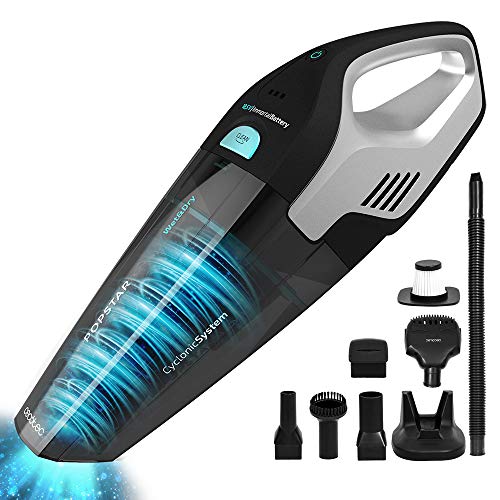
- Cecotec (Average overall score: 7.4)
The chart below compares the best portable vacuum cleaner brands by average overall score.
[horizontal-chart-16835835057538659423094908061222112127591971504161]
Are cordless portable vacuums better than corded models?
Cordless portable vacuums are usually better for quick, mobile cleaning, while corded models are better when uninterrupted operation and consistent maximum power matter most. The right choice depends on how long you clean and how far you move from a socket.
A cordless handheld starts immediately and reaches cars, stairs and furniture without cable management. Its headline runtime is normally measured in a lower-power mode, so boost use, cold batteries and motorized tools can reduce the useful session sharply.
A corded model avoids charging delays and maintains output during a long job. Check the cable length: about 4–6 m is practical for a driveway or workshop, but a 12 V car plug limits use to locations near a vehicle socket.
For frequent spot cleaning, cordless convenience usually wins. Choose corded when the vacuum must run repeatedly at full power or when storing and maintaining a battery would add more inconvenience than the cable.
How long do cordless portable vacuum cleaners run?
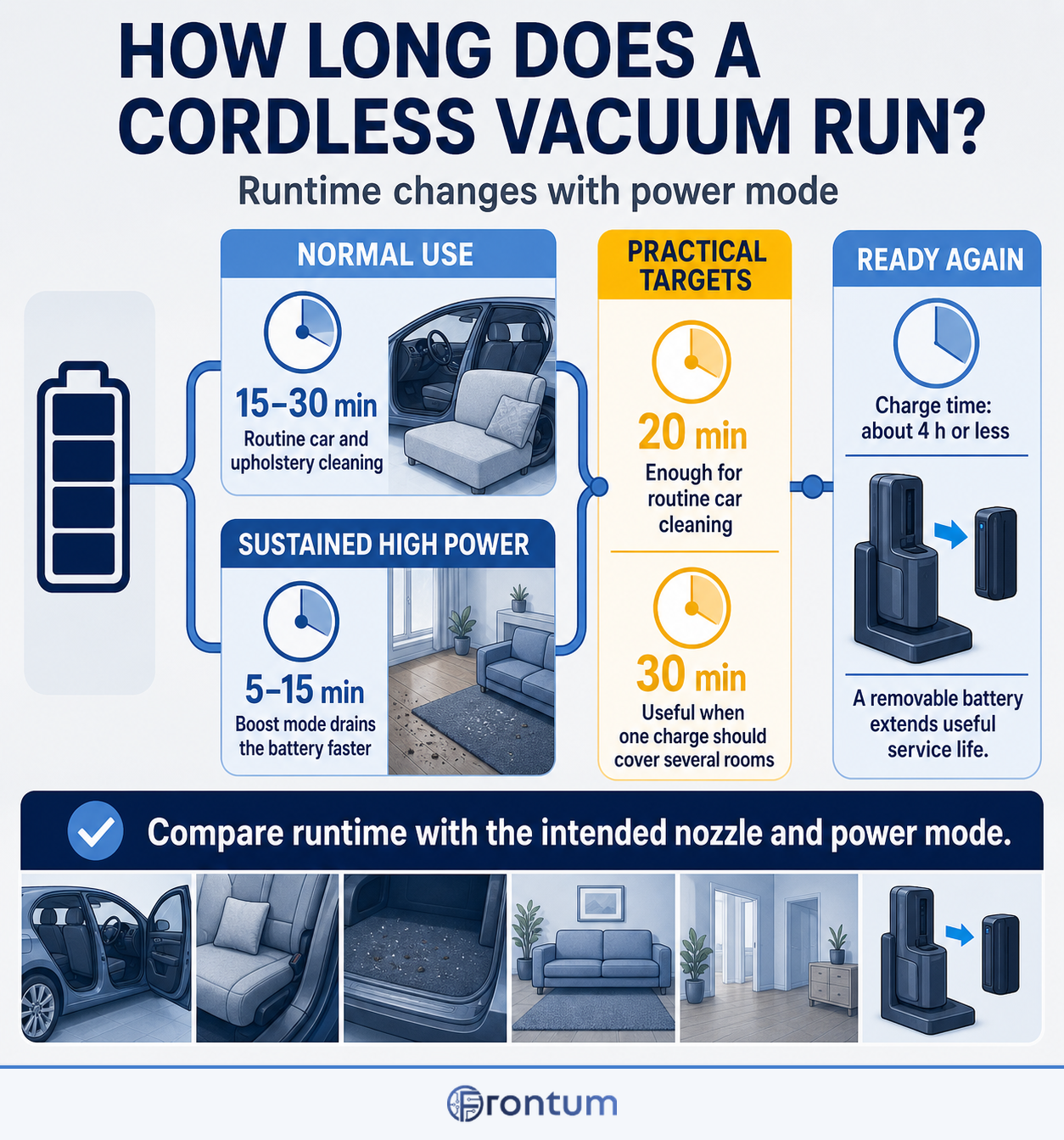
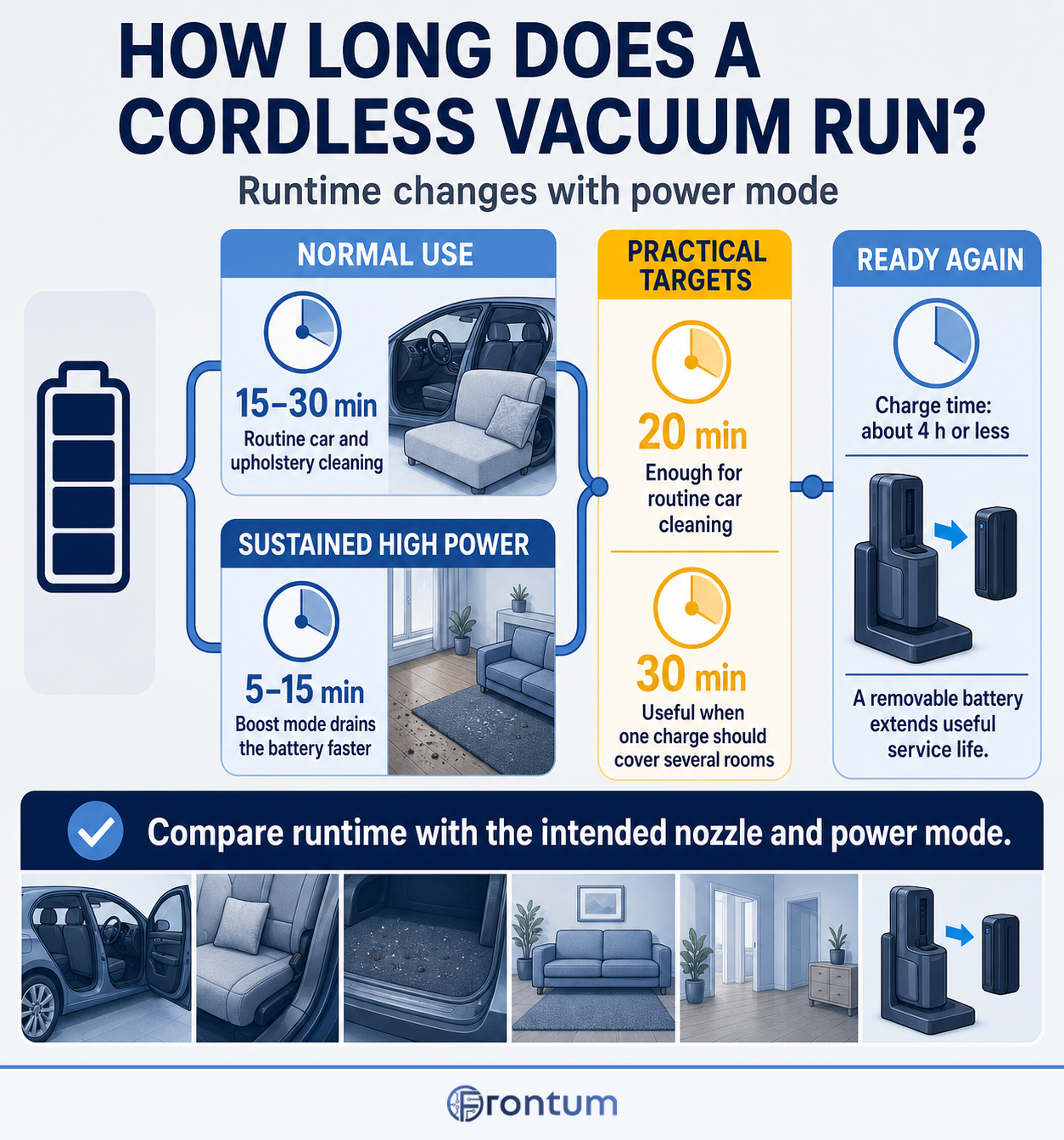
Cordless portable vacuum cleaners typically run for about 15–30 minutes in normal use, while sustained high-power operation can reduce that to roughly 5–15 minutes. A practical target is at least 20 minutes for routine car and upholstery cleaning, or 30 minutes when one charge must cover several rooms.
Compare figures with the intended nozzle and power mode, because manufacturers often state the maximum with a passive tool at the lowest setting. A removable battery extends useful service life, and a charge time near four hours or less makes the machine easier to keep ready between jobs.
What suction pressure do the best portable vacuum cleaners have?
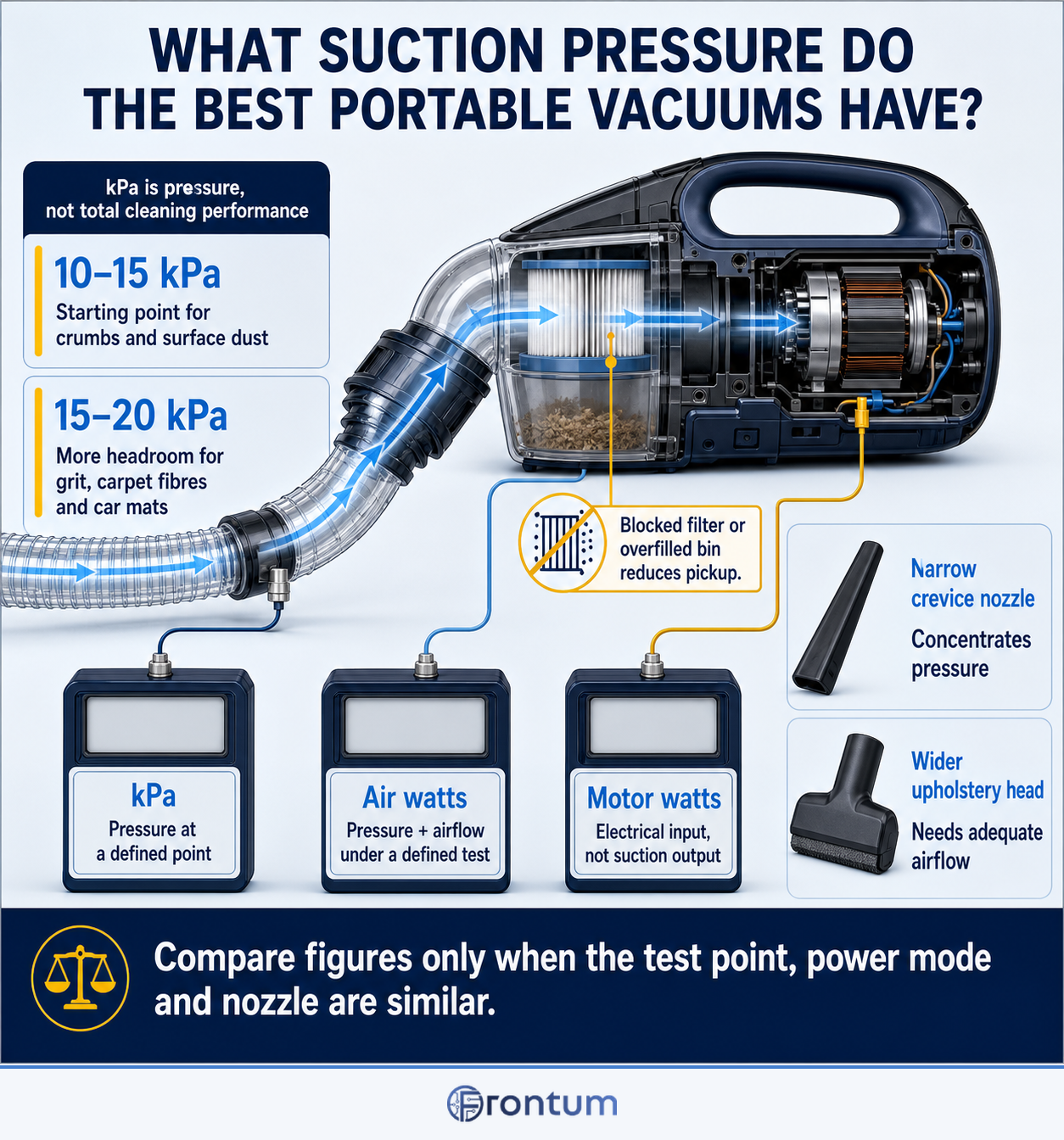
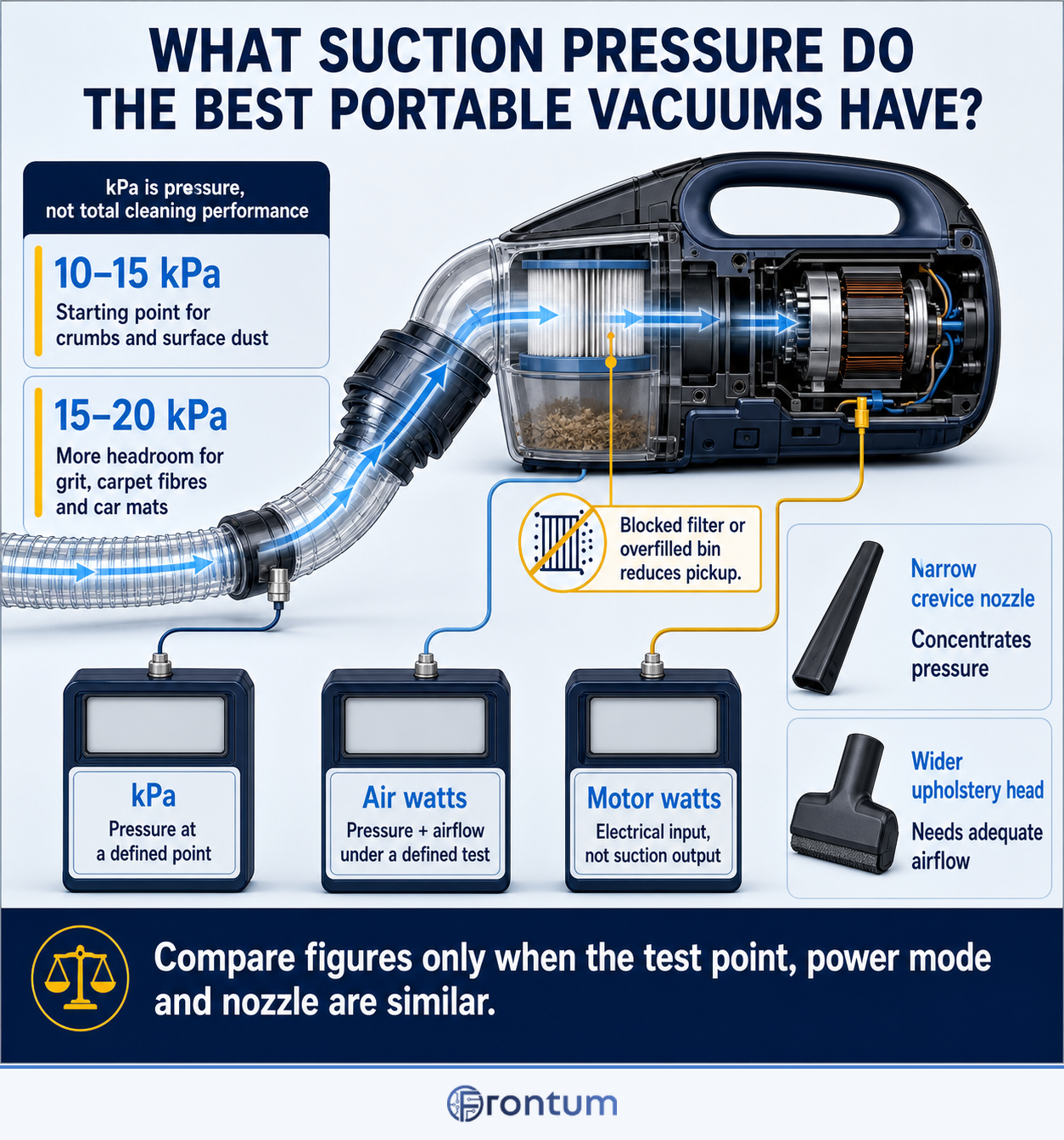
A good portable vacuum cleaner should provide about 10–15 kPa for routine crumbs and surface dust, while 15–20 kPa offers more headroom for grit, carpet fibres and car mats. These bands are starting points only because nozzle shape, airflow and test method strongly affect pickup.
Kilopascals measure pressure, not total cleaning performance. Air watts combine pressure and airflow under a defined test, whereas rated motor watts describe electrical input; the three figures are not interchangeable.
Look for sustained pickup through the tool you will actually use. A narrow crevice nozzle can concentrate pressure, but a wider upholstery head needs adequate airflow, and either one performs poorly when the filter is blocked or the bin is overfilled.
The chart below shows the suction-pressure distribution of portable vacuum cleaners.
[vertical-chart-17043621029575486850123033890858522226161609476863]
What dust capacity should a portable vacuum cleaner have?
A portable vacuum cleaner should have about 0.2–0.5 L of dust capacity for most spot-cleaning jobs. Around 0.1 L is enough for a desk or a short car clean but fills quickly with hair and grit, while a bin above 0.5 L reduces interruptions at the cost of extra bulk.
Usable capacity matters more than the largest stated number. Cyclonic bins should be emptied at the fill line to preserve airflow, and a transparent container with one-click release makes it easier to see when cleaning is needed without handling compacted debris.
What makes a portable vacuum cleaner easy to use?
The following features make a portable vacuum cleaner easier to use:
- Balanced weight: Aim for about 1 kg or less for one-handed cleaning. A heavier machine can still feel manageable when the handle, battery and bin keep the centre of gravity close to the hand.
- Simple bin emptying: A one-touch release and transparent container reduce contact with dust. Check that the filter does not fall out when the bin opens.
- Reach and controls: The power and mode buttons should be accessible without changing grip, while a long crevice tool should reach between seats and along skirting boards.
- Convenient charging: A stable dock, USB-C connection or clearly located charging port makes regular top-ups easier. A battery indicator is more useful than a single warning light.
- Accessible maintenance: The bin, pre-filter and airway should separate without tools. Washable parts need clear drying instructions, and replacement filters should be readily available.
Which filters are best for portable vacuum cleaners?
The best filters for portable vacuum cleaners are the following:
- Sealed HEPA-grade exhaust filter: This is the strongest option for fine dust and allergy-sensitive users when the body prevents air from bypassing the filter. A HEPA label alone does not prove whole-machine sealing.
- Washable pre-filter: A reusable pre-filter protects the motor and reduces consumable cost. It must dry completely before refitting, otherwise airflow can fall and moisture may reach the motor.
- Multi-stage cyclone and filter system: A cyclone or mesh stage removes larger debris before air reaches the fine filter. This slows clogging but does not eliminate regular cleaning.
- Replaceable fine filter: Even a washable filter eventually loses performance or becomes damaged. Confirm the exact replacement code, price and local availability before buying an obscure model.
Which attachments are useful on portable vacuum cleaners?
The most useful portable-vacuum attachments are as follows:
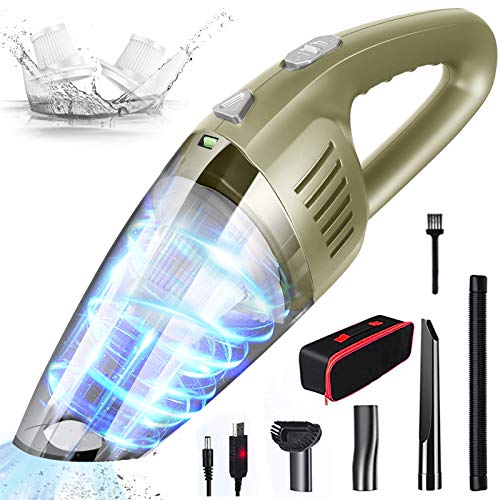
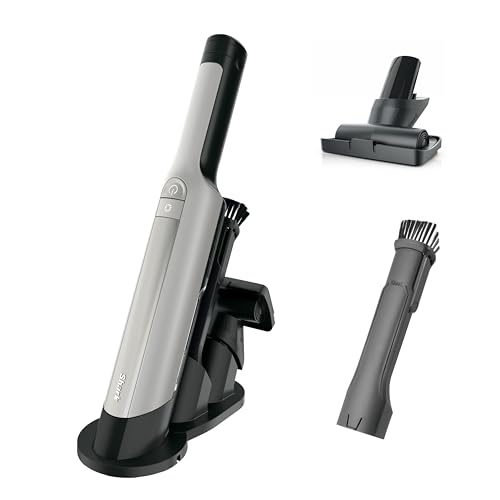
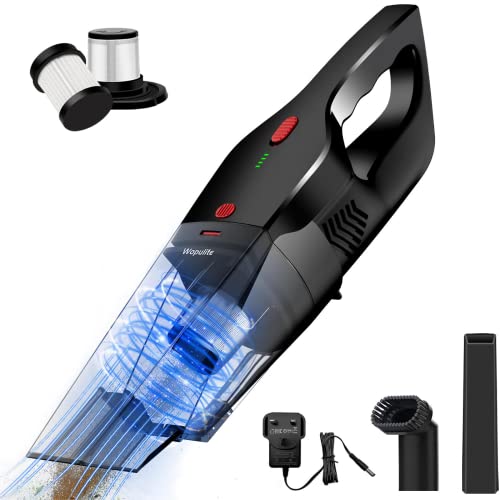
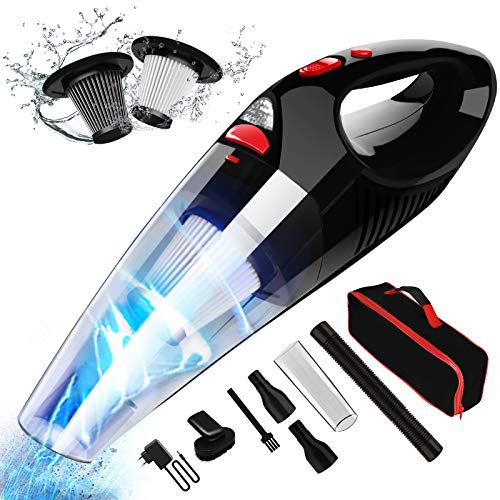
- Crevice tool: A long, narrow nozzle reaches seat rails, sofa gaps and room edges. A rigid tool transfers force better, while a flexible version is useful around curved ducts and awkward car trim.
- Upholstery tool: A wider opening controls airflow across fabric and collects crumbs without repeatedly tracing the same area. Soft lint strips help with hair but should not scratch delicate material.
- Soft dusting brush: Fine bristles loosen dust from dashboards, keyboards, vents and shelves. The bristles should be soft enough for glossy surfaces and easy to remove for washing.
- Mini motorized brush: A powered roller is worthwhile for embedded hair on stairs, pet beds and car seats. It improves agitation but increases weight, noise and battery demand.
- Extension hose or tube: Extra reach lets the vacuum body stay in a comfortable position while the nozzle enters deep footwells or high shelves. Check that the connection remains airtight and does not collapse under suction.
How much do the best portable vacuum cleaners cost?
The best portable vacuum cleaners generally cost about £30-£170, with many capable everyday models between roughly £30 and £90. Entry-level machines can handle crumbs and light dust, but their batteries, seals, filters and accessory support deserve close attention.
From about £50 to £100, stronger suction, better emptying systems and more complete tool sets become easier to find. Above roughly £100, expect a genuinely useful improvement such as a mini motorized brush, replaceable battery, sealed filtration or notably stronger sustained pickup rather than only a higher peak claim.
The chart below shows the price distribution of portable vacuum cleaners.
[vertical-chart-10077634214053197810024181269002024211350466231655]