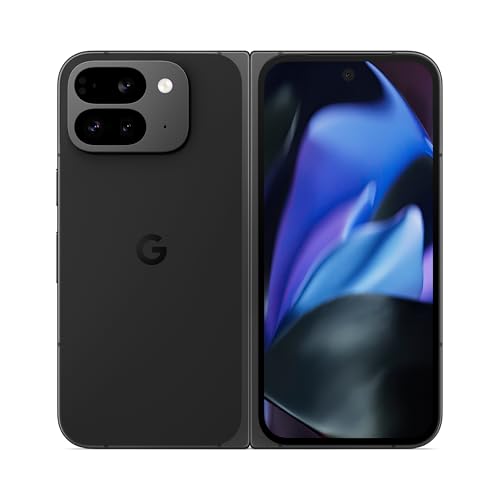
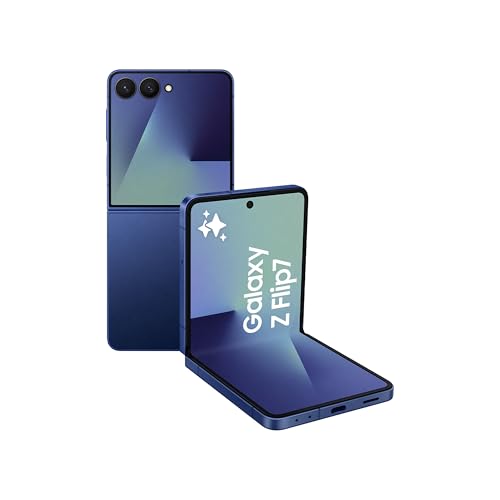
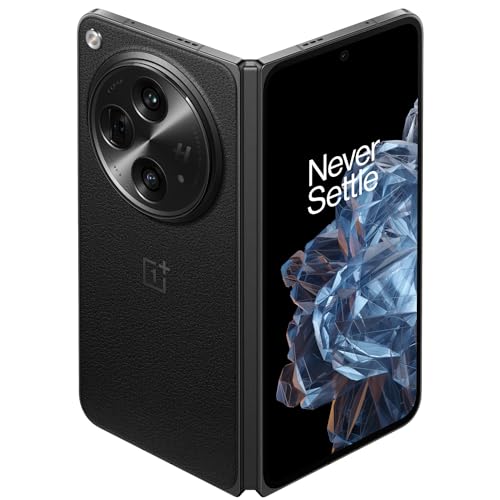
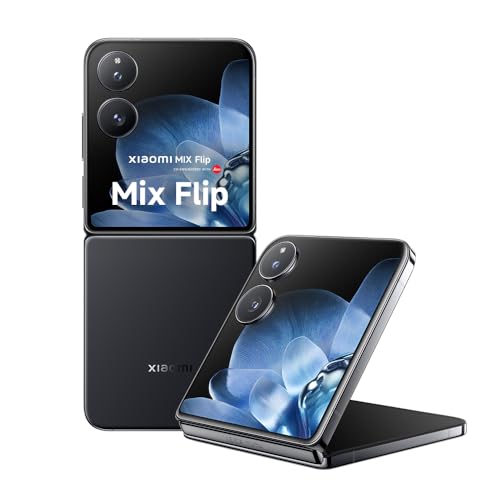
Which brands make the best foldable smartphones?
The best foldable smartphone brands (with the highest average overall score) are as follows:
- vivo (Average overall score: 8.5)
- Google (Average overall score: 8.4)
- Xiaomi (Average overall score: 8.3)
Note: Only brands with at least 3 smartphone models in our database, released since 2022, were considered.
The chart below ranks brands producing foldable smartphones based on their overall scores.
[horizontal-chart-00566326826085528495081249938349457023612784545992]
Are foldable Smartphones worth buying?
Foldable smartphones are worth buying if you want a device that combines a large screen with portability and can justify the higher price and durability trade-offs. They give you a tablet-like display that folds into a pocket-sized phone, so you can multitask more easily and enjoy media on a bigger screen without carrying a separate device. You also get unique designs and new form factors that stand out from traditional smartphones.
The downside is that foldable models usually cost more than regular flagships, with prices often starting above £850. They can also be thicker and heavier when folded, and the folding mechanism with flexible displays can be more prone to wear over time compared to rigid glass screens. Battery life may be shorter because of the larger display area, and repair costs can be higher if the hinge or screen needs replacement.
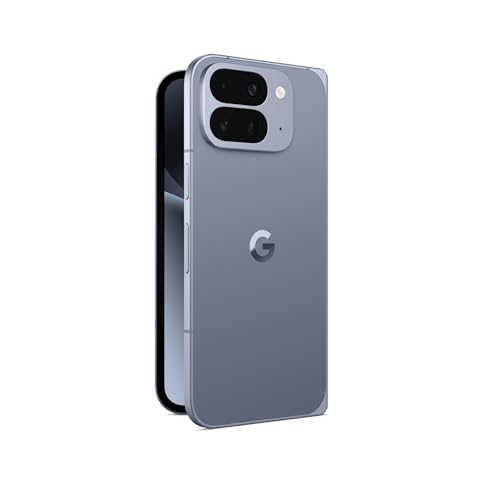
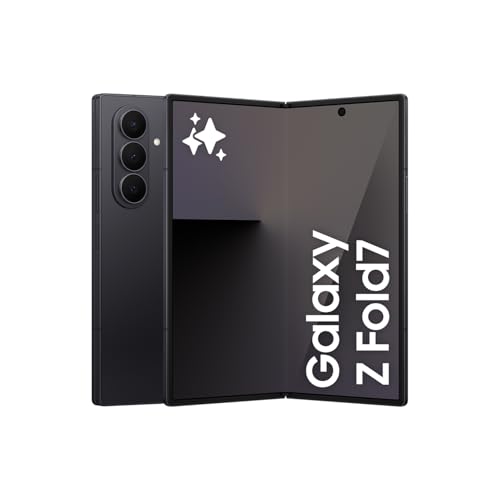
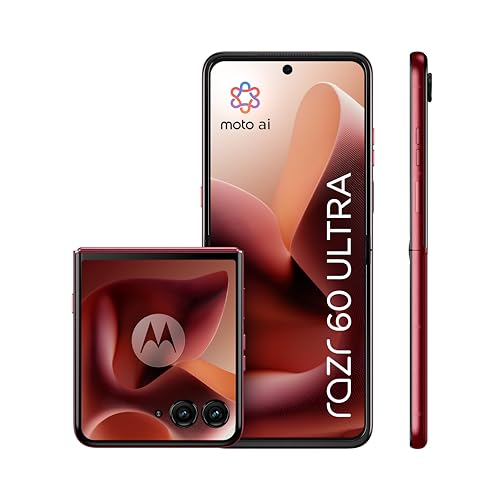
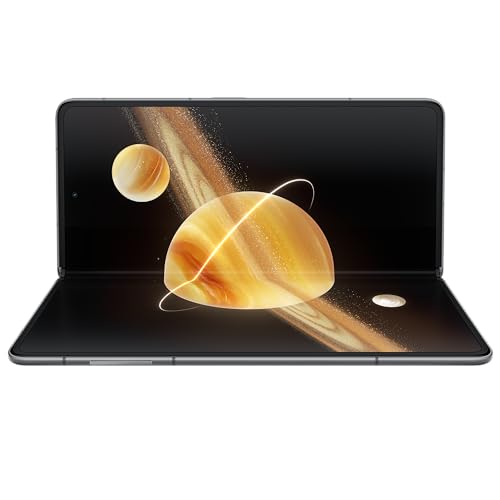
The best available foldable smartphones (with the highest overall score) are as follows:
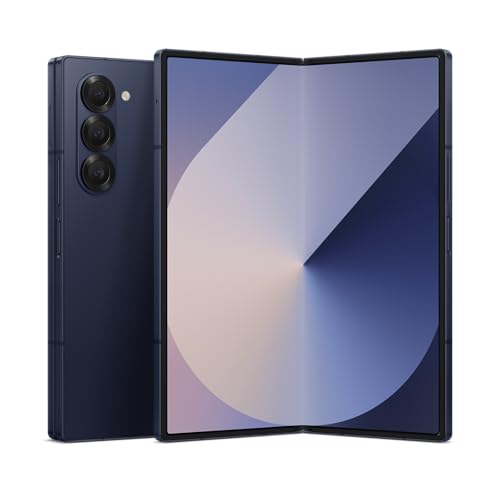
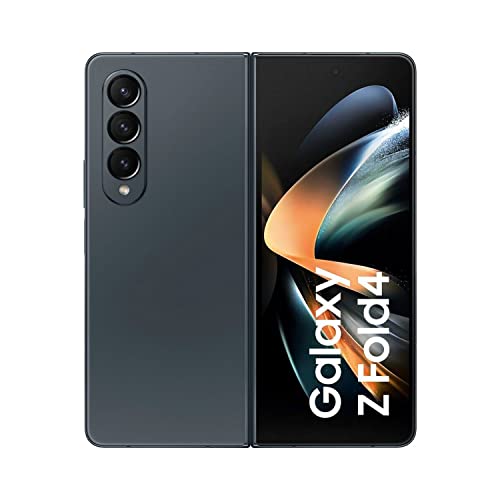
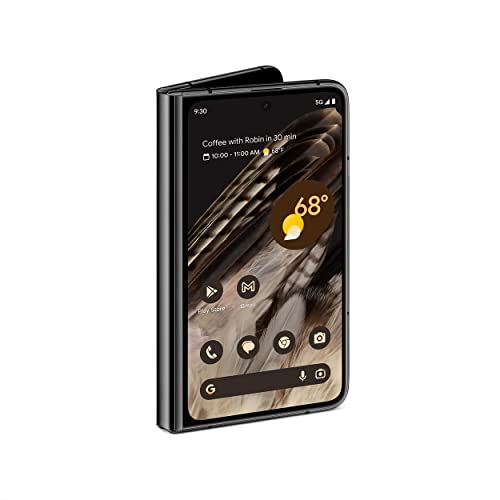
- Google Pixel 10 Pro Fold (16GB + 512GB) (Overall score: Samsung Galaxy Z Fold 7 (16GB + 1TB) points)
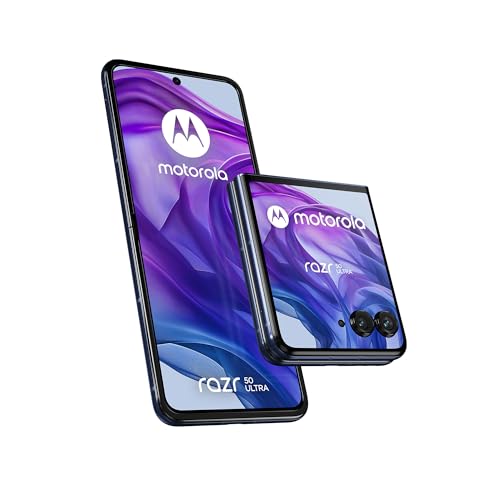
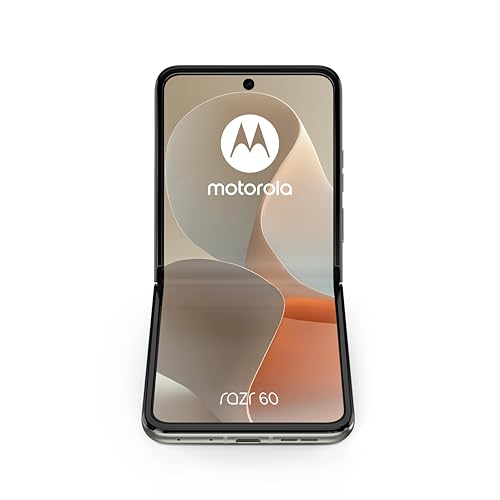
- Motorola Razr 60 Ultra (16GB + 512GB) (Overall score: 8.57 points)
- 8.49 (Overall score: 8.41 points)
What features make foldable smartphones special?
Foldable smartphones are special because they combine unique hardware and software features that you rarely find in regular phones. The main features are as follows:
- Flexible display: The screen folds in half or opens up to a larger size without losing image quality.
- Multi-mode design: You can use it folded for compact size or unfolded for a tablet-like view.
- App continuity: Apps adjust instantly between folded and unfolded modes.
- Multi-window multitasking: You can run and interact with two or more apps on the same screen.
- High-strength hinge: The hinge withstands thousands of folds while keeping smooth movement.
- Outer cover display: A second display on the outside lets you use the phone without unfolding it.
- Optimized cameras: Cameras adapt to both folded and unfolded positions for flexible shooting angles.
What processor do foldable smartphones have?
Foldable smartphones use top-tier processors. You’ll usually find Qualcomm Snapdragon chips in most of them, especially the Snapdragon 8 Gen 2 or 8 Gen 3. These chips handle demanding tasks like multitasking, gaming, and advanced photography. Samsung's foldables, like the Galaxy Z Fold and Z Flip series, often use custom Snapdragon versions (Snapdragon 8 Gen 2 for Galaxy). Other brands like Huawei use their Kirin chips (e.g. Kirin 9000 in older models), while newer Honor foldables may use Snapdragon 8 Gen 3 or Dimensity 9200+.
RAM capacity distribution among foldable smartphones is displayed in the following chart.
[vertical-chart-12641764157200298552166802549178741724700857628775]
How much RAM and storage do the best foldable smartphones have?
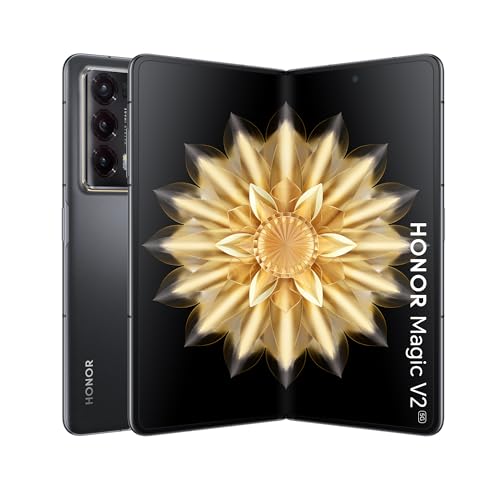
The best foldable smartphones come with up to 16 GB of RAM and 1 TB of storage. You get top-tier memory and storage in devices like the Samsung Galaxy Z Fold5, OnePlus Open, and Honor Magic V2. These models use LPDDR5X RAM and UFS 4.0 storage (except on lower variants or older foldables).
Samsung Galaxy Z Fold5 gives you 12 GB RAM in every variant, with 256 GB, 512 GB, or 1 TB storage. OnePlus Open also has 16 GB RAM and 512 GB storage. Honor Magic V2 matches this with up to 16 GB RAM and 1 TB storage. You also find similar specs on newer foldables from Xiaomi and Vivo. You won’t get microSD support in most of these, so internal storage matters.
Which operating system do the foldable smartphones use?
Foldable smartphones run the same operating system as most regular smartphones: Android. Android adapts to different screen sizes and modes (folded or unfolded), so it supports the foldable format well. Brands like Samsung, Google, Huawei, and Xiaomi install customized Android versions on their foldables. Samsung uses One UI (built on Android), and Google uses Pixel UI.
The following chart shows how battery capacity varies across foldable smartphone models.
[vertical-chart-09019110996205667136111316043946968666320457018453]
What screen sizes and types do foldable smartphones have?
Foldable smartphones have two main screen sizes and types. You get a smaller external display (cover screen) and a larger internal display (main screen) that folds open. Sizes vary, but most cover screens range from 5.5 to 6.5 inches and look like regular smartphone displays. The main screens expand to around 7.6 to 8 inches in most models, so they give you a tablet-like experience when opened.
Screen types usually include AMOLED or OLED panels with high refresh rates (often 120 Hz), so visuals stay sharp and smooth. Some foldables have ultra-thin glass (UTG) layered over the flexible display for better durability. Others use plastic OLED panels. Manufacturers adjust the display design based on the fold type—horizontal folds (like book-style) use larger inner screens, while vertical folds (like flip phones) focus more on compactness and use smaller main screens (around 6.7 inches unfolded).
The chart below highlights the types of displays used in foldable smartphones.
[pie-chart-15597243983369907358002451712711621730992640178373]
How good are the cameras on the foldable smartphones?
The cameras on foldable smartphones perform well, but they don’t match the best cameras on traditional flagship phones. You get good image quality, fast autofocus, and decent low-light shots, but most foldables still fall behind phones like the Galaxy S24 Ultra or iPhone 16 Pro Max in detail, dynamic range, and zoom performance.
Foldables like the Galaxy Z Fold5 and Google Pixel Fold use strong camera hardware, but manufacturers prioritize thinness and battery life, so they use smaller sensors or avoid high-end periscope lenses. The Galaxy Z Fold5 has a 50 MP main camera, 12 MP ultrawide, and 10 MP 3x zoom lens (the same setup as the Galaxy S23), which captures solid photos in most lighting.
What battery capacity do the best foldable smartphones have?
The best foldable smartphones have battery capacities between 3700 mAh and 5000 mAh. Most book-style foldables like the Samsung Galaxy Z Fold6 or Honor Magic V2 reach around 4800 mAh or more, while clamshell models like the Galaxy Z Flip6 or Motorola Razr 50 Ultra stay around 4000 mAh.
You usually get more battery in foldables with a larger unfolded display, but also more power consumption. For example, a 5000 mAh battery in the OnePlus Open supports two screens and a strong chipset, so endurance still depends on usage. Flip-style models tend to last shorter, since they use smaller batteries and focus more on compact design.
The available foldable smartphones with the highest battery capacity are as follows:
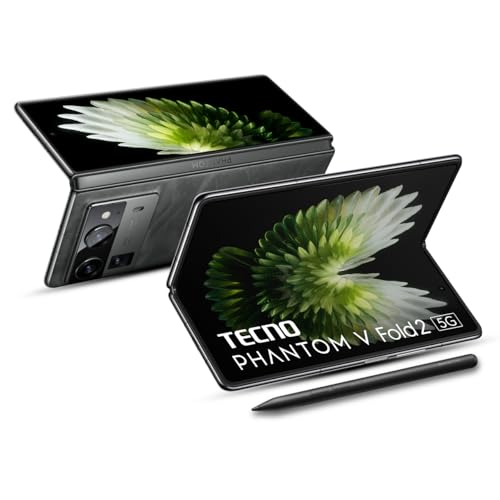
- Tecno Phantom V Fold 2 (12GB + 512GB) (Battery capacity: 5750 mAh)
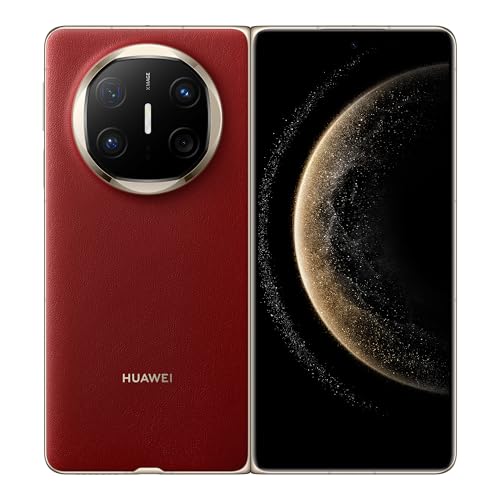
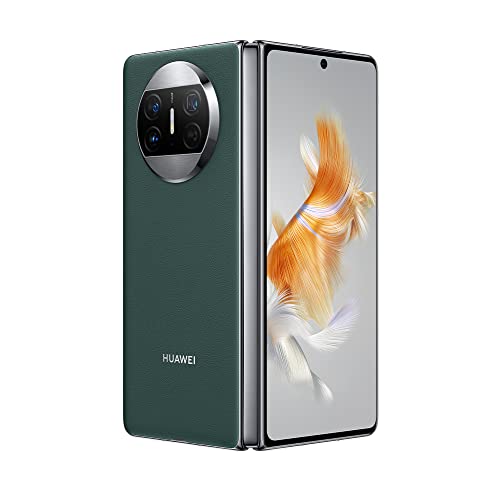
- Huawei Mate X6 (12GB + 512GB) (Battery capacity: 5200 mAh)
- HONOR Magic V3 5G (16GB + 512GB) (Battery capacity: 5150 mAh)
What connectivity do the best foldable smartphones support?
The best foldable smartphones support a wide range of connectivity features. You can expect the following:
- 5G: Fast mobile data across sub-6GHz and mmWave bands.
- Wi-Fi 6 or Wi-Fi 6E: High-speed wireless internet with low latency. Some latest models support Wi-Fi 7.
- Bluetooth 5.2 or 5.3: Stable and power-efficient wireless connection for audio, wearables, and accessories.
- NFC: Quick and secure mobile payments and contactless communication.
- Ultra-Wideband (UWB): Precise spatial awareness for features like file sharing and digital car keys (available in select premium models).
- USB-C (usually USB 3.1 or higher): Fast data transfer and charging through a reversible port.
- eSIM + nano SIM support: Dual SIM functionality for better flexibility and network access.
- GPS, GLONASS, Galileo, BeiDou, QZSS: Accurate global navigation and location tracking.
- Wi-Fi Direct, DLNA, Miracast: Device-to-device file sharing and screen mirroring without router access.
Top-tier foldables support almost every modern connectivity standard. You get fast internet, smooth wireless sync, accurate location, and flexible SIM options in one device.