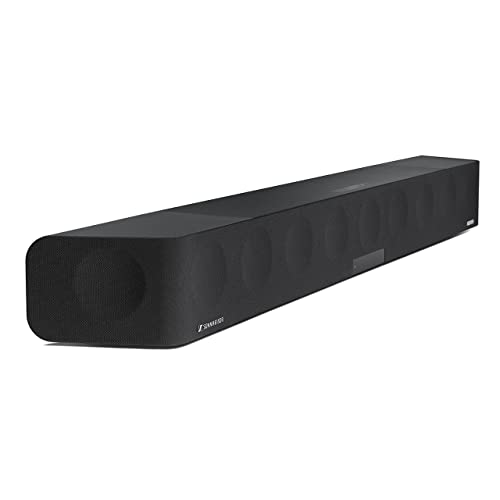
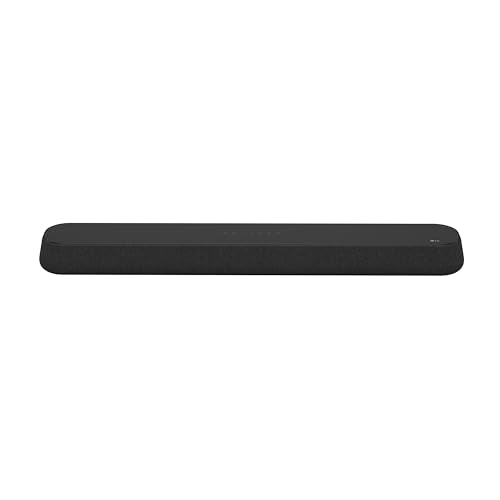
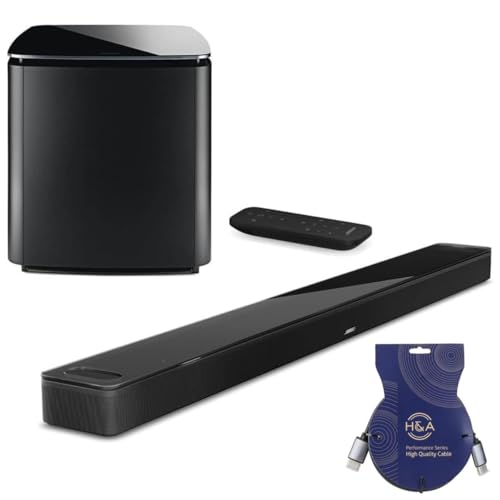
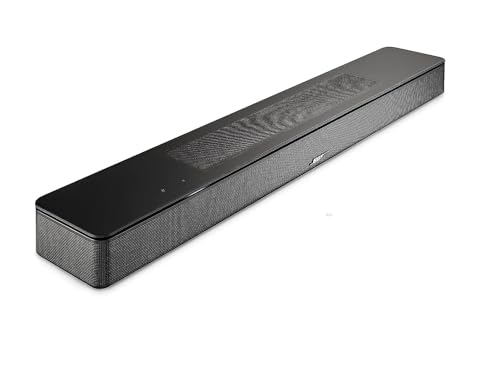
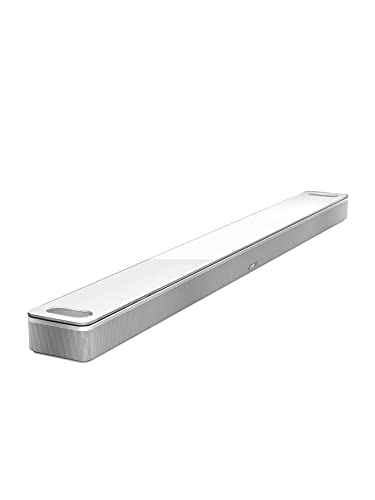
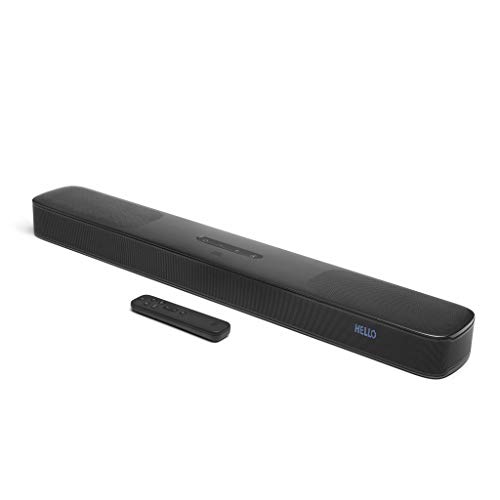
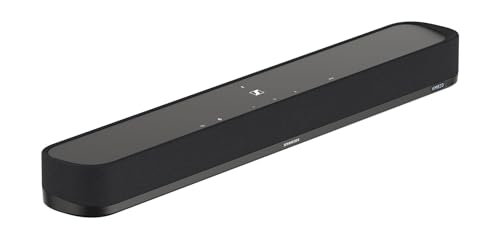
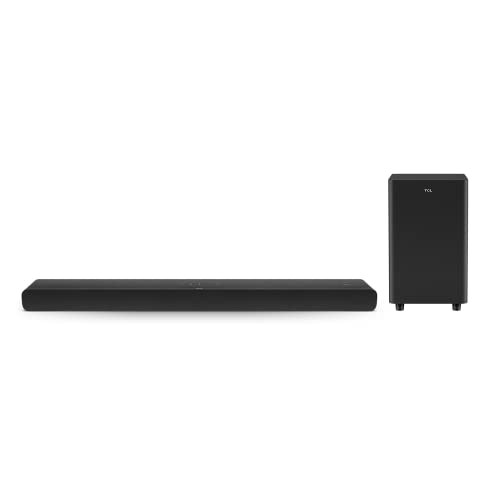
Which brands make the best soundbars?
The best soundbar brands are as follows:
- Sennheiser (Average overall score: 8.1)
- Sony (Average overall score: 7.7)
- LG (Average overall score: 7.3)
The following chart ranks soundbar brands by average overall score.
[horizontal-chart-04592904924512229361057660775741675581583712410342]
Which soundbars have the highest user ratings?
The soundbar brands with the highest user ratings are as follows:
- Roku (Average users rating: 9.2)
- Bose (Average users rating: 9.2)
- Sonos (Average users rating: 9)
Soundbar brands are ranked by average user rating in the following chart.
[horizontal-chart-04907125798992182502102724098863679993152443896320]
Which soundbars offer the best value for money?
The soundbar brands with the best value for money are as follows:
- Roku (Average quality-price ratio: 7.7)
- Samsung (Average quality-price ratio: 7.6)
- Sony (Average quality-price ratio: 7.6)
The chart below compares soundbar brands by average quality-price ratio.
[horizontal-chart-11256632049609964380082127715691235895950374263106]
How much do the best soundbars cost?
The best soundbars usually cost about 100-150 EUR for basic 2.0 or 2.1 models, around 200-500 EUR for stronger mid-range options, and 700 EUR or more for premium Dolby Atmos systems. That means most buyers get the best value in the middle of the market, where you can already find solid dialogue performance, HDMI ARC or eARC, and better overall tuning than entry-level bars.
If your goal is simply clearer TV dialogue and fuller everyday sound, you do not need to shop at the top end. Mid-range soundbars often cover the practical sweet spot because they improve voices, add more bass authority, and keep setup simple without charging flagship prices.
Premium soundbars cost more mainly because they add more channels, stronger processing, better surround or Atmos performance, and broader wireless ecosystems. Those upgrades are most worthwhile in larger rooms or if movies and gaming matter more to you than basic TV listening.
What channels do the best soundbars support?
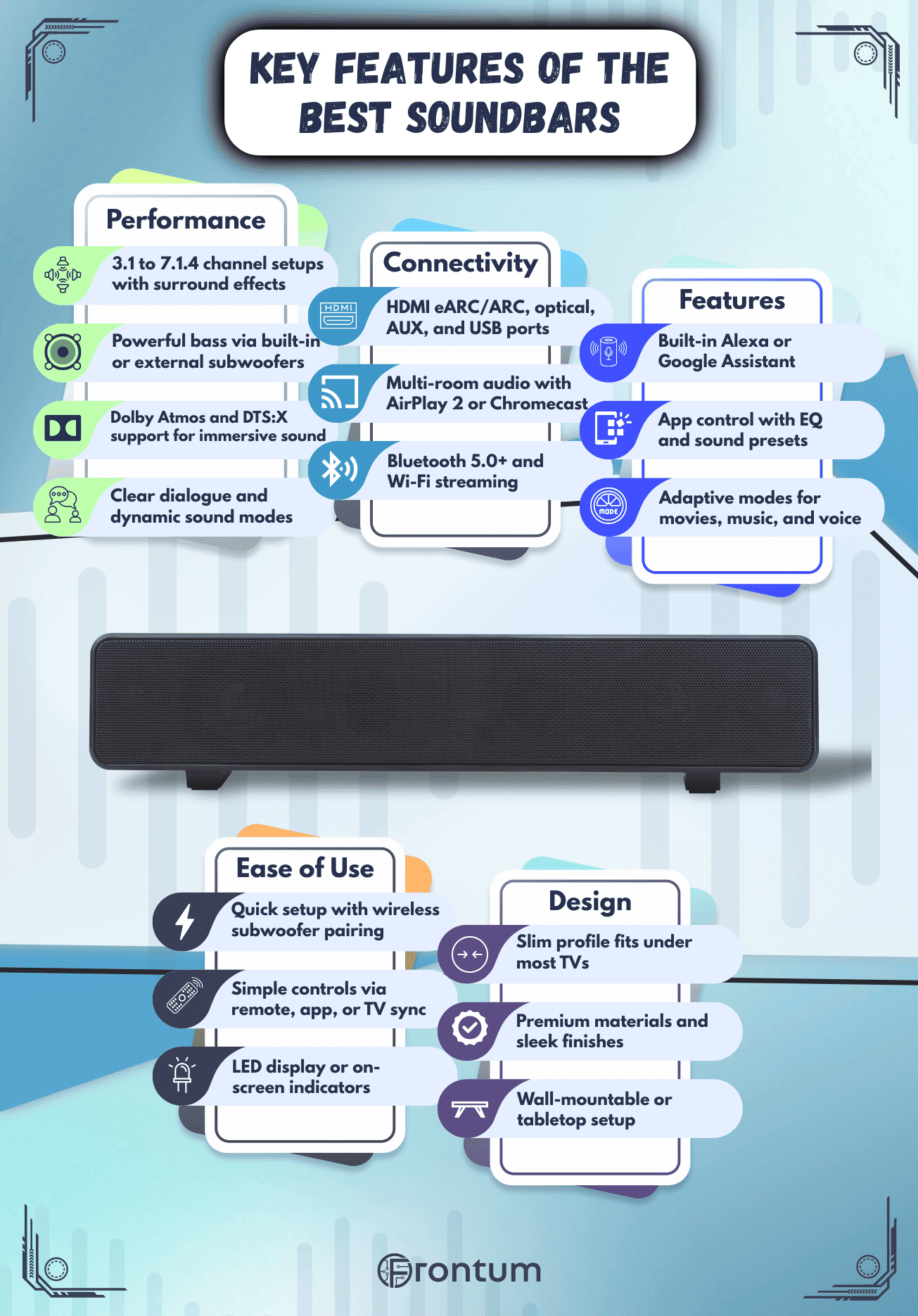
The best soundbars usually support 3.0, 3.1, 5.1, and higher layouts such as 5.1.2 or 7.1.4, depending on how immersive they are meant to be. For most people, 3.1 is the key step up because the center channel improves dialogue clarity much more than a basic 2.0 or 2.1 bar.
Moving to 5.1 or higher makes more sense if you watch a lot of movies and want stronger surround effects, especially when rear speakers or a subwoofer are part of the system. Atmos-style layouts such as 5.1.2 or 7.1.4 matter most when the bar has the hardware and tuning to use those extra channels well.
More channels do not automatically mean a better result. Room size, speaker placement, processing quality, and whether the system includes a real subwoofer or rears usually matter more than the raw channel number alone.
The following chart shows how channel configurations are distributed across soundbars.
[pie-chart-16616090873058986380011256205517040002823898862385]
Do you need Dolby Atmos on a soundbar?
You do not need Dolby Atmos on every soundbar, but it can make a real difference if you watch a lot of movies or play cinematic games. Atmos helps create a taller, more spacious sound field, especially on bars that have upward-firing drivers or work with extra surround speakers.
The upgrade matters most in medium and larger rooms, with newer TVs that support HDMI eARC, and with streaming services or discs that actually deliver Atmos soundtracks. In a small room or a simpler TV setup, a well-tuned 3.1 or 5.1 bar can still be the smarter buy if dialogue clarity and easy setup matter more than maximum immersion.
In practice, Dolby Atmos is worth paying for when you want a more theatre-like presentation and you are willing to optimize placement. If you mostly watch regular TV, news, or casual streaming, it is often better to prioritize dialogue quality, HDMI ARC type, and overall tuning before Atmos support.
Do you need a soundbar with subwoofer?
A subwoofer is worth it if you want deeper bass for movies, gaming, and modern music. It takes the low frequencies away from the main bar, which often lets dialogue and mid-range effects sound cleaner at the same time.
That said, not every room needs a separate subwoofer. In smaller living rooms or apartments, a well-tuned all-in-one bar can be easier to place and less likely to overwhelm the room or annoy neighbors. Many compact bars are designed around voice clarity first, so they work better for TV shows and everyday watching than you might expect.
If cinematic impact matters, a separate wireless subwoofer usually gives the biggest jump in perceived scale. If your priorities are simplicity, cleaner furniture layout, and controlled bass, an all-in-one soundbar can still be the better long-term choice.
What connections matter most on the best soundbars?
The most important soundbar connections are as follows.
- HDMI ARC / eARC: The most important connection for TV use. It lets your TV send sound back to the soundbar through one cable and usually enables volume control from the TV remote.
- Optical input: Still useful on older TVs, but it is more limited than HDMI ARC and does not handle the same advanced formats.
- HDMI inputs / pass-through: Helpful if you want to route a console or streaming box through the soundbar.
- Bluetooth: Good for quick music playback from a phone, but it is not the best option for TV lip-sync or highest-quality movie audio.
- Wi-Fi: Useful for multi-room audio, app control, AirPlay, Chromecast, Spotify Connect, or firmware updates depending on the brand.
- Subwoofer / rear-speaker pairing: Important if you want to expand the system later with extra speakers.
If you mainly watch TV, prioritize HDMI ARC type first. If you also stream music or want a cleaner ecosystem, Wi-Fi features and app support can matter just as much as raw sound power.
What soundbar size fits your TV and room?
The right soundbar size is usually one that sits close to your TV width without sticking out too far and still fits the room you want to fill. In practice, bars around 50-70 cm usually suit 32-inch to 43-inch TVs, bars around 80-100 cm usually fit 50-inch to 65-inch TVs best, and wider models above 100 cm make the most sense under 65-inch to 75-inch TVs.
Compact soundbars are easier to place and can still work well if your priority is clearer dialogue in a smaller room. Mid-size bars are often the safest fit for many living rooms because they balance placement flexibility with a bigger front soundstage.
Wider premium bars make the most sense when you have enough cabinet space, a larger TV, and seating distance that can benefit from stronger left-right separation. If the room is small, a shorter bar can still be the better choice even if the TV itself is larger.
The chart below illustrates how soundbar width is distributed across the models.
[vertical-chart-01834806106304939036031486942586999071992907802525]
What trade-offs should you check before buying a soundbar?
The main trade-offs to check before buying a soundbar are bass depth, system size, Dolby Atmos realism, feature complexity, and physical fit under your TV. Those factors affect day-to-day satisfaction more than spec-sheet bragging rights.
- Slim design vs bass depth: Thin bars fit neatly under TVs, but they rarely match the low-end weight of larger bars or systems with a subwoofer.
- All-in-one simplicity vs system scale: A single bar is easier to place, while separate subwoofers and rear speakers usually sound bigger and more immersive.
- Dolby Atmos support vs room reality: Atmos can help, but it works best in the right room and with the right source devices.
- Feature set vs setup complexity: Wi-Fi, app control, voice assistants, and extra HDMI features are useful, but they can also make the system more complex than a basic TV-audio upgrade needs to be.
- Width vs furniture fit: Wider bars often sound larger, but they need enough space and should still look balanced under the TV.
The best soundbar is not always the one with the longest feature list. It is the one that matches your room, your TV, and the kind of listening you do most often.