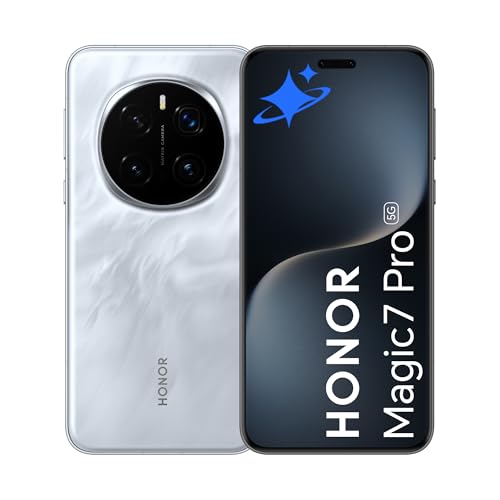
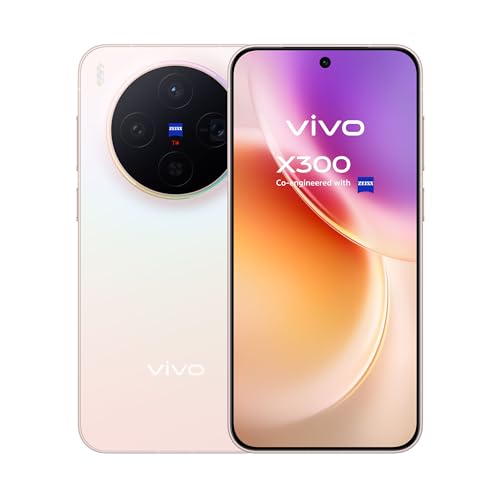
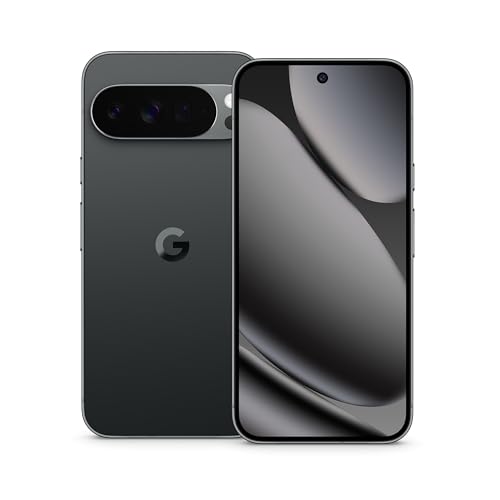
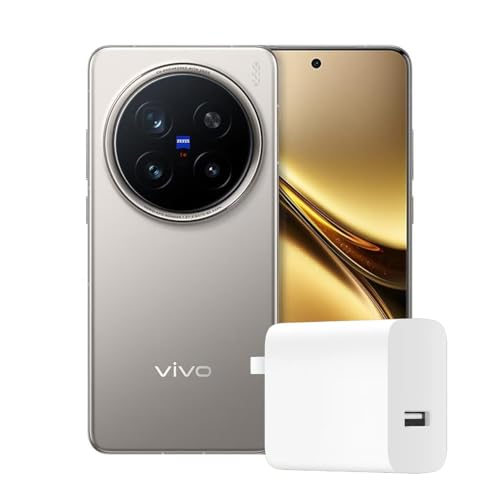
What is an Android smartphone?
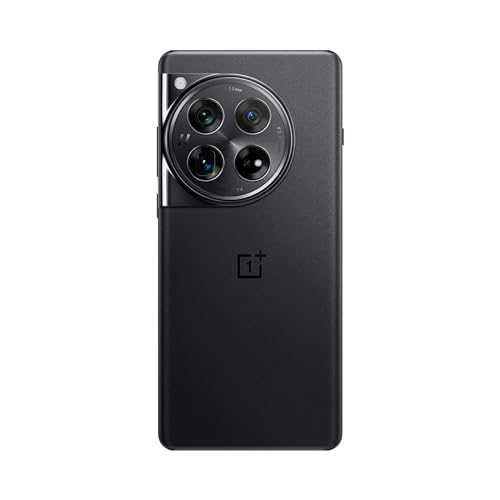
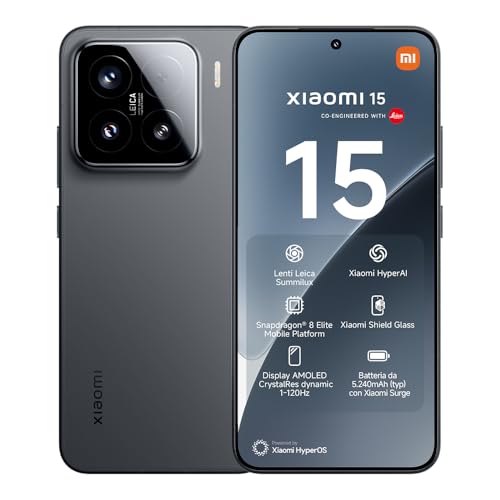
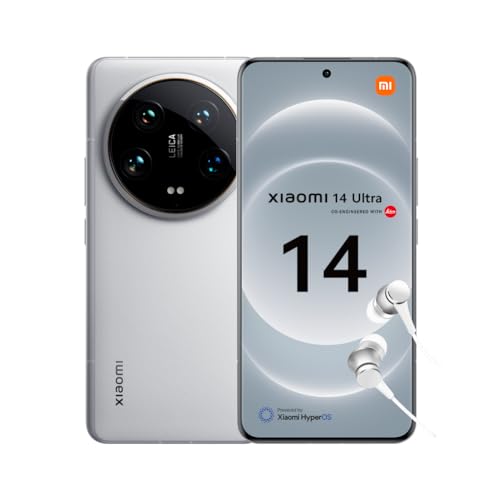
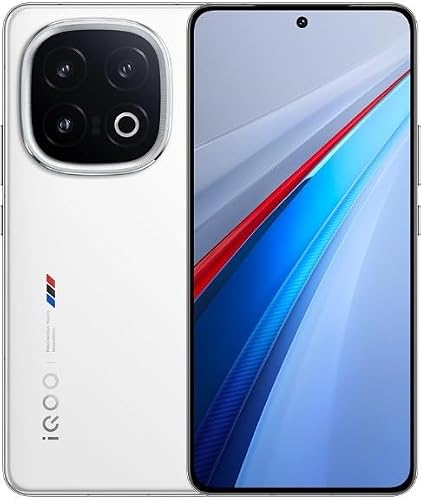
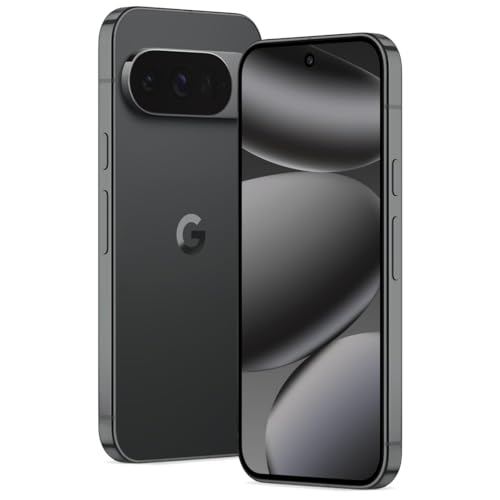
An Android smartphone is a mobile phone that runs on the Android operating system developed by Google. You can use it to make calls, send messages, browse the internet, use apps, play games, and take photos.
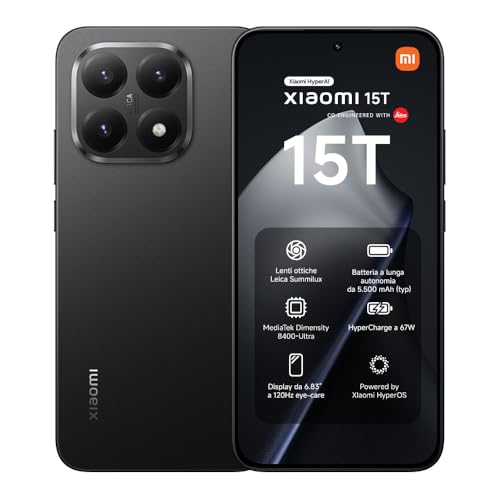
Android is open-source (unlike iOS), so different manufacturers like Samsung, Xiaomi, OnePlus, and Motorola use it in their own phones. This also means each brand can customize Android differently.
You can access the Google Play Store on Android smartphones and download millions of apps, including social media, productivity tools, and streaming platforms. Android supports USB-C charging, 5G, Bluetooth, and Wi-Fi connectivity. It updates regularly through security patches and new versions (like Android 13, Android 14).
The best Android smartphones (with the highest overall score) are as follows:
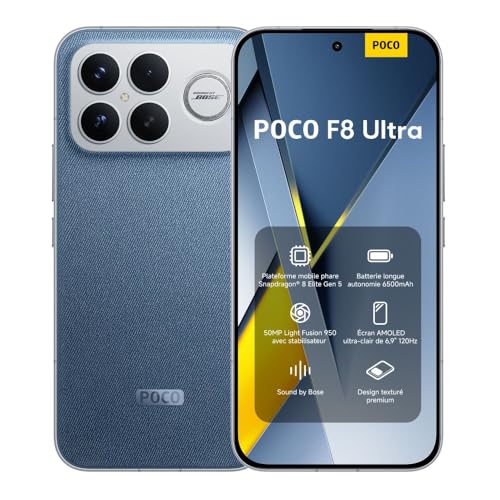
- Poco F8 Ultra (16GB + 512GB) (Overall score: 9.19 points)
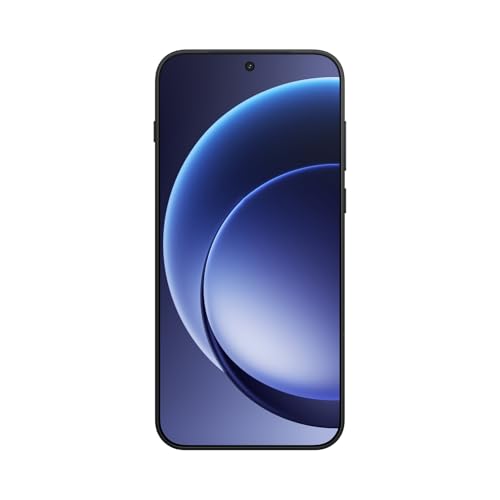
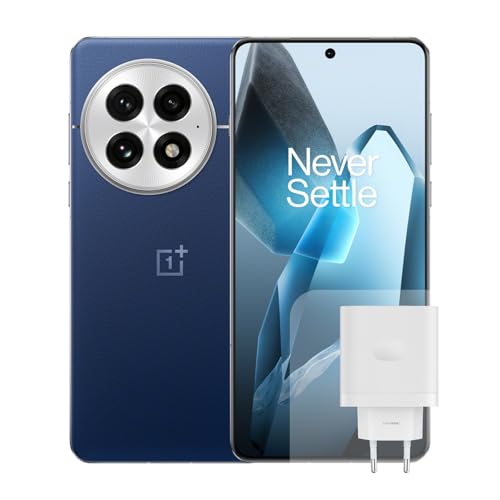
- OnePlus 15 (16GB + 512GB) (Overall score: 9.15 points)
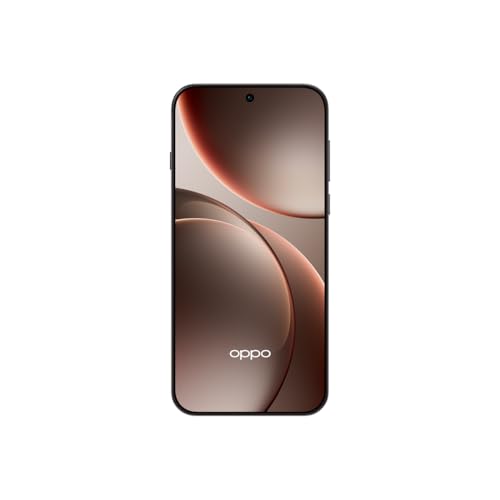
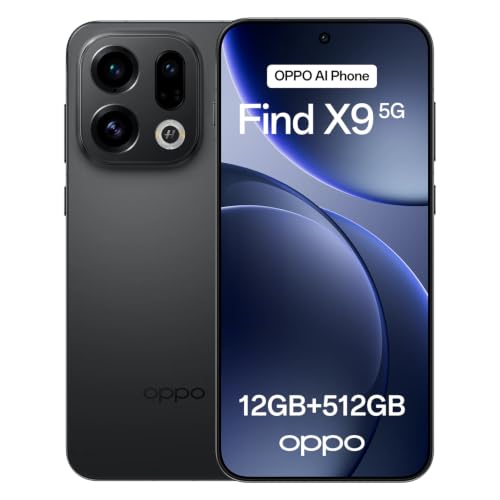
- Oppo Find X9 Pro (16GB + 512GB) (Overall score: 9.12 points)
How is Android different from iOS?
Android is different from iOS in several ways that affect how you use your device, customize it, install apps, and connect with other systems. The key differences are as follows:
- Operating System Base: Android runs on Linux-based open-source code. iOS runs on Unix-based closed-source code owned by Apple.
- Device Manufacturers: Android runs on phones from many brands like Samsung, Google, Xiaomi, and OnePlus. iOS runs only on Apple devices like iPhone and iPad.
- App Stores: Android uses Google Play Store as the main app source (you can also install apps from outside). iOS uses Apple’s App Store (you can’t install apps from outside without jailbreaking).
- Customizability: Android lets you change home screens, use widgets freely, install custom launchers, and access deeper system settings. iOS limits customizations and controls system appearance and behavior more strictly.
- System Updates: Android updates depend on phone brand and model (some phones get updates late or never). iOS updates reach all supported devices at the same time.
- Voice Assistant: Android uses Google Assistant. iOS uses Siri.
- File Sharing and Transfers: Android uses USB-C, supports drag-and-drop file transfers, and works with any computer. iOS uses Lightning cable (or USB-C for newer models) and requires iTunes or Finder on Mac.
- Default Apps: Android lets you set any app as default (browser, messaging, email, etc). iOS limits this (only a few app types can be changed).
- Price Range: Android phones come in all price levels (from under £90 to over £1,300). iPhones cost more (usually from £430 up to £1,600).
- Integration with Ecosystem: Android connects better with Google services and Windows. iOS works best with Apple’s ecosystem (Mac, iPad, AirPods, iCloud, etc).
What versions of Android do smartphones use today?
Smartphones today use Android 15 as the leading version with 27.1% market share, followed by Android 14 at 19.5% and Android 13 at 16.0%. These three versions combined account for nearly two-thirds of all Android devices in use.
The Android ecosystem also sees the emergence of Android 16, which was released in June 2025 - earlier than typical Android releases. Android 16 is currently available on select Pixel devices and is expected to reach other manufacturers throughout 2025.
How often do Android smartphones get updates?
Android smartphones get updates at different times based on the brand, model, and software policy. You don’t get a standard update schedule across all Android devices. Some phones get updates every month, some quarterly, and others only a few times a year.
Google Pixel phones usually get monthly security patches and major Android version updates for at least 3 years (some newer models up to 7 years). Samsung pushes monthly updates for its recent flagship models (like Galaxy S and Fold series), quarterly for mid-range phones, and fewer updates for entry-level devices. Brands like OnePlus, Xiaomi, Motorola, and others follow their own timelines, which often vary even between models. Budget Android phones usually get fewer updates and stop receiving them earlier.
Which brands make the best Android smartphones?
The best Android smartphone brands are as follows:
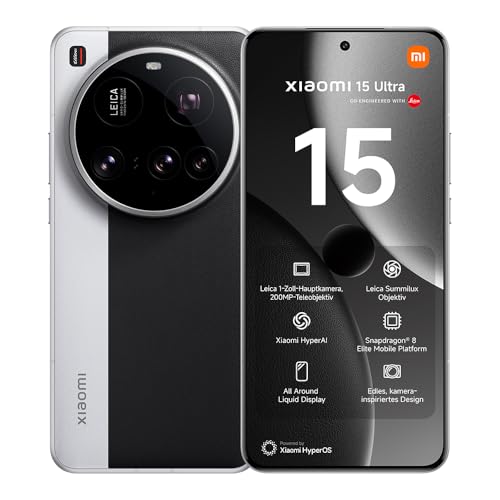
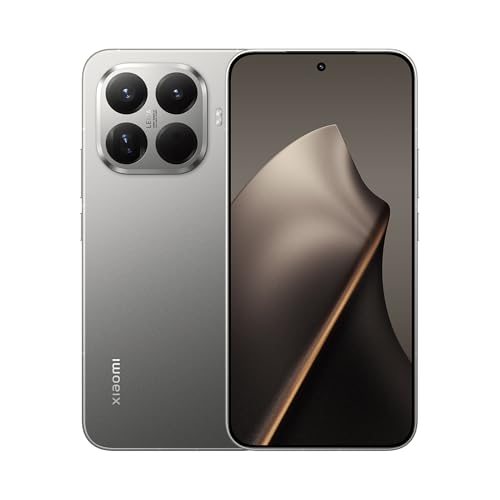
- Xiaomi (Average overall score: 8.6)
- Google (Average overall score: 8.6)
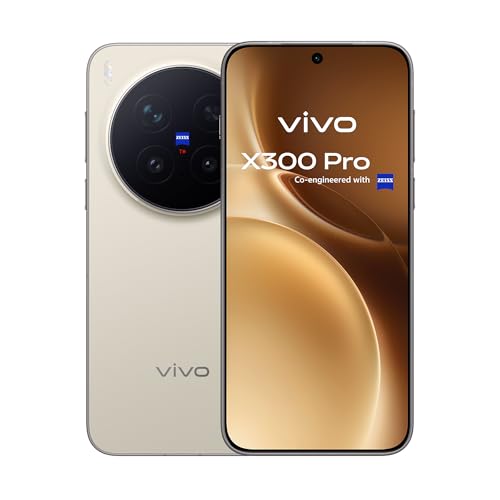
- vivo (Average overall score: 8.4)
Note: Only brands with at least 6 smartphone models in our database, released since 2022, were considered.
The chart below ranks Android smartphone brands based on their overall scores.
[horizontal-chart-09920531017755900843075645304709383449801054583576]
What to consider while choosing the best Android smartphone?
To choose the best Android smartphone, you need to focus on the following key factors that affect performance, speed, photography, and daily use:
- CPU: Pick a phone with a top-tier processor like Snapdragon 8 Gen 3 or Dimensity 9300. These chips handle gaming, multitasking, and demanding apps without delays. Mid-range models usually have Snapdragon 7 series or MediaTek 8000 series. Older or weaker CPUs slow down over time.
- RAM: Look for at least 8 GB RAM for smooth app switching and background processes. 12 GB or 16 GB improves gaming and performance under heavy use. Some budget phones still come with 6 GB, which slows down multitasking.
- Storage: 128 GB is the minimum you should accept. Go for 256 GB or 512 GB if you shoot 4K video, install large games, or store offline media. Avoid 64 GB phones (even with SD card support), they run out of space fast.
- Camera: High-end phones use large sensors (1 inch or close), OIS, and advanced processing. Look at megapixels, sensor size, lens quality, and software. Ultra-wide, telephoto, and night mode also matter. Don’t rely on just the megapixel count.
- Battery: Go for 4500 mAh or more. Check if the phone supports fast charging (at least 65W wired or 30W wireless). Some phones charge fully in under 30 minutes. Battery life depends on screen type, refresh rate, and chip efficiency.
- Display: AMOLED or OLED screens look better than LCD. Choose 120Hz refresh rate for smoother scrolling and gaming. Higher peak brightness (over 1200 nits) helps outdoors. HDR support improves content viewing.
- Software and Updates: Pick brands that promise at least 3 Android version updates and 4-5 years of security patches. Samsung, Google, and OnePlus lead here. Chinese brands vary a lot, so check update policies.
- Build Quality and Design: Metal frames, Gorilla Glass, and IP rating (IP68 or IP67) improve durability. Foldables need extra care. Slim, light phones feel better in hand but sometimes sacrifice battery.
You should also check network support (5G bands), audio quality, haptics, and brand reliability. Match the specs to what you actually need daily.