Which brands make the best budget foldable smartphones?
The best budget foldable smartphone brands (with the highest overall score) are as follows:
- HONOR (Average overall score: 8.5)
- Huawei (Average overall score: 8.2)
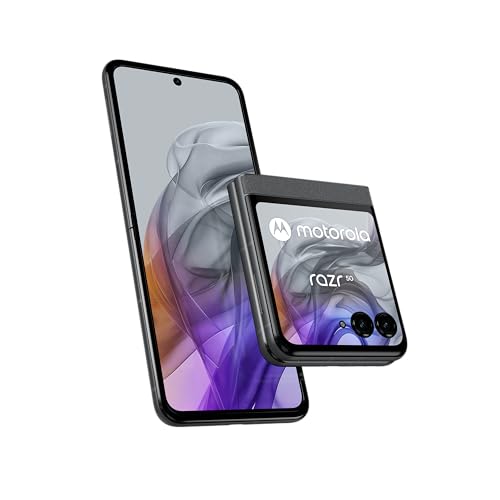
- Motorola (Average overall score: 7.9)
Note: Only brands with at least 3 smartphone models in our database, released since 2022, were considered.
The chart below ranks budget foldable smartphone brands based on their overall scores.
[horizontal-chart-04573143052586575169019205939411610064772731908745]
Are budget foldable smartphones worth buying?
Budget foldable smartphones are worth buying if you want the foldable experience at a lower cost and accept some trade-offs in performance, features, and durability. You still get the flexible screen design that can switch between a compact and large display, which is the main reason people choose foldables.
However, budget models often use mid-range processors, less advanced cameras, and displays with lower brightness or refresh rates compared to flagship foldables.
The best available budget foldable smartphones (with the highest overall score) are as follows:
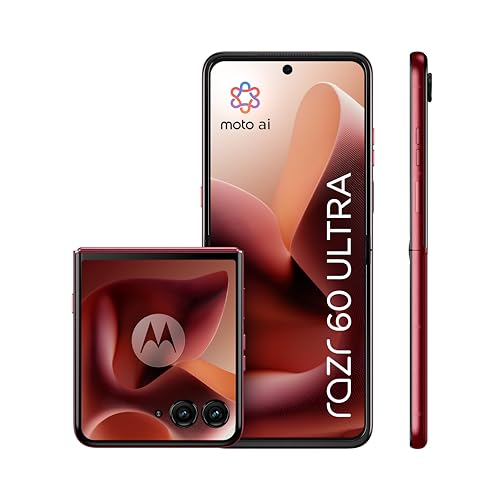
- Motorola Razr 60 Ultra (16GB + 512GB) (Overall score: 8.41 points)
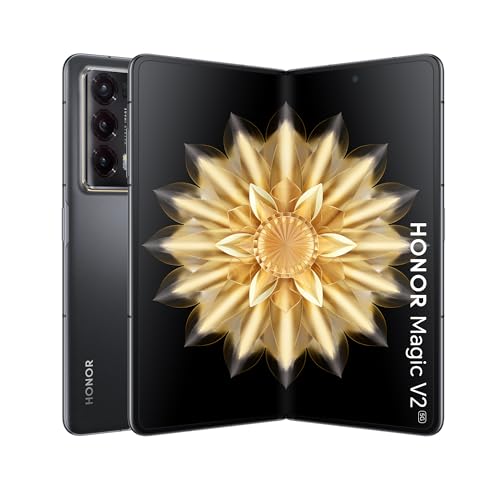
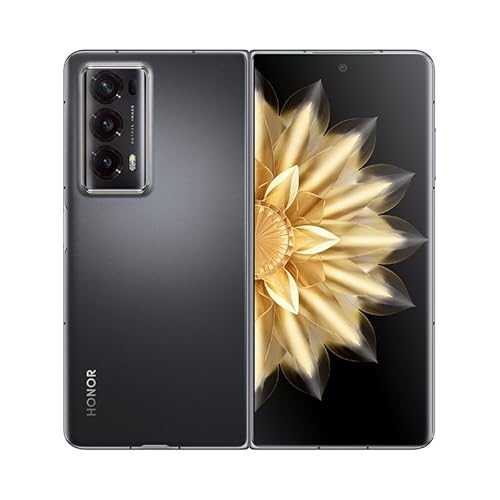
- HONOR Magic V2 (16GB + 512GB) (Overall score: 8.11 points)
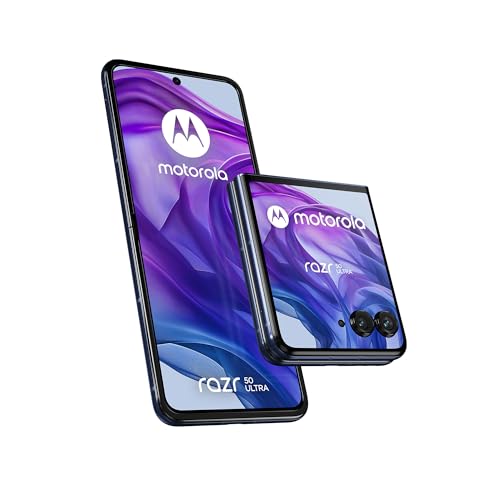
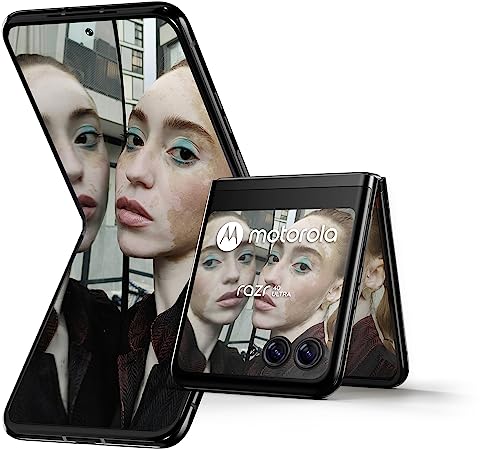
- Motorola Razr 50 Ultra (12GB + 512GB) (Overall score: 8.1 points)
Who should buy a budget foldable phone?
You should buy a budget foldable phone if you want the foldable experience without paying flagship prices and can accept some compromises in performance and features. These devices still give you the main appeal of a foldable — a screen that switches between compact and tablet-like formats — but they use mid-range processors, simpler camera setups, and displays with lower brightness or refresh rates compared to top models.
A budget foldable is a good choice if you mainly use your phone for browsing, social media, streaming, and light multitasking. You get the flexibility of a larger display for videos and multitasking while keeping a pocket-friendly size when folded. However, if you expect flagship-level gaming performance, advanced photography, or the best build materials, you should look at higher-end foldables instead.
What processor and RAM do budget foldable smartphones have?
Budget foldable smartphones usually have 8 GB of RAM and use processors like the Snapdragon 7 Gen 1, Snapdragon 782G, or MediaTek Dimensity 7050. These chips handle everyday tasks well and support multitasking on foldable displays, but they don’t match the performance of Snapdragon 8 series chips found in premium models. You can still browse, stream, and switch apps smoothly, especially with the help of optimized Android versions built for foldables.
The chart below illustrates the distribution of RAM in budget foldable smartphones.
[vertical-chart-03552537097838480809130831847310789291020414946249]
What kind of displays do budget foldables use?
Budget foldables use flexible OLED displays, usually with lower specs than premium foldables. You still get a folding form factor, but display quality, resolution, and brightness often drop. Brands cut costs by using older OLED panels, plastic protective layers instead of ultra-thin glass, and less durable hinge designs. You may notice lower peak brightness, thicker bezels, or lower refresh rates (often 60Hz or 90Hz instead of 120Hz). Some displays crease more visibly at the fold, which affects both look and touch. Touch response can also feel slightly less refined on budget models.
The following chart highlights how display types are distributed among budget foldable smartphones.
[pie-chart-09196836319213901839016143915952732736541211014464]
How long does the battery last on a budget foldable?
Battery life on a budget foldable usually lasts between 6 and 8 hours of active use, which is less than most regular smartphones. You can expect around a full day if you use it lightly, but heavy multitasking or watching videos for long periods drains it quickly. Foldables consume more power because the larger fold-out screen uses more energy, and cheaper models often have smaller batteries compared to premium foldables.
Most budget foldables come with batteries in the range of 3,800 to 4,500 mAh, which is enough for casual use but can feel limited if you keep the display at high brightness or run demanding apps.
Charging speeds vary, but many stay around 25 W or less, so a full charge can take over an hour. Some models include basic battery management settings that help extend usage during the day, but you still need to recharge daily.
Budget foldable smartphone battery capacities are represented in the following chart.
[vertical-chart-10996340200540143971025182151611147444940833462731]
What is the camera quality like on budget foldables?
Camera quality on budget foldables is usually average, with performance closer to mid-range smartphones than to flagship foldables. You can expect decent daylight shots with good color reproduction, but low-light photography often shows noise and loss of detail. Many budget foldables use main sensors between 48 MP and 64 MP, which capture sharp images in good lighting but struggle with dynamic range in challenging conditions.
Ultra-wide and telephoto capabilities are often limited, and in some cases, you only get a basic secondary lens instead of a full triple-camera setup. Video recording usually goes up to 4K at 30 fps, but stabilization can be less effective, so footage may look shaky if you move quickly.
The front camera (often 10–16 MP) works well for selfies and video calls in good light, though background detail can look soft.