Which brands make the best mid-range smartphones?
The brands with the best mid-range smartphones are as follows:
- Xiaomi (Average overall score: 8.5 points)
- ZTE (Average overall score: 8.1 points)
- HONOR (Average overall score: 8.1 points)
Note: Only brands with at least 6 smartphone models in our database, released since 2022, were considered.
Mid-range smartphone brands are compared in the following chart according to their overall ratings.
[horizontal-chart-14447092621274882641036798467693342370961664218642]
How much do mid-range smartphones cost?
Mid-range smartphones cost between £260 and £550. You can find solid models in this price range that balance performance, battery life, camera quality, and display resolution.
The best available mid-range smartphones (with the highest overall score) are as follows:
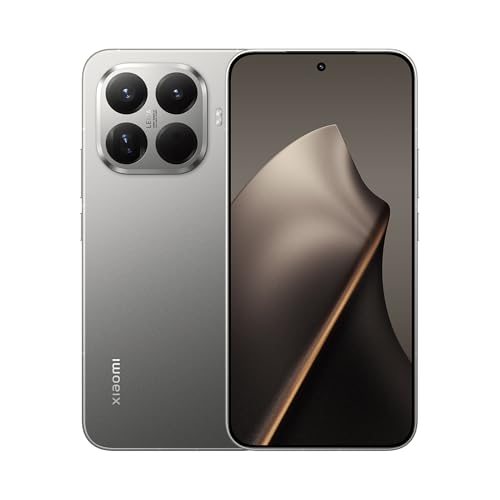
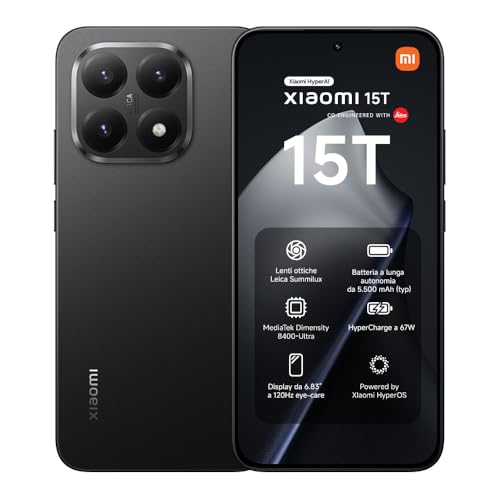
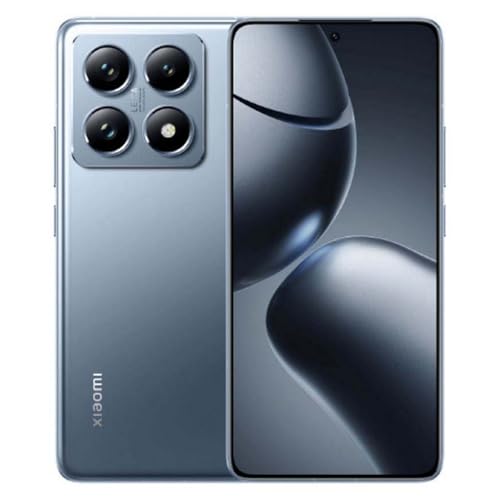
- Xiaomi 15T Pro (12GB + 512GB) (Overall score: 8.96 points)
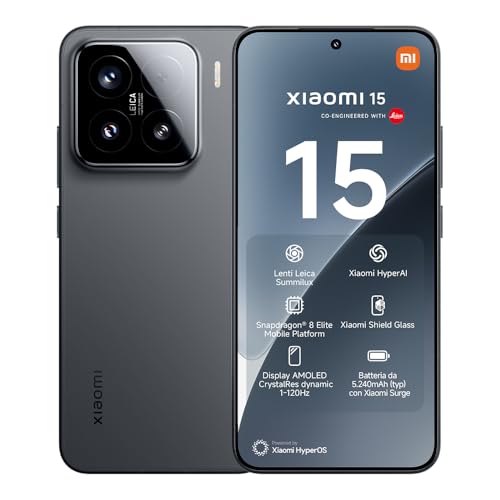
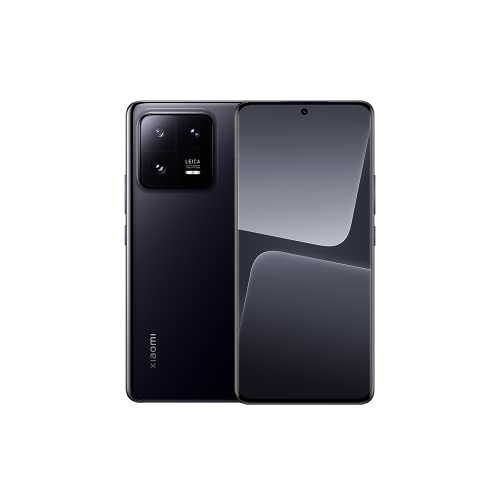
- Xiaomi 15 (12GB + 512GB) (Overall score: 8.78 points)
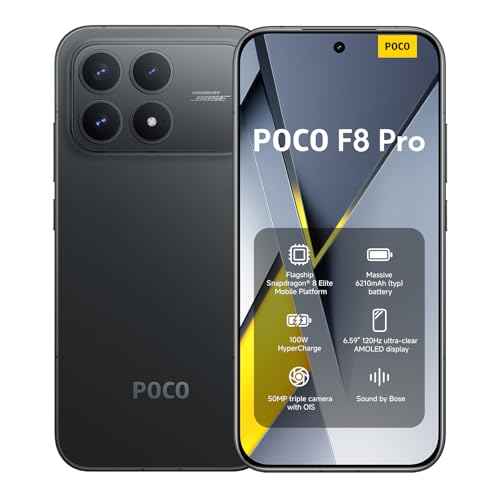
- Poco F8 Pro (12GB + 512GB) (Overall score: 8.77 points)
Are mid-range smartphones worth buying?
Yes, mid-range smartphones are worth buying if you want strong performance without paying flagship prices. You get fast processors, sharp displays, and capable cameras in phones that cost between £260 and £550. Mid-range devices now use chips like the Snapdragon 7 Gen 1 or Dimensity 8200, which run most apps and games smoothly. Many of them also include OLED screens with 120Hz refresh rates, 5G, stereo speakers, and fast charging (often 67W or more), so the overall experience feels close to high-end.
Camera performance improved a lot in this segment. You can expect 50MP or 64MP sensors that capture good detail in daylight and decent low-light shots with built-in night modes. Battery life also lasts a full day or more (especially with 5000mAh batteries). You won’t get every premium feature (e.g. wireless charging, IP68, best zoom lenses), but you still get strong daily performance and a smooth user experience. If you don’t chase the latest flagship specs or brand status, mid-range phones give you excellent value.
What processor and RAM do mid-range phones have?
Mid-range smartphones use a range of chipsets. On the higher end, you find processors like the Snapdragon 7 Gen 1 or Dimensity 8200, which deliver near-flagship performance. More affordable models use chips like the Snapdragon 6 Gen 1, Dimensity 7050, or Exynos 1280. You also see newer options such as Snapdragon 7s Gen 2 or Dimensity 7200, which strike a balance between power and efficiency.
RAM in mid-range phones usually sits between 6 GB and 12 GB. 8 GB has become standard, and some phones support virtual RAM expansion. You see LPDDR4X in most models, but newer ones use LPDDR5. This helps with app launching speed, background processes, and smooth UI. You get enough power for browsing, social media, and gaming without lag.
The chart below illustrates the distribution of RAM in mid-range smartphones.
[vertical-chart-16975181636790514456098875135528682483591337638175]
How good is the camera in mid-range smartphones?
The camera in mid-range smartphones is good enough for daily use, social media, and casual photography. You get solid performance in daylight and decent results in low light, especially in phones priced between £260 and £550. Most phones in this range use sensors from Sony or Samsung. You’ll usually see 50MP to 64MP main cameras, some with optical image stabilization (OIS), which helps with sharpness and low-light shots.
You can expect wide-angle and macro lenses too, but they often drop in quality compared to the main sensor. Some mid-range phones shoot 4K video, though image processing and stabilization may not match flagship-level. AI scene detection and HDR modes improve contrast and color balance, so photos look more detailed. Selfie cameras range from 8MP to 32MP. You’ll get good selfies in daylight, but low-light performance varies. Mid-range cameras still fall behind in zoom quality, fast autofocus, and video consistency, but for most users, the overall experience is more than enough.
The mid-range smartphones with the best camera performance (highest DxOMark Mobile score) are as follows:
- Oppo Find X6 (16GB + 512GB) (DxOMark Mobile score: 150)
- Huawei Mate 50 Pro (8GB + 256GB) (DxOMark Mobile score: 149)
- Google Pixel 7 Pro (12GB + 128GB) (DxOMark Mobile score: 147)
How long does the battery last in mid-range smartphones?
Battery life in mid-range smartphones usually lasts between 5 to 8 hours of screen-on time or about one full day of regular use. This depends on battery capacity (typically 4500–5000 mAh), software optimization, display type, and processor efficiency.
Most mid-range models come with batteries in the 4500–5000 mAh range. These phones usually use efficient chipsets like Snapdragon 6 or 7 series or MediaTek Dimensity 700–800 series, which balance performance and power use. Displays often stay below 1080p or use adaptive refresh rates to lower drain. If you stream videos, browse, or use social media apps, the battery can easily last a full day. Heavy gaming or extended camera use drains it faster. Charging speeds range from 18W to 67W, so you can fully charge some models in under an hour.
If you charge overnight or during short breaks, most mid-range phones won’t run out before the end of the day. You get enough backup for daily use, even with moderate gaming or video streaming.
The available mid-range smartphones with the best battery capacity are as follows
- Ulefone Armor 33 Pro (32GB + 512GB) (Battery capacity: 25500 mAh)
- Ulefone Armor 34 (32GB + 512GB) (Battery capacity: 25500 mAh)
- DOOGEE VMAX 5G (20GB + 256GB) (Battery capacity: 22000 mAh)
Battery capacity distribution in mid-range smartphones is represented in the following chart.
[vertical-chart-16357561267829205940095869613109186337243501459503]
How good are the displays in mid-range smartphones?
Mid-range smartphones have good displays. You get sharp resolution, solid brightness, and high refresh rates that handle videos and games well. Most phones in this segment use OLED or AMOLED panels, which give you deeper blacks and better contrast than LCDs. Screen sizes usually range from 6.4 to 6.7 inches with FHD+ resolution, so content looks sharp and detailed.
You also see features like 120Hz refresh rate in many devices, which gives smoother scrolling and better responsiveness during gaming. Color accuracy and brightness levels have improved too, with some phones reaching up to 1200 nits peak brightness (usable under direct sunlight). Manufacturers like Samsung, Xiaomi, and OnePlus include HDR10+ support in many models, so video content looks more dynamic and rich. Bezels are thin and punch-hole cameras help maximize screen space. You don’t get the same level of brightness, LTPO tech, or high-end peak HDR performance found in flagships, but the displays in mid-range phones still perform well for the price.
The chart below highlights the variety of display types used in mid-range smartphones.
[pie-chart-18393081967963756048091186430917970951473079111170]
What connections do mid-range smartphones support?
Mid-range smartphones support a wide range of connections. These include the following:
- 5G and 4G LTE: Most mid-range phones support 5G and 4G LTE, so you get fast mobile internet speeds for streaming, browsing, and downloads.
- Wi-Fi: They connect to both 2.4 GHz and 5 GHz Wi-Fi bands (dual-band Wi-Fi), which gives better stability and speed.
- Bluetooth: You get Bluetooth 5.0 or newer, which supports wireless audio devices, wearables, file sharing, and low-energy accessories.
- GPS and Navigation: Phones support multiple navigation systems (GPS, GLONASS, Galileo, BeiDou), so you get fast and accurate location tracking.
- NFC: Many mid-range phones include NFC, so you can use contactless payments like Google Pay or other services.
- USB-C Port: You use USB-C for charging and data transfer. Most phones support USB 2.0 speeds, but some have USB 3.0 or higher.
- Infrared (IR) Blaster: Some models include an IR blaster, so you can use the phone as a remote for TVs and other devices.
- 3.5mm Headphone Jack: Some mid-range phones still include the 3.5mm jack, but many brands remove it.
- Dual SIM: Most models support Dual SIM or eSIM, so you can use two numbers in one phone.
- FM Radio: Some devices include FM radio support, which works with a connected headphone cable.
Mid-range phones usually balance advanced connectivity features and price. You get many of the same connection options as flagship models, but with fewer premium extras.
What is the design and build quality of mid-range smartphones?
Mid-range smartphones usually have solid design and build quality. You get metal frames or sturdy plastic bodies (sometimes with glass backs), and brands add premium touches to create a high-end feel. You may not get the same materials or finish as in flagship models, but the difference isn’t massive. Bezels stay slim, and most models use punch-hole displays. You find side-mounted or in-display fingerprint sensors, and some devices still keep the headphone jack. Button placement, port alignment, and general ergonomics stay clean and practical.
In this range, build quality depends on price. Phones closer to £430 feel more refined than ones around £220. Some have IP ratings (basic water resistance), while others skip this. Gorilla Glass (3, 5, or Victus) protects most displays, and panel gaps stay tight. You get sturdy feel in hand, even if the phone uses plastic. Manufacturers focus on durability and comfort in daily use, so you rarely see sharp edges or poor construction.