
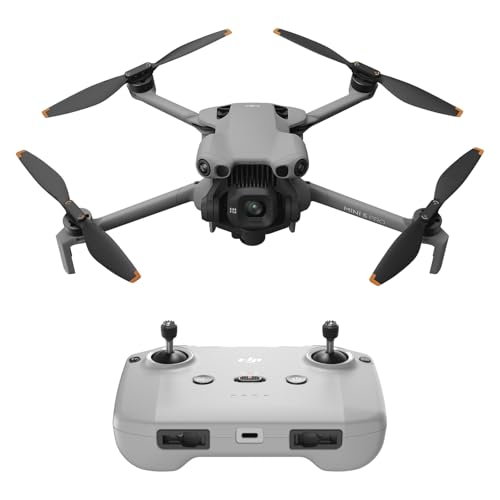
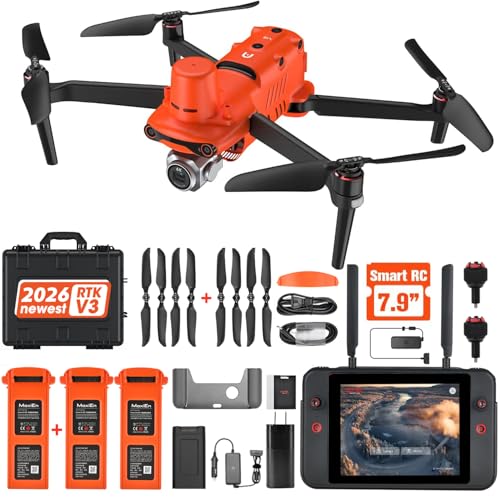
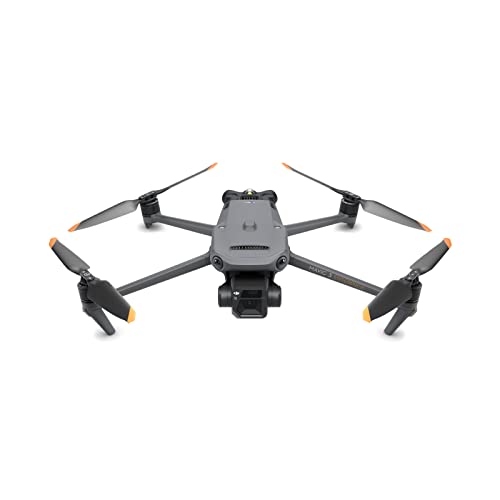
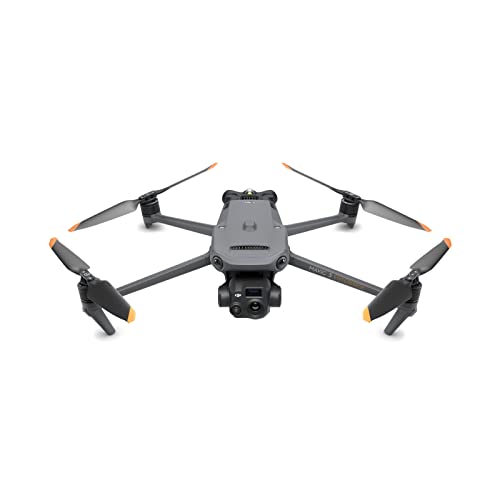
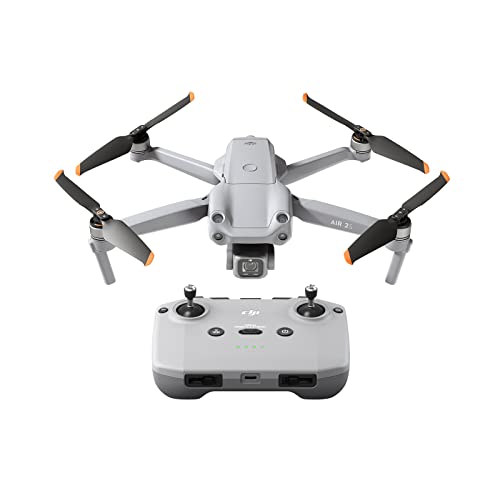
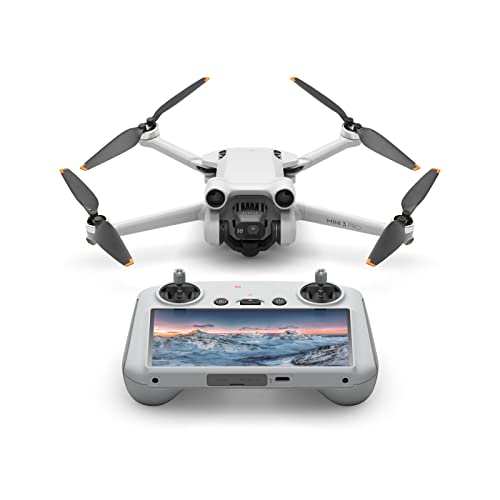
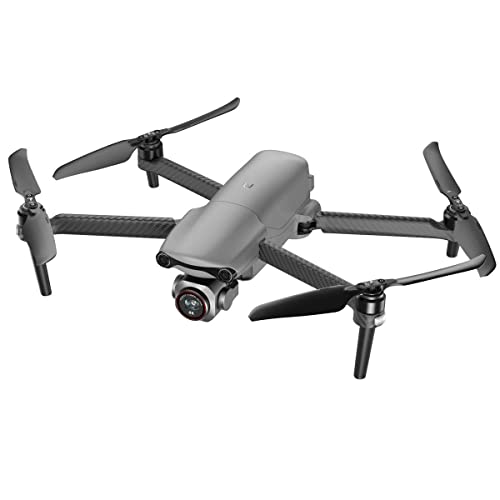
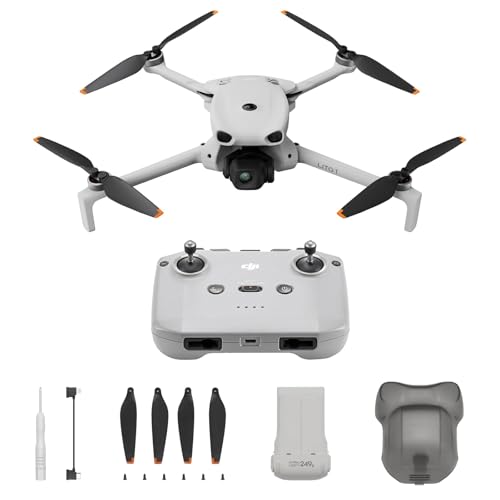
Which brands make the best drones?
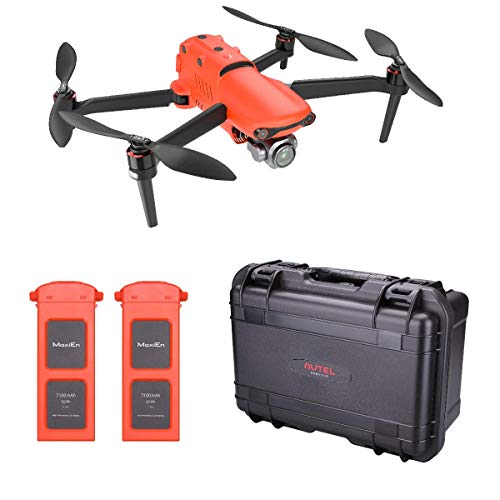
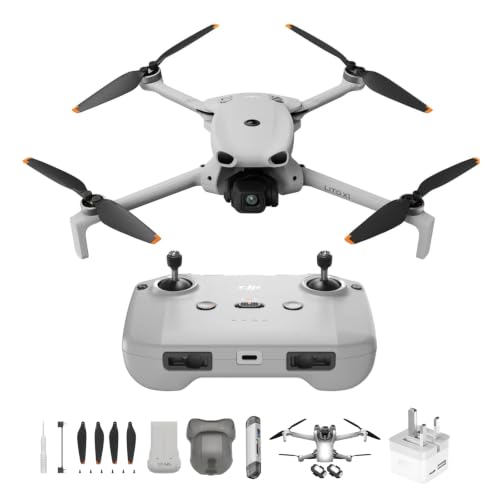
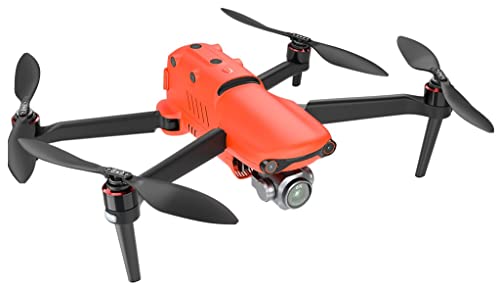
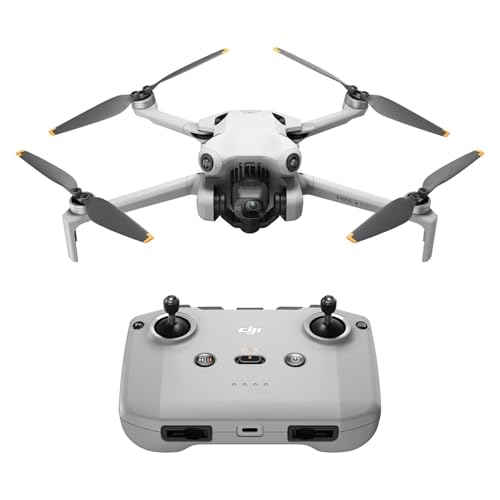
The best drone brands are as follows:
- Autel (Average overall score: 8.2)
- DJI (Average overall score: 7.7)
- Fimi (Average overall score: 7.2)
The chart below ranks drone brands by average overall score.
[horizontal-chart-02357880987341839465015086409514297105510428597726]
Which drone brands have the highest user ratings?
The drone brands with the highest user ratings are as follows:
- DJI (Average users rating: 9.4)
- Potensic (Average users rating: 9.1)
- Hoverair (Average users rating: 9)
Drone brands by average users rating are shown in the chart below.
[horizontal-chart-06912918387369710053024501959289880449620269009629]
Which drone brands offer the best value for money?
The drone brands with the best value for money are as follows:
- Fimi (Average quality-price ratio: 7.7)
- HYTOBP (Average quality-price ratio: 7.4)
- DJI (Average quality-price ratio: 7)
The chart below compares drone brands by average quality-price ratio.
[horizontal-chart-18207944644781709862043788365388523035222754058024]
How much do the best drones cost?
The best drones cost about 200-£6,000.
Most good drones cost about 200-£600 for beginner and travel use, 700-£1,700 for advanced creator use, and 2000-£6,000 for professional and enterprise use.
Price differences mainly come from camera stack quality, transmission reliability, obstacle sensing coverage, and build/payload capability. Higher tiers also deliver steadier control in wind and more consistent output across long sessions.

What camera quality can you expect from the best drones?
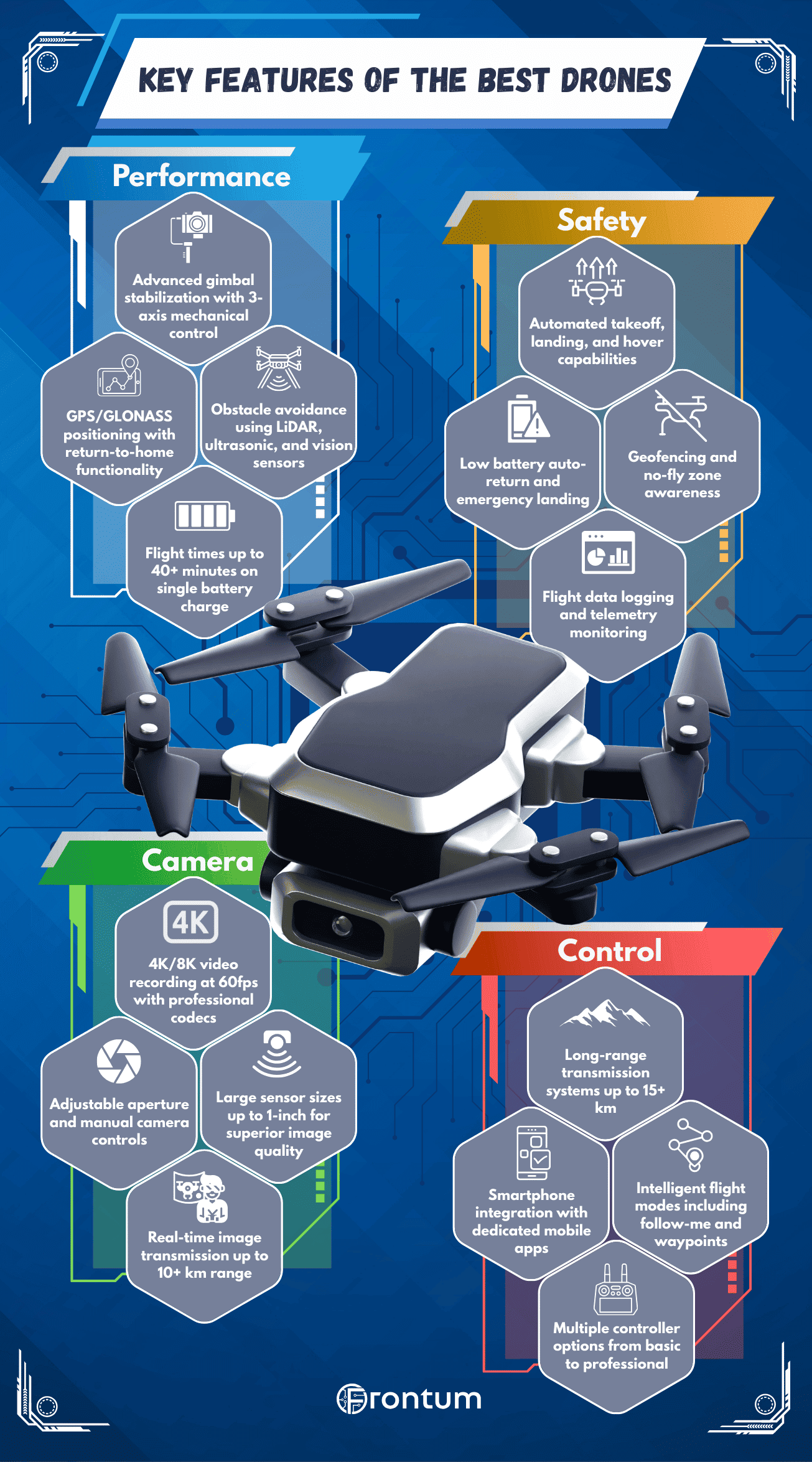
The camera quality on the best drones is usually high, but real results depend on measurable capture and stabilization factors, not resolution labels alone.
On stronger drone classes, practical camera performance often aligns with max movie bitrate from about 60 upward, wind operation around 10-16.5 m/s, and stable capture behavior during 16-51 minute mission windows. These numbers matter because sharper detail and cleaner motion require both camera pipeline strength and controlled flight.
Camera quality on the best drones depends on the following factors:
- Sensor and optics: Better sensors and optics improve low-light behavior and dynamic range. In practice, this means cleaner shadows at sunrise/sunset and fewer blown highlights in bright sky scenes.
- Stabilization path: 3-axis gimbal systems usually deliver noticeably smoother footage than basic electronic correction. For example, slow pans stay level instead of showing rolling jitter in crosswind.
- Encoding strength: Higher bitrate and efficient codec behavior preserve texture in movement. A weak pipeline can smear foliage or roof details in motion, while a stronger one keeps those edges readable.
- Flight stability: Predictable hover and smooth control inputs keep footage consistent. Even a good camera will look soft or shaky if the airframe drifts during framing.
How long can the best drones fly?
The best drones can typically fly for about 25-50 minutes per battery cycle.
In practical use, many strong models deliver around 30-45 minutes in calm conditions, while heavy wind near 10-16.5 m/s or aggressive speed profiles can reduce that by roughly 20-40%. A model rated at 40 minutes can therefore land closer to about 24-32 minutes during harder sessions.
Reliable operations usually come from battery rotation strategy and conservative return margins. As a working example, planning each flight around a 25-35 minute target window and keeping reserve power for return is safer than pushing for the full lab maximum.
Charging time is also part of endurance planning. On stronger drone classes, recharge often sits around 45-150 minutes, so two to three batteries are usually needed for continuous field work.
How good are range and signal reliability on the best drones?
Range and signal reliability on the best drones are generally strong, with practical links from about 1 km up to around 30 km depending on class and environment.
Signal quality depends on transmission system design, antenna behavior, local interference, and line-of-sight discipline. Better platforms hold control and video feed stability more consistently in complex conditions, not just in open-field tests.
Range reliability is mainly driven by the following checks:
- Link stability: Stable control and live view quality matter more than peak-distance claims. Reliable links reduce sudden dropouts and control stress.
- Interference handling: Urban and high-RF areas can reduce effective range quickly. Better systems recover signal faster and maintain cleaner feed.
- Wind and speed load: High-speed flight and gusty wind increase control demands and can expose weaker links. Stronger transmission stacks hold performance better under load.
- Operating discipline: Keeping clear line of sight and conservative route planning improves real-world signal consistency. Good pilot habits often add more reliability than extra headline kilometers.
What safety features do the best drones offer?
The best drones offer the following safety features:
- Return to Home: Reliable automatic return behavior is the core recovery feature and is essential for signal-loss or low-battery scenarios.
- GPS hold: GPS support improves hover stability and route correction accuracy, giving pilots more reaction margin in changing conditions.
- Obstacle sensing: Obstacle detection adds collision protection, especially in mixed environments, but coverage direction and tuning quality still matter.
- Emergency logic: Predictable low-battery, signal-loss, and landing behavior reduces panic decisions and improves mission continuity.
What trade-offs should you check before buying a drone?
The main trade-offs to check before buying a drone are the following:
- Speed vs endurance: Faster flight profiles reduce practical airtime and can increase heat and battery stress. Buyers should prioritize speed that matches real use, not only peak numbers.
- Camera vs stability: Higher resolution does not guarantee better footage when stabilization or encoding is weak. Stable capture and predictable control often matter more than headline resolution.
- Range vs reliability: Long-distance claims can drop sharply in interference-heavy environments. Strong link consistency is more valuable than maximum advertised range.
- Safety depth vs price: Models with broader obstacle sensing and stronger failsafes usually cost more. Safety capability should match flight environment risk, not just budget target.
- Portability vs robustness: Lighter models are easier to carry but may handle wind and repeated hard use less confidently. Heavier platforms can improve stability but reduce travel convenience.
- Upfront vs lifecycle cost: Batteries, accessories, and maintenance can materially increase total ownership cost. Planning full operating cost avoids underestimating long-term budget needs.