Xiaomi 14 Ultra (16GB + 512GB) review. Compare 197 technical specifications and user reviews to see how this product ranks in the Smartphones category and whether it is worth buying.
Overall score
What it is: An overall evaluation of the smartphone's quality, based on technical analyses and user reviews.
When it matters: When you need a quick reference to identify the best smartphones on the market.
Score components:
90.0%
Technical Score
10.0%
User score
Technical Score
What it is: An assessment of the smartphone's technical performance, covering eight key areas: performance & hardware, software, camera, connectivity, display, battery, audio, and design.
When it matters: When you want to compare smartphones based on technical performance and available features.
Score components:
25.0%
Performance & Hardware
18.0%
Camera
15.0%
Display
15.0%
Battery
10.0%
Software
10.0%
Connectivity
4.0%
Audio
3.0%
Design
User score
What it is: A rating that combines user reviews and the total number of reviews received by the smartphone
When it matters: When you want to know how a smartphone handles daily tasks and how reliable it remains over time according to user feedback.
Score components:
70.0%
User reviews
30.0%
Popularity
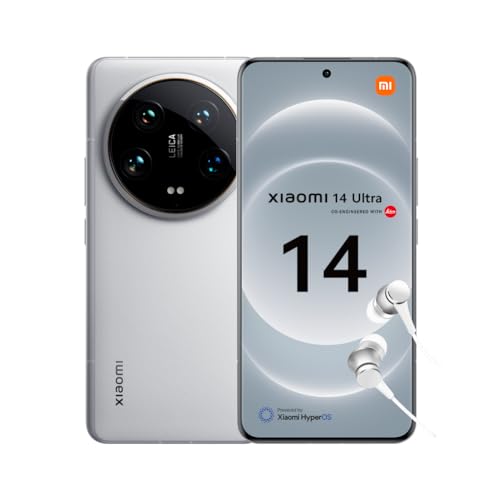
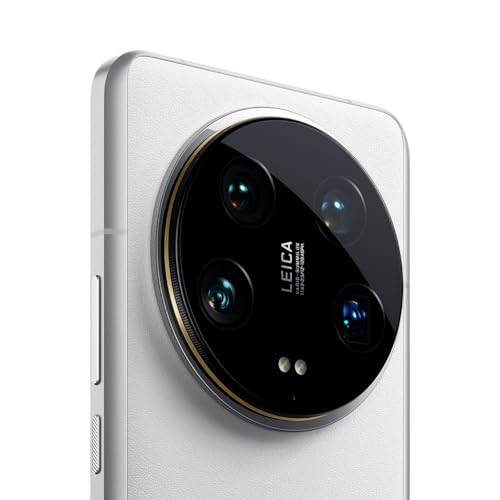
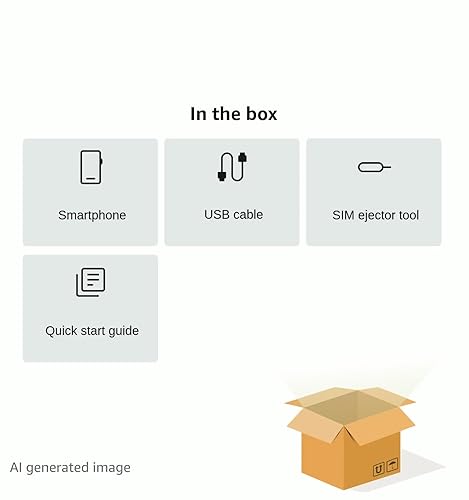
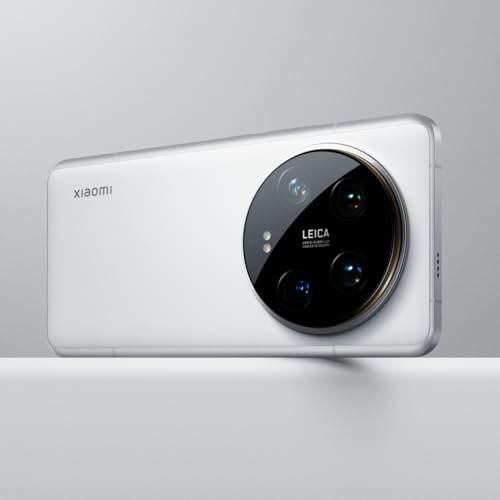


Available: ranking among products currently available (including other versions of this product).
All: ranking among all products in the database.
#5 in Best Xiaomi Phones
#15 in Best Chinese Smartphones
#16 in Best Smartphones
#16 in Best Android Smartphones
#16 in Best NFC Smartphones
#16 in Best 5G Smartphones
#16 in Best AI Smartphones
#289 in Best Value Smartphones
#490 in Best Battery Life Smartphones
What it is: An assessment of the smartphone's technical performance, covering eight key areas: performance & hardware, software, camera, connectivity, display, battery, audio, and design.
When it matters: When you want to compare smartphones based on technical performance and available features.
Score components:
25.0%
Performance & Hardware
18.0%
Camera
15.0%
Display
15.0%
Battery
10.0%
Software
10.0%
Connectivity
4.0%
Audio
3.0%
Design
What it is: A rating that combines user reviews and the total number of reviews received by the smartphone
When it matters: When you want to know how a smartphone handles daily tasks and how reliable it remains over time according to user feedback.
Score components:
70.0%
User reviews
30.0%
Popularity
What it is: An indicator that combines the smartphone's overall rating with its cost.
When it matters: When you are looking for a smartphone with a good balance between quality and price.
Score components:
60.0%
Overall score
40.0%
Price
Importance: LOW
Importance: HIGH
Importance: HIGH
Good value: >12 GB
Importance: MEDIUM
Good value: >256 GB
Importance: MEDIUM
Good value: >3.2 GHz
Importance: LOW
Importance: MEDIUM
Good value: >1500
Importance: LOW
Good value: >4000
Importance: LOW
Good value: 8+
Importance: LOW
Importance: LOW
Good value: >950 MHz
Importance: LOW
Good value: >700
Importance: LOW
Good value: >1000
Importance: LOW
Good value: >2500
Importance: MEDIUM
Good value: >6000
Importance: LOW
Good value: >8000
Importance: MEDIUM
Good value: >12000
Importance: LOW
Good value: >5000
Importance: LOW
Good value: >1800
Importance: LOW
Good value: >3200 MHz
Importance: LOW
Good value: 5
Importance: LOW
Good value: > 50 GB/s
Importance: LOW
Good value: 4
Importance: LOW
Good value: >16 GB
Importance: MEDIUM
Good value: <6 nm
Importance: MEDIUM
Good value: >9 W
Importance: LOW
Importance: LOW
Good value: >8192 KB
Importance: LOW
Good value: >2048 KB
Importance: LOW
Good value: >512 KB
Importance: LOW
Good value: >100000 million
Importance: LOW
Good value: 3.3
Importance: LOW
Good value: 3.2
Importance: LOW
Good value: 2.0/3.0
Importance: LOW
Importance: LOW
Importance: LOW
Importance: MEDIUM
Importance: LOW
Importance: LOW
Importance: LOW
Importance: LOW
Importance: LOW
Importance: LOW
Importance: LOW
Importance: LOW
Importance: LOW
Importance: LOW
Importance: LOW
Importance: LOW
Importance: LOW
Importance: LOW
Importance: LOW
Importance: LOW
Importance: LOW
Importance: LOW
Importance: LOW
Importance: LOW
Importance: LOW
Importance: LOW
Importance: LOW
Importance: LOW
Importance: LOW
Importance: LOW
Importance: LOW
Importance: LOW
Importance: LOW
Importance: LOW
Importance: LOW
Importance: LOW
Importance: LOW
Importance: MEDIUM
Good value: >50 MP
Importance: MEDIUM
Importance: HIGH
Good value: >60
Importance: LOW
Good value: ≥1.2 µm
Importance: MEDIUM
Good value: >2.5x
Importance: MEDIUM
Importance: LOW
Importance: LOW
Importance: LOW
Importance: LOW
Good value: ≥2
Importance: LOW
Importance: LOW
Importance: LOW
Importance: LOW
Good value: >16 MP
Importance: LOW
Importance: LOW
Importance: LOW
Importance: LOW
Importance: MEDIUM
Importance: LOW
Importance: LOW
Importance: LOW
Importance: LOW
Importance: LOW
Importance: LOW
Importance: LOW
Importance: LOW
Importance: LOW
Importance: LOW
Importance: LOW
Importance: LOW
Importance: LOW
Importance: LOW
Importance: LOW
Importance: LOW
Importance: LOW
Importance: LOW
Importance: LOW
Importance: LOW
Importance: LOW
Good value: >130
Importance: LOW
Good value: >120
Importance: LOW
Good value: ≥2
Importance: LOW
Importance: LOW
Importance: LOW
Importance: LOW
Importance: LOW
Importance: LOW
Good value: >5.2
Importance: LOW
Importance: LOW
Importance: LOW
Importance: LOW
Good value: 3.1/3.2
Importance: LOW
Importance: LOW
Importance: LOW
Good value: ≥2
Importance: LOW
Importance: LOW
Importance: LOW
Importance: LOW
Importance: LOW
Importance: LOW
Importance: LOW
Importance: LOW
Importance: LOW
Importance: LOW
Importance: LOW
Importance: LOW
Importance: LOW
Importance: LOW
Importance: LOW
Importance: LOW
Good value: ≥6.6 inches
Importance: MEDIUM
Importance: LOW
Good value: >400 ppi
Importance: MEDIUM
Importance: MEDIUM
Good value: ≥120 Hz
Importance: LOW
Importance: LOW
Good value: >300 Hz
Importance: LOW
Good value: >800 nits
Importance: LOW
Good value: >1300 nits
Importance: LOW
Good value: >1000 nits
Importance: LOW
Importance: LOW
Importance: LOW
Importance: LOW
Importance: LOW
Importance: LOW
Importance: LOW
Importance: LOW
Importance: HIGH
Good value: >5000 mAh
Importance: MEDIUM
Good value: >60 W
Importance: LOW
Importance: LOW
Good value: <45 min
Importance: LOW
Importance: LOW
Good value: >40 W
Importance: LOW
Importance: LOW
Good value: >10 W
Importance: LOW
Importance: LOW
Importance: MEDIUM
Importance: LOW
Good value: >800
Importance: LOW
Importance: LOW
Importance: LOW
Importance: LOW
Importance: LOW
Good value: ≥3
Importance: LOW
Importance: LOW
Importance: LOW
Importance: LOW
Importance: LOW
Importance: LOW
Importance: LOW
Good value: <162 mm
Importance: LOW
Good value: <75 mm
Importance: LOW
Good value: <8 mm
Importance: LOW
Good value: <190 g
Importance: LOW
Good value: <98cm³
Importance: LOW
Importance: LOW
Importance: LOW
Importance: LOW
Importance: LOW
Importance: LOW
Good value: ≥1.5 m
Importance: LOW
Importance: LOW
Good value: >8
Importance: LOW
Importance: LOW
Importance: HIGH
Good value: >12 GB
Importance: HIGH
Good value: >60
Importance: MEDIUM
Importance: MEDIUM
Importance: MEDIUM
Good value: >6000
Importance: MEDIUM
Good value: >60 W
Importance: MEDIUM
Good value: >9 W
Importance: LOW
Importance: LOW
Importance: LOW
Importance: LOW
Good value: <190 g
Importance: LOW
Good value: >950 MHz
Importance: LOW
Good value: <8 mm
Importance: LOW
Good value: <98cm³
(Reviews last updated: August 2026)
The Amateur Photographer review highlights the Xiaomi 14 Ultra as a "camera first" device, setting a new benchmark with its one-inch main sensor and stepless variable aperture. It is praised for its Leica-branded color modes, offering a natural, less processed aesthetic compared to rivals. The phone features four 50MP lenses, covering 12mm to 120mm with excellent macro capabilities. Technically robust, the device boasts a versatile lens setup and superior,,, close-up photography, significantly enhanced by the optional, physical Photography Kit, which turns the device into a compact camera. However, the review highlights drawbacks, including a high £1,299 price tag and the bulky, top-heavy design that necessitates two-handed operation. Additionally, the HyperOS interface is criticized for being overbearing, with bloatware and complex user navigation.
The PetaPixel review positions the Xiaomi 14 Ultra as a "camera first, phone second" device, setting a new mobile photography benchmark with its 1-inch main sensor, stepless variable aperture, and consistent quad-lens Leica system. Pros include exceptional RAW image quality, a versatile periscope telephoto lens, and the optional Photography Kit accessory that provides physical controls for a camera-like experience. However, cons include poor handling of direct light sources, significant edge degradation on the ultra-wide lens, and, in some cases, excessive noise in shadows. While boasting a powerful Snapdragon 8 Gen 3 processor and a vibrant AMOLED display, the device has limitations, such as the lack of eSIM support in global variants and the inability to use custom styles in 14-bit Ultra RAW mode. The 5,000mAh battery is solid, but the attached Photography Kit grip can cause unexpected battery drain, the review notes. Despite some hit-or-miss AI features, the 14 Ultra is highlighted as a serious, non-gimmicky tool for photography enthusiasts.
The Xiaomi 14 Ultra is a premium camera-centric smartphone featuring a versatile quad 50-megapixel camera system with a Leica variable aperture, capable of producing exceptional, professional-grade images. Key hardware highlights include 90W fast charging and a high-quality display, offering, in expert hands, superior photographic performance to competitors like the iPhone. However, Mashable notes the device suffers from a top-heavy design, inconsistent "point-and-shoot" results without manual adjustment, and underwhelming battery life. Additionally, the phone is plagued with pre-installed bloatware, making it a better fit for enthusiasts than average consumers. Despite its photography prowess, the high cost makes it difficult to recommend over rivals like the Samsung Galaxy S24 Ultra for most users.
The Amateur Photographer review highlights the Xiaomi 14 Ultra as a top-tier camera-centric smartphone, featuring a 1-inch main sensor with a stepless variable aperture (f/1.63 to f/4.0) that offers genuine optical control. Key advantages include its "blazingly good" autofocus, exceptional macro capabilities across multiple lenses, and a 3,000-nit, detailed display. Furthermore, the optional Photography Kit transforms the device with a physical shutter button and extra battery power, significantly enhancing the shooting experience. Conversely, the device faces limitations regarding limited global availability and lower brand recognition in certain markets. Performance-wise, users must manage potential blown highlights in bright, direct sunlight. Additionally, the phone features a large, divisive camera bump and commands a high flagship price of approximately £1,299, necessitating a firm commitment to serious mobile photography.
The Xiaomi 14 Ultra, as reviewed by PhoneArena, is a top-tier camera-focused flagship boasting a 6.73-inch 120Hz LTPO AMOLED display and a premium, balanced build. It features a versatile quad-camera system with a 1-inch main sensor that excels in detail, though the selfie camera is underwhelming. Pros include blazing 90W/80W charging, a powerful Snapdragon 8 Gen 3 processor, and excellent build quality, while cons involve sub-par battery life for daily tasks and a steep learning curve for the HyperOS software.
The Xiaomi 14 Ultra stands out with a premium Leica-powered quad-camera system featuring a 50MP main sensor with a 1-inch, stepless variable aperture (f/1.6–f/4.0), and versatile telephoto/ultrawide lenses. It delivers top-tier performance with a Snapdragon 8 Gen 3 chipset, a 6.73-inch 3000-nit LTPO AMOLED display, and fast 90W wired/80W wireless charging. Despite these strengths, the device suffers from below-average battery life, an mediocre selfie camera lacking autofocus, a high €1,500 price point, and potential lens fogging issues.
The Xiaomi 14 Ultra is a photography-focused, "technological marvel" featuring a quad-camera system with four 50-megapixel sensors and a variable aperture Leica lens, producing professional-grade bokeh. While offering top-tier performance with a Snapdragon 8 Gen 3 chip and 90W charging, the device shines with its optional Photography Kit, which adds a physical shutter button and grip. Conversely, the phone is top-heavy, has underwhelming battery life, and requires manual,, "pro" mode adjustments to outperform rivals, making it a niche device with a steep learning curve.
The Xiaomi 14 Ultra is highlighted as a premium, photography-focused smartphone with a top-tier Leica quad-camera system, including impressive macro and zoom capabilities. It features high-end hardware like the Snapdragon 8 Gen 3 chip, a quality AMOLED display, and fast 90W wired charging, supported by an optional Photography Kit. Downsides include a large camera bump, pre-installed software bloat, shorter OS update commitment, lack of eSIM support, and a high price point, making it best suited for photography enthusiasts despite being potentially the "best camera phone" available.
TechRadar’s review describes the Xiaomi 14 Ultra as potentially the best camera phone available due to its advanced hardware, Leica collaboration, and outstanding photo and video quality. However, its high price, a significant and heavy camera bump design flaw, cluttered HyperOS software with bloatware, and limited availability outside specific regions temper its appeal as a flawless everyday device. The camera system, featuring four 50MP sensors with a main 1-inch Sony LYT-900 sensor and variable aperture, earned a perfect score in the review and excels in detailed, low-light photography, outperforming rivals in some tests.
The Xiaomi 14 Ultra achieved a DXOMARK camera score of 149, ranking as Xiaomi's best-performing phone at the time of testing due to its exceptional tele-zoom and strong video quality. However, the review noted drawbacks including shutter lag, inconsistent automatic variable aperture usage leading to limited depth of field in group portraits, occasional low-light color inaccuracies, and slightly softer textures compared to some competitors. Despite these issues and lesser performance in ultra-wide and bokeh modes, it remains a versatile option, particularly for zoom and Pro mode users.
According to a PetaPixel review, the Xiaomi 14 Ultra is designed as a camera-first phone for serious photography enthusiasts, featuring a Leica-engineered quad-camera system with a 1-inch Sony LYT-900 main sensor that offers a variable aperture from f/1.63 to f/4.0. Pros include its ability to produce professional-grade images with excellent detail, especially using Leica profiles, and an optional Photography Kit that enhances tactile camera handling. Cons involve issues with direct light sources, sharpness decline in hybrid zoom beyond 20x, inconsistent AI editing features, and limitations in Pro mode like the inability to use custom Leica styles with 14-bit Ultra RAW. Battery life is also noted as only "OK," particularly under heavy camera use. For more details, visit PetaPixel.
According to a Forbes review, the Xiaomi 14 Ultra excels as a camera phone, featuring Leica-tuned optics, a versatile quad-camera system with a 1-inch main sensor, and superior night photography capabilities. However, the device suffers from notable shutter lag when photographing moving subjects and experienced overheating during extended use in high temperatures. Beyond the cameras, the phone offers a powerful Snapdragon 8 Gen 3 chip, a 6.73-inch AMOLED display, a 5,000mAh battery with 90W fast charging, but includes disliked notifications within its HyperOS.
T3's review of the Xiaomi 14 Ultra positions it as an exceptional smartphone for photography enthusiasts due to its versatile, co-engineered Leica camera system with a one-inch main sensor and variable aperture, delivering class-leading photo quality and manual controls despite requiring some Pro mode adjustments for optimal results. While the phone boasts a premium design, top-tier performance from the Snapdragon 8 Gen 3 chip, a vibrant WQHD+ AMOLED display, and fast charging, it faces drawbacks including a high price, lack of eSIM support, bloatware in HyperOS, and a bulky camera bump.
The Xiaomi 14 Ultra is presented as a flagship device aimed at photography enthusiasts, featuring a 1-inch Sony LYT-900 sensor with a variable aperture and a Leica-engineered quad 50MP camera array that excels in low light. While it boasts a Snapdragon 8 Gen 3 chipset, a 3,000-nit LTPO AMOLED display, and rapid charging, its design is noted as bulky due to a large camera bump, making one-handed use difficult. Drawbacks include a cluttered HyperOS software with bloatware, average battery life compared to rivals, a high price point, and shorter software support than competitors.
CNET identifies the Xiaomi 14 Ultra as a top choice for mobile photographers due to its 1-inch type main sensor and Leica-engineered optics, offering exceptional detail and dynamic range especially when shooting in RAW format. While it features a high-performance Snapdragon 8 Gen 3 chipset and a bright 6.73-inch OLED display, the user experience is hampered by significant preinstalled bloatware. Drawbacks include a high price, lack of US availability, only "good enough" battery life compared to rivals, and shorter software support than competitors.
According to Android Central, the Xiaomi 14 Ultra is a premier camera phone in 2024, featuring a quad 50MP rear camera system with a 1-inch main sensor and stepless variable aperture for exceptional bokeh and low-light performance. The device boasts a strong hardware build with an IP68 rating, a Snapdragon 8 Gen 3 chipset, 16GB RAM, a vibrant 6.73-inch LTPO AMOLED display, and fast wired and wireless charging capabilities. While praised for its camera and design, the phone's new HyperOS software is criticized for an unintuitive notification pane and bloatware. The review also notes potential overheating issues under stress and points out the high global price and limited availability of the titanium model as drawbacks.
The Xiaomi 14 Ultra is highlighted as a premier "photo-phone" developed with Leica, featuring a 1-inch Sony LYT-900 sensor and a stepless variable aperture for professional-level imaging control. Key advantages include top-tier low-light photography, versatile macro capabilities, and a functional optional photography kit, though the device is heavy with a substantial camera bump. Beyond the camera, it boasts high-end performance with the Snapdragon 8 Gen 3 chipset, a 3,000-nit AMOLED display, and fast 90W wired/80W wireless charging. Despite these features, the high €1,500/£1,299 price tag, average battery life under heavy use, and bloatware-heavy HyperOS software are listed as significant drawbacks.
The Xiaomi 14 Ultra centers on a one-inch LYT-900 sensor and Leica optics, delivering exceptional, high-detail images with a unique, adjustable f/1.63–f/4.0 aperture. While the main camera excels, the auxiliary 50MP lenses offer slightly lower quality, and the device faces challenges with backlighting, HDR, and a top-heavy design. The optional Photography Kit is highly recommended for improved handling and battery life, addressing the average performance of the standard 5000 mAh battery.
The Xiaomi 14 Ultra features a large 1-inch Sony LYT-900 sensor and Leica engineering, producing excellent, natural, and detailed photos, particularly with its stepless variable aperture. While offering top-tier performance with a Snapdragon 8 Gen 3 chipset, the device struggles with high-contrast, midday sunlight, occasionally overexposing images. Furthermore, while the camera system is impressive, the phone suffers from bloatware, and its battery life is only average compared to competitors.
The Xiaomi 14 Ultra is defined by a 1-inch Sony LYT-900 main sensor and variable Leica aperture, offering premium photography capabilities backed by a Snapdragon 8 Gen 3 processor. The design is marked by a heavy, bulky camera module and a vegan leather back, with performance highlighted by a high-quality 6.73-inch AMOLED display and 90W fast charging. Key drawbacks include a very high price, lack of eSIM support, and intrusive pre-installed software, making it a niche device for photography enthusiasts. heise online
According to the PC-Welt review, Ultra is a premium camera-focused -inch sensor, variable aperture (f/ -f/ ), Hz display. Driven processor, the device offers top-tier performance, enhanced durability with "Xiaomi Shield Glass," and versatile Leica quad-cameras that excel in low-light conditions. Despite its high-end specs, cons include a top-heavy design, heavy pre-installed software, and a high price point. Tech Advisor +2
Handyhase rates the Xiaomi 14 Ultra highly at 9.49/10, highlighting its Leica-powered quad 50MP camera system, featuring a 1-inch main sensor with variable aperture, as a top-tier photography tool. Powered by a Snapdragon 8 Gen 3 processor and 16GB of RAM, the device delivers high-end, smooth performance paired with a vibrant 6.73-inch AMOLED display. Despite the excellent camera and fast 90W/80W charging, the phone is quite heavy with a bulky camera module and comes with a high price tag.
A month-long test by Presse-Citron saw a €4,000 professional camera replaced by the Xiaomi 14 Ultra, highlighting the smartphone's impressive Leica-engineered quad-camera system with a 1-inch sensor and variable aperture. While the device offers superior portability and a dedicated Photography Kit, the review ultimately deems the switch a "big mistake" for professional work due to inherent hardware limitations and aggressive digital processing. Despite its versatility, the phone struggles with low-light, HDR artifacts, and lacks the depth of professional gear, marking it as an excellent, yet non-replacing, tool for photographers.
The Xiaomi 14 Ultra is a premium "photophone" featuring a quad-camera system with a 1-inch Sony LYT-900 sensor and Leica partnership, delivering exceptional, professional-grade imagery. Pro-level controls, including a variable aperture and an optional photography grip kit, define its, while top-tier performance is ensured by the Snapdragon 8 Gen 3 chipset and a bright, 120Hz LTPO AMOLED display. However, the device suffers from a €1,500 price point, a top-heavy design, and persistent software bloatware within the HyperOS interface.
The Xiaomi 14 Ultra emerges as a top-tier photography-focused flagship, featuring a massive 1-inch LYT-900 sensor and Leica-engineered lenses that deliver exceptional detail and natural color. Key highlights include a versatile main camera with a stepless variable aperture (f/1.63 to f/4.0) and an optional photography kit that adds a physical shutter button and extra battery capacity. While offering immense creative control, the device suffers from preinstalled bloatware, average battery life, and a high price point that makes it niche compared to competitors. For a detailed look, read the review at Digitec. Discover
The Phototrend review Ultra as a "photographic monster" prioritizing -inch main sensor, stepless variable aperture (f/ to f/ ), and Leica-engineered optics that produce organic, high-detail images. Key strengths include MP camera array, top-tier performance processor, and an optional Photography Kit that enhances handling with a physical shutter and extra battery. However, the device is noted for being top-heavy, experiencing average battery life compared to competitors, and containing bloatware within its HyperOS system. Amateur Photographer +6For the full, detailed analysis in French, visit Phototrend.
The Xiaomi 14 Ultra is highlighted as a professional-grade camera system featuring a 1-inch main sensor with stepless variable aperture and consistent 50MP performance across all lenses. The device boasts top-tier performance with the Snapdragon 8 Gen 3, a 3,000-nit display, and 90W wired charging, although its heavy, top-heavy design can make one-handed use difficult. While praised for its, photography kit and hardware, the phone is criticized for excessive bloatware in HyperOS, rapid battery drain during heavy use, and a high, competitive price point.
Les Numériques positions the Xiaomi 14 Ultra as an elite, camera-focused, ultra-premium flagship featuring a versatile Leica quad-camera system with a 1-inch, variable-aperture main sensor and the high-performance Snapdragon 8 Gen 3 processor. Key strengths include a highly color-accurate 6.73-inch OLED display, top-tier build quality, and impressive low-light photography capabilities. However, the review highlights notable drawbacks, including a high €1,499 launch price, imbalanced ergonomics due to a massive camera module, and a battery life that, while charging quickly at 90W, falls short of some competitors. Additionally, the HyperOS software is criticized for containing pre-installed bloatware and lacking certain features like eSIM support. Ultimately described as a professional-grade camera in phone form, the 14 Ultra is a technical, engineering-focused device with 8K video capabilities. It is best suited for photography enthusiasts who can overlook its, sometimes, clunky user interface and heavy top-loaded design.
The Xiaomi 14 Ultra is characterized as a professional-grade photography tool rather than just a smartphone, featuring a 1-inch Sony LYT-900 sensor and Leica Summilux lenses. Key advantages include a groundbreaking stepless variable aperture (f/1.63 to f/4.0), a specialized Photography Kit, and a vibrant 6.73-inch LPTO AMOLED display. Journal du GeekPowered by the Snapdragon 8 Gen 3 chipset, the device offers top-tier performance for gaming and 8K video, complemented by premium build materials like vegan leather. Additionally, it supports fast 90W wired and 80W wireless charging, ensuring high-speed battery replenishment. Journal du GeekHowever, the device is heavy due to its massive camera module and lacks eSIM support. Further, the HyperOS interface suffers from bloatware and ads, while the high price point targets only photography enthusiasts. Journal du Geek
The Xiaomi 14 Ultra is a high-end, photography-focused flagship featuring a quad-camera system with a 1-inch sensor and a stepless variable aperture co-engineered with Leica. Its "All Around Liquid Display" offers 3,000 nits peak brightness, while the device is powered by the Snapdragon 8 Gen 3 chipset and 16GB of RAM for top-tier performance. Key advantages include its vegan leather finish for better grip, and fast charging capabilities that fill the 5,000 mAh battery in roughly 30-45 minutes. However, the device is heavy and top-heavy due to its massive camera module, making one-handed use difficult. The high price point, combined with significant pre-installed bloatware in the HyperOS system, positions it as a niche device for enthusiasts rather than mainstream users. Despite these issues, the camera performance is considered class-leading.
The Xiaomi 14 Ultra is positioned as a professional-grade photography tool featuring a 1-inch sensor with variable aperture and optional Leica-powered photography accessories. Its counterpart, the Xiaomi 14, is praised as a powerful, compact alternative featuring a 6.36-inch 3,000-nit display and a Snapdragon 8 Gen 3 processor. Pros include top-tier imaging and fast 90W charging, while cons center on the Ultra's top-heavy design and bloatware in HyperOS.
The Xiaomi 14 Ultra is defined as a "camera-first" flagship featuring a Leica-partnered quad-camera system with a 1-inch Sony LYT-900 sensor and a stepless variable aperture. It delivers exceptional professional-grade, noise-free images with superior color reproduction, supported by 8K video recording across all lenses and a "MasterCinema" mode. Café con PodcastThe device, designed with a premium vegan leather back and a 6.73-inch AMOLED C8 display, offers top-tier performance through the Snapdragon 8 Gen 3 chipset and 16GB of RAM. Key advantages include its high-strength aluminum frame, 3000 nits peak brightness, and rapid 90W wired/80W wireless charging, which recharges the battery in about 30 minutes. Café con PodcastHowever, the review highlights drawbacks, specifically a large, top-heavy camera bump, an expensive optional Photography Kit, and a complex HyperOS interface. Additionally, the phone is noted for high battery consumption during intensive photography, as well as a shorter software support period compared to competitors.
The Xiaomi 14 Ultra is highlighted as a top-tier, camera-focused flagship, featuring a premium design with vegan leather and a unique, substantial camera module. Pros include the Leica-tuned camera system with a 1-inch sensor and variable aperture, a powerful Snapdragon 8 Gen 3 chipset, and fast 90W charging. Conversely, cons center on its high price point, the awkward, thick feel, and the HyperOS interface containing significant bloatware. The review concludes this is a camera-first device, ideal for photography enthusiasts but perhaps less appealing for average users compared to competitors.
The Xiaomi 14 and 14 Ultra, featured on Fotografi Digitali, blend professional photography hardware with smartphone functionality, emphasizing a "classical" Leica look through Summilux lenses. Key pros include the Ultra’s 1-inch Sony LYT-900 sensor with variable aperture, exceptional low-light performance, and the optional Photography Kit that adds a physical grip and battery. Conversely, cons include the Ultra's top-heavy ergonomics, significant bloatware in HyperOS, and reports of lens fogging in specific conditions.
The Xiaomi 14 Ultra is highlighted as a photography-focused flagship, featuring a Leica-tuned quad-camera system with four 50MP sensors, including a 1-inch main sensor with a stepless variable aperture. Key pros include the versatile camera setup, the optional Photography Kit for enhanced handling, and top-tier performance powered by the Snapdragon 8 Gen 3 processor. The 6.73-inch AMOLED display and rapid 90W charging capabilities also contribute to a premium user experience. However, the device faces criticism for its high price point and the inclusion of potentially excessive software bloatware within its HyperOS. The massive, top-heavy camera module can hinder ergonomics, and the international version features a slightly smaller battery compared to the Chinese model.
The Xiaomi 14 Ultra is positioned as a top-tier camera-focused smartphone, featuring a 1-inch main sensor with variable aperture and a Leica partnership that produces exceptional, photography-first results. It boasts a premium build with a vegan leather back, an bright LTPO AMOLED display, and a powerful Snapdragon 8 Gen 3 processor. However, the device is heavy, top-heavy due to the camera, and plagued by bloatware within its HyperOS software. While the Photography Kit accessory and 90W charging are praised, battery life is merely average and the price point is very high. For more details, visit Tech Advisor.
The Xiaomi 14 Ultra is positioned as a premier camera-centric smartphone, featuring a 1-inch, 50MP main sensor with a stepless variable aperture (f/1.63–f/4.0) and Leica collaboration for superior, natural image processing. Powered by the Snapdragon 8 Gen 3 chipset and 16GB of RAM, it delivers top-tier performance on a 3,000-nit, 6.73-inch AMOLED display. Key pros include exceptional low-light photography, versatile focal lengths, and an optional Photography Kit that adds a physical shutter button, while notable cons include a heavy, top-balanced design and a very high price point. While the 5,000mAh battery supports 90W wired and 80W wireless charging, extensive camera usage can lead to rapid power drain. The device runs on HyperOS, which has been criticized for excessive pre-installed software and a less-than-intuitive user experience.
The Xiaomi 14 Ultra is characterized by Andrea Galeazzi as a top-tier cameraphone featuring a premium build with a grippy vegan leather back, a 6.73-inch 120Hz LTPO AMOLED display, and a powerful Snapdragon 8 Gen 3 processor. While performance is stellar, the device is heavy and exhibits slight, minor display trailing at low brightness. The camera system, featuring a 1-inch 50MP main sensor with variable aperture and dual telephoto lenses, delivers exceptional, natural, and Leica-processed imagery. However, the device notably lacks eSIM support, and some AI features are limited, although the optional Photography Kit significantly enhances the user experience. Running on HyperOS, the phone offers a stable, efficient experience, supported by rapid 90W wired and 80W wireless charging. Despite the fast charging, the 5,000mAh battery life is considered underwhelming for its capacity, positioning the phone primarily for photography enthusiasts.
The Xiaomi 14 Ultra is identified by TuttoAndroid as a premier flagship, distinguished by its Leica-partnered camera system, Snapdragon 8 Gen 3 processor, and 16GB of RAM. Key features include the "Dual-Channel IceLoop" cooling system for thermal management and a 6.73-inch 120Hz LTPO AMOLED display. Standout pros include the 1-inch Sony LYT-900 main sensor with a 1.63-f/4.0 variable aperture, allowing for superior image quality, alongside 90W fast charging. The optional Photography Kit is noted for providing useful physical controls and extended battery life. Cons center on the HyperOS interface, which is criticized for excessive pre-installed software, and a top-heavy design caused by the large camera module. While battery life is generally solid, heavy camera use can deplete it quickly, and the high price point makes it a niche device.
The Xiaomi 14 Ultra is highlighted as a premier camera-centric smartphone, featuring a 1-inch Sony LYT-900 sensor and a versatile Leica-co-engineered quad-camera system. Key pros include unmatched photographic versatility and the optional Photography Kit, while cons involve its heavy weight, top-heavy design, and, in some reviews, inconsistent battery life. Powered by the Snapdragon 8 Gen 3 chipset, the device offers top-tier performance, 90W charging, and a bright 6.73-inch AMOLED display. However, the experience with HyperOS is sometimes criticized as cluttered with bloatware, and the 5,000mAh battery, while adequate, may not last through heavy photography sessions. Despite these minor drawbacks, the device stands out for its professional-grade manual controls and image quality.
The Xiaomi 14 Ultra is a premium flagship focused on mobile photography, featuring a Leica-collaborated quad-camera system with a 1-inch Sony LYT-900 sensor and a stepless variable aperture. This, along with dual telephoto lenses, provides exceptional detail and color that rivals dedicated cameras, making it a top contender for photography enthusiasts. Under the hood, it packs a Snapdragon 8 Gen 3 chipset, 16GB RAM, and a 6.73-inch 3,000-nit WQHD+ AMOLED display for high-end performance. Pros include the impressive 5,000mAh battery paired with fast 90W wired and 80W wireless charging, alongside excellent low-light camera performance. Conversely, cons are highlighted by the substantial camera housing causing it to be top-heavy and the inclusion of significant bloatware in HyperOS. Additional drawbacks are the absence of eSIM support, a shorter software update lifespan than competitors, and a high starting price. Despite the high price and software issues, the 14 Ultra is considered a top-tier choice for those prioritizing camera versatility, especially when using the optional Photography Kit.
The Xiaomi 14 Ultra achieved 149 points in DXOMARK testing, noted for its 1-inch sensor, stepless variable aperture, and superior zoom performance. Key strengths include a wide dynamic range, excellent highlight retention, and sharp images across various telephoto ranges. However, the device suffered from notable shutter lag, limited depth of field in group shots, and some color inconsistencies in low light.
The Xiaomi 14 Ultra is positioned as a photography-focused flagship, operating more like a camera with phone capabilities due to its advanced quad-camera system with a 1-inch main sensor and Leica optics. Key pros include the versatile variable aperture, a high-quality 6.73-inch AMOLED display, and rapid 90W wired/80W wireless charging. However, cons include a top-heavy, unwieldy design, average battery life under heavy use, and software bloat in HyperOS. The device is targeted at photography enthusiasts, offering an optional, though bulky, photography kit to enhance the manual shooting experience.
The Tweakers review of the Xiaomi 14 and 14 Ultra highlights a focus on extreme photography, particularly with the 14 Ultra which functions as a "camera with a phone attached". Both models feature the Snapdragon 8 Gen 3 chipset and vibrant 3000-nit OLED panels, though the Ultra’s top-heavy, 1-inch sensor design is noted as divisive. Key advantages include superior low-light imaging and rapid 90W charging, but the devices are hindered by significant HyperOS bloatware, heavy handling, and high pricing.
The Xiaomi 14 Ultra positions itself as a professional-grade camera in a smartphone body, featuring a quad-camera system with a 1-inch sensor and a variable aperture (f/1.63 to f/4.0). Powered by the Snapdragon 8 Gen 3 chipset and 16GB of RAM, the device delivers top-tier performance on a 6.73-inch 120Hz LTPO AMOLED display, with an optional Photography Kit available to add physical controls and extra battery life. While it boasts 90W wired charging, the 14 Ultra is challenged by a high price tag of €1,499, persistent software issues in HyperOS (including bloatware), a lack of eSIM support, and a heavy, top-balanced design.
The Xiaomi 14 Ultra is identified as a photography-focused, high-end smartphone featuring a 1-inch main sensor with a stepless variable aperture (f/1.63 - f/4.0) developed with Leica, offering exceptional low-light performance and detail. Performance is driven by a Snapdragon 8 Gen 3 chipset and 16GB RAM, paired with a bright 6.73-inch 120Hz LTPO AMOLED display and rapid 90W charging. While the camera system is highly praised, the device's significant weight, top-heavy, and bulky design can make for an unbalanced, less ergonomic handling experience. Furthermore, the software (HyperOS) includes pre-installed bloatware and a shorter update policy compared to key competitors like Google and Samsung.

Compare