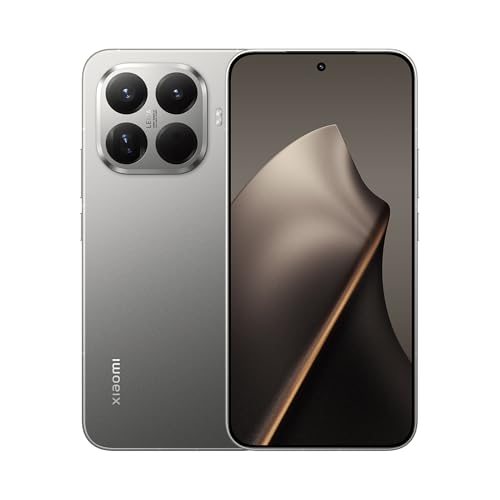
Xiaomi 15T Pro (12GB + 512GB) review. Compare 197 technical specifications and user reviews to see how this product ranks in the Smartphones category and whether it is worth buying.
Overall score
What it is: An overall evaluation of the smartphone's quality, based on technical analyses and user reviews.
When it matters: When you need a quick reference to identify the best smartphones on the market.
Score components:
90.0%
Technical Score
10.0%
User score
Technical Score
What it is: An assessment of the smartphone's technical performance, covering eight key areas: performance & hardware, software, camera, connectivity, display, battery, audio, and design.
When it matters: When you want to compare smartphones based on technical performance and available features.
Score components:
25.0%
Performance & Hardware
18.0%
Camera
15.0%
Display
15.0%
Battery
10.0%
Software
10.0%
Connectivity
4.0%
Audio
3.0%
Design
User score
What it is: A rating that combines user reviews and the total number of reviews received by the smartphone
When it matters: When you want to know how a smartphone handles daily tasks and how reliable it remains over time according to user feedback.
Score components:
70.0%
User reviews
30.0%
Popularity

Available: ranking among products currently available (including other versions of this product).
All: ranking among all products in the database.
#2 in Best Xiaomi Phones
#3 in Best 7-Inch Smartphones
#8 in Best Smartphones
#8 in Best Android Smartphones
#8 in Best 5G Smartphones
#8 in Best NFC Smartphones
#8 in Best AI Smartphones
#8 in Best Chinese Smartphones
#15 in Best Value Smartphones
#27 in Best Camera Smartphones
#309 in Best Battery Life Smartphones
What it is: An assessment of the smartphone's technical performance, covering eight key areas: performance & hardware, software, camera, connectivity, display, battery, audio, and design.
When it matters: When you want to compare smartphones based on technical performance and available features.
Score components:
25.0%
Performance & Hardware
18.0%
Camera
15.0%
Display
15.0%
Battery
10.0%
Software
10.0%
Connectivity
4.0%
Audio
3.0%
Design
What it is: A rating that combines user reviews and the total number of reviews received by the smartphone
When it matters: When you want to know how a smartphone handles daily tasks and how reliable it remains over time according to user feedback.
Score components:
70.0%
User reviews
30.0%
Popularity
What it is: An indicator that combines the smartphone's overall rating with its cost.
When it matters: When you are looking for a smartphone with a good balance between quality and price.
Score components:
60.0%
Overall score
40.0%
Price
Importance: LOW
Importance: HIGH
Importance: HIGH
Good value: >12 GB
Importance: MEDIUM
Good value: >256 GB
Importance: MEDIUM
Good value: >3.2 GHz
Importance: LOW
Importance: MEDIUM
Good value: >1500
Importance: LOW
Good value: >4000
Importance: LOW
Good value: 8+
Importance: LOW
Importance: LOW
Good value: >950 MHz
Importance: LOW
Good value: >700
Importance: LOW
Good value: >1000
Importance: LOW
Good value: >2500
Importance: MEDIUM
Good value: >6000
Importance: LOW
Good value: >8000
Importance: MEDIUM
Good value: >12000
Importance: LOW
Good value: >5000
Importance: LOW
Good value: >1800
Importance: LOW
Good value: >3200 MHz
Importance: LOW
Good value: 5
Importance: LOW
Good value: > 50 GB/s
Importance: LOW
Good value: 4
Importance: LOW
Good value: >16 GB
Importance: MEDIUM
Good value: <6 nm
Importance: MEDIUM
Good value: >9 W
Importance: LOW
Importance: LOW
Good value: >8192 KB
Importance: LOW
Good value: >2048 KB
Importance: LOW
Good value: >512 KB
Importance: LOW
Good value: >100000 million
Importance: LOW
Good value: 3.3
Importance: LOW
Good value: 3.2
Importance: LOW
Good value: 2.0/3.0
Importance: LOW
Importance: LOW
Importance: LOW
Importance: MEDIUM
Importance: LOW
Importance: LOW
Importance: LOW
Importance: LOW
Importance: LOW
Importance: LOW
Importance: LOW
Importance: LOW
Importance: LOW
Importance: LOW
Importance: LOW
Importance: LOW
Importance: LOW
Importance: LOW
Importance: LOW
Importance: LOW
Importance: LOW
Importance: LOW
Importance: LOW
Importance: LOW
Importance: LOW
Importance: LOW
Importance: LOW
Importance: LOW
Importance: LOW
Importance: LOW
Importance: LOW
Importance: LOW
Importance: LOW
Importance: LOW
Importance: LOW
Importance: LOW
Importance: LOW
Importance: MEDIUM
Good value: >50 MP
Importance: MEDIUM
Importance: HIGH
Good value: >60
Importance: LOW
Good value: ≥1.2 µm
Importance: MEDIUM
Good value: >2.5x
Importance: MEDIUM
Importance: LOW
Importance: LOW
Importance: LOW
Importance: LOW
Good value: ≥2
Importance: LOW
Importance: LOW
Importance: LOW
Importance: LOW
Good value: >16 MP
Importance: LOW
Importance: LOW
Importance: LOW
Importance: LOW
Importance: MEDIUM
Importance: LOW
Importance: LOW
Importance: LOW
Importance: LOW
Importance: LOW
Importance: LOW
Importance: LOW
Importance: LOW
Importance: LOW
Importance: LOW
Importance: LOW
Importance: LOW
Importance: LOW
Importance: LOW
Importance: LOW
Importance: LOW
Importance: LOW
Importance: LOW
Importance: LOW
Importance: LOW
Importance: LOW
Good value: >130
Importance: LOW
Good value: >120
Importance: LOW
Good value: ≥2
Importance: LOW
Importance: LOW
Importance: LOW
Importance: LOW
Importance: LOW
Importance: LOW
Good value: >5.2
Importance: LOW
Importance: LOW
Importance: LOW
Importance: LOW
Good value: 3.1/3.2
Importance: LOW
Importance: LOW
Importance: LOW
Good value: ≥2
Importance: LOW
Importance: LOW
Importance: LOW
Importance: LOW
Importance: LOW
Importance: LOW
Importance: LOW
Importance: LOW
Importance: LOW
Importance: LOW
Importance: LOW
Importance: LOW
Importance: LOW
Importance: LOW
Importance: LOW
Importance: LOW
Good value: ≥6.6 inches
Importance: MEDIUM
Importance: LOW
Good value: >400 ppi
Importance: MEDIUM
Importance: MEDIUM
Good value: ≥120 Hz
Importance: LOW
Importance: LOW
Good value: >300 Hz
Importance: LOW
Good value: >800 nits
Importance: LOW
Good value: >1300 nits
Importance: LOW
Good value: >1000 nits
Importance: LOW
Importance: LOW
Importance: LOW
Importance: LOW
Importance: LOW
Importance: LOW
Importance: LOW
Importance: LOW
Importance: HIGH
Good value: >5000 mAh
Importance: MEDIUM
Good value: >60 W
Importance: LOW
Importance: LOW
Good value: <45 min
Importance: LOW
Importance: LOW
Good value: >40 W
Importance: LOW
Importance: LOW
Good value: >10 W
Importance: LOW
Importance: LOW
Importance: MEDIUM
Importance: LOW
Good value: >800
Importance: LOW
Importance: LOW
Importance: LOW
Importance: LOW
Importance: LOW
Good value: ≥3
Importance: LOW
Importance: LOW
Importance: LOW
Importance: LOW
Importance: LOW
Importance: LOW
Importance: LOW
Good value: <162 mm
Importance: LOW
Good value: <75 mm
Importance: LOW
Good value: <8 mm
Importance: LOW
Good value: <190 g
Importance: LOW
Good value: <98cm³
Importance: LOW
Importance: LOW
Importance: LOW
Importance: LOW
Importance: LOW
Importance: LOW
Good value: ≥1.5 m
Importance: LOW
Importance: LOW
Good value: >8
Importance: LOW
Importance: LOW
Importance: MEDIUM
Good value: >2.5x
Importance: MEDIUM
Importance: MEDIUM
Good value: <6 nm
Importance: MEDIUM
Good value: >60 W
Importance: MEDIUM
Good value: >3.2 GHz
Importance: LOW
Importance: MEDIUM
Good value: >256 GB
Importance: MEDIUM
Good value: >1500
Importance: LOW
Importance: LOW
Importance: LOW
Good value: >16 GB
Importance: LOW
Good value: <190 g
Importance: LOW
Good value: <75 mm
(Reviews last updated: August 2026)
(Reviews last updated: August 2026)
(Reviews last updated: August 2026)
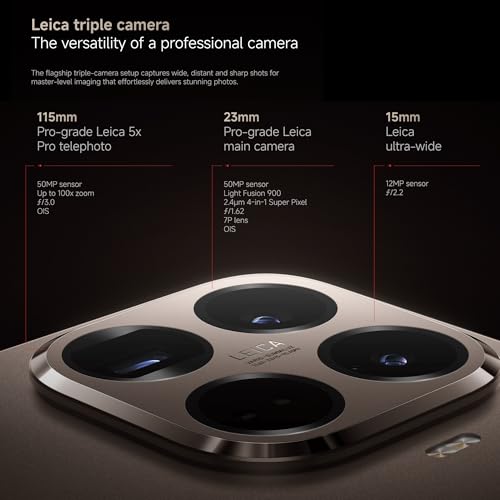
The Xiaomi 15T Pro achieved a 149 DXOMARK camera score, excelling in the premium segment with accurate target exposure, fast autofocus, and balanced texture/noise in bright conditions. The device features a versatile triple-camera setup, including a 50MP main sensor and 5x periscope lens. However, the device struggles in challenging light, specifically showing low contrast and unnatural skin tones in backlit scenes. Furthermore, low-light photography suffers from orange white balance casts and increased noise at higher zoom levels. For video, the 15T Pro provides robust performance with effective autofocus, though it lacks stability in changing light and produces color casts in low-light, according to DXOMARK.
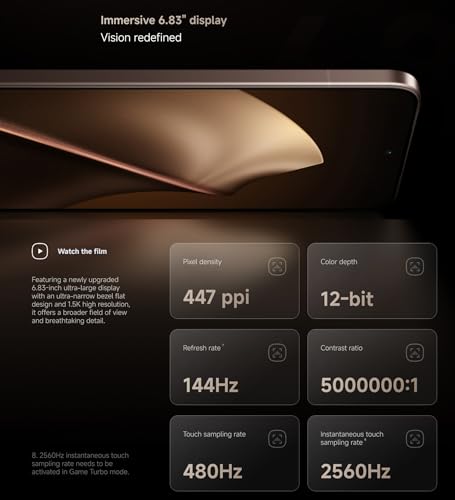
The Creative Bloq review highlights the Xiaomi 15T Pro as a "mighty appealing" high-performance device that brings Leica-tuned camera technology to a more accessible price point. Key pros include a 50MP main sensor with an f/1.6 aperture and a new 5x optical telephoto lens (115mm equivalent) that delivers vivid images, alongside a "beastly" night mode. The device also features a 6.83-inch 144Hz AMOLED display, the MediaTek Dimensity 9400+ chipset, improved IP68 water resistance, and a long-lasting 5,500mAh battery. Despite these strengths, the review notes the 12MP ultrawide camera is a "weak spot" lacking the detail of the main sensors. Other cons include HyperOS feeling less refined than competitors and the absence of a bundled charger in some regions. The design is premium, featuring a fiberglass back, though the color options are described as duller than those of high-end rivals.
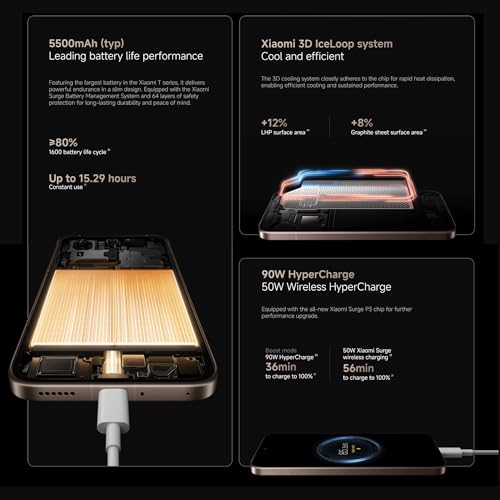
The Xiaomi 15T Pro is described as a high-value "flagship killer" featuring a premium design with a matte aluminum frame, a vibrant 6.83-inch 144Hz AMOLED display, and a 5,500mAh battery supporting 90W wired charging. Performance is driven by the MediaTek Dimensity 9400+ chipset, while the Leica-engineered camera system, particularly the new 5x periscope lens, delivers strong photographic results. However, the device is hindered by significant pre-installed bloatware in HyperOS, a lackluster ultrawide camera, and a display that lacks power-efficient LTPO technology.
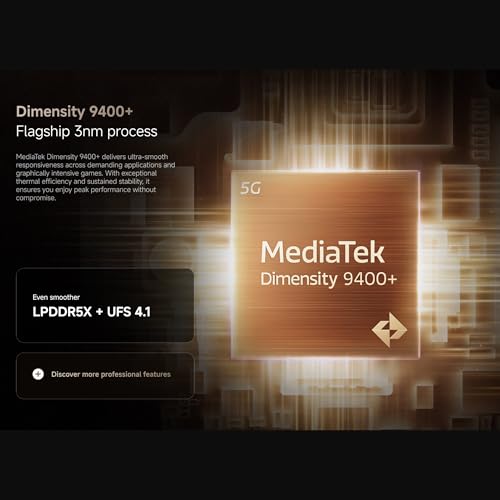
The Xiaomi 15T Pro is positioned as a high-performance "flagship killer," featuring a refined, IP68-rated design with a flat glass fiber back and a 6.83-inch AMOLED screen reaching 3,200 nits peak brightness. Powered by the MediaTek Dimensity 9400+ chipset with 12GB of RAM, it delivers superior, sustained performance, although real-world battery longevity is only average despite the large 5,500mAh cell. While the Leica-engineered 50MP main and 5x periscope telephoto sensors are highlights, the underwhelming ultra-wide lens, along with software bloatware and the omission of a charger, are notable downsides.
Digital Camera World's review highlights the Xiaomi 15T Pro as a strong mid-range contender, particularly praising its Leica-tuned triple camera system, solid low-light main sensor performance, and "premium-feeling" build quality as pros. However, the ultrawide camera's performance in low light, the display's lack of LTPO technology, the presence of bloatware, and shorter software support are noted cons. The phone features a powerful MediaTek Dimensity 9400+ chipset and a bright 6.83-inch AMOLED 144Hz display, alongside a 5,500mAh battery with 90W wired and 50W wireless charging, although a charger is not included in the box.
According to a Gizchina review, the Xiaomi 15T Pro is presented as a balanced flagship alternative with a sturdy build and a notable 6.83-inch AMOLED display featuring a 144Hz refresh rate and 3,200 nits peak brightness. Key advantages include strong performance from the MediaTek Dimensity 9400+ chip, a Leica-engineered camera system with a new 50MP 5x optical zoom telephoto lens, and a 5,500mAh battery offering up to two days of light use with 90W wired and 50W wireless charging. Criticisms mention a slight downgrade in peak charging speed, the lack of an included charger, an underwhelming ultrawide camera, low-light shutter lag, potential HyperOS bloatware, and awkward IR blaster placement.
The Xiaomi 15T Pro is reviewed as a high-end "sub-flagship" offering features like a bright 6.83-inch AMOLED display and a powerful MediaTek Dimensity 9400+ chipset that surpassed the S25 Ultra in GPU benchmarks, alongside six years of OS updates. However, the device has notable drawbacks, including a weak 12MP ultra-wide camera lens, an inability to switch lenses while recording 4K 60fps video, and the exclusion of the 90W charger from the box.
The Xiaomi 15T Pro is presented as a "flagship killer" featuring a 6.83-inch 144Hz AMOLED display, a MediaTek Dimensity 9400+ chipset, and an IP68 rating. Its strengths include a Leica-tuned camera system with a 5x periscope telephoto lens, a long-lasting 5,500mAh battery, and 90W wired and 50W wireless charging. However, the review notes weaknesses in the 12MP ultra-wide and selfie cameras, includes criticisms of bloatware in HyperOS 2, the absence of a 90W charger in the box, and the placement of the fingerprint scanner.
According to a Mashable review, the Xiaomi 15T Pro offers flagship performance with features like a 144Hz AMOLED display, a powerful MediaTek Dimensity 9400+ chipset, Leica-tuned cameras with 5x optical zoom, and a two-day battery life with fast charging capabilities. However, the device's HyperOS interface may feel cluttered, and its release timing is awkward due to the immediate launch of the next-generation Xiaomi 17 series.
According to a Photobohemian review, the Xiaomi 15T Pro is considered a "finely tuned" upper mid-range phone with camera performance that justifies its "Pro" status, largely due to a significant telephoto lens upgrade. The device is noted for delivering stable, high-quality photos across various shooting conditions, with improved Leica Vibrant color processing that appears natural and punchy. Key pros include a versatile 5x telephoto lens, a reliable main sensor, a refined portrait mode with natural focal lengths, and enhanced video capabilities including 4K at 120fps and HDR10+. However, the review identifies cons such as a weak ultra-wide sensor, stagnant main sensor hardware (relying on software improvements), software defaults that disable high-end features, and occasional dynamic range issues in high-contrast scenes.
The Xiaomi 15T Pro is a high-performance "flagship killer" featuring a 6.83-inch, 144Hz AMOLED display with over 3,000 nits peak brightness, powered by the MediaTek Dimensity 9400+ chipset. The device boasts a premium, IP68-rated design and strong Leica-collaborated camera system, including a 5x periscope lens and 4K 120fps video capability. While offering a robust 5,500mAh battery with 90W charging, downsides include the lack of an LTPO panel for the display, heavy software bloatware, and slow USB 2.0 transfer speeds.
The Xiaomi 15T Pro presents a compelling "flagship killer" option, featuring a Leica-tuned camera system with a new 50MP periscope lens and 4K/120fps recording capabilities. The device boasts a 6.83-inch, 144Hz AMOLED display with 3200 nits peak brightness and is powered by the high-performance MediaTek Dimensity 9400+ chipset. Additionally, it offers robust battery life, 90W charging, and an IP68 rating, though it faces criticism for pre-installed software, an underwhelming ultra-wide lens, and a slow USB 2.0 port.
The Xiaomi 15T Pro brings flagship-level hardware to a more accessible price point, featuring a 6.83-inch 144Hz display, the MediaTek Dimensity 9400+ chipset, and a significantly upgraded 5x Leica telephoto lens. Key strengths include exceptional battery life from a 5,500 mAh cell, fast 90W/50W charging, and improved durability, though wired charging has slightly decreased from the previous generation. However, the device is held back by a lackluster HyperOS interface, a weak 12MP ultra-wide camera, and a selfie camera that lacks autofocus.
The Xiaomi 15T Pro is positioned as a high-value, feature-rich smartphone that introduces a significantly improved 5x periscope telephoto camera and a larger 6.83-inch AMOLED display. While offering powerful performance via the MediaTek Dimensity 9400+ and better durability with Gorilla Glass 7i, the device experiences a reduction in peak brightness and a decrease in wired charging speed to 90W. Overall, the device maintains the T-series reputation for offering top-tier specs at a competitive price, with the improved telephoto camera being a major highlight.
The Xiaomi 15T Pro is reviewed as a high-end "flagship killer" offering top-tier performance, a robust 6.83-inch 144Hz AMOLED display with 3,200 nits peak brightness, and a durable design. Its Leica-engineered camera system is a highlight, featuring a 50MP main sensor and a new 5x periscope telephoto lens that delivers excellent portrait and zoom results. Performance is driven by the MediaTek Dimensity 9400+ chipset and a 5,500mAh battery supporting 90W charging, though the 12MP ultra-wide camera is criticized for weak low-light performance. The review notes cons including pre-installed bloatware, lack of a charger in some regions, and restrictions on changing lenses while shooting 4K/60fps video.
The Xiaomi 15T delivers a high-end experience at a €649 starting price, featuring a bright 6.83-inch 120Hz AMOLED display and the MediaTek Dimensity 8400 Ultra chipset. Notable features include "Xiaomi Astral Communication" for offline calling up to 1.3km and a solid 3D IceLoop cooling system for consistent performance. The camera system boasts a 50MP Leica-branded main sensor and 2x telephoto lens, producing detailed images and strong low-light performance, though it represents only a minor upgrade over previous models. Battery life is reliable, driven by a 5,500 mAh cell with 67W fast charging. Key drawbacks include a plastic frame, the absence of wireless charging, and bloatware in the HyperOS 2 software. While it offers strong performance for its price, it faces intense competition from alternatives like the Google Pixel 9a.
The Xiaomi 15T and 15T Pro offer high-performance flagship features, including a 6.83-inch 1.5K CrystalRes AMOLED display with 3,200 nits brightness and IP68 water resistance. While the 15T features a MediaTek Dimensity 8400 Ultra, the Pro boasts the faster Dimensity 9400+ chip, with both supporting large batteries and rapid charging. Key pros include excellent screen quality, strong performance, and new "Offline Communication" capabilities. Camera systems, co-developed with Leica, are a major selling point, with both models utilizing a 50MP main sensor for detailed, natural images. The 15T Pro excels with a 5x periscope lens and superior video capabilities (8K/30fps), while the standard 15T offers a more basic 2x zoom. A common drawback is the underwhelming 12MP ultra-wide camera, which lags in sharpness.
The Xiaomi 15T Pro is positioned as a "flagship killer" offering premium performance, featuring a 6.83-inch 144Hz AMOLED display with 3,200 nits peak brightness, an IP68-rated design, and a 5,500mAh battery supporting 90W wired/50W wireless charging. Performance is driven by the MediaTek Dimensity 9400+ chipset, while the Leica-engineered camera system includes a capable 5x periscope telephoto lens and 4K 120fps video recording. However, the device faces limitations with a lackluster 12MP ultrawide camera, excessive bloatware in the HyperOS interface, and the absence of a charger in the box.
The Root-Nation review identifies the Xiaomi 15T Pro as a "flagship killer" balancing premium performance with mid-range pricing, driven by the MediaTek Dimensity 9400+ chipset and a 6.83-inch 144Hz AMOLED display with 3,200 nits peak brightness. Pros include exceptionally smooth operation, a bright display, and a Leica-tuned camera system featuring a 5x optical periscope lens for high-quality, versatile photography. However, cons noted include a lower-quality 12MP ultra-wide lens, a sometimes laggy camera app, and the absence of a charger in the box despite supporting 90W/50W charging. The 5,500mAh battery delivers excellent two-day battery life, though the design is considered functional rather than flashy.
The Xiaomi 15T Pro serves as a high-performance "flagship killer" featuring a 5x periscope telephoto lens (115mm equivalent) that delivers excellent detail, sharp portraits, and Leica-tuned color accuracy. The device boasts a 6.83-inch, 3,200-nit AMOLED display and is powered by the MediaTek Dimensity 9400+ chipset, with a 5,500mAh battery supporting 90W wired charging. While highlighted for its 4K/120fps video capabilities and robust build, the phone's drawbacks include a weak 12MP ultra-wide camera, a slow USB 2.0 port, and significant pre-installed bloatware.
Andrea Galeazzi defines the Xiaomi 15T Pro as a versatile, high-performance device, featuring a premium build with a fiberglass back and a 6.83-inch, 144Hz AMOLED display capable of 3,200 nits peak brightness. Powered by the MediaTek Dimensity 9400+ chipset and a 5,500 mAh battery with rapid charging, the phone delivers strong performance alongside a new offline communication feature in HyperOS. While praised for its overall reliability and camera capabilities, the 210g device is noted for its large size and a slight yellowish color cast in some photos.
The Xiaomi 15T Pro acts as a "flagship killer," combining a premium design—featuring a flat glass back, aluminum frame, and IP68 rating—with a competitive price point. Powered by the MediaTek Dimensity 9400+ chipset, the device delivers high-end performance, complemented by a 6.83-inch, 144Hz AMOLED display capable of 3,200 nits peak brightness. While the 5,500 mAh battery offers excellent longevity with 90W wired and 50W wireless charging, the exclusion of a charger in the box is a noted drawback. Co-engineered with Leica, the camera system is a highlight, specifically the new 50-megapixel periscope lens with 5x optical zoom that delivers sharp, detailed photos. However, the 12-megapixel ultra-wide camera represents a weakness, lacking the high detail and autofocus capabilities of the main sensor. Furthermore, user experience is impacted by bloatware within the HyperOS interface and a software support lifecycle that lags behind key competitors.
The Xiaomi 14T Pro delivers high-end performance with its MediaTek Dimensity 9300+ chipset and a 144Hz AMOLED display, positioning it as a strong "flagship killer" for gaming and multitasking. Its Leica-engineered camera system produces sharp, vibrant images, though the device lacks consistent detail across its ultra-wide and telephoto lenses, and the 120W charging system notably omits an in-box brick. While featuring solid battery life and a premium feel, the device is hindered by bloatware within its HyperOS, yet it presents excellent value for its price point.
The Tweakers.net review highlights the Xiaomi 15T and 15T Pro as high-performance "sub-toppers" featuring improved software, a 3,200-nit display, and an innovative "Offline Communication" feature. The Pro model stands out with a MediaTek Dimensity 9400+ chipset, superior Leica-tuned cameras including a 5x periscope lens, and faster charging, though it is heavy and has limited USB speeds. Conversely, the standard 15T offers a more affordable, lighter alternative with a plastic frame, no wireless charging, and potential thermal throttling under heavy load, but maintains excellent performance. Overall, both models are recommended for their improved longevity with 4 years of Android updates and 6 years of security patches.
The Xiaomi 15T Pro presents a high-performance "flagship killer" experience, featuring a 6.83-inch, 144Hz AMOLED display with 3,200 nits peak brightness, an IP68-rated aluminum design, and the powerful MediaTek Dimensity 9400+ chipset. Notable pros include a long-lasting 5,500 mAh battery, 50W wireless charging support, and a Leica-engineered camera system that delivers, with the 5x periscope lens providing high-quality, detailed photography. Cons noted in the review include a slight downgrade in wired charging to 90W, the use of Gorilla Glass 7i instead of Victus 2, lack of an LTPO panel, and a weaker 12MP ultrawide camera, along with a 5-year software update policy that trails competitors.
Here is a 3-paragraph summary of Mike Peek’s review for Android Planet: The Xiaomi 15T Pro is highlighted as the standout smartphone of 2025 due to its exceptional value, retailing at €599. While it may not be the "absolute best" on the market, it offers the best price-to-quality ratio of the year. The device features a premium-feeling build and a 6.83-inch OLED display that is praised for its sharpness and high peak brightness, rivaling much more expensive competitors. Under the hood, Xiaomi opted for the MediaTek Dimensity 9400 Plus processor, which, while slightly older than the current flagship chips, remains incredibly fast and contributes to the phone's more accessible price point.

Compare