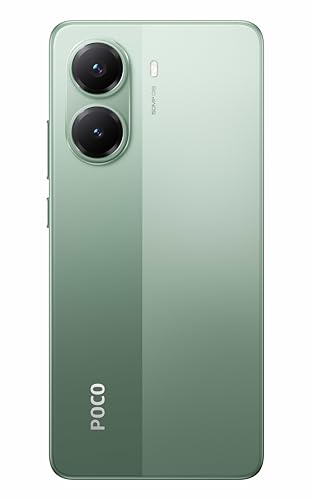
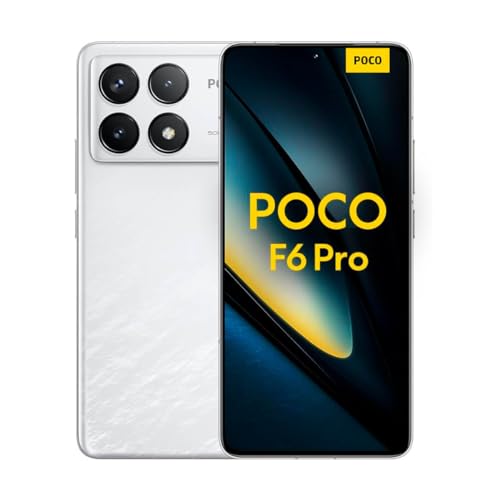
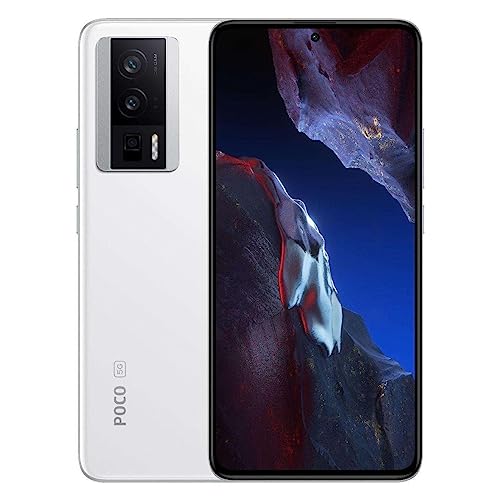
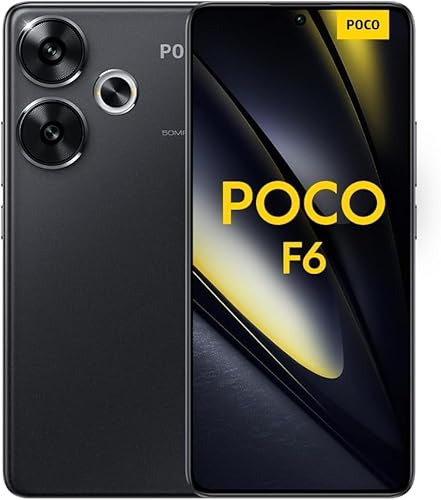
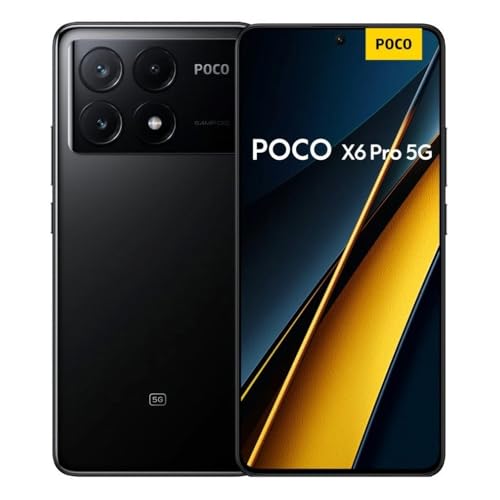
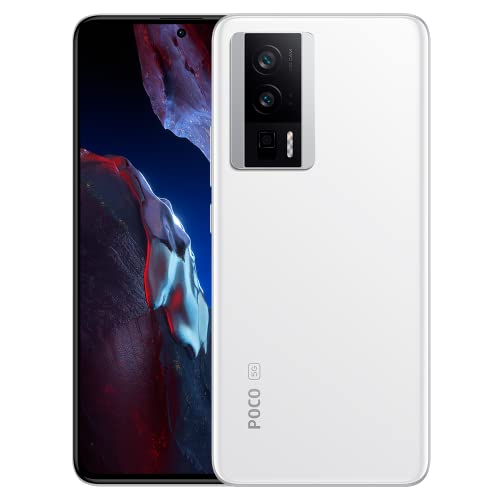
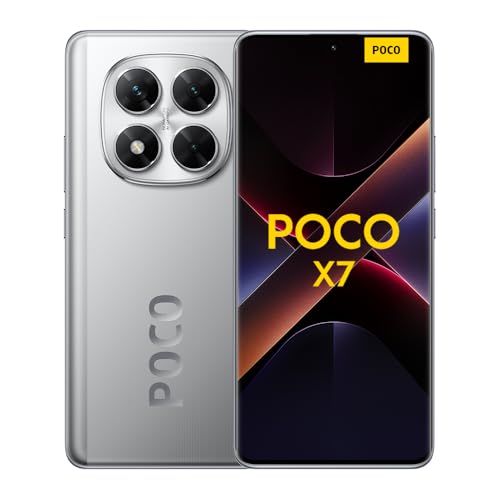
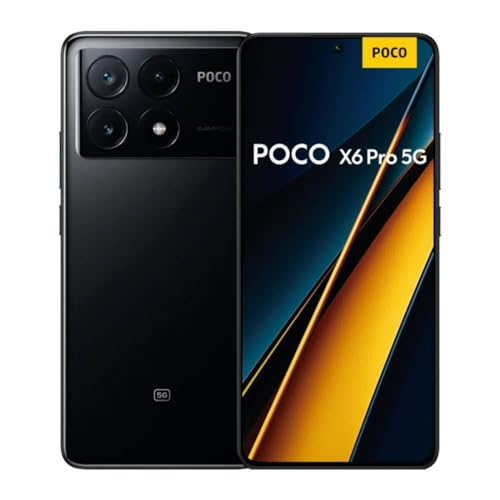
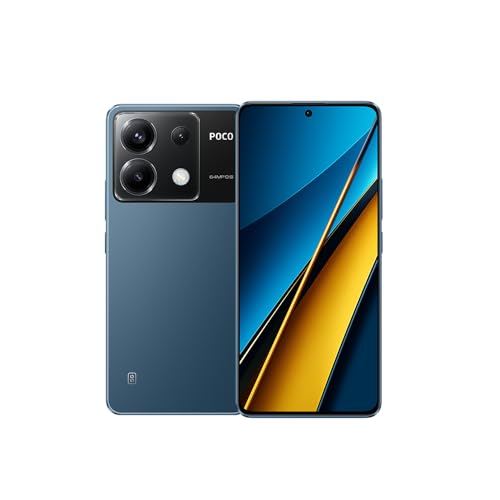
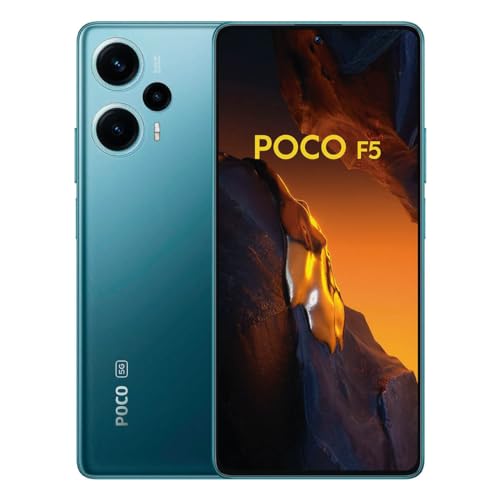
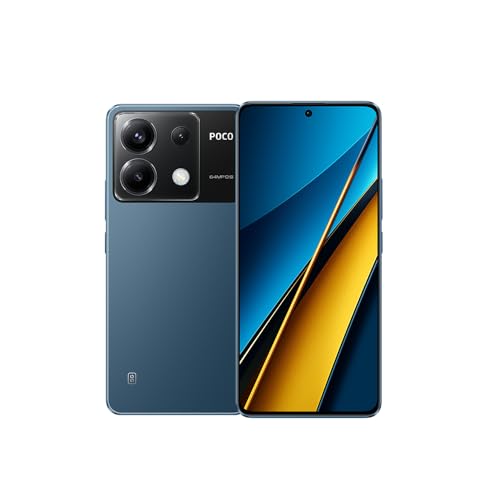
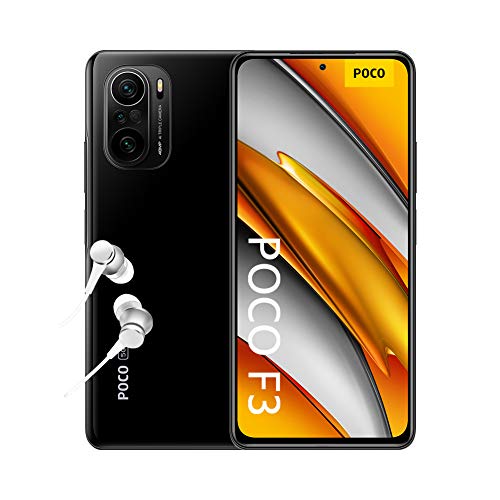
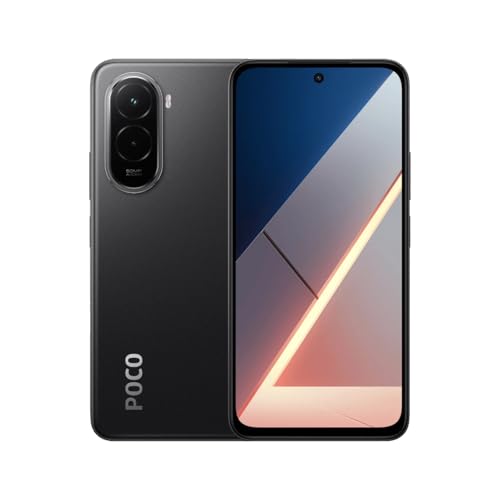
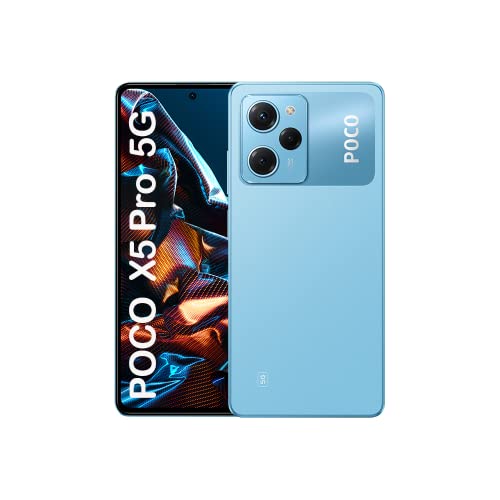
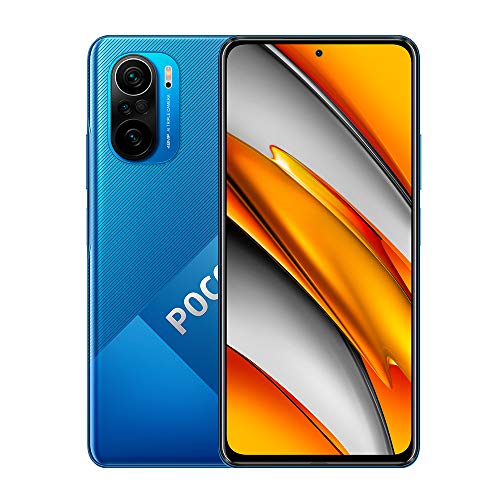
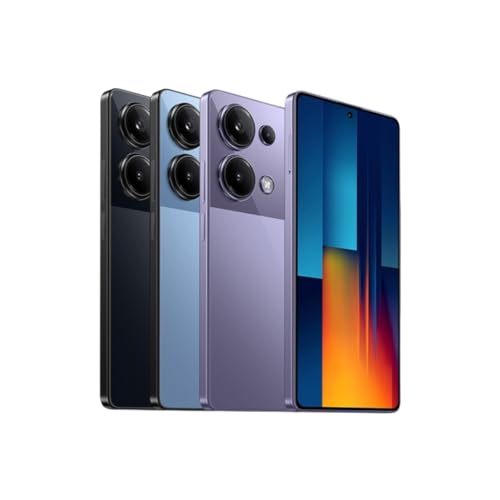
Are Poco smartphones good?
Poco smartphones have an average overall score of 8, placing them #11 among all brands, and a user rating of 9.2, which ranks them #4 in user reviews.
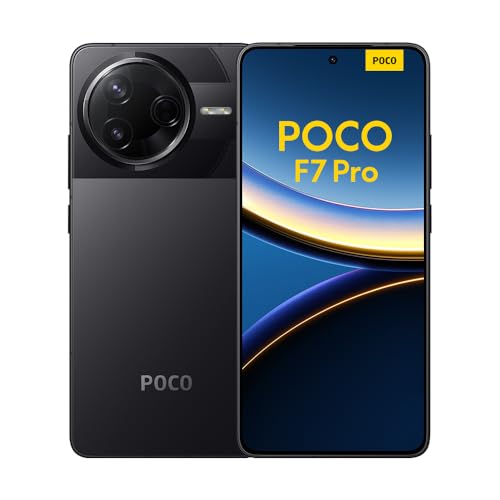
Poco smartphones—created as a Xiaomi sub-brand in 2018 and now operating independently—have earned a reputation for delivering impressive performance at accessible prices. Models like the Poco F6 and F7 Ultra showcase high-end specs: top-tier chipsets (e.g., Snapdragon 8s Gen 3, Snapdragon 8 Elite), vibrant AMOLED or 2K displays with high refresh rates, large battery capacities, and fast charging—all while undercutting traditional flagships. Reviewers consistently praise Poco’s value—highlighting blazing-fast overall performance, great gaming capability, and solid visual systems—even if software (HyperOS) and camera quality don’t quite match flagship standards.
That said, Poco devices don’t come without trade-offs. Thread discussions and professional reviews point to concerns like average camera performance, software bloat, and occasional build-design choices that feel more utilitarian than premium.
(Note: A total of 37 brands were evaluated in the comparison in the first paragraph. Only those with at least 6 smartphones in our database that were released after 2022 were included.)
The best available Poco smartphones (with the highest overall score) are as follows:
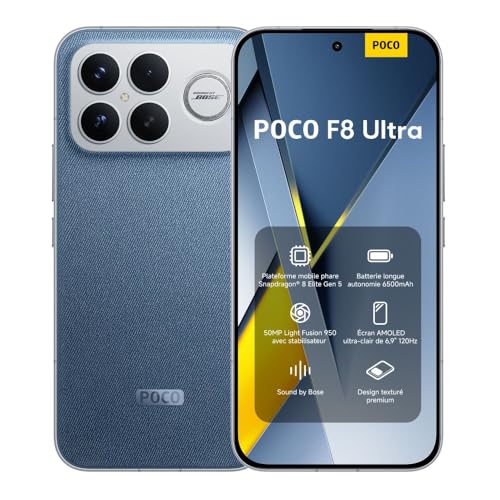
- Poco F8 Ultra (16GB + 512GB) (Overall score: 9.19)
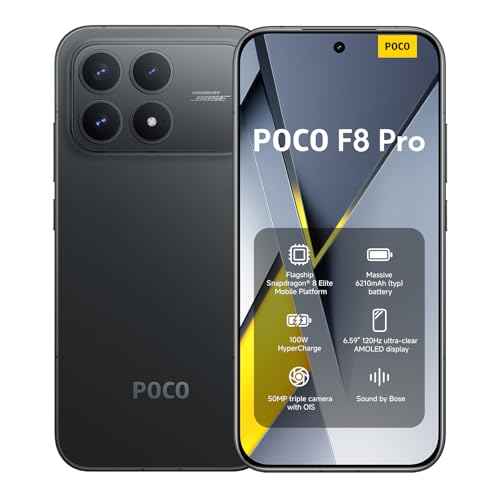
- Poco F8 Pro (12GB + 512GB) (Overall score: 8.77)
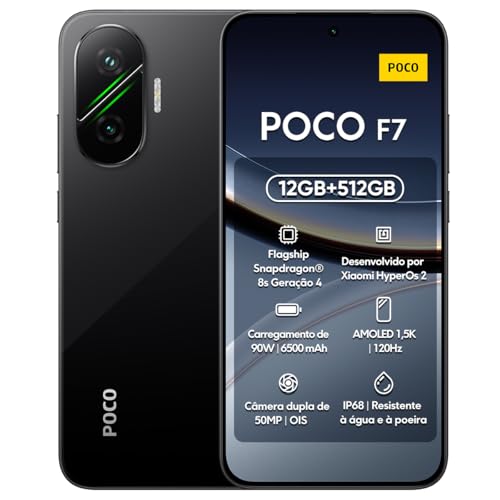
- Poco F7 (12GB + 512GB) (Overall score: 8.35)
The following chart ranks smartphone brands by their overall scores.
[horizontal-chart-14855520977915281854131920228859147337322180876303]
What are the main advantages of Poco smartphones?
The main advantages of Poco smartphones are as follows:
- Performance for price: Many Poco models use high-end Qualcomm Snapdragon processors such as the Snapdragon 8 Gen 2 or Snapdragon 870 in devices that cost under £430, so they deliver flagship-level performance at mid-range prices.
- High refresh rate displays: Most models feature 120 Hz AMOLED or LCD panels with up to 240 Hz touch sampling rate, which improves motion smoothness and touch response in gaming and everyday use.
- Large batteries with fast charging: Batteries often have 5,000 mAh capacity and support up to 120 W fast charging (full charge in about 19 minutes on top models), so usage time is long and recharging is quick.
- Advanced camera systems: Some devices include 64 MP or 108 MP main sensors with OIS and ultra-wide cameras, and certain models add macro lenses for close-up shots.
- Aggressive thermal management: Many Poco smartphones integrate liquid cooling technology (up to 3,000 mm² vapor chambers) to maintain performance in long gaming sessions.
- Expandable storage and dual SIM: Several models support microSD expansion up to 1 TB and dual SIM functionality, which increases flexibility for travel or work use.
What are the main disadvantages of Poco smartphones?
Poco smartphones have the following disadvantages:
- Software ads and bloatware: MIUI for Poco includes pre-installed apps and ads in system menus, which may require manual removal or disabling.
- Limited water resistance: Most models lack full IP68 certification and only have basic splash resistance, so they are less protected in wet environments.
- Average low-light photography: Despite high megapixel counts, night shots can show noise and reduced detail compared to flagship competitors.
- Plastic build materials: Many models use plastic frames and backs instead of metal or glass, which reduces premium feel.
- Irregular software updates: Android version upgrades can be slower than on brands like Google or Samsung, and long-term update support is shorter.
- Heavier weight: Devices often weigh over 200 g because of large batteries and cooling systems, which can reduce comfort in one-handed use.
Who makes Poco smartphones?
Poco smartphones are engineered, manufactured, and marketed under the umbrella of Xiaomi, a major Chinese electronics company. Originally launched as a sub‑brand in August 2018—first in India—Poco (initially known as "Pocophone by Xiaomi") was created to offer impressive performance and value in the mid‑range segment.
However, in recent developments in early 2025, Poco’s online operations have been absorbed back into Xiaomi’s core ecosystem. The standalone Poco website (po.co) and its regional platforms have been decommissioned and now redirect to Xiaomi’s main site, mi.com. Future per‑brand-specific content, support, and sales of Poco devices are now fully managed under Xiaomi’s broader digital and logistical infrastructure.
What are the main Poco smartphone series?
The main Poco smartphone series are as follows:
- POCO F Series: This series stands for "Flagship" and includes high-end devices with top-tier specifications and advanced camera features. The F series targets users who want flagship-level performance.
- POCO X Series: The "X" denotes "Extreme" and features a balance between powerful hardware and good value. These phones typically have strong performance, large displays, and versatile cameras, appealing to users who want high performance at competitive prices.
- POCO M Series: "M" means "Mid-range" and covers devices with solid performance and basic features at affordable prices. This series suits users who seek reliable performance without high costs.
- POCO C Series: Representing "Core," this series focuses on entry-level, budget-friendly smartphones aimed at basic functionality and affordability.
How much do Poco smartphone costs?
Poco smartphone costs vary by model and region. Entry-level models like the Poco C series cost around £85 to £130, while mid-range models such as the Poco X and M series range from £170 to £300. Premium options like the Poco F series start from about £300 and can reach £425 or more for higher storage or RAM configurations.
Poco smartphones have an average price of £240 €, ranking #19 in price among smartphone brands (from cheapest to most expensive), and an average quality-price ratio score of 8.3, placing them in position #5.
(Note: Only brands with at least 6 smartphones in our database, released after 2022, were included.)
What should you consider while choosing the best Poco smartphone?
When choosing the best Poco smartphone, you should consider the following key factors:
- Processor: The heart of any Poco smartphone determines overall performance and efficiency. Flagship models feature Snapdragon 8s Gen 3 and 8s Gen 4 processors built on 4nm manufacturing technology. These chipsets deliver clock speeds up to 3.2GHz with dedicated gaming optimizations. Budget-friendly models incorporate Dimensity 7300-Ultra and Snapdragon 870 5G processors that balance performance with power consumption.
- RAM and storage: Modern Poco devices feature LPDDR5X RAM technology for ultra-fast data access speeds. Base models typically start with 8GB RAM expandable up to 16GB through Dynamic RAM Expansion 3.0, while premium variants pack 12GB RAM expandable to 24GB. Storage options utilize UFS 4.1 technology for 11% faster read/write speeds compared to UFS 4.0 standard. Available configurations range from 128GB to 512GB with microSD expansion support up to 256GB.
- Camera system: Photography capabilities vary significantly across Poco series devices. High-end models feature 50MP main cameras with Sony IMX882 sensors and f/1.5 apertures for superior low-light performance. Advanced features include Optical Image Stabilization (OIS), floating telephoto lenses with 60mm focal length, and 32MP ultra-wide cameras with 120° field of view. Entry-level models offer competent 50MP main cameras with basic AI photography modes.
- Battery and charging: Battery capacity represents a crucial differentiator across Poco smartphones. Premium models feature massive 7,550mAh Silicon Carbon batteries that deliver 50% more capacity than standard lithium-ion cells. Mid-range devices typically pack 5,000-6,000mAh batteries with impressive longevity. Fast charging capabilities range from 45W to 120W with reverse charging support up to 22.5W for powering accessories.
- Display quality: Screen technology impacts daily user experience significantly. Flagship models feature 1.5K AMOLED displays with 120Hz refresh rates and Corning Gorilla Glass Victus protection. Premium panels support 2160Hz instant touch sampling rates for enhanced gaming responsiveness. Budget options maintain 1080p resolution with 90Hz refresh rates for smooth scrolling.