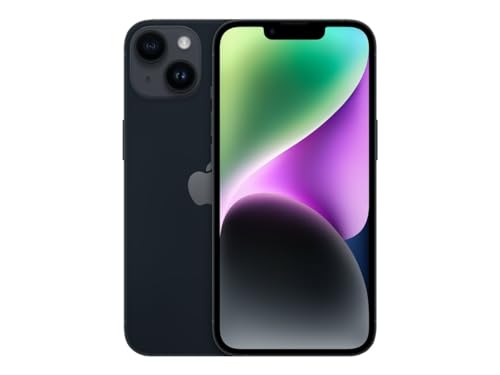
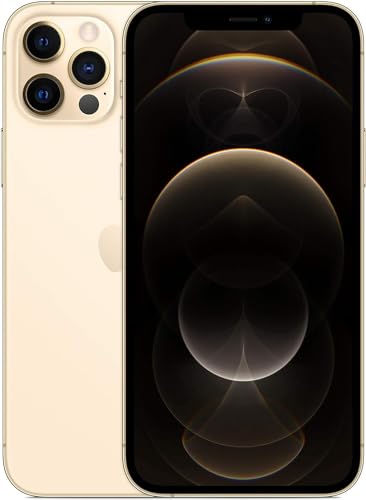
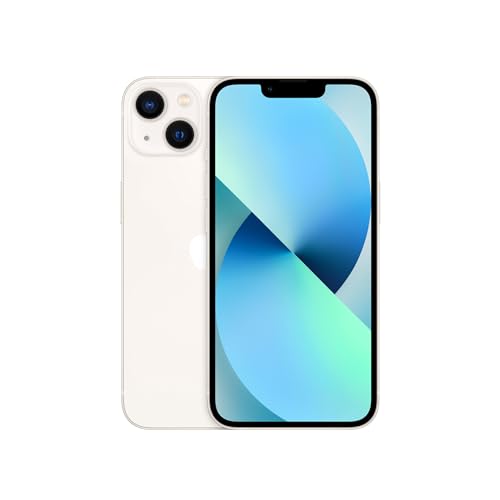
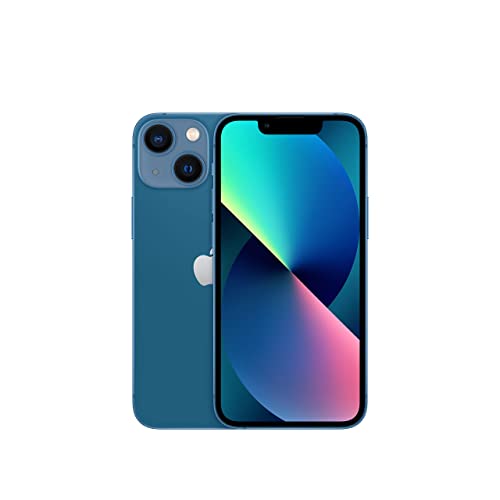
Are Apple smartphones good?
Apple smartphones have an average overall score of 8.1, ranking #7 among all smartphone brands, and a user rating of 9.2, placing them at #3 based on user reviews.
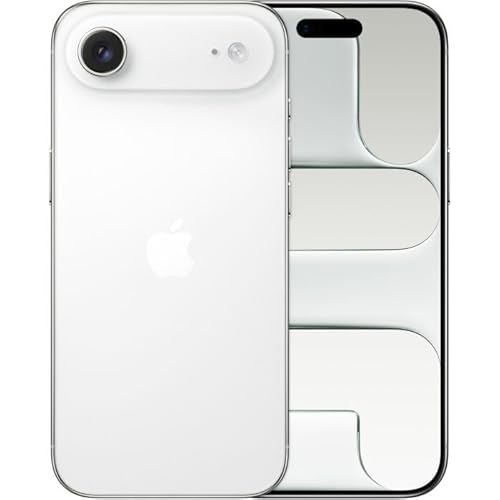
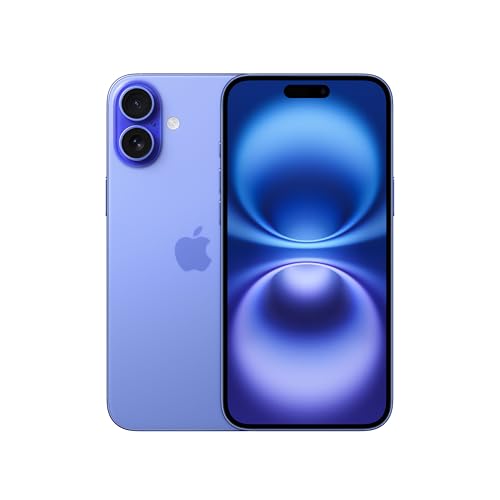
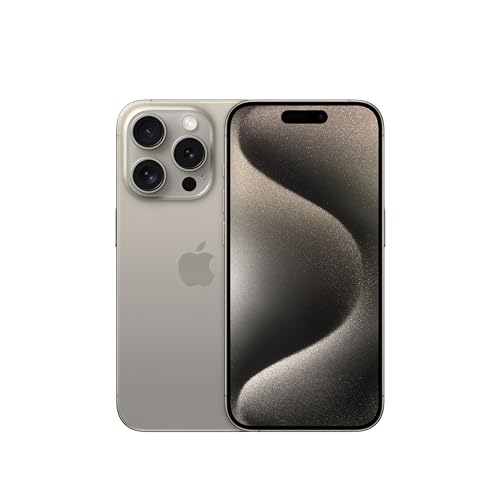
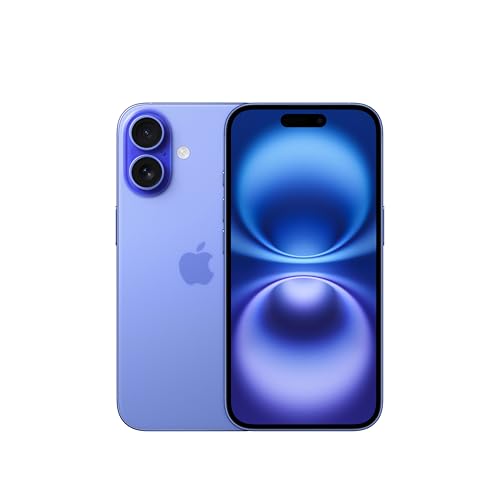
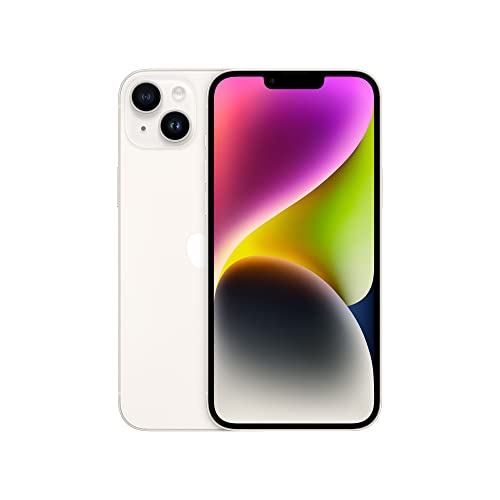
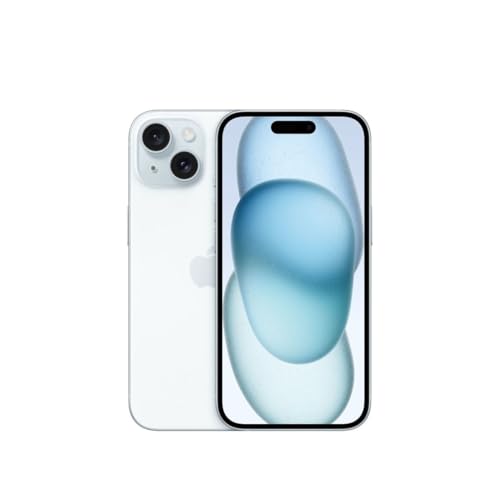
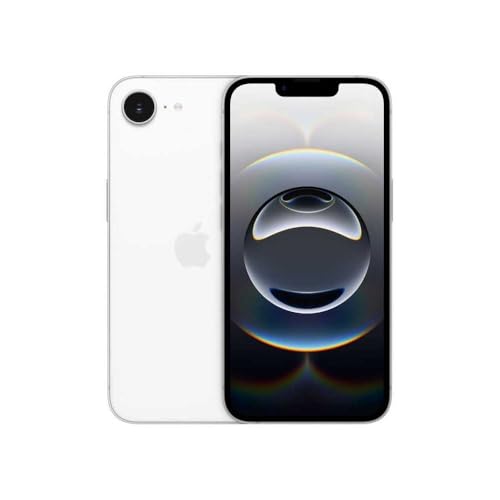
Apple smartphones stand out for their performance, long-term software support, and strong build quality. Models like the iPhone 16 and 16 Pro Max use powerful A18 chips, which deliver fast performance and efficient power use. Apple typically supports its devices with iOS updates for many years, so you can keep your phone longer without losing access to the latest features. The cameras on Pro models include advanced zoom, LiDAR, and high-quality video recording, while even more affordable options like the iPhone 16e retain a bright OLED display, the same A18 chip, and AI-powered tools under Apple Intelligence.
The main drawbacks are their high prices and relatively small year-to-year changes. Flagship models can exceed £850, which may not suit every budget, and older iPhones can still feel quite capable, so the need to upgrade may not be urgent. Privacy remains a selling point, but studies show that both iOS and Android face similar challenges with tracking and permissions.
(Note: A total of 37 brands were evaluated in the comparison in the first paragraph. Only those with at least 6 smartphones in our database that were released after 2022 were included.)
The best available Apple smartphones (with the highest overall score) are as follows:
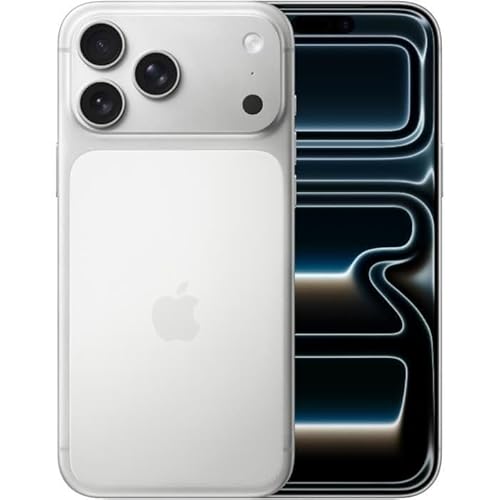
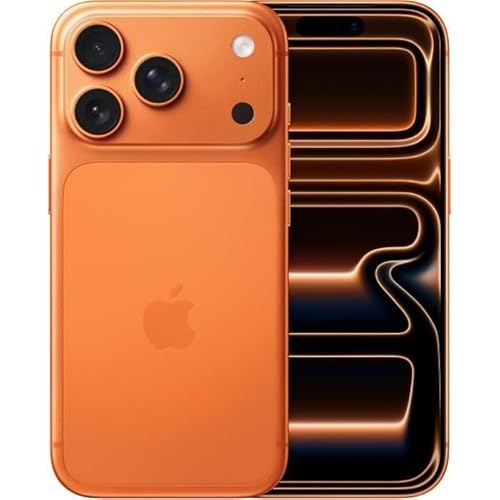
- Apple iPhone 17 Pro Max (12GB + 1TB) (Overall score: 8.6)
- Apple iPhone 17 Pro (12GB + 512GB) (Overall score: 8.44)
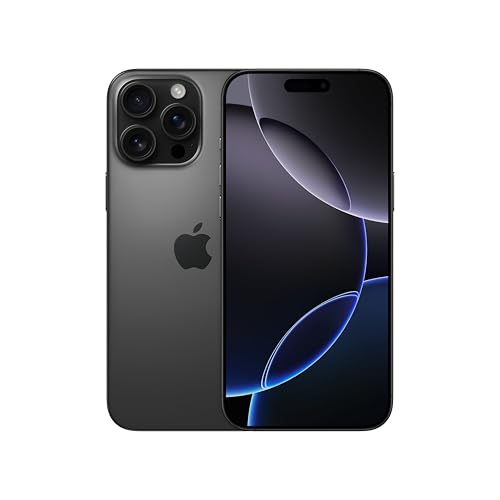
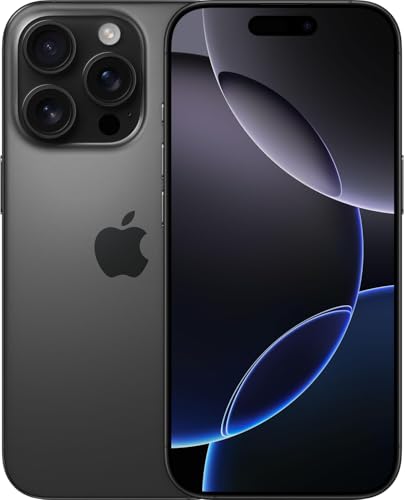
- Apple iPhone 16 Pro Max (256GB) (Overall score: 8.33)
The following chart displays smartphone brands based on their overall score.
[horizontal-chart-14855520977915281854131920228859147337322180876303]
What are the main advantages of Apple smartphones?
Apple smartphones have the following advantages:
- A18 Pro and A17 Bionic chips: The latest iPhone models use the A17 Pro or A16 Bionic chip, which have up to 6-core CPU and 5- or 6-core GPU with hardware-accelerated ray tracing, so they deliver high gaming performance and fast app response times.
- High-quality displays: iPhones use Super Retina XDR OLED screens with resolutions up to 2796×1290 pixels and peak brightness of 2000 nits outdoors, which results in sharp images and good visibility even under sunlight.
- Long software support: iOS devices receive system updates for about 5 to 6 years, which is longer than most Android smartphones, so users keep access to new features and security patches for many years.
- Advanced camera systems: Flagship models have a 48 MP main sensor with sensor-shift optical image stabilization, 12 MP ultra-wide and telephoto lenses, and advanced computational photography, which result in high-quality photos and videos in various lighting conditions.
- Strong privacy and security: iPhones use hardware-based encryption, Secure Enclave, and on-device processing for features like Face ID and Siri, which reduce the risk of data leaks.
- High resale value: Used iPhones often keep over 50% of their original price after 2 years, which is higher than most competing smartphones, so the total ownership cost is lower over time.
What are the main disadvantages of Apple smartphones?
The main disadvantages of Apple smartphones are as follows:
- High purchase cost: New iPhone models start around £800 and can exceed £1,400, which is higher than many Android flagships with similar specifications.
- Limited customization: iOS restricts home screen layouts, default apps, and file management, which reduces flexibility for advanced users.
- No expandable storage: All models use fixed internal memory from 128 GB up to 1 TB, so users cannot add storage with microSD cards.
- No charger in the box: Since 2020, Apple sells iPhones without a power adapter, so users must buy one separately if they do not already own a compatible charger.
- Slower charging compared to rivals: Wired charging is limited to about 27 W and wireless MagSafe charging to 15 W, which is slower than many Android devices that support 45 W or more.
Who makes Apple smartphones?
Apple smartphones are made by Apple Inc., an American technology company headquartered in Cupertino, California. The company designs its iPhone models in the United States and contracts manufacturing primarily to Foxconn and Pegatron, large Taiwanese firms with production facilities in China and other countries. Apple controls the hardware and software design, using its own processors, operating system, and integrated ecosystem.
Apple introduced the first iPhone in 2007 and has since released multiple generations with different sizes, features, and price ranges. While production happens mainly in China, Apple maintains strict quality control and oversees every stage from design to assembly. The iPhone remains one of the company’s most profitable products and a key driver of its global brand recognition.
What are the main Apple smartphone series?
The main Apple smartphone series include the following.
- iPhone: Apple's flagship smartphone line runs iOS and integrates phone, camera, and computing features in one device. Apple releases new models annually with upgrades in processor, display, and battery life. The latest versions are iPhone 16 and iPhone 16 Plus, announced in September 2024.
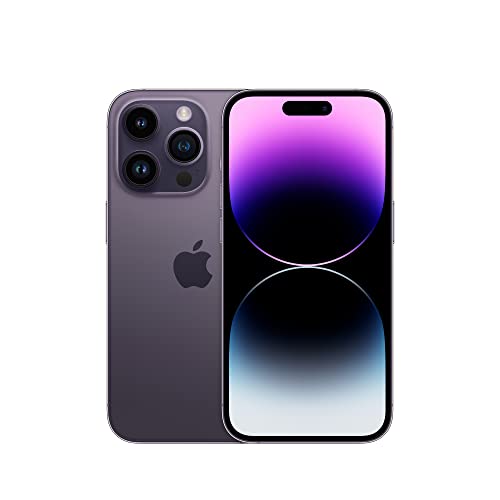
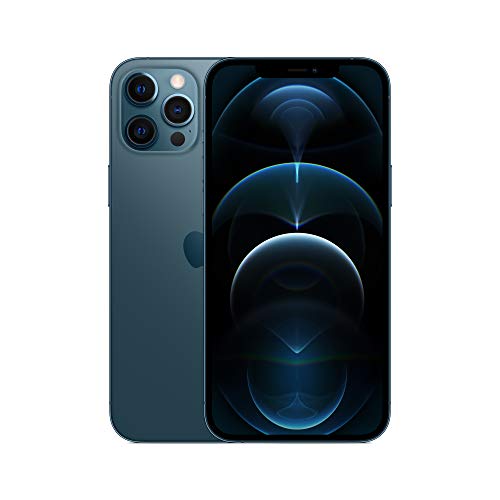
- iPhone Pro: This premium series targets advanced users with enhanced cameras, larger screens, and pro-level performance. Models feature titanium builds, high-resolution displays, and tools like LiDAR for AR tasks. Current models include iPhone 16 Pro and iPhone 16 Pro Max, released in September 2024.
- iPhone SE: The budget-friendly series uses older designs but includes modern internals for affordability. It retains Touch ID and a home button, unlike higher-end models. The third-generation iPhone SE launched in 2022 and remains supported as of 2025.
- iPhone e: This new entry-level series focuses on cost-effective options with solid battery life and core features. The iPhone 16e debuted in February 2025 with an A18 chip and 48-megapixel camera, but lacks ultra-wide lens. It replaces the SE line in Apple's lineup.
How much do Apple smartphone costs?
Apple smartphones cost from about £340 for entry-level models to over £1,700 for the most advanced versions. Prices vary by series, storage capacity, and release year, with older devices generally costing less and newer flagships priced at the top range.
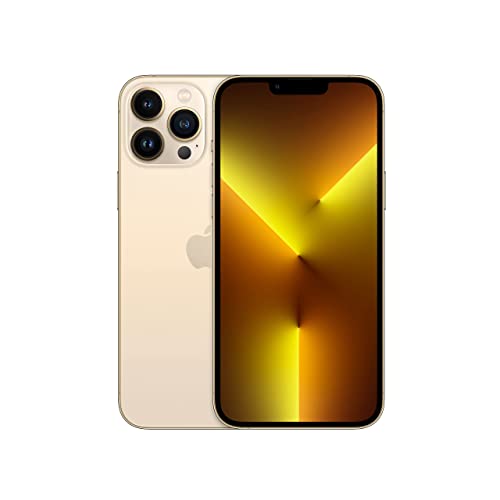
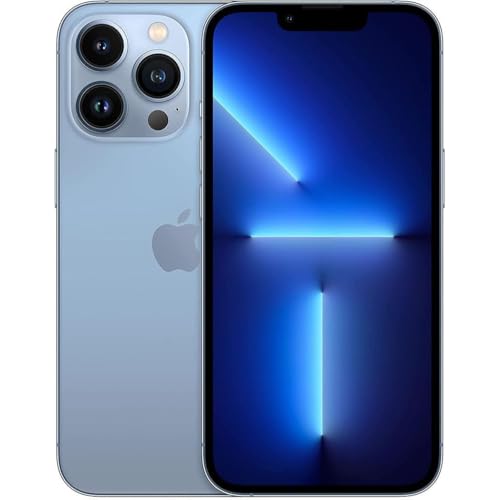
The iPhone SE series is the most affordable, with prices starting around £340 and reaching about £550 for higher storage options. The standard iPhone series (i.e. iPhone 13, 14, 15) usually starts at about £700 and can exceed £1,100 for models with large storage. The iPhone Pro series starts at roughly £1,100 and can reach £1,600 for maximum storage, while the iPhone Pro Max series has starting prices close to £1,200 and can cost over £1,700 for top specifications.
Older models in each series usually drop in price when new versions are released, so it is possible to find past-generation devices for several hundred euros less.
Apple smartphones have an average cost of £1020 €, ranking #36 in terms of price among smartphone brands (from least to most expensive), with an average quality-price ratio score of 7.3, positioning them at #29.
(Note: A total of 37 brands were evaluated in the comparison. Only those with at least 6 smartphones in our database that were released after 2022 were included.)
What should you consider while choosing the best Apple smartphone?
When you choose the best Apple smartphone for you, consider the following key factors.
- Processor: The chip determines speed and performance. The iPhone 16 series uses the A18 Bionic for standard models and A18 Pro for Pro models, delivering fast performance for gaming and multitasking. Older models like the iPhone 15 use the A17 Pro or A16 Bionic, still capable but slightly slower.
- RAM: More RAM supports smoother multitasking and app performance. The iPhone 16 and 16 Pro series have 8GB, handling heavy tasks like video editing and gaming. The iPhone 15 has 6GB, sufficient for everyday use but less future-proof.
- Storage: Storage capacity affects how many apps, photos, and videos you can store. Options range from 128GB to 1TB in the iPhone 16 series, with 256GB ideal for most users. The iPhone 16 Pro starts at 128GB, which may fill quickly for heavy media users.
- Camera: Camera quality varies by model and impacts photo and video results. The iPhone 16 Pro and Pro Max feature a triple-lens system with 48MP main, 48MP ultrawide, and 12MP 5x telephoto, excelling in low light and zoom. The iPhone 16 has a 48MP main and 12MP ultrawide, great for most scenarios but lacks telephoto.
- Battery: Battery life depends on capacity and efficiency. The iPhone 16 Pro Max offers up to 33 hours with its 4685mAh battery, ideal for heavy users. The iPhone 16e provides 26 hours, suitable for budget-conscious buyers.
- Display: Screen size and refresh rate affect viewing and interaction. The iPhone 16 Pro Max has a 6.9-inch 120Hz OLED for smooth scrolling, while the iPhone 16e uses a 6.1-inch 60Hz OLED, less fluid but vibrant.
- Software: iOS version and Apple Intelligence support matter for features. The iPhone 16 series runs iOS 18 with Apple Intelligence for AI tools like photo cleanup. The iPhone 15 supports iOS 18 but lacks Apple Intelligence, limiting future-proofing.