Are Oppo smartphones good?
Oppo smartphones have an average overall score of 8, ranking #10 among all brands, and a user rating of 8.5, which ranks them at #12 based on user feedback.
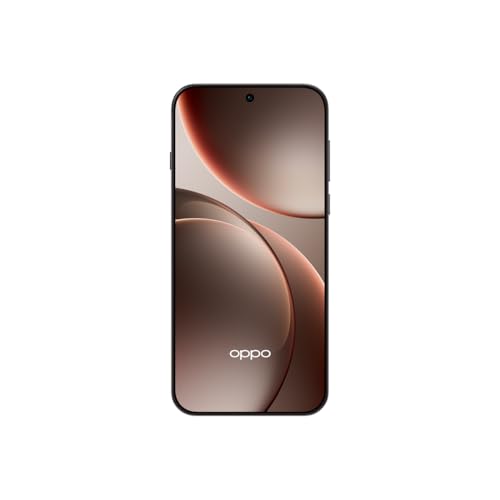
Oppo smartphones are good if you want solid performance, stylish design, and advanced camera features at competitive prices. The brand has built a strong reputation in markets worldwide because it focuses on innovative photography technology, fast charging systems, and sleek build quality. You can find models with high-resolution AMOLED displays, 5G connectivity, and processors that handle everyday tasks and gaming smoothly.
Oppo is well known for its camera systems, especially in mid-range and flagship models, which often include high-megapixel sensors, advanced night modes, and AI enhancements that improve photo quality. Battery life is another strong point, as many devices include fast charging technology that can recharge most of the battery in under an hour. Build quality feels premium, even on mid-range models, with slim profiles and attractive finishes.
(Note: A total of 37 brands were evaluated in the comparison in the first paragraph. Only those with at least 6 smartphones in our database that were released after 2022 were included.)
The best available Oppo smartphones (with the highest overall score) are as follows:
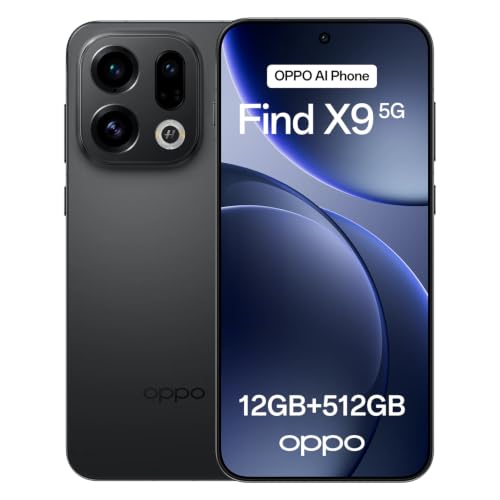
- Oppo Find X9 Pro (16GB + 512GB) (Overall score: 9.12)
- Oppo Find X9 (16GB + 512GB) (Overall score: 9.01)
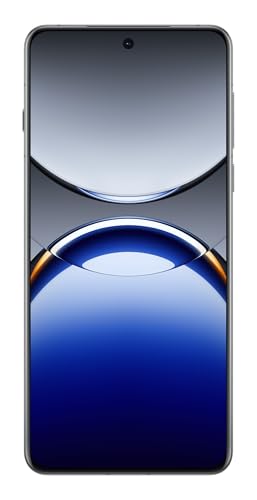
- Oppo Find X8 Pro (16GB + 512GB) (Overall score: 8.52)
What are the main advantages of Oppo smartphones?
The main advantages of Oppo smartphones are as follows:
- Fast charging speeds: Many Oppo models use 67 W to 100 W wired charging (some reach 150 W), so a 5000 mAh battery can charge from 0% to 50% in about 10 minutes and to 100% in less than 30 minutes.
- High refresh rate displays: Most mid-range and flagship Oppo phones use AMOLED panels with 120 Hz refresh rate and up to 1300 nits peak brightness, which improves fluidity and visibility under sunlight.
- Advanced camera systems: Several models include a 50 MP main sensor with optical image stabilization and a dedicated 32 MP front camera, with some flagships integrating a periscope telephoto lens for up to 5× optical zoom.
- Premium design and build: Many Oppo devices have slim profiles under 8 mm and weight under 190 g, with curved-edge glass or vegan leather finishes that improve grip and aesthetics.
- Large storage and RAM options: Models often reach 512 GB storage and 16 GB RAM, with virtual RAM expansion that adds up to 12 GB from internal memory for smoother multitasking.
- Strong performance: Flagship series like Find X use Snapdragon 8 Gen 2 or Dimensity 9200 processors, with AnTuTu scores above 1,200,000, which ensures high speed for apps and games.
What are the main disadvantages of Oppo smartphones?
Oppo smartphones have the following disadvantages:
- Limited software updates: Many mid-range Oppo phones receive only two major Android updates and security patches for about three years, which is shorter than some competitors.
- Higher prices in Europe: Similar specs can cost £45-£90 more than comparable Xiaomi or Realme models.
- No wireless charging on most models: Only a few high-end devices support it, so charging requires a cable.
- Bloatware in ColorOS: Preinstalled apps take up storage and require manual removal.
- IP rating inconsistency: Water and dust resistance certification is present only on some flagship devices, so durability in harsh conditions can vary.
- Limited availability of accessories: Original cases, screen protectors, and spare parts are harder to find in some markets compared to Samsung or Apple.
Who makes Oppo smartphones?
Oppo smartphones are produced by Guangdong Oppo Mobile Telecommunications Corp., Ltd., a Chinese consumer electronics manufacturer headquartered in Shenzhen, Guangdong — a subsidiary originally under the broader BBK Electronics umbrella. Oppo launched in 2004 and quickly became a major global smartphone brand, now often ranking among the world’s top manufacturers, with around 8–9 % of global market share and over 100 million shipments in 2023.
In 2023, BBK Electronics underwent a corporate restructuring and was officially dissolved in April of that year, with brands like Oppo, OnePlus, Realme, and Vivo becoming independent entities. So while Oppo originated under BBK Electronics, it now operates as its own independent company and continues to produce smartphones under its own brand name.
What are the main Oppo smartphone series?
The main Oppo smartphone series are as follows.
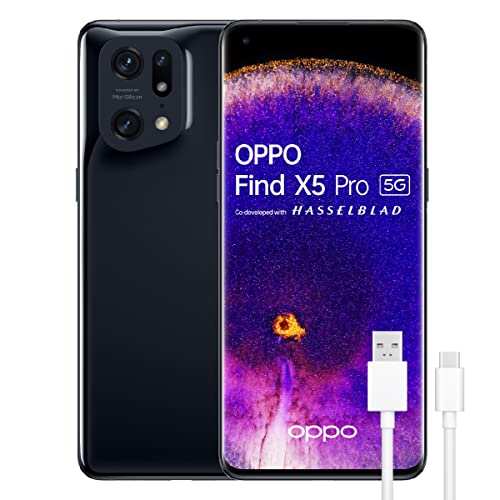
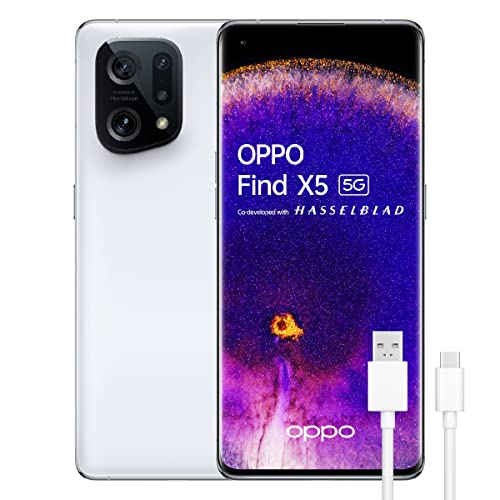
- Find series: This flagship lineup focuses on premium features and innovation, and it includes models like Find X8 Pro with advanced cameras and high-performance processors. Oppo designs these phones for users who seek top-tier displays and battery life. Models often feature foldable options such as Find N5.
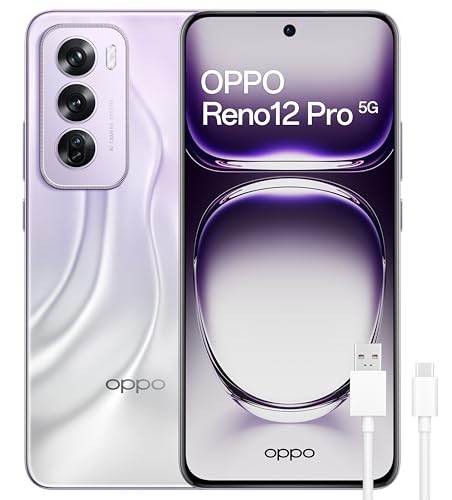
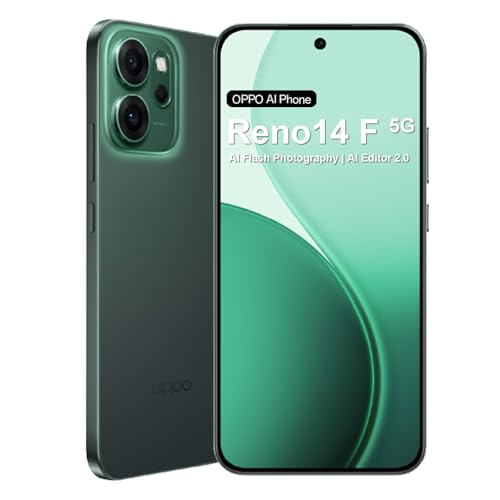
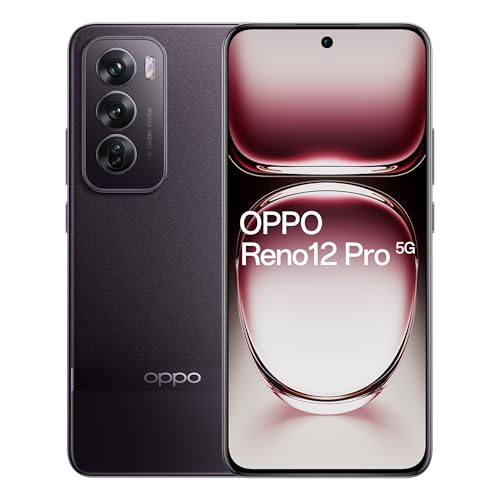
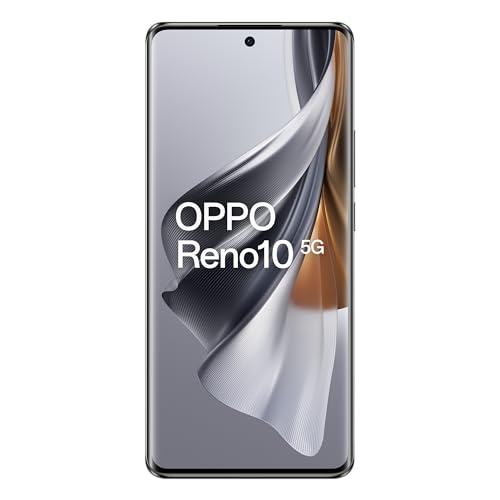
- Reno series: Oppo targets mid-range users with this series, and it emphasizes photography and stylish designs. Devices like Reno13 Pro come with AI-enhanced cameras and fast charging. The series balances performance and affordability in global markets.
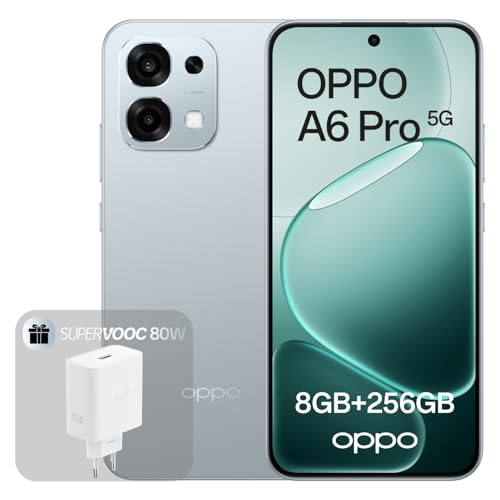
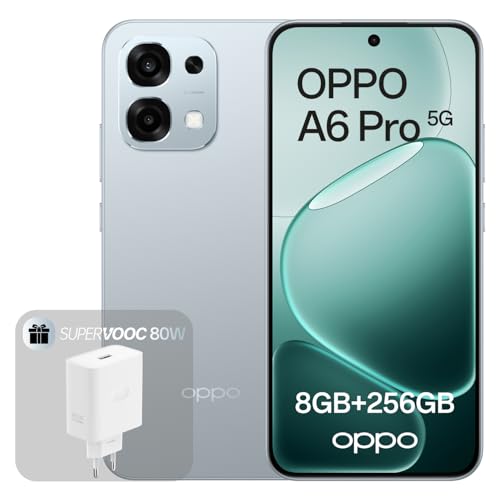
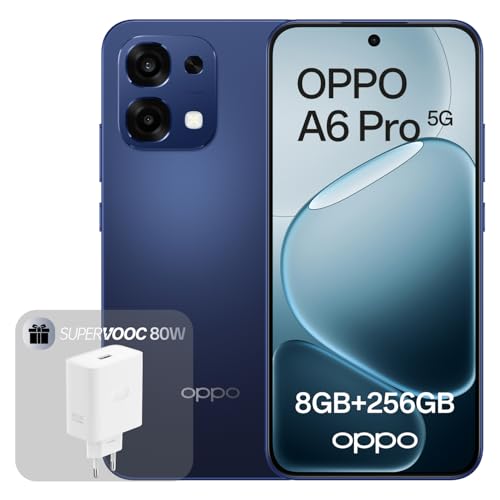
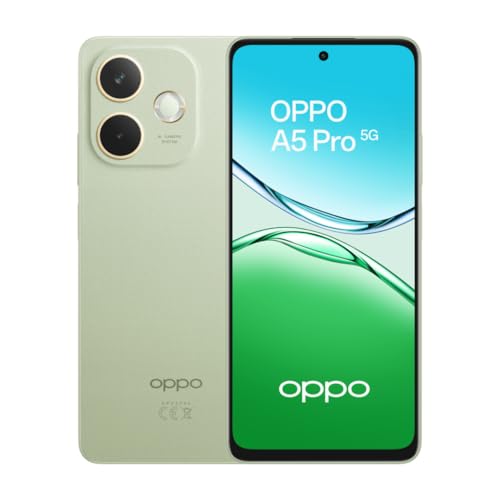
- A series: This entry-level series provides budget-friendly options, and it prioritizes battery endurance and basic functionality. Models such as A5 include large screens and reliable processors for everyday use. Oppo updates these phones regularly for value-driven consumers.
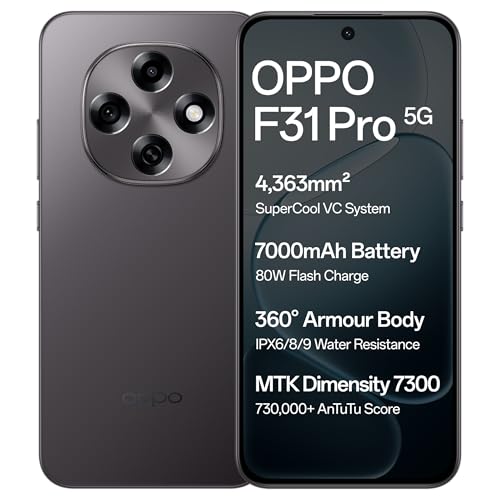
- F series: Oppo builds this series around selfie cameras and media consumption, and it uses MediaTek or Qualcomm chips. Phones like F27 Pro offer vibrant displays and ample storage. The lineup appeals to younger users in specific regions.
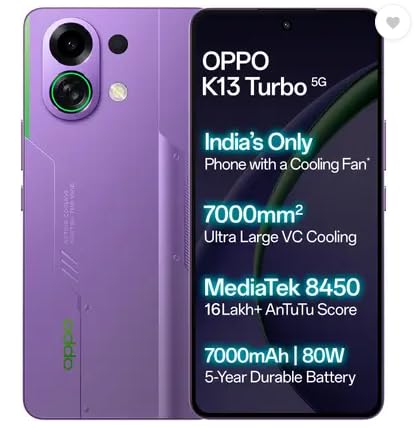
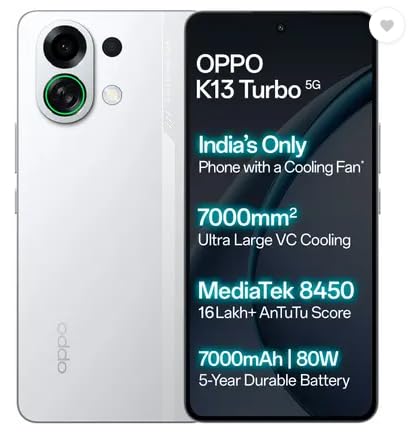
- K series: This mid-tier series delivers balanced specs, and it features models with 5G support and smooth multitasking. Devices such as K13 include high-refresh-rate screens and decent cameras. Oppo positions it for performance without high costs.
How much do Oppo smartphone costs?
Oppo smartphone costs vary from around £130 for entry-level models to over £1,100 for premium flagship devices. Prices depend on the series, specifications, and storage configurations. Budget models usually sit in the A-series, mid-range devices in the Reno series, and high-end devices in the Find X series.
Flagship models such as the Oppo Find X6 Pro or newer equivalents use high-end processors, advanced display technology, and enhanced camera systems, so they cost in the £800 to £1,100 range. Mid-range Reno models typically cost between £260 and £550 depending on RAM and storage size. Entry-level A-series models stay in the £130 to £260 range, and they focus on basic performance, smaller camera setups, and simpler build materials.
The average price of Oppo smartphones is £250 €, placing them #20 among smartphone brands (from cheapest to most expensive), and their average quality-price ratio score of 8.3 puts them in position #7.
(Note: Only brands with at least 6 smartphones in our database, released after 2022, were included.)
What should you consider while choosing the best Oppo smartphone?
When you choose the best Oppo smartphone, you should focus on the following key aspects:
- Processor: The processor determines your phone's performance speed and multitasking capabilities. Oppo uses Qualcomm Snapdragon chips in flagship models like the Find X8 Pro with MediaTek Dimensity 9400 and MediaTek Dimensity processors in mid-range devices such as the Reno13 series with Dimensity 7050. Higher-end processors handle gaming, video editing, and multiple apps with better efficiency.
- RAM: Random Access Memory affects how many apps you can run simultaneously without lag. Oppo smartphones typically range from 4GB RAM in budget A series models like A5 to 16GB in premium Find X series devices. The Find X8 Pro comes with advanced Trinity Engine technology paired with its processor. More RAM allows smoother switching between applications and better gaming performance.
- Storage: Internal storage capacity determines how many photos, videos, apps, and files you can store. Oppo phones come with storage options from 64GB in entry-level A series models to 1TB in premium Find X devices. The Reno13 series offers 256GB storage options, while some A series models support microSD cards and premium Find models rely solely on internal memory.
- Camera System: Oppo focuses heavily on camera technology with various lens configurations across different series. The Find X8 Pro features a Hypertone Quad Main Camera System with AI Photo Remaster, while the F series uses their "Selfie Expert" tagline with enhanced front cameras. The Reno13 series includes AI-powered camera systems for Instagram-worthy photos. Portrait mode, night mode, and AI scene detection improve image results in different conditions.
- Battery Capacity and Charging: Battery life depends on mAh capacity, typically ranging from 4,000mAh in older models to 5,910mAh in the Find X8 Pro with silicon-carbon battery technology. The A series commonly features 5,000mAh batteries, while fast charging technology like SuperVOOC can charge phones from 0% to 100% in under 30 minutes. Wireless charging and reverse charging add convenience features in premium series.
- Display Quality: Screen size, resolution, refresh rate, and panel type affect visual experience. The Find X8 Pro uses 120Hz High Refresh Rate Display, while Reno series phones feature ultra-slim lightweight designs with AMOLED displays in higher-end models. The A series typically uses IPS LCD panels with HD+ or FHD+ resolution. Screen brightness and color accuracy matter for outdoor use and media consumption.
- Build Quality and Design: Construction materials, water resistance rating, and overall durability impact long-term use. The Find N series includes foldable designs like Find N5, while the Reno13 series emphasizes ultra-slim and lightweight construction. Premium Find X phones feature glass and metal construction with IP ratings, while A series focuses on durability at budget-friendly prices.