How big are the displays in large screen smartphones?
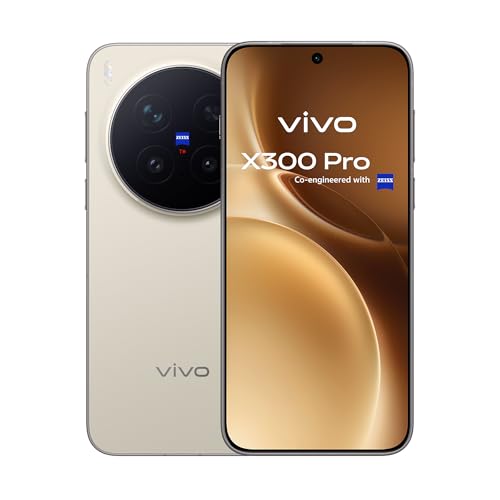
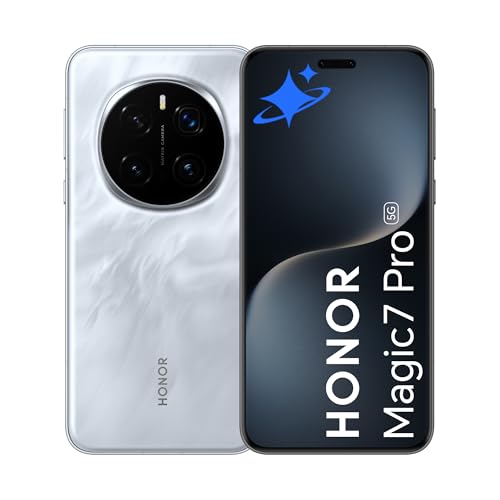
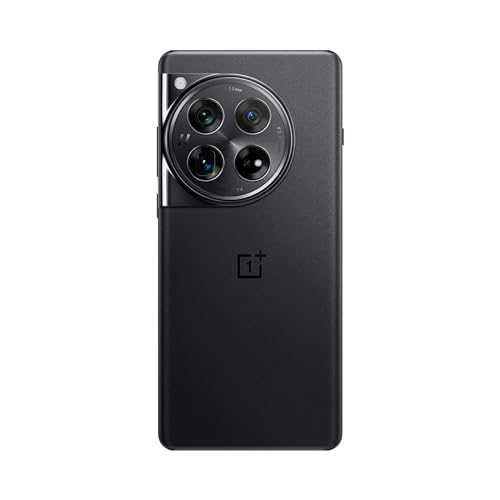
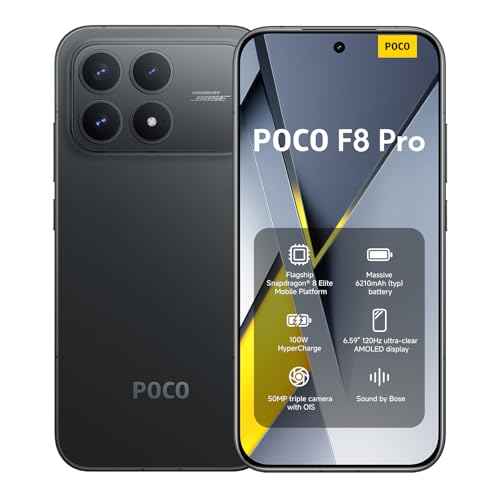
Large screen smartphones have displays that measure around 6.7 to 7.6 inches. You usually find screens in this range on devices called "phablets" or foldables, which push screen size near tablet levels.
Many flagship models now sit at 6.7 or 6.8 inches. These phones give you more space for gaming, streaming, or split-screen multitasking. Foldable smartphones like the Samsung Galaxy Z Fold series expand the display size even more—up to 7.6 inches when unfolded. Some brands also reduce bezels to fit larger displays without increasing overall phone size. You get high refresh rates, AMOLED or OLED panels, and higher resolutions like QHD+ in most of these large screen models.
The best available large-screen smartphones (with the highest overall score) are as follows:
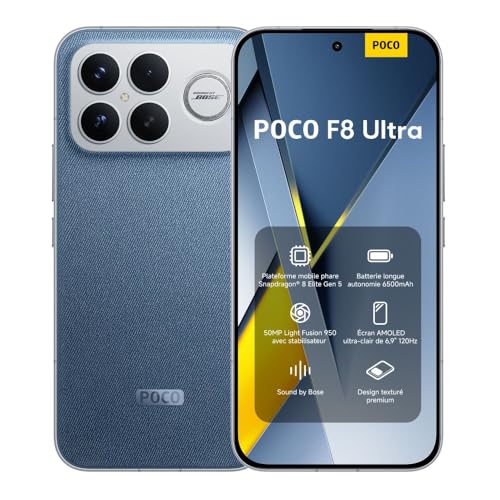
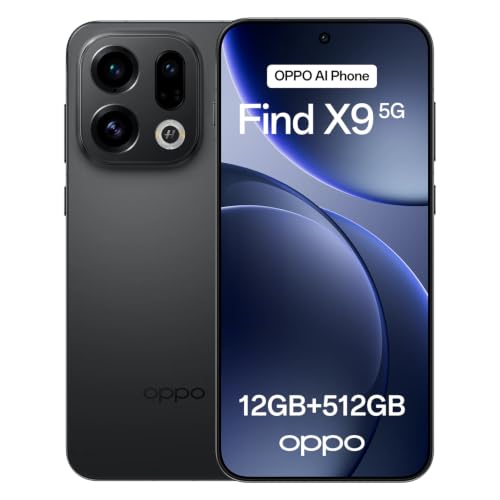
- Poco F8 Ultra (16GB + 512GB) (Overall score: 9.26 points; Screen size: 6.9 inches)
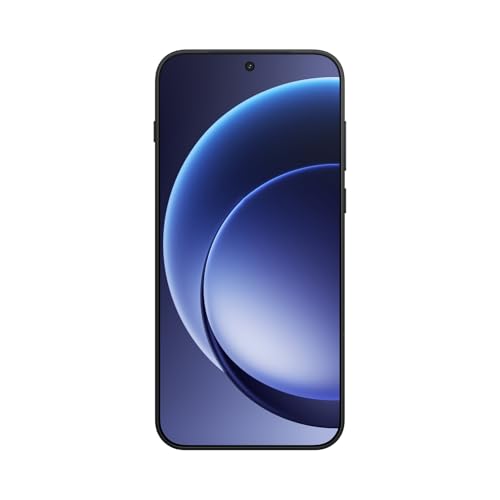
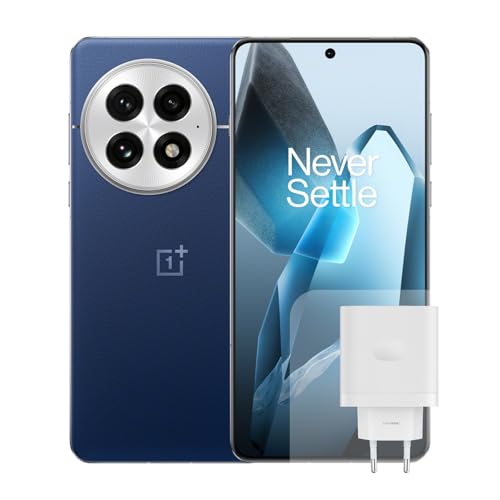
- OnePlus 15 (16GB + 512GB) (Overall score: 9.21 points; Screen size: 6.78 inches)
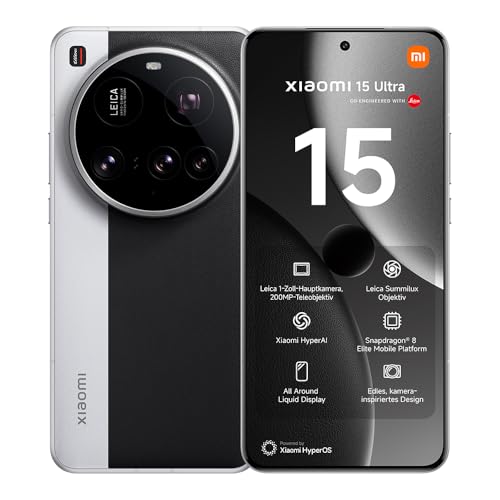
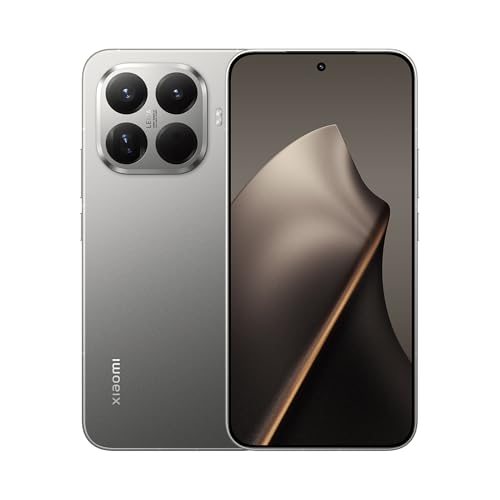
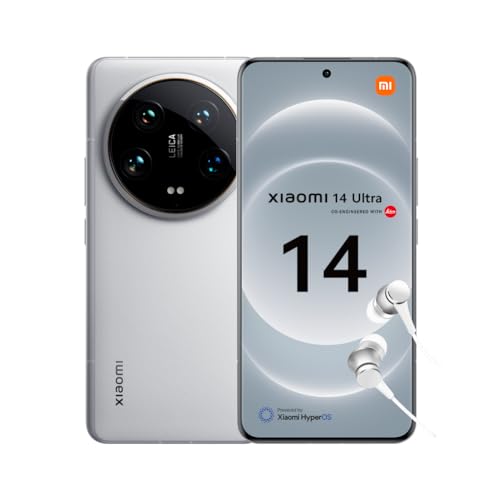
- Xiaomi 15 Ultra (16GB + 512GB) (Overall score: 9.13 points; Screen size: 6.73 inches)
Do big displays use more battery?
Yes, big displays use more battery. If your phone has a display of 6.6 inches or more, it consumes more power than smaller screens. This happens because the screen lights up a larger surface area and needs more energy to refresh pixels.
You also tend to keep brightness higher on bigger displays, especially when outdoors, which drains the battery faster. High resolution (like Full HD+ or QHD) and higher refresh rates (90Hz or 120Hz) also increase power draw.
You may not notice fast battery drain right away if your phone has good software optimization or a large battery. But over time, a big display still uses more battery during video playback, gaming, or browsing. If you use a phone with a 6.6-inch or larger screen, go for a battery size of at least 5000mAh. We recommend a 6000mAh battery if you want longer screen time and fewer daily charges.
Do large-screen phones cost more than regular phones?
Large-screen phones cost more than regular phones. You usually pay a higher price because of the display size, premium build materials, and higher-end specs that brands include in these models.
Manufacturers often place large-screen phones in the flagship category. These phones use bigger and sharper OLED or AMOLED panels, and brands pair them with faster processors, better cameras, and larger batteries. That increases the cost. For example, phones with screens above 6.6 inches often start from £700 to over £1,200, while regular phones with screens around 6.1 to 6.4 inches can fall between £260 and £700. You also see more expensive materials like aluminum frames or ceramic backs in large-screen models, while regular phones use plastic or lower-grade metal.
What to consider while choosing the best large-screen smartphone?
When you choose the best large-screen smartphone, you should focus on the following:
- CPU: Select a flagship-grade chip such as Snapdragon 8 Gen 3 or Apple A17 Pro. These processors use advanced architecture with high clock speeds and powerful GPUs, so they run demanding games, edit 4K videos, and handle AI features smoothly. Check benchmarks like Geekbench or AnTuTu to compare real-world performance.
- RAM: Choose 8 GB as the minimum and 12–16 GB if you want extra headroom for multitasking and heavy apps. More RAM keeps background apps active without reloads and improves system responsiveness under load. LPDDR5 or newer memory gives better bandwidth and efficiency.
- Storage: Go for 256 GB or more if you shoot a lot of high-resolution photos or videos, download large apps, or play many games. UFS 3.1 or 4.0 storage speeds up app installations, game loading, and file transfers. If you use cloud services daily, 128 GB may be enough.
- Camera: Aim for a multi-lens system with a high-megapixel main sensor (48 MP or higher), ultra-wide lens, and telephoto or periscope zoom. Features like optical image stabilization, advanced night mode, and 4K/8K video recording give sharper images and smoother videos. Look for sensors with larger pixel sizes for better low-light results.
- Display: Pick an AMOLED or OLED screen with at least 1080p resolution and 120 Hz refresh rate for vivid colors, deep blacks, and smooth scrolling. HDR10+ or Dolby Vision support improves contrast and dynamic range when watching compatible content. Brightness above 1200 nits helps with outdoor visibility.
- Battery: Choose a capacity of 5000 mAh or more for all-day use on a large screen. Support for 45 W or higher wired charging and 15 W or higher wireless charging reduces downtime between charges. Check endurance ratings for a better idea of real-life battery performance.
- Build quality: Go for metal or reinforced glass frames for better durability. An IP68 rating protects against dust and water, so the phone survives rain or accidental submersion. Gorilla Glass Victus or newer resists scratches and minor drops.
- Software: Choose brands with proven track records for frequent updates. Look for at least three years of OS upgrades and four to five years of security patches. A clean, well-optimized interface improves speed and stability over time.