Are Sony smartphones good?
Sony smartphones achieve an average overall score of 7.5, placing them #16 among all smartphone brands, and have a user rating of 8.2, ranking #16 in user reviews.
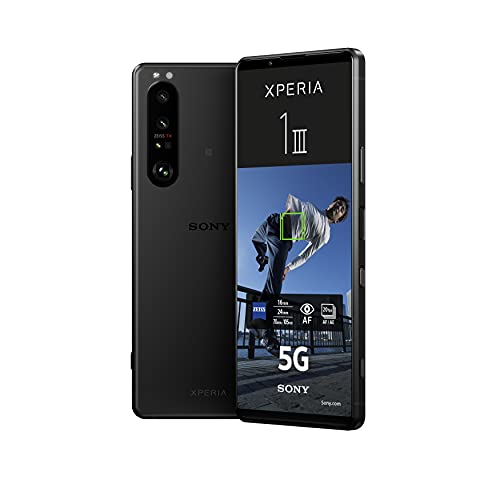
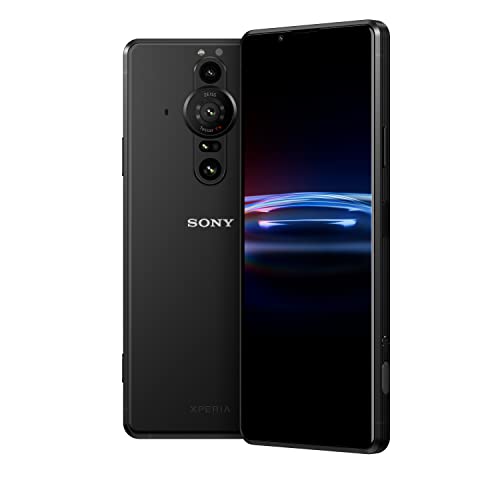
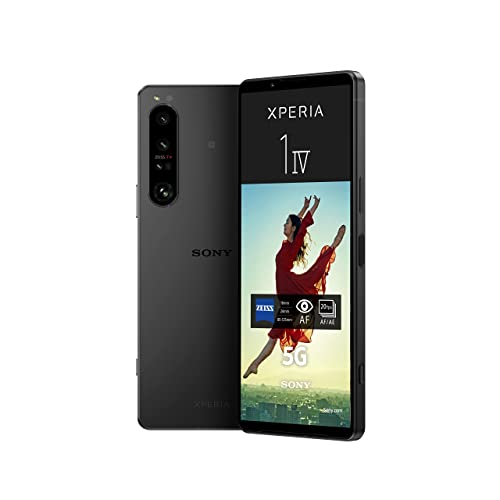
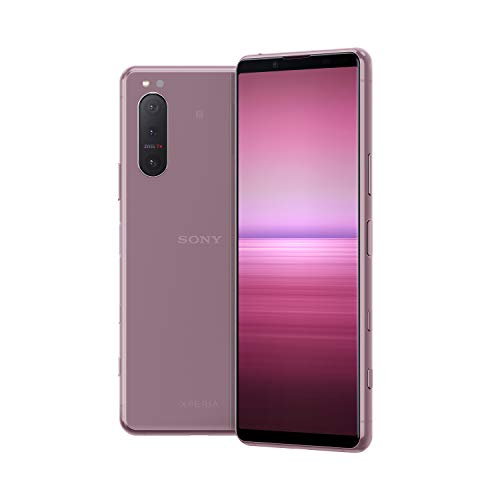
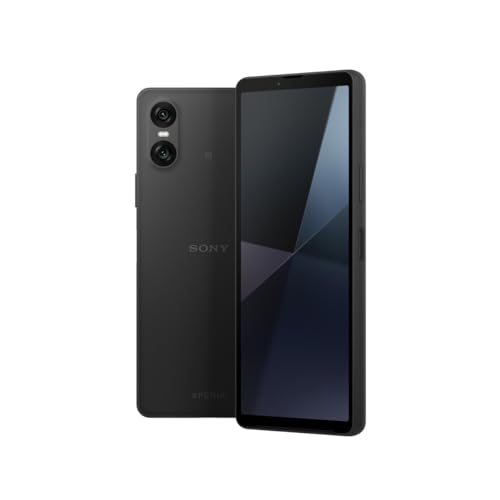
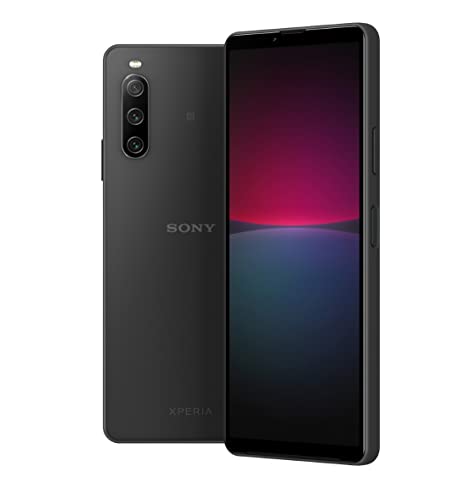
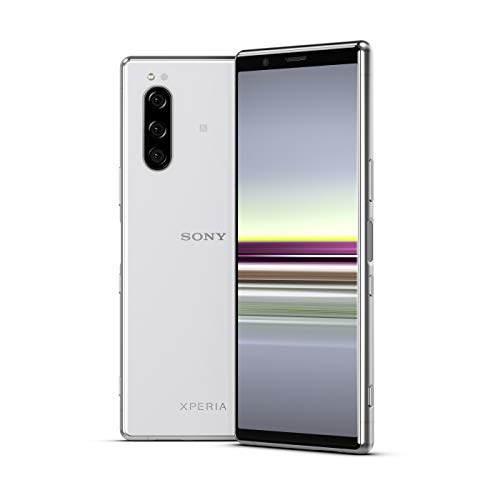
Sony smartphones stand out for their high-quality displays, advanced camera systems, and premium build. Models like the Xperia 1 series use 4K OLED screens with HDR support, which deliver sharp images and accurate colors. The brand focuses on photography and video, using camera sensors from its Alpha series for better low-light shots and professional manual controls. Performance is strong with Snapdragon processors and smooth multitasking, while the software experience stays close to stock Android for a clean interface.
However, Sony smartphones tend to have higher prices than many competitors with similar specifications. Battery life is decent but not class-leading, and some users may find the tall 21:9 aspect ratio less comfortable for one-handed use. The limited availability in certain regions and slower update schedules compared to brands like Samsung or Google can also be drawbacks. If you value display quality, advanced camera controls, and premium design, a Sony smartphone can be a strong choice.
(Note: A total of 37 brands were evaluated in the comparison in the first paragraph. Only those with at least 6 smartphones in our database that were released after 2022 were included.)
The best available Sony smartphones (with the highest overall score) are as follows:
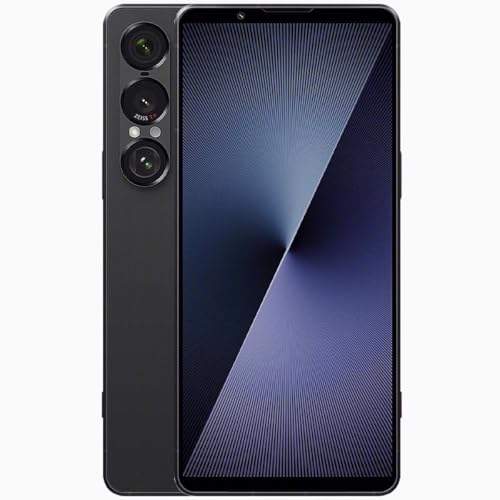
- Sony Xperia 1 VII 5G (12GB + 256GB) (Overall score: 8.11)
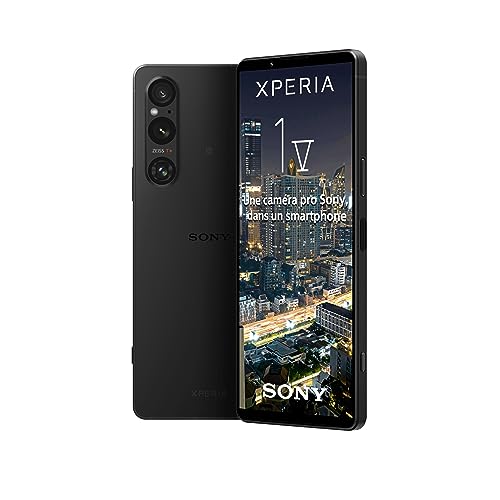
- Sony Xperia 1 V (12GB + 256GB) (Overall score: 8.09)
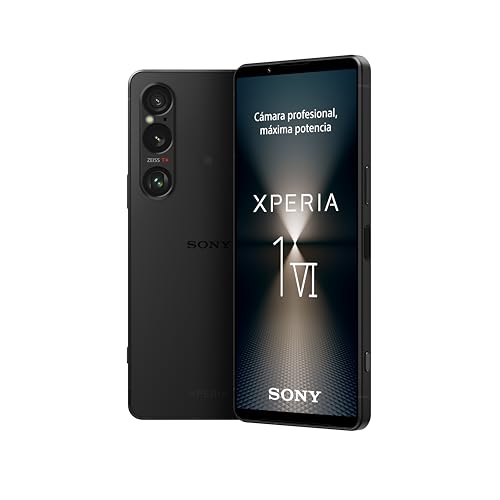
- Sony Xperia 1 VI (12GB + 256GB) (Overall score: 7.95)
The following chart ranks smartphone brands by their overall scores.
[horizontal-chart-14855520977915281854131920228859147337322180876303]
What are the main advantages of Sony smartphones?
The main advantages of Sony smartphones are as follows:
- High-quality camera system: Sony uses advanced camera sensors from its Alpha series (up to 1-inch Exmor RS sensor with 12 MP resolution) and Zeiss optics with T* coating for reduced glare. Models like Xperia 1 V record 4K HDR video at 120 fps and have real-time Eye AF for humans and animals.
- Professional display technology: Many models feature 6.5-inch 4K OLED panels with 120 Hz refresh rate and HDR10 support. The CinemaWide 21:9 aspect ratio improves video viewing and multitasking experience.
- Audio performance: Sony includes a 3.5 mm headphone jack, LDAC for high-resolution wireless audio, and front-facing stereo speakers with Dolby Atmos support. Some models integrate DSEE Ultimate and 360 Reality Audio.
- Durability: Many Xperia models have IP65/68 certification for dust and water resistance and use Corning Gorilla Glass Victus on both front and back for improved drop protection.
- Performance: Flagship models use Snapdragon 8 Gen series processors with up to 12 GB RAM and UFS 3.1 storage. They support 5G, Wi-Fi 6E, and advanced cooling systems for sustained performance.
- Expandable storage: Unlike many competitors, Sony smartphones often include a microSD card slot (up to 1 TB), which allows large media storage without relying solely on internal memory.
What are the main disadvantages of Sony smartphones?
Sony smartphones have the following disadvantages:
- High price compared to competitors: Flagship Xperia models often exceed £850, which places them in the premium price segment with strong competition.
- Limited market availability: Sony sells smartphones in fewer regions and retail channels, which reduces accessibility compared to brands like Samsung or Xiaomi.
- Battery life: While battery capacities are around 4,500 mAh, the combination of 4K display resolution and high refresh rate can lead to faster battery drain under heavy use.
- Slow software updates: Sony releases fewer major Android updates compared to Google or Samsung, which affects long-term software support.
- Thicker and heavier design: The use of glass and metal, plus large camera modules, results in heavier devices that are less comfortable for one-handed use.
- Limited AI camera processing: Sony prioritises manual controls and natural output, which may produce less processed images compared to brands that use aggressive computational photography.
Who makes Sony smartphones?
Sony smartphones are made by Sony Corporation, a Japanese multinational headquartered in Tokyo. The company develops, designs, and manufactures its Xperia line of smartphones through its subsidiary Sony Mobile Communications, which operates under the Sony Electronics division. Sony entered the mobile phone market in 2001 through a joint venture with Ericsson, forming Sony Ericsson, and rebranded to Sony Mobile in 2012 after buying out Ericsson’s stake.
The Xperia series is known for high-quality displays, advanced camera technology from Sony’s imaging division, and integration with other Sony products. Manufacturing takes place mainly in Asia, with production facilities in countries such as Thailand and China, while design and research remain centered in Japan.
What are the main Sony smartphone series?
The main Sony smartphone series are the following.
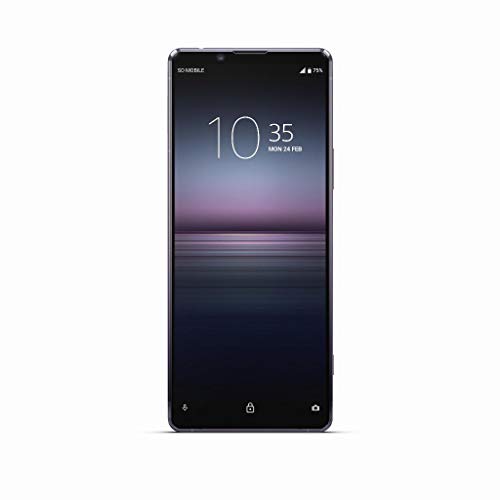
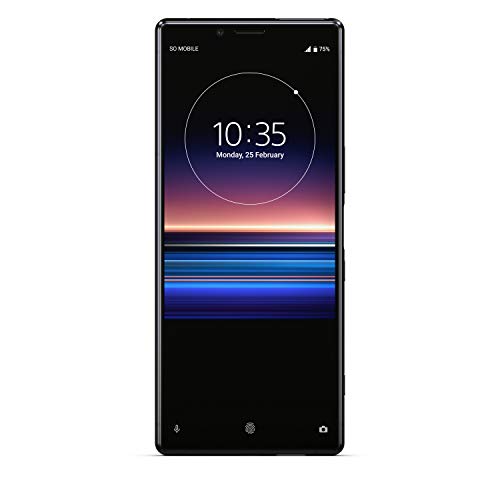
- Xperia 1: Flagship line targets premium users and features advanced cameras with continuous optical zoom (3.5x to 7.1x) and Snapdragon 8 Gen 3 processors. Models like Xperia 1 VI include 6.5-inch 120Hz OLED displays and 5000mAh batteries for extended use. Sony released Xperia 1 VII in 2025 with improved telephoto lenses and Android 15 support.
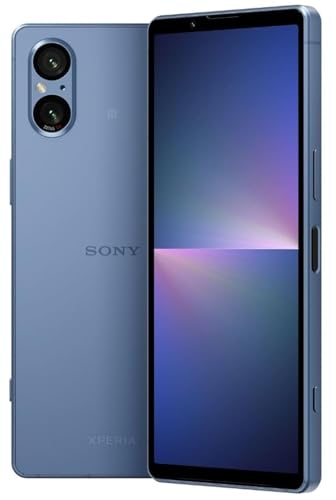
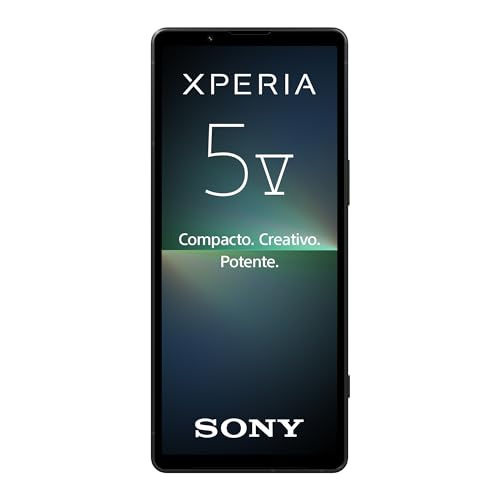
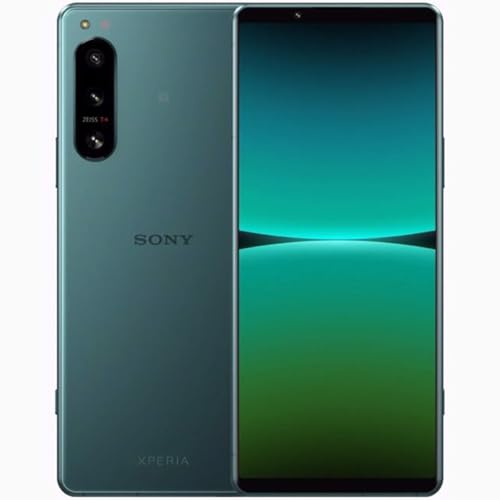
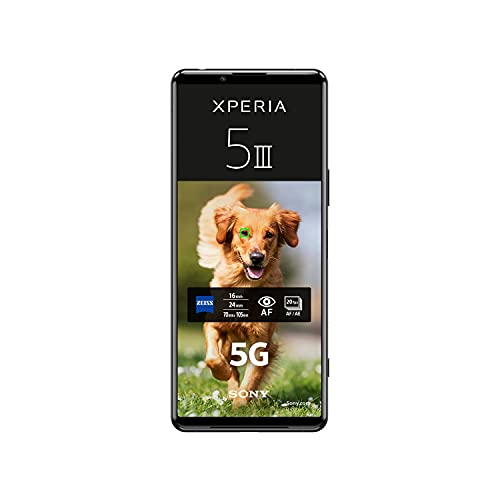
- Xperia 5: Compact flagship series provides high-end performance in smaller form factors, such as 6.1-inch HDR OLED screens and Snapdragon 8 Gen 1 chips. Xperia 5 V and Xperia 5 IV focus on photography tools like dedicated shutter buttons and expandable storage via microSD. Users get headphone jacks and 5000mAh batteries in these models.
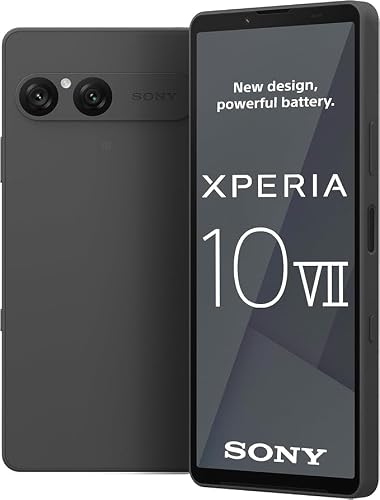
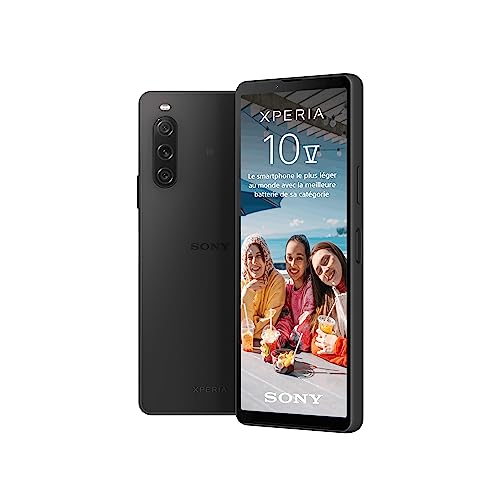
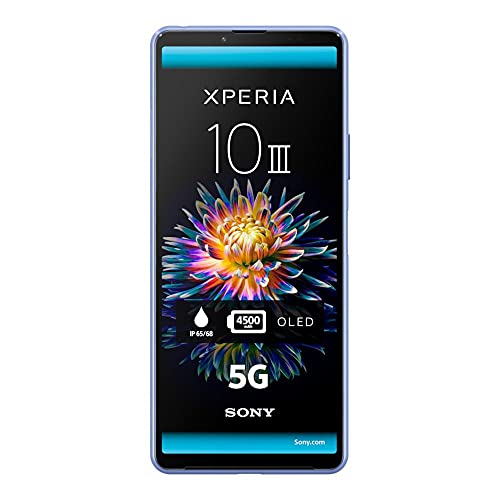
- Xperia 10: Mid-range series emphasizes affordability with Snapdragon 695 processors and long battery life, like 5000mAh in Xperia 10 VI. It includes 6.1-inch OLED displays and triple-camera setups for everyday use. Xperia 10 V supports 5G and receives Android updates up to version 15.
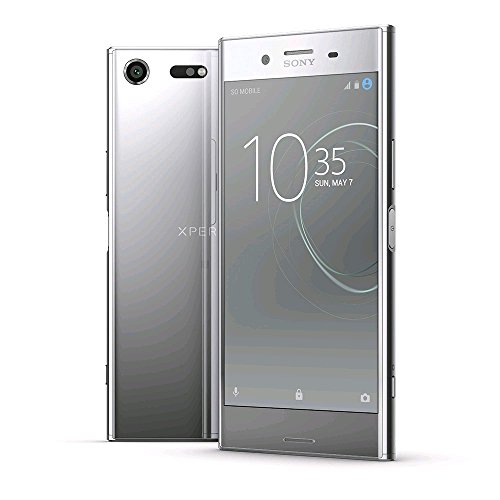
- Xperia Z: Older flagship series introduced water resistance and full-HD displays from 2013 to 2015, with models like Xperia Z5 Premium featuring 4K screens. It used Snapdragon processors and Exmor RS sensors for better low-light photos. Sony phased it out after Xperia Z5.
- Xperia XZ: Premium line from 2016 to 2018 focused on 4K video recording and stamina modes, including Xperia XZ3 with OLED displays. Models had Snapdragon 835 chips and 19MP cameras. It replaced Z series before Xperia 1 took over.
- Xperia XA: Mid-range series from 2016 to 2018 offered Helio P20 processors and edge-to-edge designs, like Xperia XA2 Ultra with dual selfie cameras. It included 1080p screens and USB-C ports in later versions. Sony ended it after XA2 family.
How much do Sony smartphone costs?
Sony smartphone costs vary across all series, with entry-level models priced much lower than their flagship Xperia devices. The brand mainly sells phones under the Xperia name, and prices depend on specifications, camera systems, display technology, and processing power.
The Xperia 1 series is the premium flagship line and typically costs around £850 or more, as it includes 4K OLED displays, high-end Snapdragon processors, and advanced camera features. The Xperia 5 series is slightly more compact but still high-end, with prices usually around £680 to £765.
The Xperia 10 series targets the mid-range market, costing around £300 to £425, and focuses on balanced performance and battery efficiency. The Xperia L series covers budget models, with prices starting at about £170 and targeting basic functionality.
Sony smartphones cost on average £490 €, ranking #31 in price among smartphone brands (from cheapest to most expensive), and have a quality-price ratio score of 7.4, placing them in position #25.
(Note: Only brands with at least 6 smartphones in our database, released after 2022, were included.)
What should you consider while choosing the best Sony smartphone?
When choosing the best Sony smartphone for you, you need to consider the following technical specifications and features:
- Processor: The processor determines your phone's overall performance and speed. Sony's flagship Xperia 1 series features premium Snapdragon processors, with the Xperia 1 VII running on Snapdragon 8 Elite and the Xperia 1 VI using Snapdragon 8 Gen 3. These high-end processors handle demanding apps, multitasking, and gaming without lag or slowdowns.
- RAM: RAM affects how smoothly your phone runs multiple apps simultaneously. Most modern Sony Xperia 1 series phones come with 12GB of RAM, which provides excellent multitasking performance. Older or budget models may have 6GB, which still handles basic tasks well but may struggle with heavy multitasking.
- Storage: Internal storage capacity determines how much content you can store on your device. Current flagship models offer 256GB to 512GB of storage, with expandable microSD support up to 1TB. Consider your usage patterns - if you take many photos or download large apps, choose models with higher storage capacity.
- Camera: Sony Xperia phones feature professional-grade camera systems with multiple lenses. The latest models include triple camera setups with 48MP main sensors, ultrawide lenses, and telephoto lenses with optical zoom. Some models feature advanced features like eye tracking and 4K video recording capabilities. The Xperia 1 VII includes a new 48MP ultrawide sensor with improved performance.
- Battery: Battery capacity and charging speed affect daily usage convenience. Modern Sony Xperia 1 series phones include 5000mAh batteries that provide all-day usage. They support 30W fast charging and wireless charging options. Sony claims their latest models offer up to 2 days of battery life with typical usage.
- Display: Sony's signature 21:9 OLED displays provide cinematic viewing experiences with 4K resolution and HDR support. The 120Hz refresh rate on newer models creates smooth scrolling and responsive touch interactions. These displays excel for multimedia consumption, gaming, and productivity tasks with their unique aspect ratio.