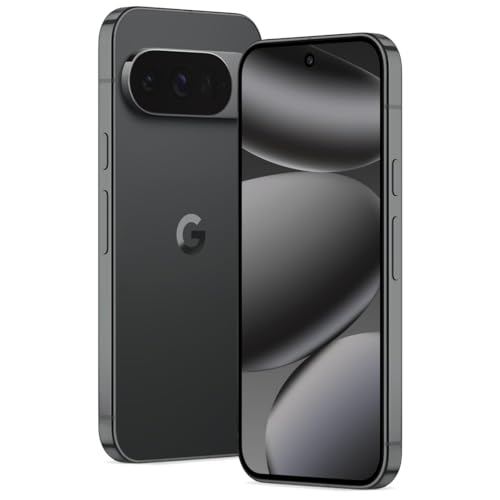
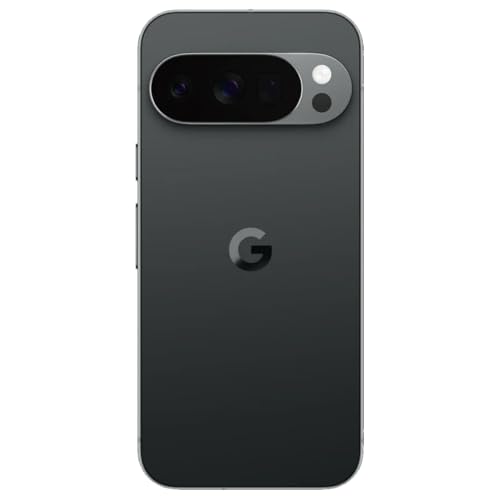
Google Pixel 10 Pro (16GB + 128GB) review. Compare 197 technical specifications and user reviews to see how this product ranks in the Smartphones category and whether it is worth buying.
Overall score
What it is: An overall evaluation of the smartphone's quality, based on technical analyses and user reviews.
When it matters: When you need a quick reference to identify the best smartphones on the market.
Score components:
90.0%
Technical Score
10.0%
User score
Technical Score
What it is: An assessment of the smartphone's technical performance, covering eight key areas: performance & hardware, software, camera, connectivity, display, battery, audio, and design.
When it matters: When you want to compare smartphones based on technical performance and available features.
Score components:
25.0%
Performance & Hardware
18.0%
Camera
15.0%
Display
15.0%
Battery
10.0%
Software
10.0%
Connectivity
4.0%
Audio
3.0%
Design
User score
What it is: A rating that combines user reviews and the total number of reviews received by the smartphone
When it matters: When you want to know how a smartphone handles daily tasks and how reliable it remains over time according to user feedback.
Score components:
70.0%
User reviews
30.0%
Popularity
Available: ranking among products currently available (including other versions of this product).
All: ranking among all products in the database.
#2 in Best Google Phones
#9 in Best Camera Smartphones
#18 in Best Android Smartphones
#19 in Best Smartphones
#19 in Best NFC Smartphones
#19 in Best 5G Smartphones
#19 in Best AI Smartphones
#491 in Best Battery Life Smartphones
#661 in Best Value Smartphones
What it is: An assessment of the smartphone's technical performance, covering eight key areas: performance & hardware, software, camera, connectivity, display, battery, audio, and design.
When it matters: When you want to compare smartphones based on technical performance and available features.
Score components:
25.0%
Performance & Hardware
18.0%
Camera
15.0%
Display
15.0%
Battery
10.0%
Software
10.0%
Connectivity
4.0%
Audio
3.0%
Design
What it is: A rating that combines user reviews and the total number of reviews received by the smartphone
When it matters: When you want to know how a smartphone handles daily tasks and how reliable it remains over time according to user feedback.
Score components:
70.0%
User reviews
30.0%
Popularity
What it is: An indicator that combines the smartphone's overall rating with its cost.
When it matters: When you are looking for a smartphone with a good balance between quality and price.
Score components:
60.0%
Overall score
40.0%
Price
Importance: LOW
Importance: HIGH
Importance: HIGH
Good value: >12 GB
Importance: MEDIUM
Good value: >256 GB
Importance: MEDIUM
Good value: >3.2 GHz
Importance: LOW
Importance: MEDIUM
Good value: >1500
Importance: LOW
Good value: >4000
Importance: LOW
Good value: 8+
Importance: LOW
Importance: LOW
Good value: >950 MHz
Importance: LOW
Good value: >700
Importance: LOW
Good value: >1000
Importance: LOW
Good value: >2500
Importance: MEDIUM
Good value: >6000
Importance: LOW
Good value: >8000
Importance: MEDIUM
Good value: >12000
Importance: LOW
Good value: >5000
Importance: LOW
Good value: >1800
Importance: LOW
Good value: >3200 MHz
Importance: LOW
Good value: 5
Importance: LOW
Good value: > 50 GB/s
Importance: LOW
Good value: 4
Importance: LOW
Good value: >16 GB
Importance: MEDIUM
Good value: <6 nm
Importance: MEDIUM
Good value: >9 W
Importance: LOW
Importance: LOW
Good value: >8192 KB
Importance: LOW
Good value: >2048 KB
Importance: LOW
Good value: >512 KB
Importance: LOW
Good value: >100000 million
Importance: LOW
Good value: 3.3
Importance: LOW
Good value: 3.2
Importance: LOW
Good value: 2.0/3.0
Importance: LOW
Importance: LOW
Importance: LOW
Importance: MEDIUM
Importance: LOW
Importance: LOW
Importance: LOW
Importance: LOW
Importance: LOW
Importance: LOW
Importance: LOW
Importance: LOW
Importance: LOW
Importance: LOW
Importance: LOW
Importance: LOW
Importance: LOW
Importance: LOW
Importance: LOW
Importance: LOW
Importance: LOW
Importance: LOW
Importance: LOW
Importance: LOW
Importance: LOW
Importance: LOW
Importance: LOW
Importance: LOW
Importance: LOW
Importance: LOW
Importance: LOW
Importance: LOW
Importance: LOW
Importance: LOW
Importance: LOW
Importance: LOW
Importance: LOW
Importance: MEDIUM
Good value: >50 MP
Importance: MEDIUM
Importance: HIGH
Good value: >60
Importance: LOW
Good value: ≥1.2 µm
Importance: MEDIUM
Good value: >2.5x
Importance: MEDIUM
Importance: LOW
Importance: LOW
Importance: LOW
Importance: LOW
Good value: ≥2
Importance: LOW
Importance: LOW
Importance: LOW
Importance: LOW
Good value: >16 MP
Importance: LOW
Importance: LOW
Importance: LOW
Importance: LOW
Importance: MEDIUM
Importance: LOW
Importance: LOW
Importance: LOW
Importance: LOW
Importance: LOW
Importance: LOW
Importance: LOW
Importance: LOW
Importance: LOW
Importance: LOW
Importance: LOW
Importance: LOW
Importance: LOW
Importance: LOW
Importance: LOW
Importance: LOW
Importance: LOW
Importance: LOW
Importance: LOW
Importance: LOW
Importance: LOW
Good value: >130
Importance: LOW
Good value: >120
Importance: LOW
Good value: ≥2
Importance: LOW
Importance: LOW
Importance: LOW
Importance: LOW
Importance: LOW
Importance: LOW
Good value: >5.2
Importance: LOW
Importance: LOW
Importance: LOW
Importance: LOW
Good value: 3.1/3.2
Importance: LOW
Importance: LOW
Importance: LOW
Good value: ≥2
Importance: LOW
Importance: LOW
Importance: LOW
Importance: LOW
Importance: LOW
Importance: LOW
Importance: LOW
Importance: LOW
Importance: LOW
Importance: LOW
Importance: LOW
Importance: LOW
Importance: LOW
Importance: LOW
Importance: LOW
Importance: LOW
Good value: ≥6.6 inches
Importance: MEDIUM
Importance: LOW
Good value: >400 ppi
Importance: MEDIUM
Importance: MEDIUM
Good value: ≥120 Hz
Importance: LOW
Importance: LOW
Good value: >300 Hz
Importance: LOW
Good value: >800 nits
Importance: LOW
Good value: >1300 nits
Importance: LOW
Good value: >1000 nits
Importance: LOW
Importance: LOW
Importance: LOW
Importance: LOW
Importance: LOW
Importance: LOW
Importance: LOW
Importance: LOW
Importance: HIGH
Good value: >5000 mAh
Importance: MEDIUM
Good value: >60 W
Importance: LOW
Importance: LOW
Good value: <45 min
Importance: LOW
Importance: LOW
Good value: >40 W
Importance: LOW
Importance: LOW
Good value: >10 W
Importance: LOW
Importance: LOW
Importance: MEDIUM
Importance: LOW
Good value: >800
Importance: LOW
Importance: LOW
Importance: LOW
Importance: LOW
Importance: LOW
Good value: ≥3
Importance: LOW
Importance: LOW
Importance: LOW
Importance: LOW
Importance: LOW
Importance: LOW
Importance: LOW
Good value: <162 mm
Importance: LOW
Good value: <75 mm
Importance: LOW
Good value: <8 mm
Importance: LOW
Good value: <190 g
Importance: LOW
Good value: <98cm³
Importance: LOW
Importance: LOW
Importance: LOW
Importance: LOW
Importance: LOW
Importance: LOW
Good value: ≥1.5 m
Importance: LOW
Importance: LOW
Good value: >8
Importance: LOW
Importance: LOW
Importance: HIGH
Good value: >12 GB
Importance: MEDIUM
Good value: >2.5x
Importance: HIGH
Good value: >60
Importance: MEDIUM
Importance: MEDIUM
Good value: <6 nm
Importance: MEDIUM
Good value: >3.2 GHz
Importance: LOW
Importance: LOW
Importance: MEDIUM
Good value: >256 GB
Importance: LOW
Good value: ≥6.6 inches
Importance: LOW
Importance: LOW
Good value: >40 W
Importance: HIGH
Good value: >5000 mAh
Importance: LOW
Good value: <190 g
Importance: LOW
(Reviews last updated: August 2026)
(Reviews last updated: August 2026)
(Reviews last updated: August 2026)
Wired’s review of the Google Pixel 10 series highlights a significant refinement in hardware and software, driven by the new, more efficient Tensor G5 chip that enables advanced on-device AI tools like an improved Magic Editor. While lauded for its AI capabilities and bright Super Actua displays, the lineup faces criticism for lacking the raw graphical power of competitors and for including some error-prone, "creepy" AI features. Additionally, the switch to eSIM-only models in the U.S. and a, to some, less premium shiny back design are noted drawbacks alongside the positive introduction of Qi2 magnetic charging.
According to Engadget, Pro XL are a "polish-heavy" refinement of the flagship,, -nit Super Actua display and a design shift to a shinier back. The phones boast performance and better battery life, alongside the magnetic charging (Pixel Snap), although US models move to an eSIM-only setup with no wireless power-sharing. Camera upgrades x Pro Res Zoom, but a major con is the MP images, causing temporary shutter freezes. Engadget +6
The Google Pixel 10 Pro camera is evaluated against the Samsung Galaxy S25 Ultra, highlighting superior 100x zoom capabilities and more natural, balanced color processing in the Pixel. While the Pixel excels in zoom detail and lifelike bokeh in portraits, it faces a con regarding a lack of native log video for professional grading. The S25 Ultra is noted for better 3x zoom performance and sharper overall scene clarity, though its images can appear over-processed with a yellow-green tint in shadows.
The Tom's Guide review describes the Google Pixel 10 Pro as a high-quality, iterative update that feels similar to its predecessor, suffering from "middle child syndrome" among the Pixel 10 lineup. Key improvements include the Tensor G5 chip, a brighter Super Actua display, and the introduction of Qi2 magnetic wireless charging. However, the device offers negligible battery life improvements over the Pixel 9 Pro and faces stiff, faster competition from the Snapdragon 8 Elite, along with disappointing 128GB base storage. Tom'
The CNN Underscored review describes the Google Pixel 10 Pro as a refined, high-quality smartphone with a premium matte glass design and a remarkably bright 6.3-inch Super Actua OLED display. Key highlights include a versatile camera system with 5x telephoto capabilities, AI-driven features like "Add Me," and the introduction of magnetic Qi2 charging, marking it as a strong, albeit iterative, upgrade. However, the review notes the device lacks substantial improvements over the Pixel 9 Pro, with battery life deemed just "okay" and gaming performance trailing competitors.
The Google Pixel 10 series represents a, shift toward a polished, iPhone-like experience, anchored by the performance and efficiency of the new Tensor G5 chip. While maintaining a similar design to its predecessor, the series is described as Google's most mature flagship attempt. Pros include an exceptional triple-camera system, added Qi2 magnetic charging, and improved processor efficiency. Cons, however, feature the removal of the physical SIM card slot, continued thermal issues during intense tasks, and a heavy, bulky design. Furthermore, the heavy reliance on AI tools may not appeal to all users.
The Google Pixel 10 Pro is described as a subtle, "no-frills" evolution, featuring a premium build and a bright 3,300-nit Actua display, but with minimal hardware changes and an almost identical appearance to the Pixel 9 Pro. While the new Tensor G5 chip offers improved thermal stability, its raw power lags behind competitors. A notable pro is the camera system with a 50MP main sensor and 48MP telephoto lens offering 5x optical zoom, producing sharp images, along with a clean Android 16 interface and helpful AI features. Cons include the "disappointingly average" 4,870mAh battery and slow charging speeds. Ultimately, the device offers too few upgrades over its predecessor to justify its $999 price.
The Google Pixel 10 Pro is a refined, compact 6.3-inch flagship featuring a bright 3,300-nit AMOLED display and a polished, though iterative, design. It boasts excellent camera performance via a versatile 50MP main and 48MP telephoto setup, offering natural images and 5x optical zoom. Driven by the Tensor G5 chip and 16GB of RAM, the device delivers smooth, AI-driven performance. However, the Tensor G5 lags behind competitors like the Snapdragon 8 Elite in raw power and runs warm under heavy loads. Significant drawbacks include slow 30W charging, a lack of physical SIM support, and a high price point. The device is best suited for users prioritizing AI features and compact design over peak performance.
The Google Pixel 10 Pro is characterized as an ecosystem-focused phone with a premium design featuring Gorilla Glass Victus 2 and a glossy aluminum frame, though it lacks the personality of earlier models. It boasts a vibrant 6.3-inch OLED display with 3,300 nits peak brightness and a 120Hz refresh rate, but hardware is secondary to software and AI integration. The Tensor G5 chip with 16GB RAM provides fluid daily operation via Android 16, but struggles with intensive tasks, runs warm during gaming, and lags competitors in graphical performance. Inconsistent wireless charging was noted with the new Pixel Snap magnetic system, and battery life averages 13 to 15 hours. Google's AI features, such as Magic Cue and advanced spam call screening, are highlighted as industry-leading, and the camera, using the Pixel 9 Pro's hardware with new AI, makes photos "post-ready."
According to a Tom's Guide review, after two months of use, the Google Pixel 10 Pro is a high-quality phone that does not offer significant upgrades over the Pixel 9 Pro. While it includes pros like Qi2 wireless charging, 100x SuperRes Zoom, and a 3,300-nit display, cons include nearly identical camera sensors to its predecessor, minimal battery life improvement, and a Tensor G5 chip that lags in raw performance.
The Google Pixel 10 Pro is described as a flagship phone emphasizing AI-driven features and a refined, durable design with an exceptionally bright Super Actua display. Its strengths include advanced camera software with 100x Pro Res Zoom and AI enhancements, but it has drawbacks like slower 29W wired charging, potential screen scratching, and less powerful processing compared to top rivals.
The Google Pixel 10 Pro is highlighted for its premium features in a compact design, including a bright OLED display, refined build quality, and enhanced performance from the new Tensor G5 chip. Its camera system is praised for versatility and AI features like 100x Pro Res Zoom and AI Camera Coach, alongside solid battery life and Qi2 wireless charging. Identified cons include the Tensor G5's performance lagging behind rivals, occasional AI tool inaccuracies, a high price, less secure face unlock, and the absence of a physical SIM slot for some users.
The PhoneArena review of the Google Pixel 10 Pro notes significant internal upgrades despite a design similar to its predecessor. Key pros include the Super Actua display with 3,300 nits peak brightness, the enhanced 100X AI-enhanced Pro Res Zoom camera, Qi2 wireless charging, and seven years of software updates. Cons mentioned are the stagnant design, Tensor G5's trailing GPU performance, relatively slow 30W wired charging, and a base 128GB storage that is considered low for a premium model.
PCMag awarded the Google Pixel 10 Pro its Editors' Choice, designating it the best Android phone for most users due to its size, hardware, and AI features. Key features include a premium design, a bright 6.3-inch OLED display, and advanced, user-friendly camera technology. The phone's unique AI capabilities, such as real-time in-call translation and natural language photo editing, are powered by the new Tensor G5 chip. While it is the fastest Pixel to date, its performance trails flagship competitors in benchmarks, and its battery life is significantly shorter. US models also only support eSIM, lacking a physical SIM tray. The review concludes that the $999/£999 Pixel 10 Pro is a strong overall package offering a complete Google experience with excellent camera and AI features, supported by seven years of software updates.
The Google Pixel 10 and 10 Pro share a 6.3-inch design and Tensor G5 chip, featuring new Pixelsnap (Qi2) magnetic accessories and seven years of software support. Pros include this refined design, while cons involve the base model's glossy back attracting fingerprints compared to the Pro's matte finish. The Pro model offers a superior 1-120Hz LTPO display and 16GB of RAM for enhanced multitasking, whereas the base model is limited to 60-120Hz and 12GB RAM. A notable con for both is that, despite the 3nm chip, they fall short of the Snapdragon 8 Elite in high-end gaming performance. Camera capabilities differentiate the pair, with the Pro offering a 48MP periscope telephoto lens with 100x zoom and exclusive software like Video Boost and manual controls. While the base Pixel 10 finally adds a telephoto lens, it relies on smaller sensors that produce less detail in low light.
The Google Pixel 10 Pro features a refined design with a high-quality aluminum frame, a matte-finish glass back, and a 6.3-inch Super Actua display that reaches a peak brightness of 3,300 nits. Powered by the Tensor G5 chip, the device provides a fluid Android 16 experience, with camera highlights including a 50MP main sensor, a 48MP telephoto with 5x zoom, and AI-powered tools like Camera Coach and Pro Res Zoom. The introduction of Qi2 magnetic charging (Pixelsnap) adds a new accessory ecosystem. Key drawbacks noted in the review include a 4,870 mAh battery that lags behind competitors under heavy loads, a 128GB base storage configuration, and the lack of a physical SIM slot. Furthermore, some AI features, such as Magic Cue, are described as incomplete, suggesting future software updates are required to reach full potential.
The Google Pixel 10 Pro, as analyzed by Heise, is a compact 6.3-inch "AI smartphone" featuring a high-brightness 3,300-nit Super Actua LTPO OLED display and durable Gorilla Glass Victus 2 construction. While the custom Tensor G5 chip drives smooth performance and advanced AI features like live in-call translation and Magic Cue, it lags behind competitors in raw benchmarks and can run warm during intensive gaming. The device boasts a capable triple-camera system with impressive 100x Pro Res Zoom and strong low-light performance, though battery life is only moderate and charging speeds are limited to 30W.
Pro review on FrançoisCharron.com highlights the device as a serious iPhone competitor, featuring a premium, -nit Super Actua display. Powered by the new chip, the device offers improved efficiency and performance. Key strengths include AI-driven camera features like x zoom, alongside the new Pixelsnap magnetic accessory system. PCMag +2However, the review notes that still Pro' chip in gaming and benchmark tests. Battery life, while sufficient for a full day, does not match top rivals. Furthermore, W wired charging speed is considered slow compared to the competition.
The Google Pixel 10 Pro is a refined, mid-sized flagship featuring a 3,300-nit "Super Actua" display, a sturdy design with matte glass, and the new "Pixelsnap" magnetic charging system. While the camera hardware remains similar to its predecessor, it is enhanced by AI features like 100x Pro Res Zoom, improved Portrait mode, and the "Camera Coach" tool. However, the device faces limitations with its Tensor G5 chip lagging in raw power compared to competitors, mediocre battery life, and a stingy 128GB base storage option.
The Google Pixel 10 Pro and Pro XL are described as highly polished, premium devices, with the XL model featuring a 6.8-inch display, a 5200 mAh battery, and 45W charging, though it is heavy at 232g. Key strengths include the 3300-nit Super Actua OLED display, a capable 50MP triple-camera system, and useful AI tools like Magic Cue and Camera Coach. However, the experience is considered slightly "unfinished" due to the Tensor G5 chip trailing competitors in gaming performance, the unavailability of some AI features in certain regions, and a lack of radical hardware innovation.
The Frandroid review hails the Google Pixel 10 Pro as a top-tier Android device, highlighting its record-breaking 3,300-nit "Super Actua" display and premium design. Key advancements include the introduction of Pixelsnap, bringing Qi2-compatible magnetic accessories to the Pixel line for the first time. While praising the hardware, the review notes the design remains very similar to the previous generation. Driven by the TSMC-manufactured Tensor G5 chip, the phone offers a 34% CPU performance boost and 60% higher AI capabilities. This enables advanced features like Magic Cue, which predicts user needs, and real-time AI voice translation. The camera system, featuring 100x Pro Res Zoom, is lauded for its quality, though it may occasionally "hallucinate" details. Pros include the superior display, versatile cameras, useful magnetic accessories, and seven years of software support. Cons focus on the Tensor G5 lagging behind competitors in raw gaming performance, only marginal battery improvements, and the removal of the physical SIM tray on US models.
The Google Pixel 10 series introduces the Tensor G5 chip and Pixel-snap magnetic wireless charging, with the Pro models featuring a matte finish and a 3,300-nit Super Actua display. Pros include AI-driven camera features like Camera Coach, superior 100x Pro Res Zoom on Pro models, and improved 45W charging, particularly on the 6.8-inch Pixel 10 Pro XL. Cons include the Tensor G5's trailing raw performance in gaming, a potential dip in base model battery life, and lack of a 128GB option for the Pro XL.
The Google Pixel 10 Pro is defined as a premium 6.3-inch device, featuring a bright LTPO OLED display, a polished aluminum frame, and the introduction of Qi2 magnetic wireless charging. It distinguishes itself with advanced camera capabilities, including a 48MP 5x telephoto lens and AI-driven "Pro Res Zoom" that enhances image usability at high magnification. Performance and value are highlighted as key drawbacks, with the Tensor G5 chip trailing top-tier competitors in raw power and gaming, despite being 35% faster than its predecessor. Additionally, battery life is described as "solid" rather than class-leading, and the device lacks a physical SIM slot in the US market.
The TechRadar review describes the Google Pixel 10 Pro as a refined flagship highlighting a record-breaking 2,500-nit Super Actua display and a premium, durable design. Powered by the new TSMC-built Tensor G5 chip, the device powers advanced AI tools like Magic Cue but still lags behind competitors in raw performance and gaming. Key, user-friendly additions include PixelSnap magnetic charging, though the base 128GB storage and average battery life are noted drawbacks.
The Google Pixel 10 Pro features the new TSMC-manufactured Tensor G5 chip, prioritizing AI integration, improved thermal efficiency, and standout features like real-time voice translation over raw processing power. Key advantages include a 3,300-nit Super Actua display, advanced AI-driven camera capabilities with ProRes Zoom, and the introduction of Pixelsnap magnetic charging. However, the device faces drawbacks such as below-average battery life, the shift to eSIM-only in some regions, and limited performance in high-intensity gaming.
The Google Pixel 10 Pro is a refined flagship focusing on deep AI integration and premium hardware, featuring a 6.3-inch, 3,300-nit display and the new TSMC-manufactured Tensor G5 chip. While it excels in photography with a 50MP main sensor and 48MP 5x telephoto, and offers 7 years of software support, it struggles to match the raw processing power and battery longevity of top-tier competitors. The device is highly recommended for its compact design, 100x AI-enhanced zoom, and practical AI tools like live translation, despite minimal physical changes from the previous generation.
The Google Pixel 10 Pro is a refined flagship featuring a 6.3-inch Super Actua OLED screen with 3,300 nits peak brightness, utilizing Gorilla Glass Victus 2 and a matte finish. It integrates the Qi2 magnetic charging system for enhanced accessory compatibility. While powered by a faster Tensor G5 chip, performance in benchmarks still trails competitors, though it remains smooth for daily tasks. The device excels in photography, highlighted by the 100x Pro Res Zoom and new Camera Coach AI, which provides real-time framing improvements. Key advantages include its display quality, advanced AI features, and 7-year software support. However, it faces drawbacks with only average battery life, slow 30W wired charging, and iterative hardware updates.
The Google Pixel 10 Pro offers a refined design with a 6.3-inch Super Actua OLED display, featuring high brightness (3300 nits) and a premium matte finish, though the hardware, including the Tensor G5 chip, represents only minor, conservative updates for a tenth-anniversary device. While the Tensor G5 provides solid, consistent performance, it continues to lag behind Snapdragon competitors in raw gaming power. A major addition is the 5x telephoto lens in the smaller form factor, but the primary and ultrawide sensors experienced a reduction in size compared to the previous model. Key advantages include the compact, premium build, exceptional display, seven years of software support, and the capable 5x telephoto lens. Conversely, the review identifies slow 30W charging, mediocre battery life, and the limited 128GB base storage as significant drawbacks. The device runs Android 16, yet some touted AI features are limited or unavailable.
The Techzine review describes the Google Pixel 10 Pro as a refined, compact 6.3-inch device featuring a bright 3,300-nit "Super Actua" display, highlighting its excellent ergonomics and comfortable one-handed usability as a major pro. Performance is driven by the new Tensor G5 chip, which handles daily tasks and AI functions smoothly, though it remains less powerful than top-tier Snapdragon or MediaTek alternatives. A significant drawback is the slow 30W wired charging speed, which falls behind industry standards. While the camera system delivers high-quality results, it offers only minimal hardware upgrades over the previous generation. The device introduces Qi2 wireless charging, providing magnetic accessory support similar to Apple's MagSafe. Ultimately, Techzine characterizes the device as a solid, reliable all-rounder rather than a revolutionary upgrade.
The anticipated Pixel 10 Pro features a significant shift to the custom Tensor G5 chip, resulting in improved thermal management and superior battery efficiency, though it may not match competitors in raw, synthetic performance benchmarks. The refined hardware introduces a more ergonomic design with an exceptionally bright Actua display, yet this comes with a higher, "ultra-premium" price point and still-modest charging speeds compared to rivals. Camera performance is highlighted by a new 50MP telephoto sensor and faster "Video Boost" processing for 4K video, though reliance on cloud-based AI for editing may be a drawback for some users. The full, speculative preview of the device can be found on ITDaily.
The Google Pixel 10 Pro is a refined 6.3-inch device featuring a 3,300-nit display, Qi2 wireless charging, and a, 34% faster Tensor G5 chip, although its camera bar attracts dust and the build has minor imperfections. While performance is smooth with 16GB of RAM, the Tensor G5 lags behind competitors in gaming, yet delivers strong battery life exceeding 30 hours. Camera capabilities are highlighted by AI-enhanced 100x zoom and new,, creative,,, tools, though, the, 30W, charging, speed, is notably slow.
The Google Pixel 10 Pro, released in August 2025, features a refined, compact design with a 6.3-inch Super Actua OLED display reaching 3,300 nits and is powered by the TSMC-manufactured Tensor G5 chip, which provides roughly a 35% CPU performance boost. The camera system, including a 48MP telephoto with 5x optical zoom and 100x Pro Res Zoom, is paired with advanced AI tools like on-device Voice Translate and Magic Cue, all supported by a seven-year update commitment. Despite these, the device faces criticism for its4,870mAh battery life, which lags behind competitors, a base 128GB storage configuration, and performance that still trails top-tier chips from Apple and Qualcomm. DismissMore input optionsMicrophoneStopStartSendAsk about
The Google Pixel 10 Pro review by Androidworld.nl praises the device as an "incredible supporter," highlighting the Tensor G5 chip's improved performance and fluid, AI-driven user experience. Key strengths include a 6.3-inch Super Actua display with 3,300 nits brightness, a refined triple-lens camera system with 100x Pro Res Zoom, and seven years of guaranteed software support. Despite these, the review notes drawbacks, specifically, average battery life that requires charging, relatively slow 30W wired charging, and performance that falls behind competitors in high-end gaming.

Compare