Are Motorola smartphones good?
Motorola smartphones have an average overall score of 8.1, ranking #8 among all smartphone brands, and a user rating of 8.3, placing them at #9 based on user reviews.
Motorola smartphones are a solid choice if you want reliable performance, clean software, and competitive prices. Most models run near-stock Android, which gives you a smooth interface without heavy customizations. You can find devices across different price ranges, from budget-friendly Moto E and Moto G series to the higher-end Edge models. Many Motorola phones also include large displays, decent cameras, and batteries that last a full day or more.
In the mid-range segment, Motorola often uses Snapdragon processors with 4 GB to 8 GB of RAM and storage options up to 256 GB, which is enough for most daily tasks. Higher-end models add OLED displays, faster refresh rates, and better camera systems with higher megapixel counts. Battery capacities usually range from 4,000 mAh to 5,000 mAh, and many support fast charging.
If you value a straightforward user experience and solid hardware at a fair price, Motorola is a dependable option.
(Note: A total of 37 brands were evaluated in the comparison in the first paragraph. Only those with at least 6 smartphones in our database that were released after 2022 were included.)
The best available Motorola smartphones (based on overall score) are as follows:
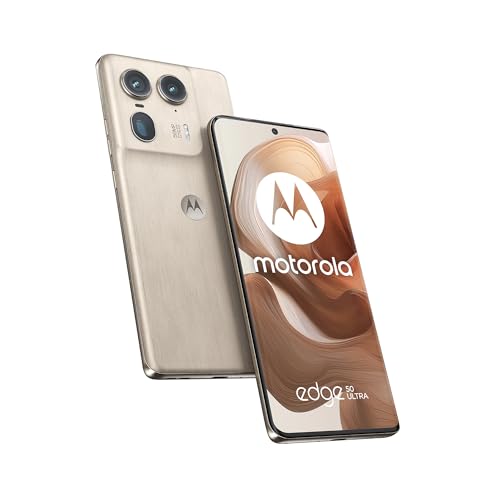
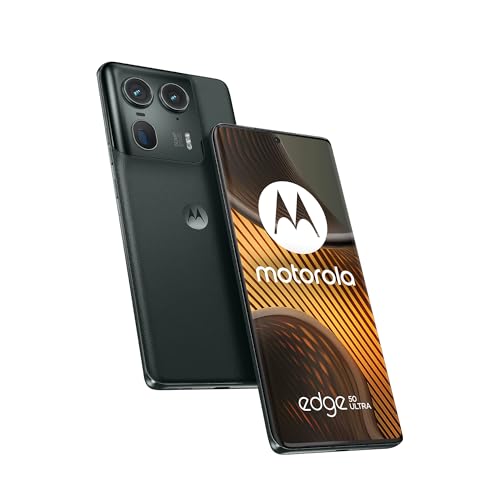
- Motorola Edge 50 Ultra (16GB + 1TB) (Overall score: 8.52)
- Motorola Moto X50 Ultra (16GB + 1024GB) (Overall score: 8.43)
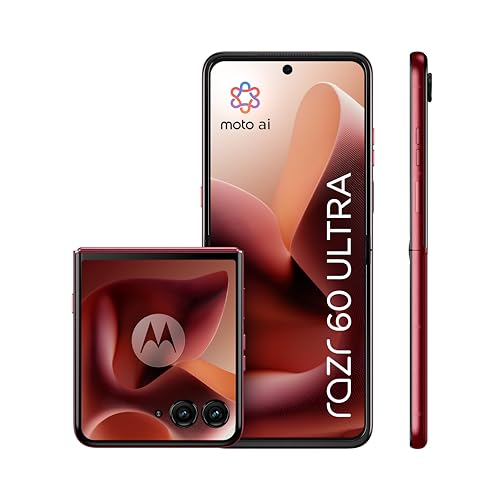
- Motorola Razr 60 Ultra (16GB + 512GB) (Overall score: 8.41)
The chart below ranks smartphone brands based on their overall scores.
[horizontal-chart-14855520977915281854131920228859147337322180876303]
What are the main advantages of Motorola smartphones?
The main advantages of Motorola smartphones are as follows in the bullet points below.
- Affordable pricing: Motorola smartphones cost less than competitors and users buy high-spec models under £340. Models like the Moto G series deliver 5G connectivity and 128 GB storage at prices around £170. Users save money and get value without premium brand markups.
- Clean Android interface: Motorola uses near-stock Android software and the system runs smoothly with minimal bloatware. Devices boot fast and apps launch in under 2 seconds on average. Users customize easily and receive timely security patches.
- Long battery life: Motorola equips phones with 5000 mAh batteries and devices last up to 2 days on moderate use. Fast charging reaches 50% in 30 minutes with 33W adapters. Users charge less often and stay connected longer during travel.
- Durable build quality: Motorola constructs phones with Gorilla Glass and IP68 water resistance, so devices withstand drops from 1.5 meters. Military-grade certifications protect against dust and shocks. Users rely on the hardware in harsh conditions like outdoor work.
- Versatile camera systems: Motorola includes 50 MP main sensors and ultra-wide lenses capture detailed photos at 4K resolution. Night mode improves low-light shots by 30% brightness. Users record stable videos and edit with built-in AI tools.
- Expandable storage options: Motorola supports microSD cards up to 1 TB and users add space for photos and apps without cloud reliance. Internal storage starts at 128 GB in base models. Devices handle large files and multitasking efficiently.
- Reliable 5G performance: Motorola integrates Snapdragon processors and phones achieve download speeds over 1 Gbps on 5G networks. Low latency supports gaming and streaming in HD. Users connect seamlessly in urban areas with strong signal strength.
What are the main disadvantages of Motorola smartphones?
Motorola smartphones have the following disadvantages.
- Limited software updates: Motorola provides only 2-3 years of OS upgrades and some models miss features from newer Android versions. Users upgrade hardware sooner than with other brands.
- Average display quality: Screens use 60 Hz refresh rates in budget models and visuals appear less smooth than 120 Hz competitors. Brightness peaks at 500 nits, so outdoor visibility suffers in direct sunlight.
- Weaker processor performance: Entry-level chips like Helio G series lag in heavy multitasking and games run at 30 FPS on high settings. Devices heat up during extended use.
- Basic accessory ecosystem: Motorola lacks proprietary cases and wireless earbuds, so users buy third-party options. Compatibility issues arise with some chargers.
- Inconsistent camera processing: Software over-sharpens images and colors shift in varying light. Low-light noise affects 20% of shots.
Who makes Motorola smartphones?
Motorola smartphones are produced by Motorola Mobility LLC, a U.S.-based company owned by Lenovo since 2014. Lenovo, a Chinese technology giant, acquired the brand from Google in a deal worth about 2.9 billion USD. Motorola Mobility’s headquarters are in Chicago’s Merchandise Mart, and the company employs around 3,500 people worldwide, with the majority based in the United States.
The Motorola name dates back to 1928, when Paul and Joseph Galvin founded the original Motorola company in the United States. In 2011, the company split into two separate entities: Motorola Solutions, focused on telecommunications infrastructure, and Motorola Mobility, responsible for consumer products like smartphones. Google purchased Motorola Mobility in 2012 for about 12.5 billion USD, mainly for its patents, before selling it to Lenovo two years later.
Today, Motorola Mobility designs and develops all Motorola and Moto-branded smartphones under Lenovo’s ownership. The company continues to maintain its design and engineering base in the United States while operating on a global scale.
What are the main Motorola smartphone series?
The main Motorola smartphone series are as follows.
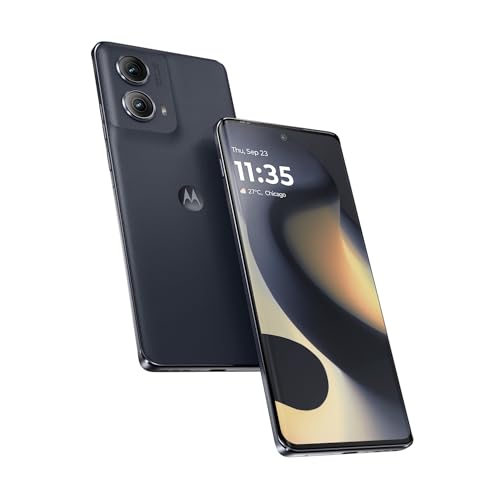
- Moto G: Mid-range Android phones focus on value and battery life. Models include Moto G Power (2025) and Moto G Stylus 5G (2025), and they feature 5G support and large displays. Users get solid performance for daily tasks.
- Moto E: Budget series targets entry-level users with basic features. Phones like Moto E14 (2024) and Moto E15 provide affordable options, and they include long battery life and simple cameras. This line suits first-time smartphone owners.
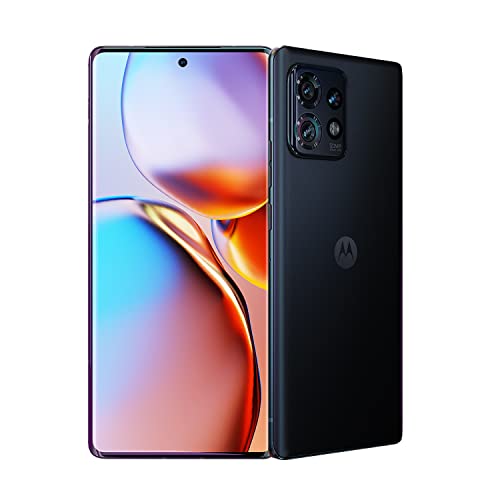
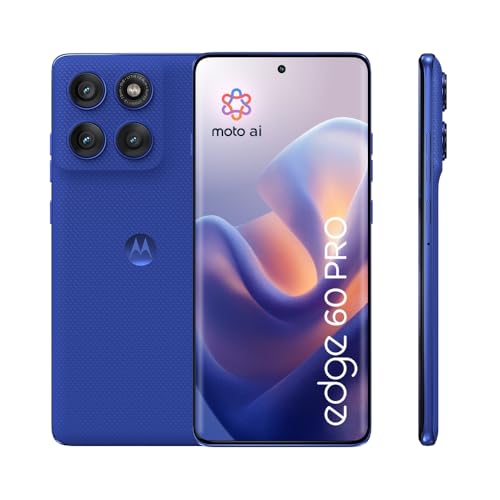
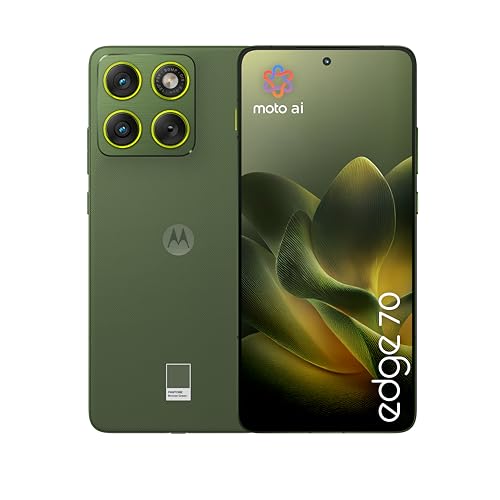
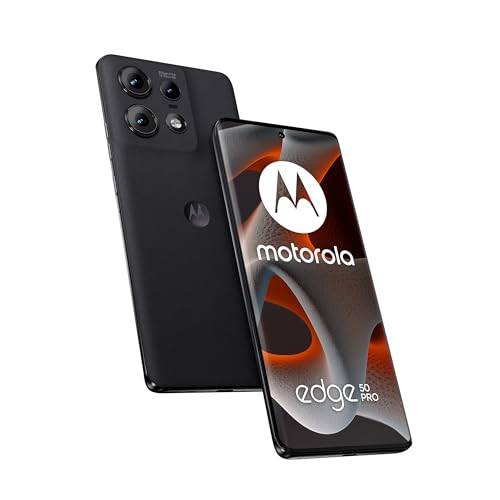
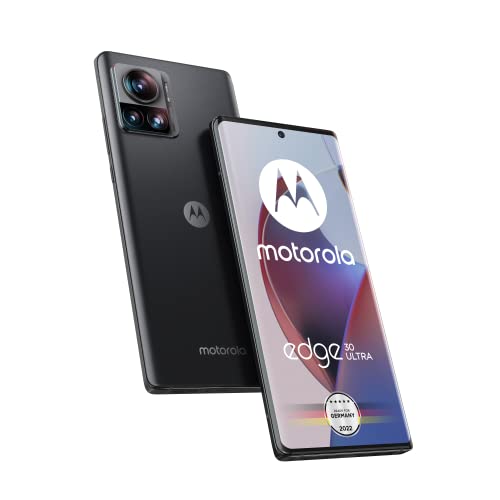
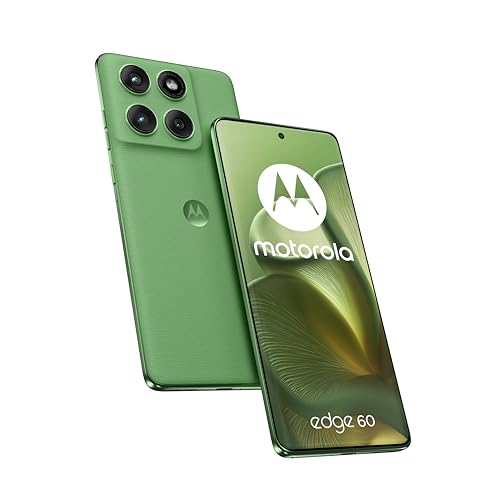
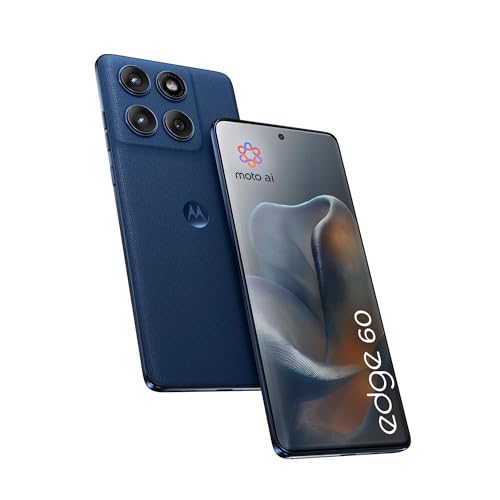
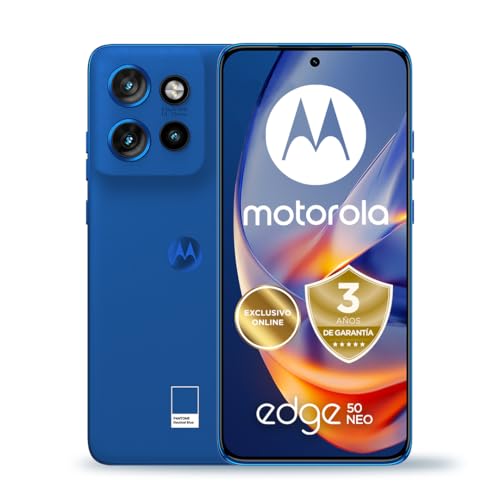
- Moto Edge: Premium series emphasizes high-end specs and design. Devices such as Edge 60 Pro and Edge 50 Neo deliver fast charging and advanced displays, and they compete with flagship models. Colors come in Pantone designs.
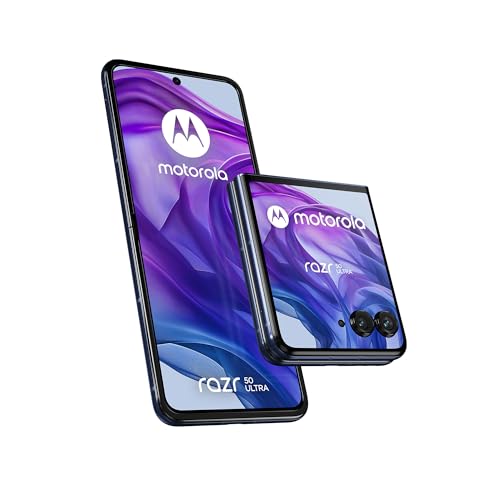
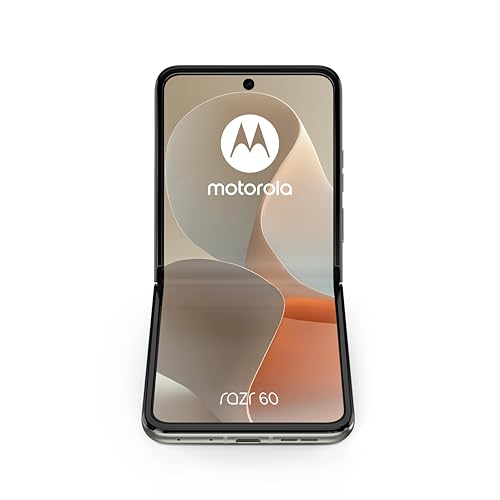
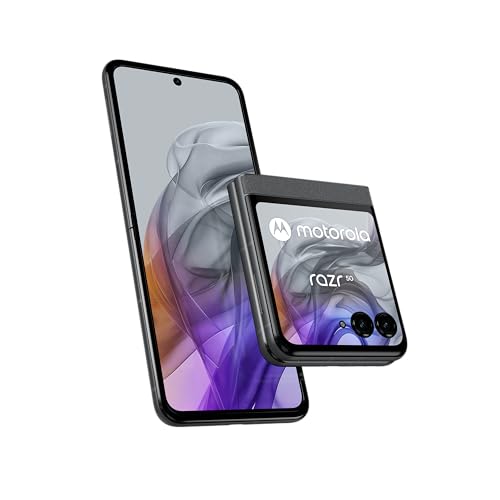
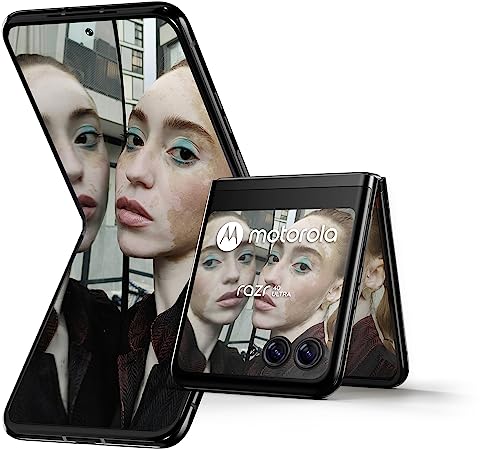
- Razr: Foldable flip phones blend style and innovation. Models like Razr 60 Ultra and Razr Ultra 2025 use pOLED screens, and they support quick views when closed. Cameras reach 50MP resolution.
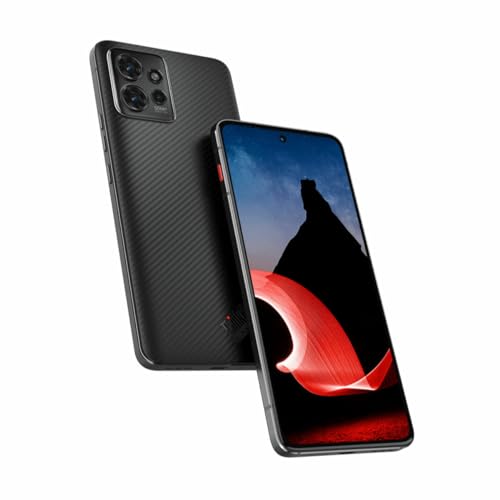
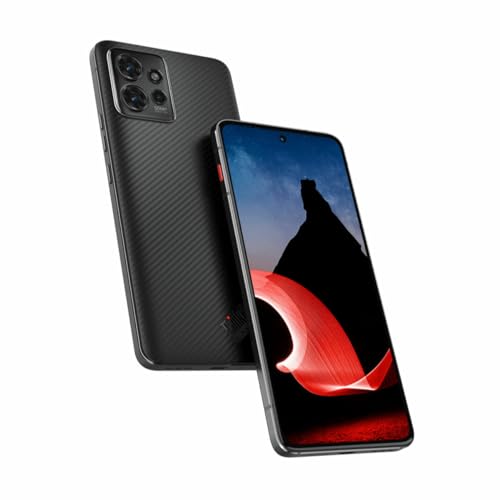
- ThinkPhone: Business-oriented series prioritizes security and productivity. The ThinkPhone 25 integrates with Lenovo ecosystems, and it offers military-grade durability. This suits professional environments.
The best available Motorola Edge series smartphones (with the highest overall score) are as follows:
- Motorola Edge 50 Ultra (16GB + 1TB) (Overall score: 8.52)
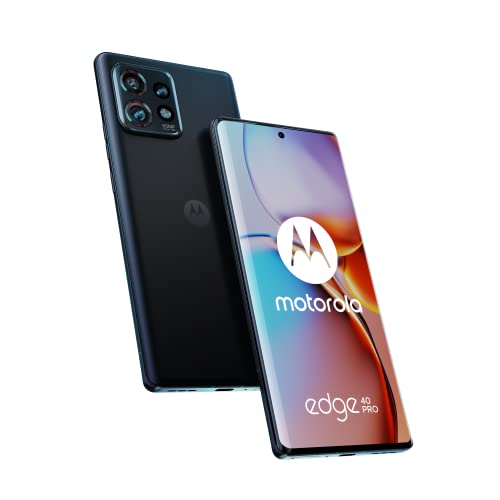
- motorola Edge 40 pro (12GB + 256GB) (Overall score: 8.38)
The best available Motorola Moto G series smartphones (with the highest overall score) are as follows:
- Motorola Moto G86 Power (8GB + 512GB) (Overall score: 7.52)
- Motorola Moto G96 5G (8GB + 256GB) (Overall score: 7.45)
The following Motorola Moto E series smartphones currently available received the highest overall scores:
- Motorola Moto EDGE 30 Fusion (8GB + 128GB) (Overall score: 7.46)
- Motorola Moto e14 (2GB + 64GB) (Overall score: 5.66)
The best available Motorola Razr series smartphones (with the highest overall score) are as follows:
- Motorola Razr 60 Ultra (16GB + 512GB) (Overall score: 8.41)
- Motorola Razr 50 Ultra (12GB + 512GB) (Overall score: 8.1)
How much do Motorola smartphone costs?
Motorola smartphones cost from about £85 for entry-level models to over £850 for premium foldable devices. Prices vary based on the series, specifications, and release year, so you can find a model that fits both budget and performance needs.
The Moto E series includes the most affordable smartphones, usually priced between £85 and £170, with basic hardware for everyday tasks. The Moto G series covers the mid-range market, starting at around £170 and going up to £425, with better cameras, faster processors, and higher-resolution displays. The premium Motorola Edge series starts at about £425 and can exceed £765, with features like high refresh rate OLED displays, advanced camera systems, and 5G support.
Motorola’s foldable Razr models sit at the top of the price range, often costing over £850, as they use flexible display technology and flagship-grade hardware.
With an average price of £205 €, Motorola smartphones rank #15 in price among smartphone brands (from cheapest to most expensive) and hold an average quality-price ratio score of 8.2, placing them at position #8.
(Note: Only brands with at least 6 smartphones in our database, released after 2022, were included.)
What should you consider while choosing the best Motorola smartphone?
When you choose the best Motorola smartphone, you should focus on the following key aspects which decide its speed, storage, camera performance, display quality, battery life, and connectivity:
- Processor: The processor controls the overall speed and responsiveness of the phone. Motorola uses Qualcomm Snapdragon and MediaTek Dimensity chips, with higher-tier processors like Snapdragon 8 Gen 2 delivering top performance for gaming, multitasking, and demanding apps, while mid-range processors like Snapdragon 6 or Dimensity 700 balance performance with efficiency.
- RAM: RAM affects multitasking and app switching speed. Basic models start with 4 GB, which is fine for light use, while 6 GB or 8 GB is better for smooth gaming and video editing. Premium Motorola models may have 12 GB or 16 GB, which handle heavy use without slowdowns.
- Storage: Storage capacity determines how many apps, photos, and videos you can save. Entry-level devices start at 64 GB, mid-range ones often have 128 GB, and top models go up to 256 GB or 512 GB. Some include microSD support, which is useful if you keep large 4K videos or music libraries.
- Display: The display impacts clarity, color, and smoothness. Motorola offers LCD and OLED screens, with OLED providing better contrast and deeper blacks. Higher refresh rates like 90 Hz or 120 Hz make scrolling and animations smoother, while Full HD+ resolution or higher improves sharpness.
- Camera: Motorola’s camera systems range from simple setups to advanced multi-lens arrays. Flagship models feature 50 MP or 108 MP sensors with optical image stabilization, ultra-wide and macro lenses, and enhanced night photography. Many models record in 4K, and some premium ones in 8K.
- Battery: Battery size affects daily use. Many Motorola smartphones use 5000 mAh batteries, which can last over a day with mixed usage. Charging speeds vary, with options like 30 W, 68 W, or even 125 W on some devices, allowing quick recharges.
- Connectivity: Modern Motorola models support 5G for faster internet, NFC for contactless payments, Bluetooth 5.2 for stable wireless connections, and dual SIM for managing two numbers. Wi-Fi 6 is available on higher-end models for better network speed and stability.
- Build and Design: Motorola phones come in plastic, glass, or metal builds. Higher-end models often feature Gorilla Glass protection and water-repellent coatings. Some also have slimmer bezels and curved edges for a more premium look and better grip.