What are the best tablet brands of 2025?
The best tablet brands are as follows.
- Samsung (Overall score: 8.9 points)
- Apple (Overall score: 8.7 points)
- Vivo (Overall score: 8.6 points)
The following chart ranks tablet brands based on their overall scores.
[horizontal-chart-17307447123912072405130790404762119862712244951798]
Which tablet brands have the highest user ratings?
The tablet brands with the highest user ratings are as follows.
- Panasonic (Average user ratings: 9.7)
- Apple (Average user ratings: 9.5)
- Xiaomi (Average user ratings: 9.4)
Tablet brands are ranked by user ratings in the following chart.
[horizontal-chart-15158924040761021858053553148289288908440158703502]
Which tablet brands offer the best value for money?
The tablet brands with the best quality-price ratio are as follows.
- Vivo (Average quality-price ratio: 8.5)
- Xiaomi (Average quality-price ratio: 8.5)
- Honor (Average quality-price ratio: 8.5)
Tablet brands are compared by quality-price ratio in the chart below.
[horizontal-chart-11455390420817934480063966036558907463664204428436]
How much do the best tablets cost?
The best tablets cost between £430 and £1,100 depending on the brand, size, and specifications.
High-end Android tablets usually range from £430 to £800, while Apple iPad Pro models start at around £850 and go up to £1,100 for versions with larger displays and more storage. Premium models have higher resolution screens, faster processors, and advanced accessories like stylus pens or detachable keyboards.
Prices vary because different models target different users. A £430 tablet often covers standard needs such as browsing, video, and gaming, but models above £800 deliver laptop-level performance and professional features for design, editing, or productivity tasks.
What operating systems do the best tablets use?
The best tablets mainly use three operating systems.
Apple tablets run on iPadOS, a system built on iOS but adjusted for larger screens, multitasking, and accessories like the Apple Pencil and Magic Keyboard. It has a strong ecosystem of optimized apps and regular updates.
Android tablets run on Google’s Android OS, customized by brands like Samsung or Lenovo. These systems focus on flexibility, support for multiple accounts, expandable storage, and integration with Google services. Some high-end models, such as Samsung Galaxy Tab devices, add features like desktop-style interfaces.
Another system is Windows, used in tablets like Microsoft Surface models. These tablets run the same Windows as laptops and desktops, so they support traditional software and full multitasking. This makes them closer to a laptop replacement compared to iPadOS or Android tablets.
The following chart shows how tablet operating systems are distributed across models.
[pie-chart-02171182586425231473146847727268754966940960751012]
What processor and RAM do the best tablets have?
The best tablets currently feature powerful processors like the Snapdragon 8 Elite chipset found in the OnePlus Pad 3, MediaTek Dimensity 9300+ in the Galaxy Tab S10 Plus, and Apple's M4 processor in the iPad Pro.
These devices come paired with substantial RAM configurations, typically 12GB to 16GB, which supports seamless multitasking and demanding applications.
RAM capacities are distributed among tablet models in the following chart.
[vertical-chart-10444654168160998878011723291342179423421736979255]
How much storage do the best tablets include?
The best tablets include storage that starts at 128 GB and goes up to 2 TB in high-end models.
Entry configurations of premium devices usually begin at 128 GB, which is enough for apps, photos, and some offline videos, while larger capacities target heavy users who need space for professional work, 4K video, or large games.
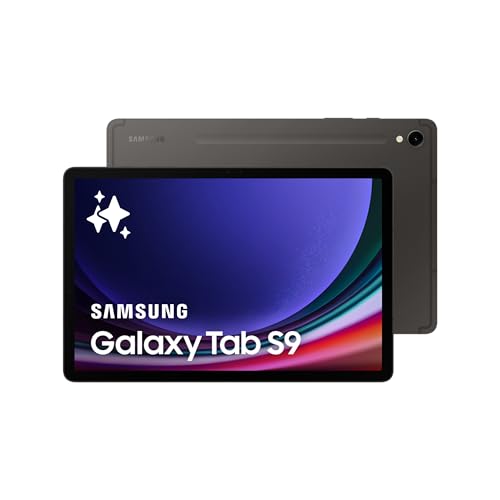
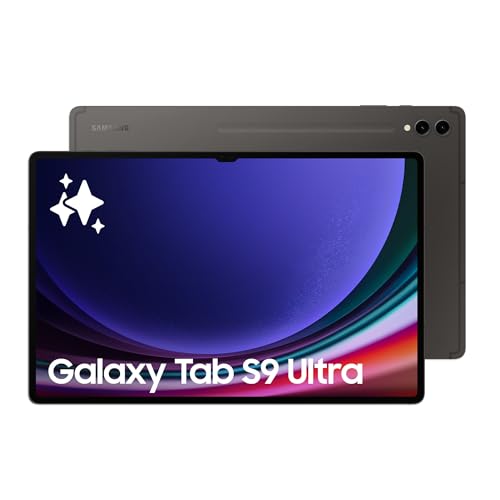
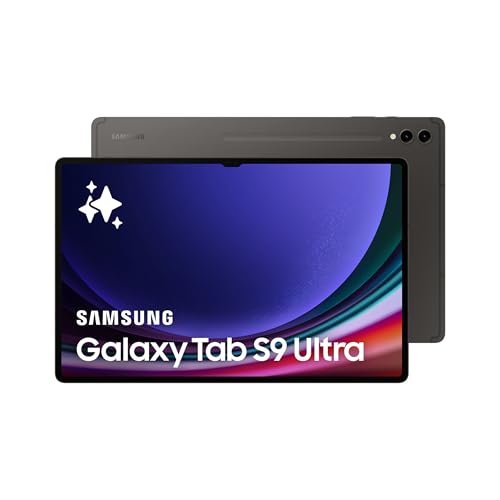
Apple’s iPad Pro leads with up to 2 TB of internal storage, which suits professional creators that handle large design files or long video projects. Samsung Galaxy Tab S9 Ultra also offers up to 1 TB, which is expandable through microSD cards.
Mid-range premium tablets, such as the iPad Air or Lenovo Tab P series, typically come in 128 GB or 256 GB versions, while older or lower-priced flagship models can still be found with 64 GB as the base option.
The chart below illustrates how internal storage capacities are distributed among tablet models.
[vertical-chart-15793515976400635724114400059009177218993378352802]
What screen sizes and resolutions do the best tablets have?
The best tablets have screen sizes that range from about 8 inches to over 13 inches, and they pair these displays with high resolutions that deliver sharp detail.
Smaller tablets usually come with screens around 8–9 inches and a Full HD resolution (1920 × 1200), which gives clear text and visuals for reading, browsing, and streaming. Larger models often use 11–13 inch displays with higher pixel densities, going up to 2732 × 2048 pixels, so you get smoother graphics and better visibility for multitasking and creative work.
Premium tablets frequently use advanced display technology such as OLED or Liquid Retina panels, which push brightness, contrast, and color accuracy beyond standard LCD screens. Resolutions in these tablets often exceed 2K or even reach 3K, which means images stay sharp even on the biggest models.
A 12.9-inch screen with a 2732 × 2048 resolution gives you desktop-level clarity, while mid-range devices at 10–11 inches with 2000 × 1200 pixels strike a balance between portability and detail.
The following chart shows how tablet screen sizes are distributed across models.
[vertical-chart-12632802681511284603052625274869241093603010506481]
How good are the cameras on the best tablets?
The cameras on the best tablets reach impressive quality levels that compete with mid-range smartphones and handle most photography needs well.
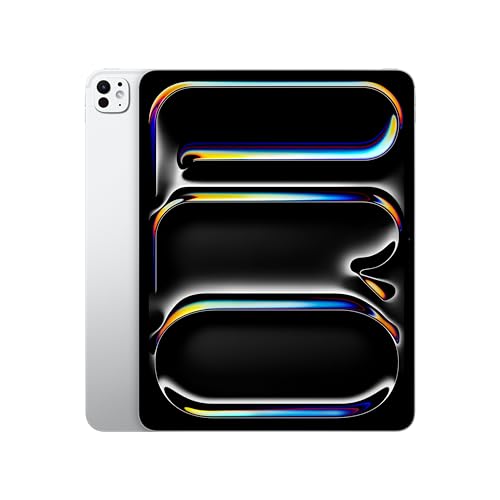
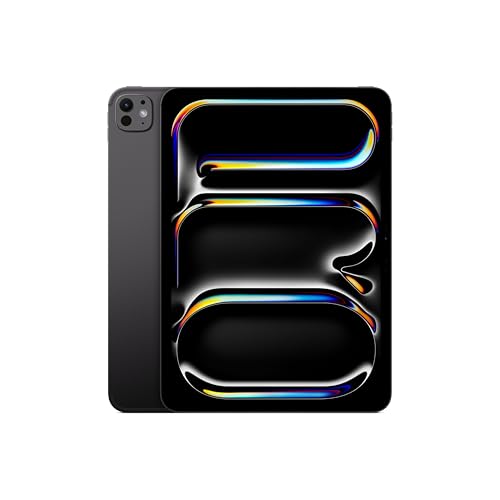
The iPad Pro 11-inch M4 leads tablet camera performance with dual 12MP rear lenses (wide and ultra-wide) that capture 4K video at 60fps, plus a 12MP ultra-wide front camera with Center Stage technology for video calls.
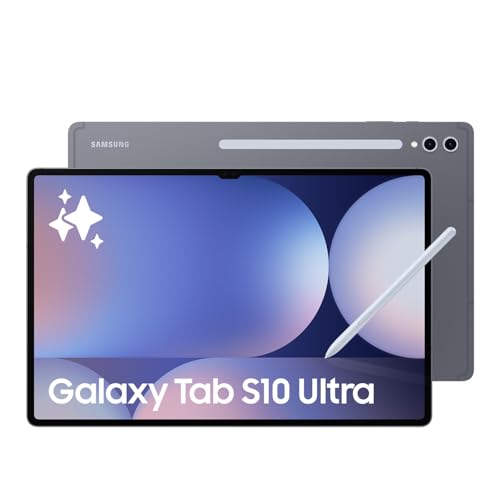
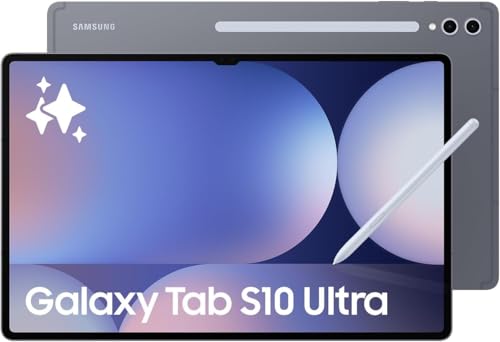
The Samsung Galaxy Tab S10 Ultra delivers comparable results with a 13MP f/2.0 primary camera and 8MP f/2.2 ultra-wide camera on the rear, while dual front cameras (both 12MP) handle video calls and selfies effectively.
How long does the battery last on the best tablets?
Battery life on the best tablets ranges from 11 to 16 hours depending on the model and usage conditions.
The OnePlus Pad 3 leads the pack with 16 hours and 21 minutes of continuous use in testing, while the Samsung Galaxy Tab S9 series (S9, S9+, and S9 Ultra) all deliver 11 hours of battery life. Apple's iPad Pro 12.9 achieves up to 14 hours during laboratory testing, and budget options like the Lenovo Tab M8 Gen 4 match the premium Samsung tablets with 11 hours of runtime.
The battery performance varies significantly based on display technology and processor efficiency. Samsung's Galaxy Tab S9+ and S9 Ultra maintain their 11-hour runtime despite using power-hungry Super AMOLED displays, while the standard S9 uses a more efficient TFT LCD screen.
Premium tablets like the iPad Air M3 and iPad Pro M4 fall short of the OnePlus Pad 3 in battery tests but still provide solid all-day performance.
What charging technologies do the best tablets support?
The best tablets support a wide range of charging technologies that improve speed and compatibility. Most premium models use USB-C ports, which enable fast charging with higher power delivery standards. Some tablets support 18W to 45W charging, so you can recharge the battery in shorter times compared to standard 10W chargers.
Wireless charging is less common but available on certain high-end models. This feature works with Qi-compatible chargers and adds flexibility when you place the device on a charging pad.
A few tablets also support reverse wireless charging, which lets them recharge smaller devices such as wireless earbuds or smartwatches.
What connectivity do the best tablets offer?
The most common connectivity options in the best tablets are as follows:
- Wi-Fi: Most tablets include dual-band Wi-Fi (2.4 GHz and 5 GHz) for stable browsing and streaming. Premium models also support Wi-Fi 6 for higher speed and lower latency.
- Cellular: Many tablets come in Wi-Fi only versions and LTE or 5G variants. A 5G tablet gives faster mobile internet speeds, while LTE versions still cover most needs if 5G is not available.
- Bluetooth: Tablets use Bluetooth to connect accessories like keyboards, headphones, and styluses. The best models support the latest Bluetooth standards for lower power use and stronger connections.
- USB-C: Modern tablets use USB-C ports for charging and data transfer. High-end models support USB-C 3.1 or Thunderbolt, which enable faster transfer speeds and external display connections.
- Audio jack: Some tablets still include a 3.5 mm headphone jack, but many premium models removed it, so users rely on Bluetooth or USB-C headphones.
- GPS: Cellular versions often integrate GPS, which supports navigation and location-based apps. Wi-Fi only tablets usually use Wi-Fi positioning instead, which is less precise.
- NFC: NFC is less common in tablets, but a few high-end models include it for contactless payments or quick pairing with devices.
How durable are the best tablets?
The best tablets are durable because brands use strong materials and advanced protection methods.
Most models have aluminum or reinforced plastic bodies that resist scratches and impacts, and premium tablets use Gorilla Glass or similar hardened glass to protect the display from cracks. Some models also have IP-rated resistance against dust and water, so they can survive contact with liquids or short submersions.
While no tablet is indestructible, these features extend the device’s lifespan and reduce the risk of damage in daily use.