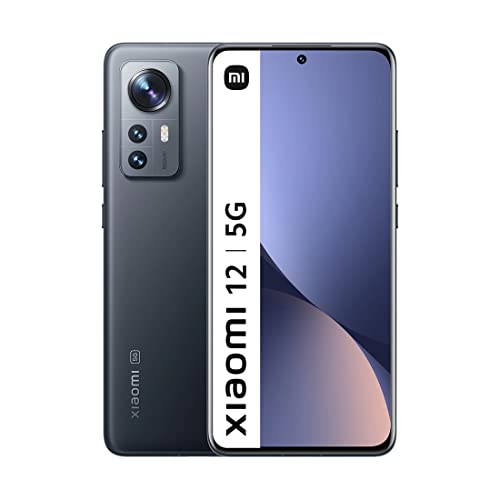
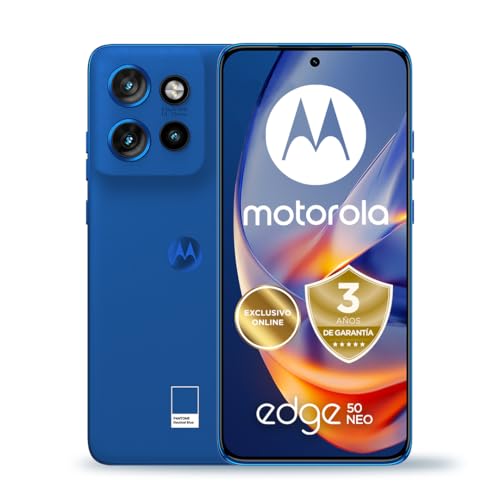
How good are smartphones under £250 in today's market?
Smartphones under £250 in today’s market are good for everyday use and you can rely on them for smooth performance, long battery life, sharp 90–120Hz displays, and 5G in many models. You can game at medium settings, take decent daytime photos, and get fast charging and NFC in many cases, but you will see weaker night photos, limited ultrawide or telephoto quality, slower storage, and shorter software support than mid-range and flagships.
The best available smartphones under £250 (with the highest overall score) are as follows:
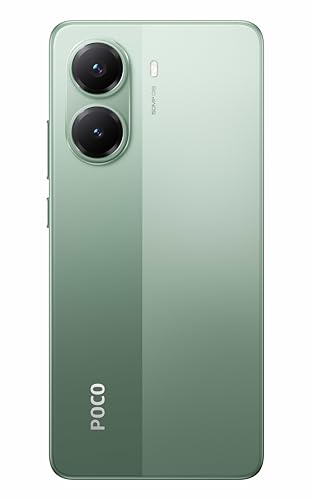
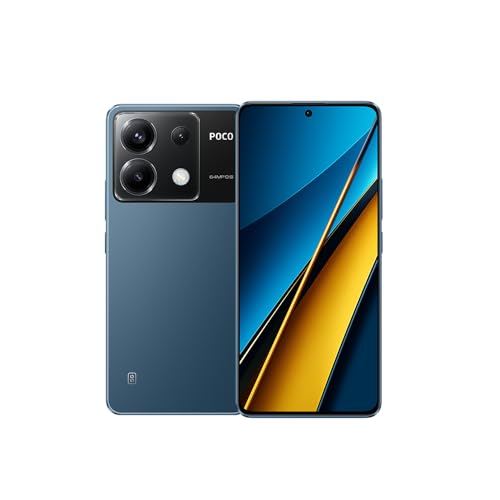
- Poco X7 Pro 5G (12GB + 512GB) (Overall score: 8.21 points)
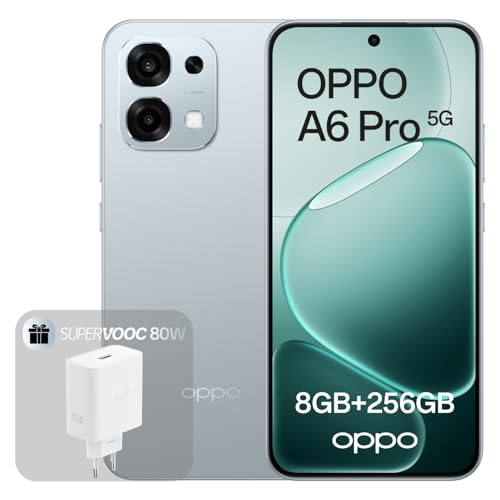
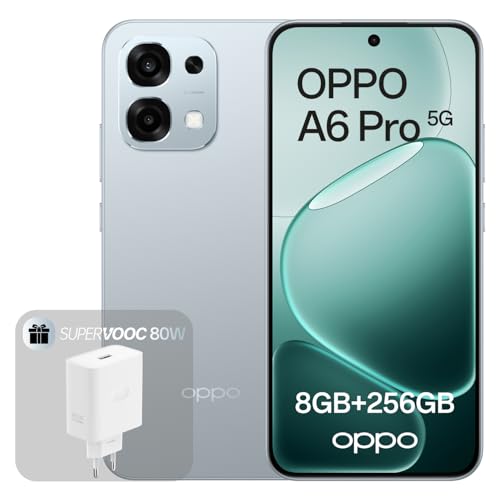
- Oppo A6 Pro China (16GB + 256GB) (Overall score: 8.02 points)
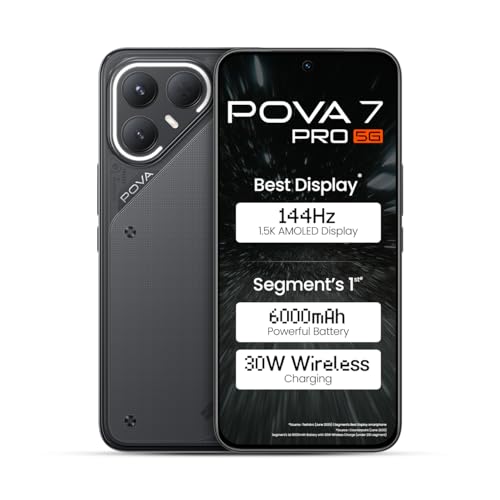
- Tecno Pova 7 Pro 5G (12GB + 256GB) (Overall score: 8.01 points)
Which brands make the best smartphones under £250?
The brands with the best smartphones under £250 (with the highest overall score) are as follows:
- Oppo (Average overall score: 7.6)
- Motorola (Average overall score: 7.4)
- Xiaomi (Average overall score: 7.2)
Note: Only brands with at least 6 smartphone models in our database, released since 2022, were considered.
The chart below ranks smartphone brands based on their overall scores for models under £250.
[horizontal-chart-05169899402437646393004436677755395004623341346006]
What CPU and RAM can you expect from smartphones under £250?
You can expect budget smartphones under £250 to use entry-level or mid-range CPUs and 4 GB to 8 GB of RAM.
Most models in this price range use MediaTek Helio G-series or Dimensity 600/700 chips, Qualcomm Snapdragon 680 or 695, or Unisoc T-series. These processors handle everyday tasks smoothly and support light gaming, although they lag behind flagship chipsets in graphics performance and processing power.
The RAM usually starts at 4 GB in cheaper models and goes up to 6 GB or even 8 GB in the best-value phones near the £250 mark. Phones with 8 GB of RAM are more responsive and better for multitasking, especially if you keep several apps open. If you look at models with Snapdragon 695 or Dimensity 6100+, you also get 5G connectivity, so the chip choice affects both speed and features.
The chart below illustrates the distribution of RAM capacities in smartphones priced under £250.
[vertical-chart-10690722542376771468116654843350380399023830438265]
What battery life do smartphones under £250 offer?
Budget smartphones under £250 usually have a battery life that lasts between 1 and 2 days of typical use. Most models in this price range use batteries with capacities from 4500 mAh to 6000 mAh, which is enough to handle a full day of social media, messaging, video streaming, and light gaming. The exact battery life depends on screen size, refresh rate, processor efficiency, and software optimization.
If you want longer usage time, look for phones with 5000 mAh or more and a 60 Hz display, since higher refresh rates drain more power.
The following chart highlights how battery capacities vary among smartphones costing less than £250.
[vertical-chart-03771820427969868687043890941598266278141992366807]
How much storage comes with smartphones under £250?
Budget smartphones under £250 usually come with 64 GB or 128 GB of internal storage. You rarely see 32 GB anymore, and 256 GB models almost never fall in this price range. You’ll most often find 128 GB in newer budget models or phones that launched at higher prices but dropped over time.
Many of these phones also support microSD cards (up to 512 GB or 1 TB), so you can expand storage if you need more space for photos, apps, or videos.
Brands like Xiaomi, Samsung, Motorola, and Realme usually give you 128 GB in their mid-range or entry-level models. 64 GB shows up mostly in older or ultra-budget models under £150. You should always check if the phone uses UFS or eMMC storage—UFS runs faster, which helps with app loading and system performance.
Smartphones under £250 are compared by storage capacity in the chart below.
[vertical-chart-17076651229668783672093666148834342344433881351890]
What display quality do smartphones under £250 provide?
Budget smartphones under £250 give you decent display quality, but you will see compromises in brightness, color accuracy, and refresh rate. Most models use IPS LCD panels with Full HD+ resolution (around 2400 x 1080), which look sharp for everyday use. Colors usually appear neutral or slightly cool, and contrast levels stay moderate. You won't get the deep blacks of OLED, and HDR support is rare or minimal. Sunlight visibility stays weak because peak brightness often stays below 500 nits.
Some models use AMOLED displays, especially in brands like Xiaomi or Samsung, but those usually have trade-offs like slower processors or lower refresh rates. In this range, most screens refresh at 60Hz or 90Hz. The 90Hz screens feel smoother when you scroll or play casual games, but only a few phones under £250 reach that.
Display types found in smartphones under £250 are represented in the following chart.
[pie-chart-06912899157326878879159733318105258326333678613338]