Which major smartphone brands are made in China?
Major smartphone brands made in China are as follows:
- Huawei: Known for advanced technology and proprietary chips like the Kirin 9000S, Huawei focuses on innovation and operates HarmonyOS as an alternative to Android and Apple operating systems. The company regained strong domestic market presence despite international restrictions.
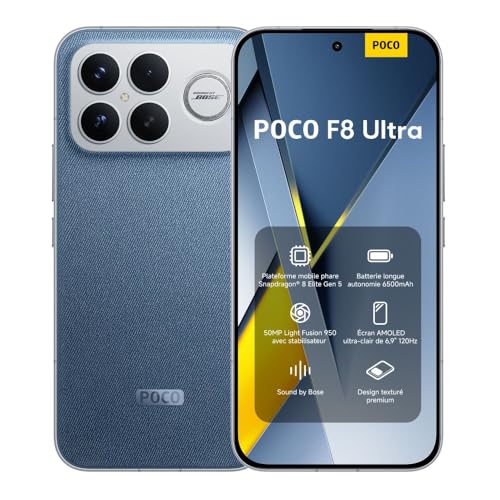
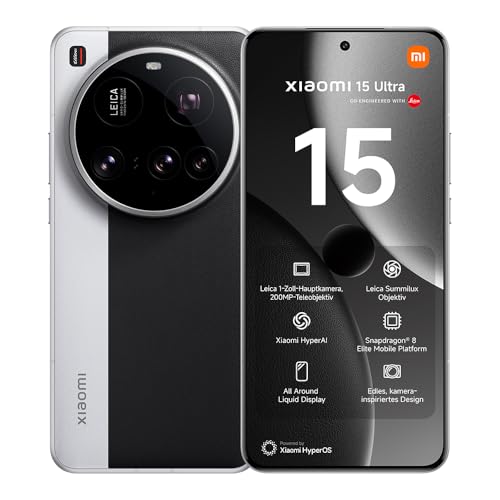
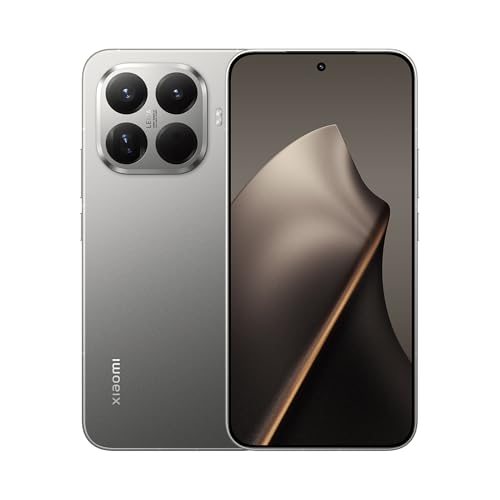
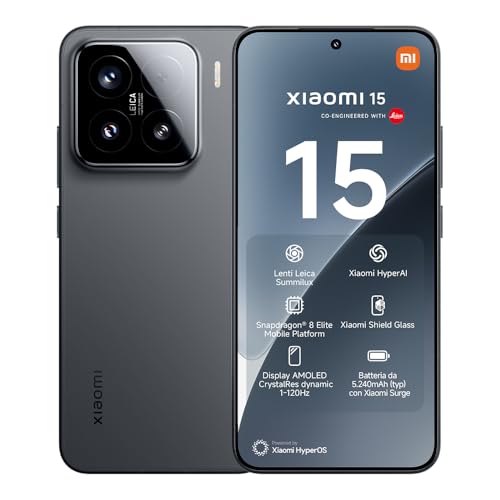
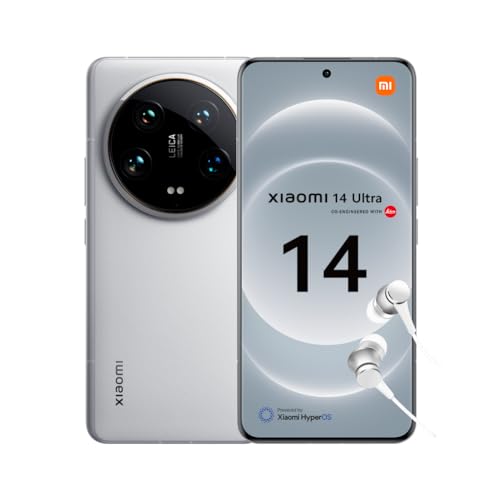
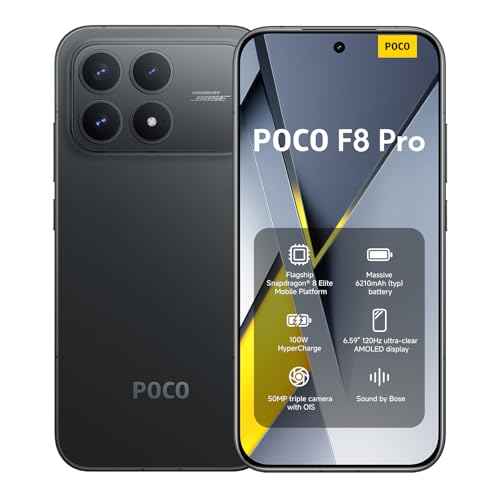
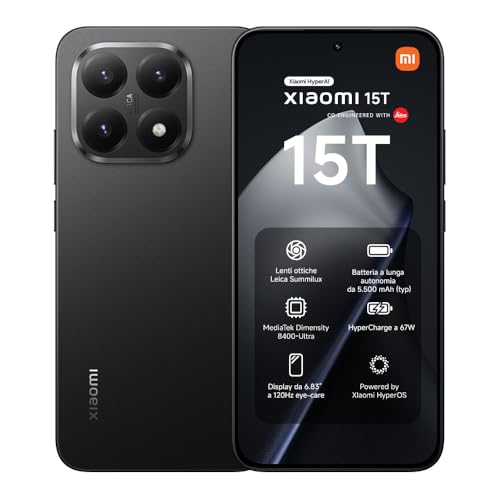
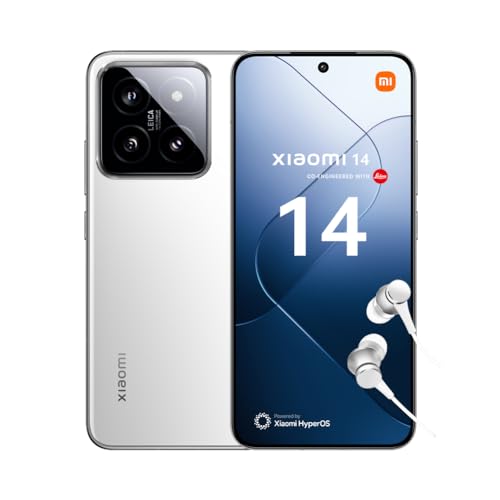
- Xiaomi: This brand leads with a broad range of smartphones, from budget to premium models, featuring strong performance and competitive pricing. Xiaomi holds a significant market share in China and globally.
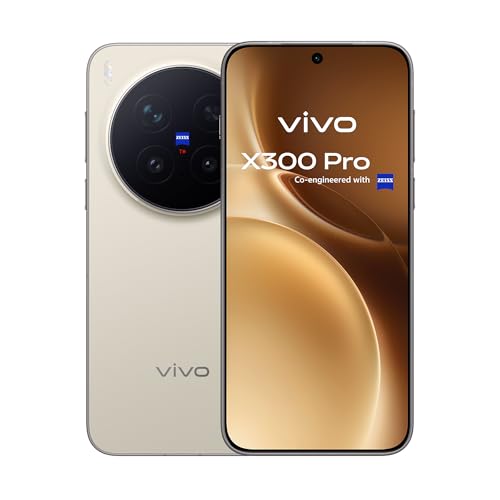
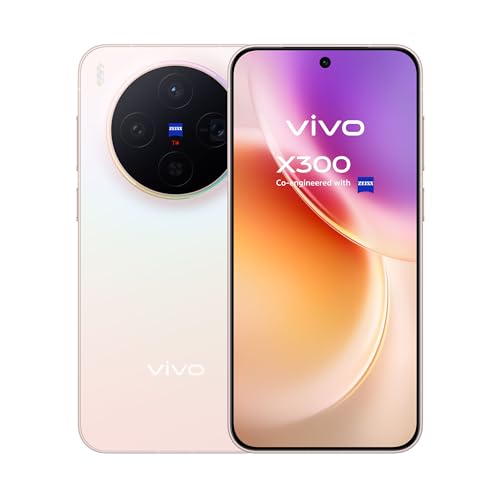
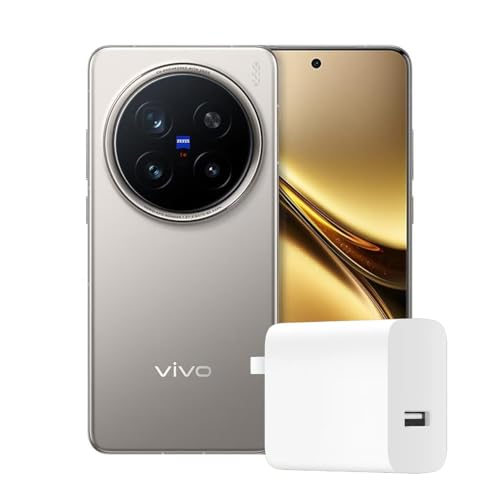
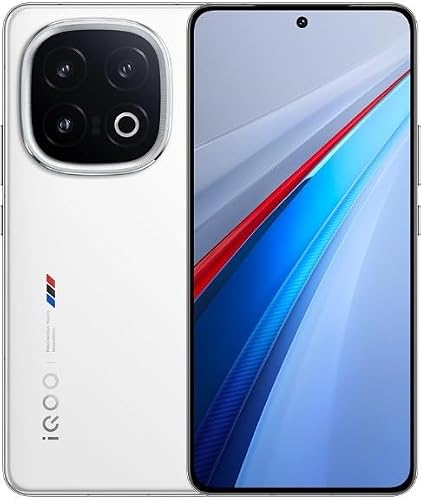
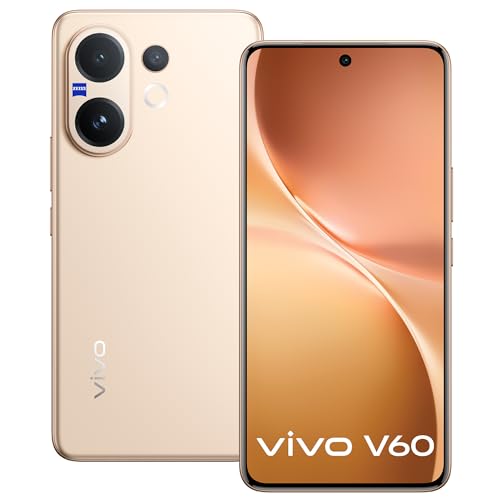
- Vivo: Vivo presents high-quality smartphones with advanced camera systems, AI features, and fast-charging technology. It leads in market share within China by offering powerful devices at affordable price points.
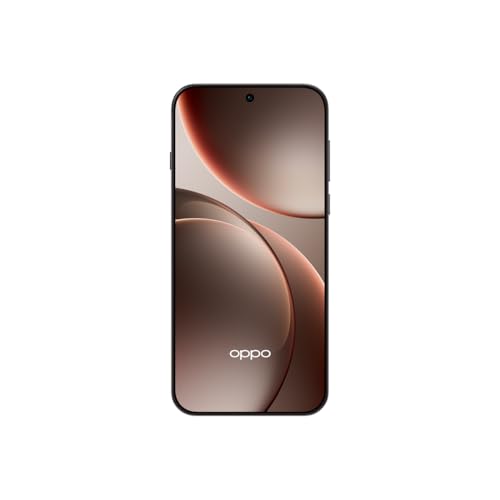
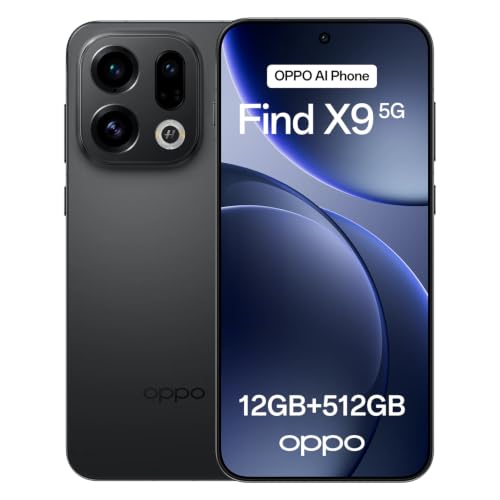
- OPPO: Known for innovation in form factors including foldables, OPPO competes strongly in both mid-range and flagship segments with features like AI camera technology and high-performance hardware.
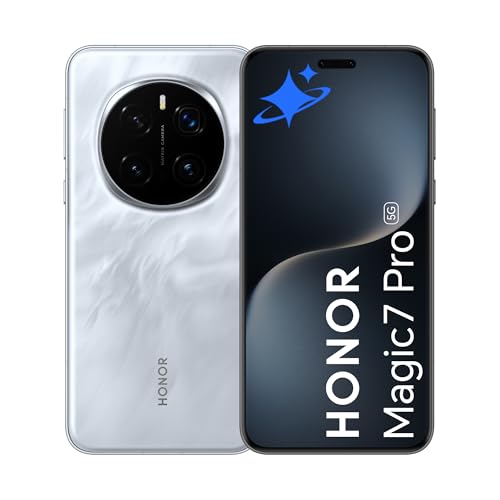
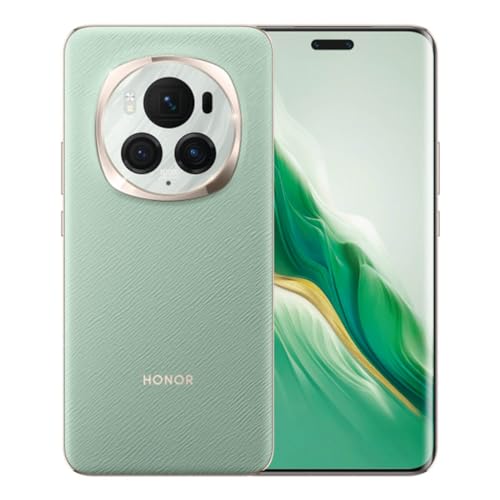
- Honor: Originally a Huawei sub-brand, Honor now operates independently and offers premium and mid-range smartphones with cutting-edge features and strong market presence in China.
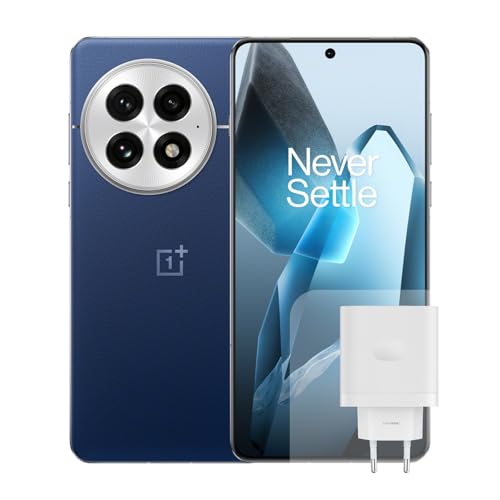
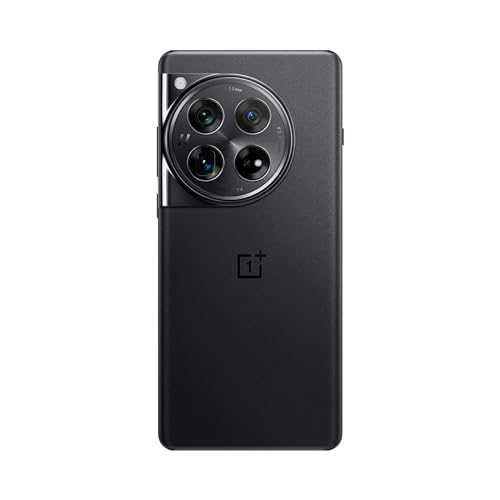
Additional Chinese brands include Lenovo and OnePlus, which also manufacture phones domestically with a focus on innovation and competitive global appeal. Apple assembles its phones in China, but it is headquartered elsewhere and not considered a Chinese brand.
The best available Chinese smartphones (with the highest overall score) are as follows:
- Xiaomi (Overall score: 8.6 points)
- vivo (Overall score: 8.4 points)
- OnePlus (Overall score: 8.3 points)
Which brands make the best chinese smartphones?
The best Chinese smartphone brands are as follows:
- Xiaomi (Average overall score: 8.6)
- vivo (Average overall score: 8.4)
- OnePlus (Average overall score: 8.3)
Note: Only brands with at least 6 smartphone models in our database, released since 2022, were considered.
The chart below ranks Chinese smartphone brands based on their overall scores.
[horizontal-chart-06294984602061954157160373559266908047004187747377]
Are Chinese smartphones good?
Yes, Chinese smartphones are good. You get high performance, strong hardware, and modern features at lower prices than most global brands. Top brands like Xiaomi, OnePlus, Huawei, and Realme compete directly with Samsung and Apple. They use fast processors (Snapdragon or Dimensity), high-refresh-rate AMOLED screens, and advanced camera systems.
You also get fast charging (often 67W or more), strong battery life, and good build quality. Software varies by brand—some run close-to-stock Android, while others use heavier skins (MIUI, ColorOS), which affect user experience and update speed.
Security and data privacy remain common concerns. Some users worry about data collection or Chinese government ties. However, most Chinese phones sold globally follow strict regulations (especially in the EU) and pass safety certifications. Google services work on most brands, but Huawei phones still lack full Google support because of U.S. sanctions, so apps like YouTube, Gmail, or Google Maps don’t work on them unless you install workarounds.
What makes Chinese smartphones so affordable?
Chinese smartphones stay affordable due to several combined factors as follows:
- Low labor and production costs: Chinese manufacturers benefit from cheaper wages, energy, taxes, infrastructure, and land compared to Western countries. Most phone components and assembly happen locally, reducing transportation and tariff expenses.
- Efficient supply chain and bulk component sourcing: Companies order parts like batteries, RAM, and circuit boards in bulk from local suppliers. This proximity and scale cut costs compared to foreign competitors relying on imported parts.
- Balanced hardware choices: Chinese brands tend to use mid-range or slightly older components—such as MediaTek processors instead of flagship Snapdragon or Exynos chips, and DDR3 memory rather than more expensive DDR4 modules. They also select slightly lower-cost displays and sensors that still provide good performance.
- Limited profit margins and focus on value: Brands like Xiaomi keep profit margins low (around 5%) to offer competitive prices. They trade extravagant marketing, physical stores, and premium materials for affordability.
- Lower expenditures on research and development: Chinese companies often reuse innovations across brands and spend less on patents and R&D compared with firms like Apple that heavily invest in proprietary technology and software.
Is it safe to use Chinese smartphones?
It is generally safe to use Chinese smartphones, but risks exist especially regarding data privacy and security. Chinese brands like Xiaomi have improved device security, and official tests (such as by Germany's BSI on Xiaomi models) found no suspicious censorship or unusual behavior in exported phones. Still, consumer advocates advise caution because Chinese phones may transmit user data to servers within China, potentially accessible by the Chinese government.
Chinese smartphones also face scrutiny for pre-installed spyware, malware vulnerabilities, and hardware or encryption backdoors. Some low-end models may come with trojanized apps pretending to be popular ones like WhatsApp, which can steal sensitive data, including financial information.
Beyond the device itself, Chinese telecommunications infrastructure plays a global role in mobile data exchange, raising concerns that Chinese state-controlled operators could access unencrypted data and enable surveillance or cyber espionage on users worldwide, regardless of their phone brand.
What to consider while choosing the best chinese smartphone?
When choosing the best Chinese smartphone, consider the following factors.
- Processor: Choose smartphones with Qualcomm Snapdragon or HiSilicon Kirin processors for better performance and reliable updates. Avoid Allwinner, Spreadtrum, Broadcom, and Rockchip processors as they have poor performance and lack updates. MediaTek chips are common but receive fewer updates and may not support major OS upgrades.
- RAM: A minimum of 6 to 8 GB RAM suits most users for smooth multitasking and app performance. High-end models may offer up to 16 GB of RAM for intensive gaming or professional use. More RAM helps handle more apps and complex tasks simultaneously without slowing down.
- Storage: Opt for storage starting from 128 GB UFS 3.1 or higher for faster read/write speeds and ample space for apps, photos, and videos. Some models offer expandable memory via microSD, but internal storage is generally faster and more reliable. Consider your storage needs based on usage to avoid slowdowns due to low free space.
- Camera: Look for multiple camera setups with high megapixels (usually 50 MP or more) and features like optical image stabilization, ultrawide lenses, periscopes, or gimbals. Premium phones like Oppo Find X6 Pro or Vivo X90 Pro excel in photography with advanced sensors and AI enhancements.
- Battery: Choose smartphones with battery capacities of at least 4500–5000 mAh for all-day usage. Fast charging technology (65W to 120W) and wireless charging add convenience. Some phones use silicon-carbon or multiple cell tech for better battery life and longevity.
- Display: AMOLED screens with 120 Hz or higher refresh rates provide smooth visuals and vibrant colors, common in flagship Chinese phones.
- Network compatibility: Ensure the phone supports necessary 4G/5G bands and GPS features for your region, especially if buying a model not officially sold locally.