A digital camera records photographs with an electronic image sensor and saves them as files rather than exposing chemical film. Light passes through the lens, the sensor converts it into electrical information, and the camera processes that information into JPEG, HEIF, RAW, or another image format.
The digital design allows immediate review, reusable memory cards, adjustable ISO, electronic autofocus, metadata, and easy editing or sharing. Cameras range from simple fixed-lens compacts to interchangeable-lens professional bodies, but they all use the same basic sensor-to-file workflow.
How do digital cameras differ from film cameras?
Digital cameras replace the light-sensitive film used by analogue cameras with an electronic sensor and removable storage. A digital exposure can be reviewed immediately, copied without quality loss, and adjusted through settings such as ISO, white balance, picture profile, and noise reduction.
Film cameras produce a physical negative or slide with a fixed sensitivity and a characteristic grain and color response. The photographer normally sees the finished result only after development, which slows the process but can encourage more deliberate shooting.
The cost pattern is also different. Digital photography requires batteries, memory cards, and eventually data storage, but each additional frame costs almost nothing. Film requires a new roll plus development and scanning, so frequent shooting becomes more expensive.
Neither medium is automatically more artistic. Digital is faster, more flexible, and easier for demanding autofocus or video work; film offers a distinctive process and rendering that some photographers prefer precisely because it is slower and less predictable.
What types of digital cameras are available?
The main types of digital cameras are the following:
- Compact cameras: Fixed-lens models designed for portability and simple operation. They range from inexpensive pocket cameras to premium compacts with 1-inch, APS-C, or full-frame sensors.
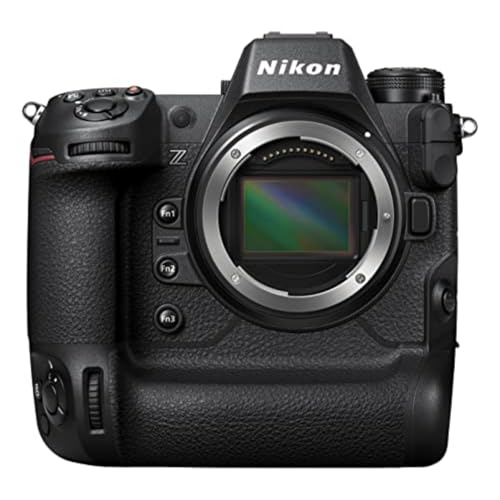
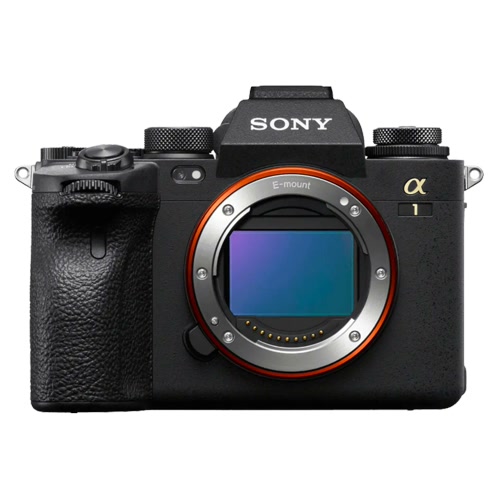
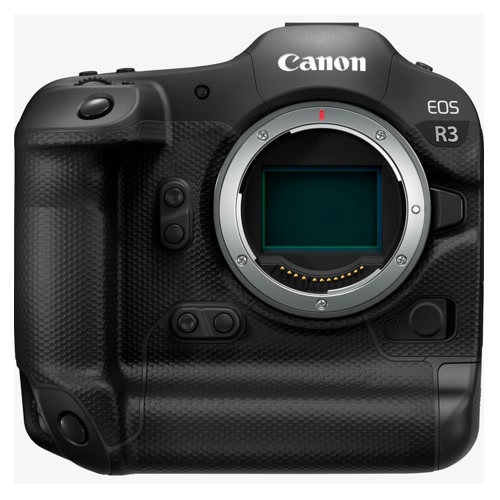
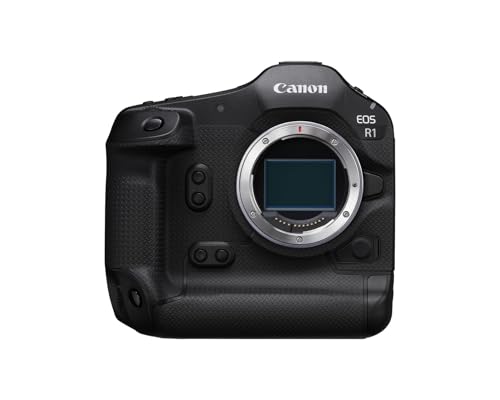
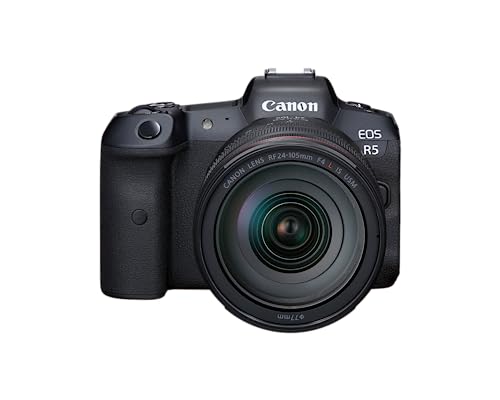
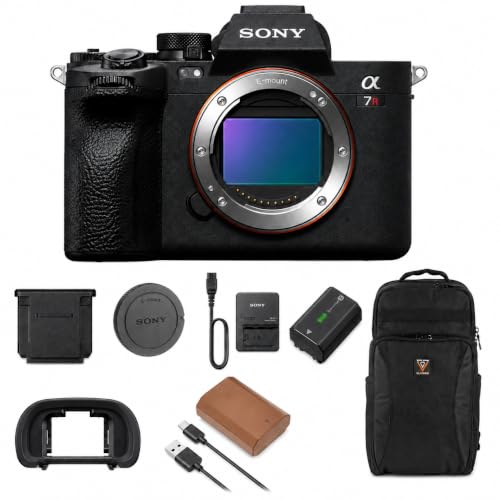
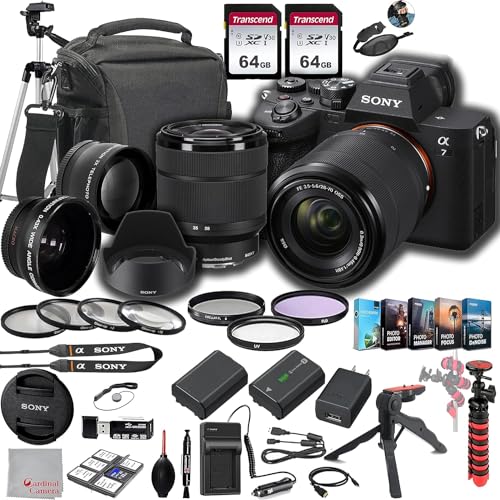
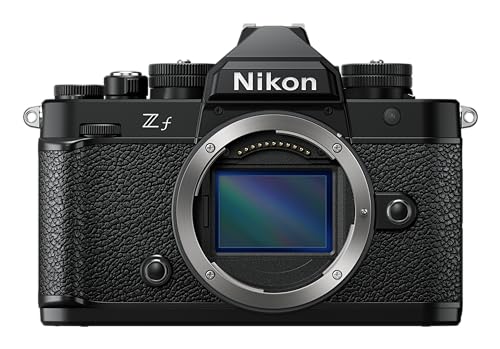
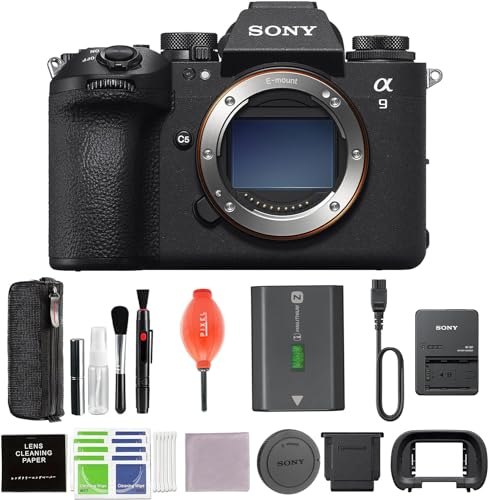
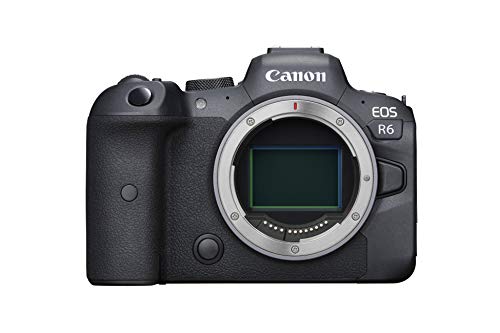
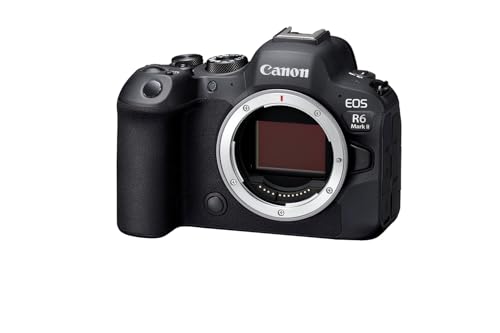
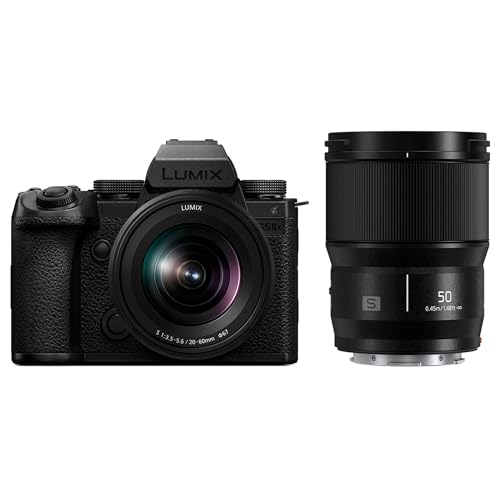
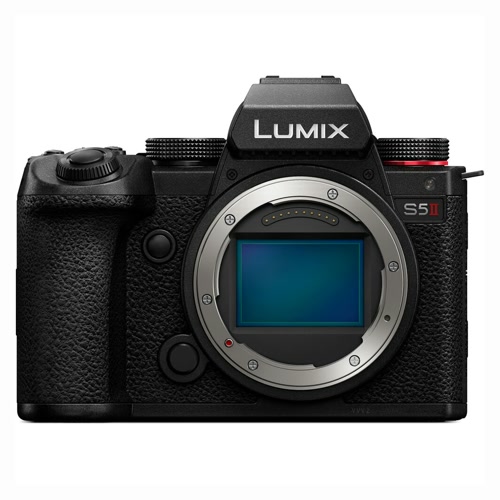
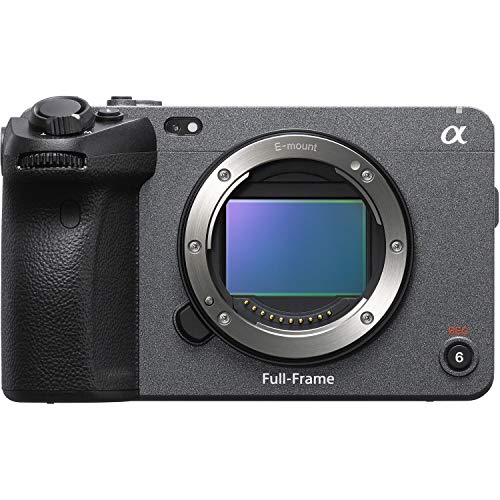
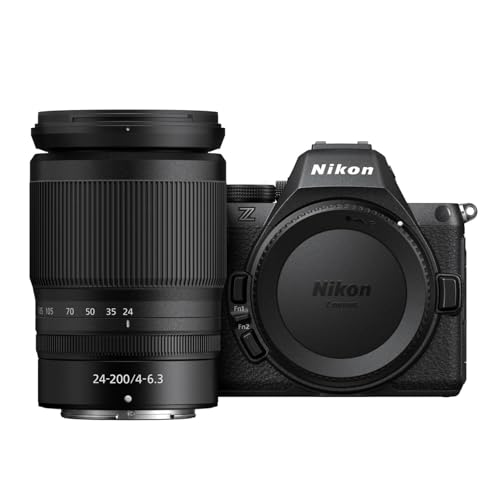
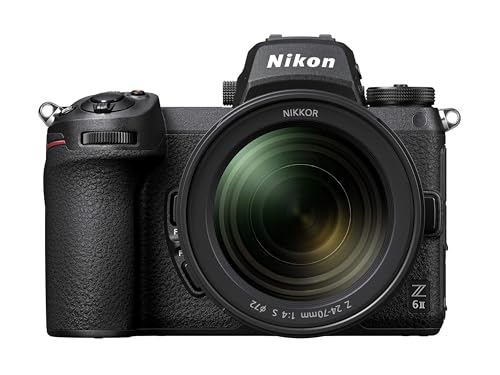
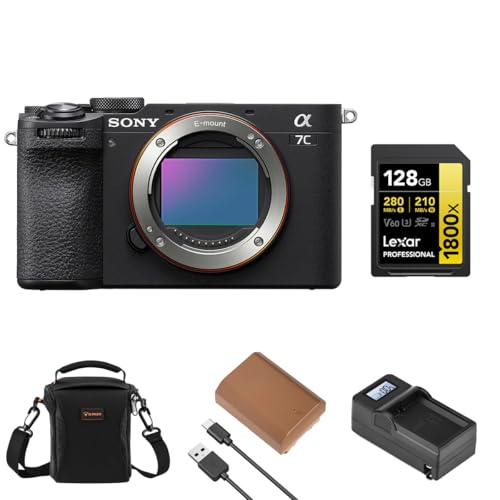
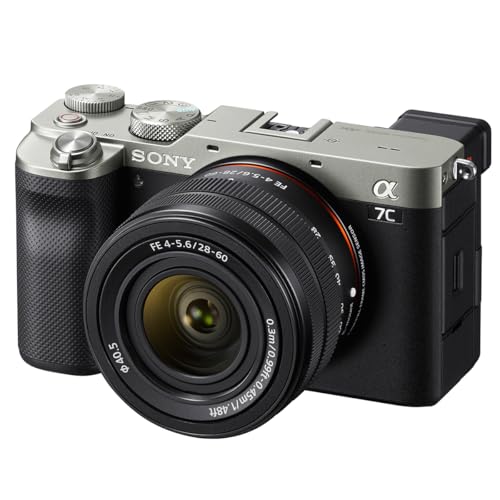
- Mirrorless cameras: Interchangeable-lens systems with electronic viewfinders, modern subject-detection autofocus, and strong hybrid photo/video features. Mounts such as Sony E, Canon RF, Nikon Z, Fujifilm X, and Micro Four Thirds cover a wide range of budgets.
- DSLR cameras: Interchangeable-lens bodies that use an optical viewfinder and reflex mirror. They offer substantial grips, long battery life, and mature lens systems, although most are larger than comparable mirrorless models.
- Bridge cameras: Fixed-lens cameras with deep grips and very large zoom ranges. They suit travel, wildlife, and distant subjects when carrying several lenses would be inconvenient.
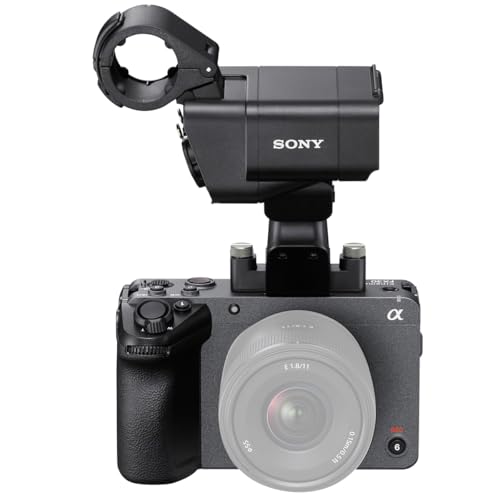
- Specialist digital cameras: Rangefinder, medium-format, cinema, action, instant-digital, and rugged waterproof designs prioritize a specific shooting experience over general versatility.