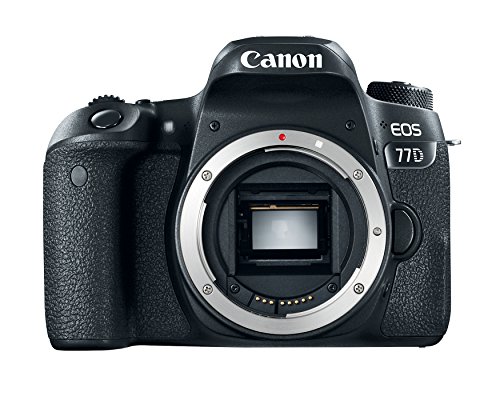
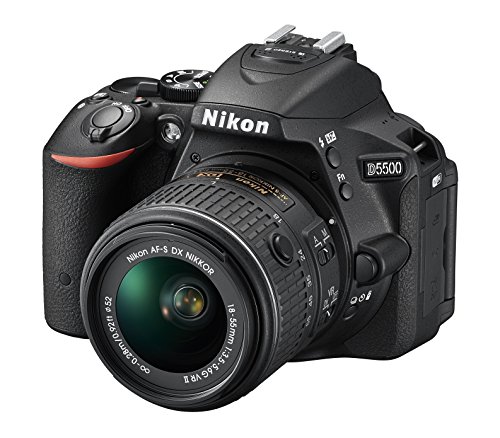
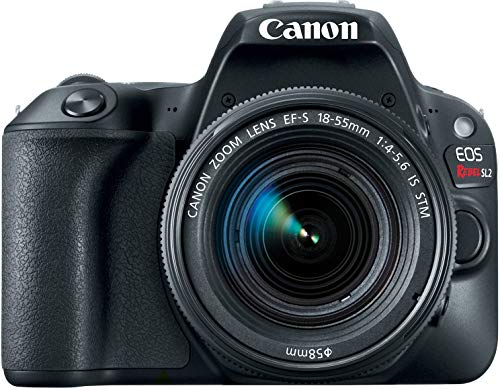
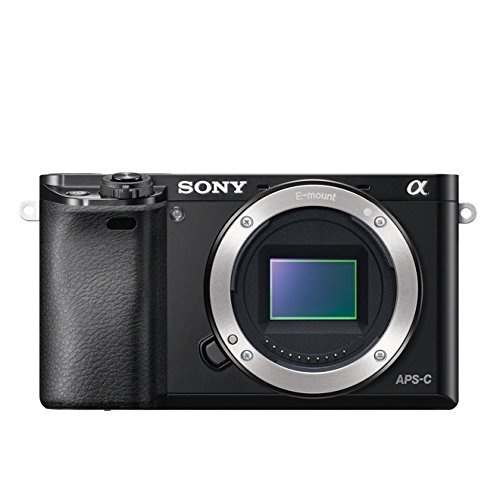
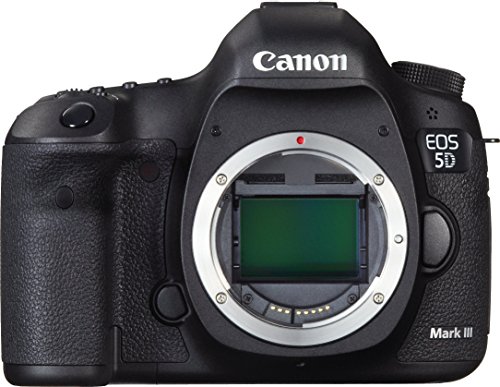
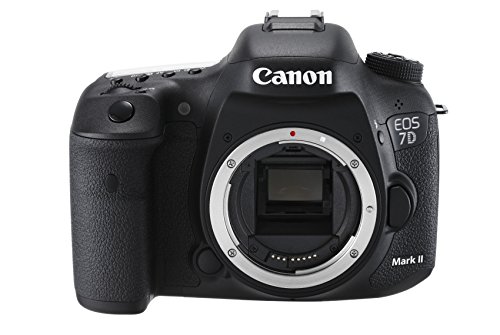
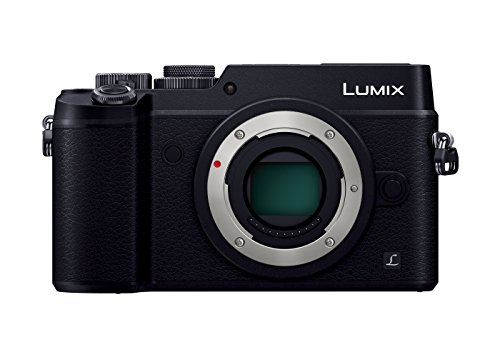
Cameras under £430 can provide very good daylight photographs, genuine optical reach, and more deliberate controls than a phone, but the strongest models are usually optimized for one type of shooting. Pocket and bridge cameras prioritize convenience or zoom, while entry mirrorless and DSLR bodies prioritize sensor size and lens choice.
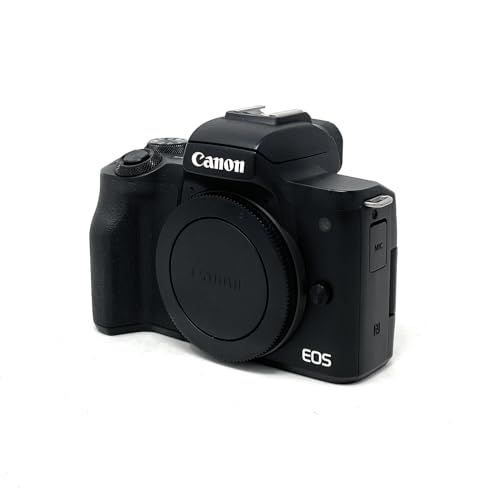
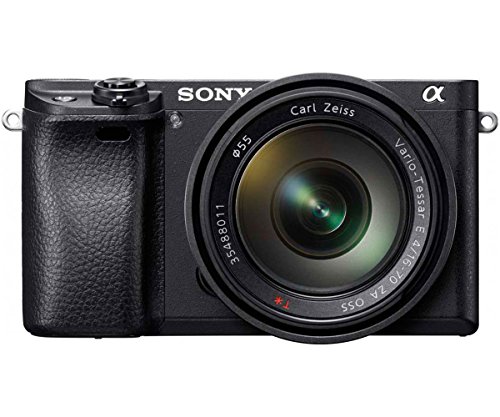
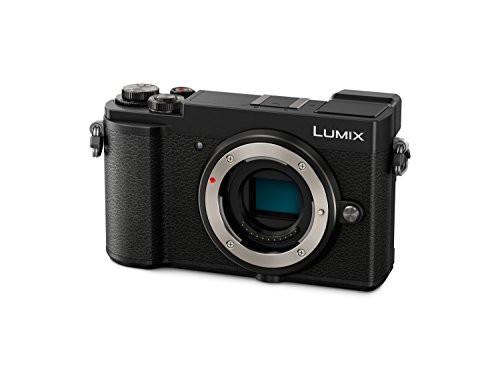
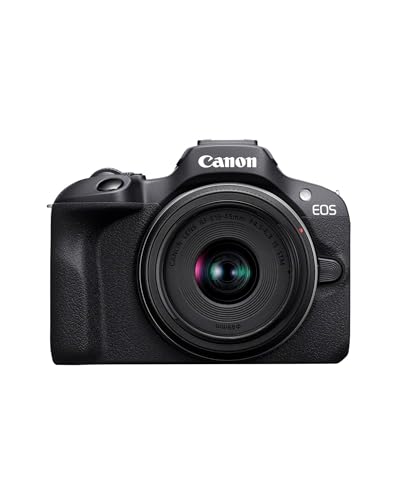
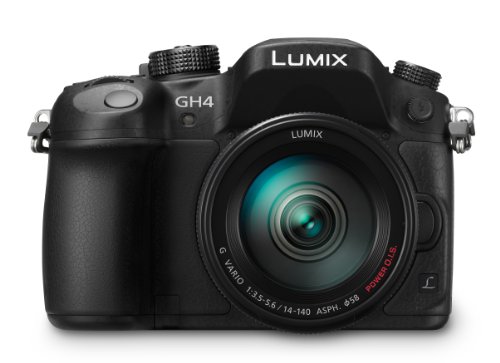
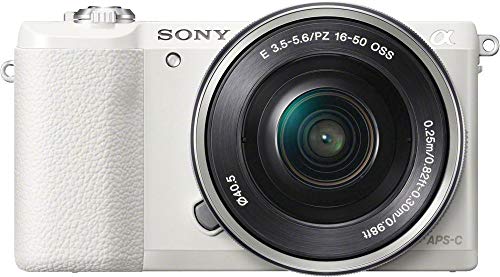
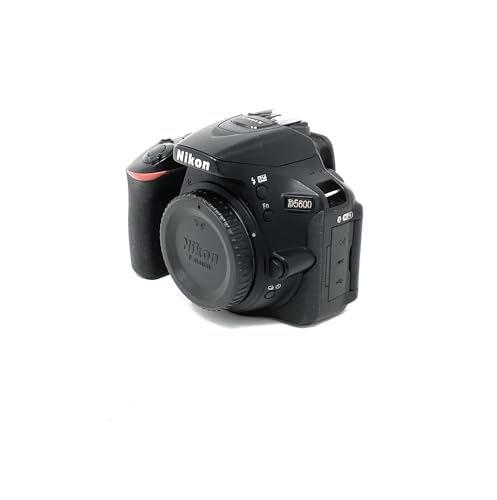
A larger-sensor system camera in this range commonly offers about 16–24 MP, RAW files, manual exposure, and better high-ISO quality than a small compact. The price may cover only the body or a basic kit zoom, however, so the useful focal range and total lens cost must be checked separately.
Fixed-lens models can deliver 5×, 20×, or even much longer optical zoom without additional purchases, although their small sensors and dim long-end apertures limit indoor and night performance. Expect capable everyday output rather than premium autofocus, deep high-speed buffers, extensive sealing, or unrestricted 4K recording.
The following chart shows how camera prices are distributed within the £430 limit.
[vertical-chart-04456251856554320903180758825826770647023224614122]
What compromises are common on cameras under £430?
The most common compromises on cameras under £430 are as follows:
- Smaller sensors in fixed-lens models: Many compacts and bridge cameras use a 1/2.3-inch sensor, which keeps the zoom small but produces more noise and less highlight recovery than APS-C or Four Thirds. Image quality is strongest in daylight and falls more quickly as ISO rises.
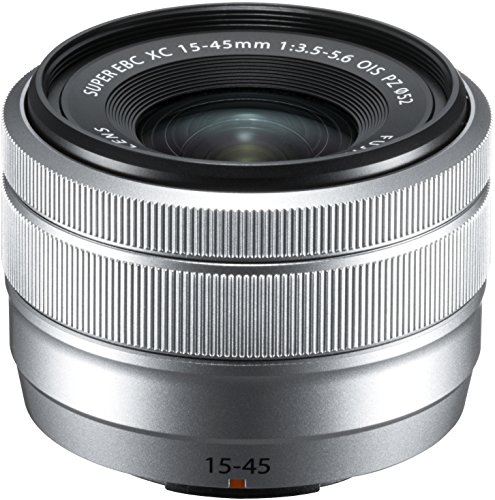
- Basic kit lenses on system cameras: An 18–55 mm or similar zoom is useful for everyday scenes but often narrows to f/5.6 or f/6.3 at the long end. Indoor motion and background blur may require a separate bright prime lens.
- Modest autofocus tracking: Face detection and single-subject focusing are often adequate, while fast sport, birds in flight, and erratic movement reveal slower acquisition or less reliable tracking. Check continuous AF performance rather than the number of focus points alone.
- Short bursts and shallow buffers: A camera may advertise 8–10 fps only in JPEG, fixed-focus, or electronic-shutter modes. RAW sequences can slow after a few seconds, especially with a basic memory-card interface.
- Limited stabilization: Lens-based stabilization is common, but sensor-shift stabilization is not guaranteed at this price. Confirm whether stabilization works for stills, video, and the intended lens.
- Simplified video: 4K may use a crop, contrast-detection autofocus, 24/25/30 fps only, or a short recording limit. Microphone inputs, headphone monitoring, and 10-bit recording are uncommon below £430.
- Entry-level construction and controls: Weather sealing, dual command dials, large viewfinders, and dual card slots are uncommon. A smaller grip and fewer direct buttons may be acceptable for travel but slower for manual shooting.