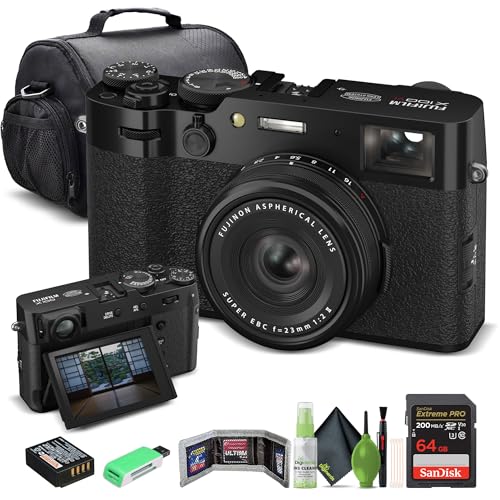
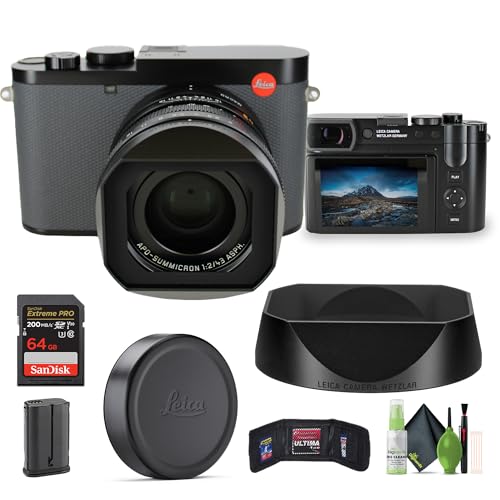
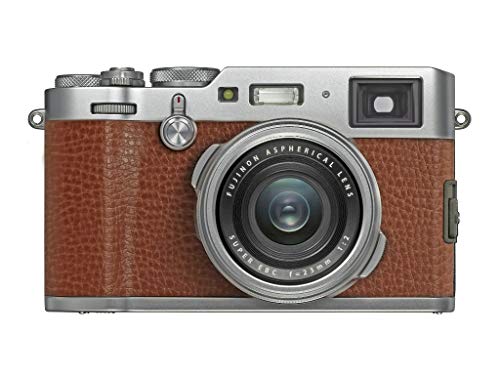
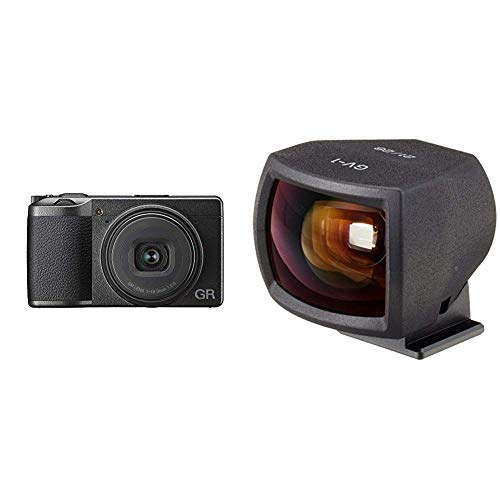
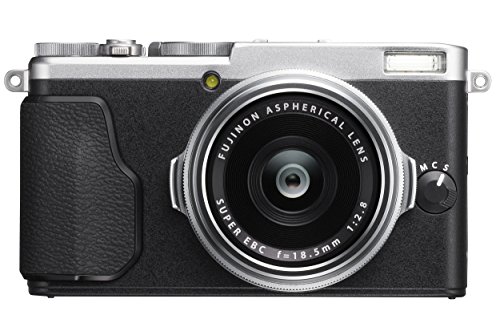
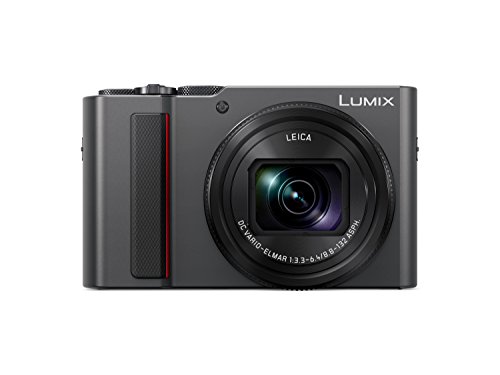
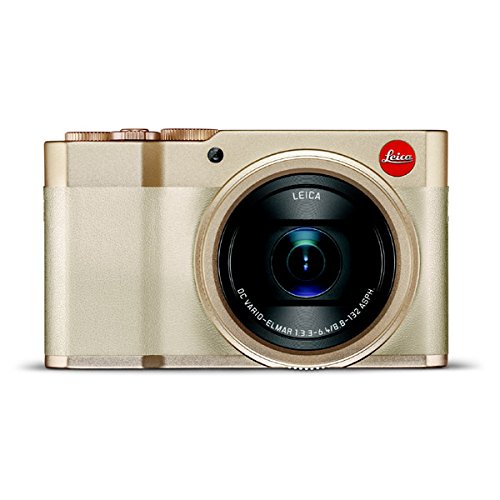
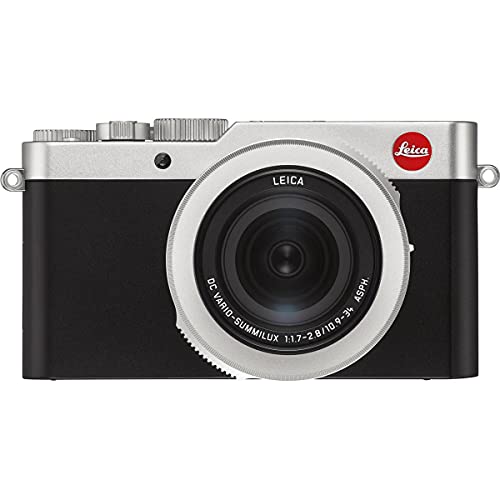
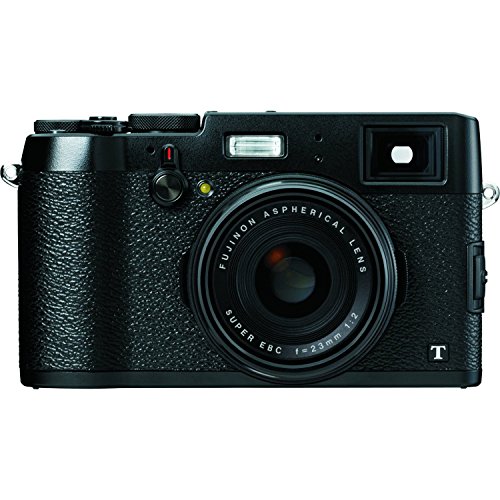
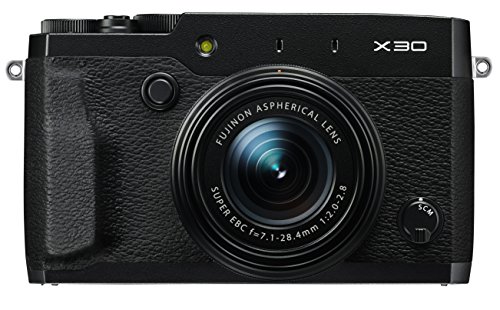
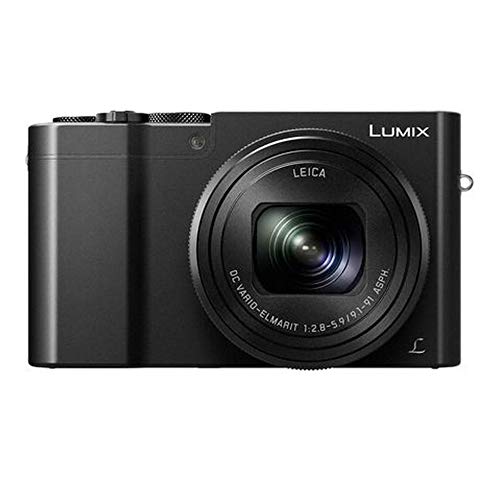
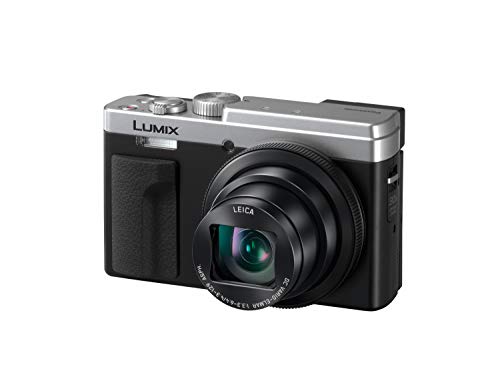
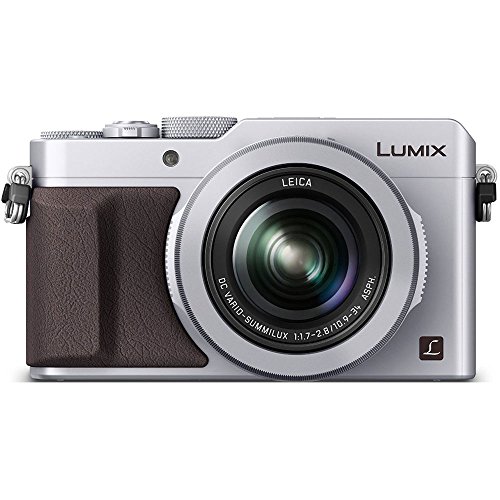
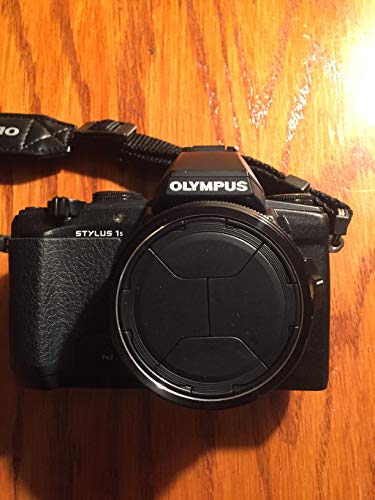
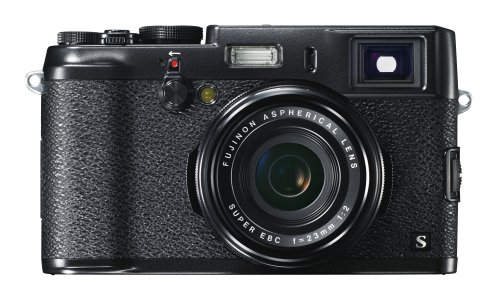
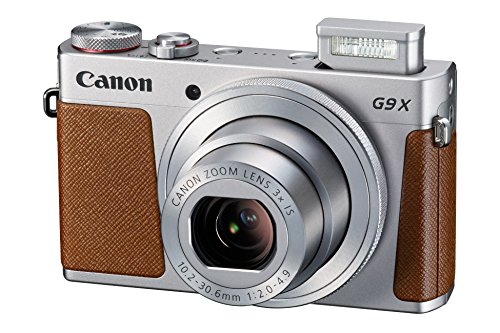
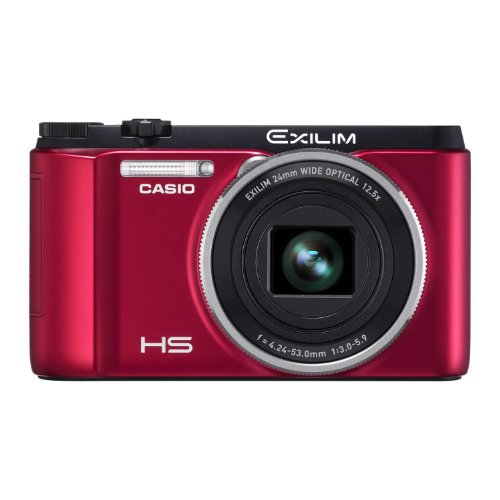
A compact camera is a small fixed-lens digital camera designed to be easier to carry than a typical interchangeable-lens body. The lens retracts or remains permanently attached, so the camera is ready to use without choosing, changing, or transporting separate lenses.
The category includes basic pocket cameras, rugged waterproof models, long-zoom travel cameras, and premium compacts with larger sensors and bright lenses. Some are genuinely pocketable, while others use a deeper grip or larger lens and fit better in a small bag.
How portable are compact cameras?
Compact cameras are among the most portable dedicated cameras, but the label covers bodies from roughly 90 g pocket models to substantial designs above 700 g.
A genuinely pocketable camera is usually closer to 120–250 g, with a retracting lens and minimal grip. It suits daily carry, city travel, family events, and situations where a phone is convenient but offers too little zoom or control.
Premium large-sensor compacts and long-zoom models often weigh around 300–500 g and may need a jacket pocket or small bag. Check the depth with the lens retracted, because a prominent grip, viewfinder, or fast zoom can matter more to portability than the published weight alone.
The chart below compares the weight distribution of compact cameras.
[vertical-chart-10424711895152345994182819290710507623772438300919]
How much zoom do compact cameras usually offer?
Compact cameras usually offer anything from a short 3× zoom to travel ranges above 30×, but the focal-length coverage matters more than the multiplier alone.
A bright premium compact may use a lens around 24–70 mm equivalent, prioritizing low-light quality, background blur, and edge-to-edge sharpness. It will not reach distant wildlife, but it is well suited to street photography, portraits, interiors, and everyday travel.
Travel-zoom models often extend from roughly 24 mm wide angle to 200–720 mm equivalent. The extra reach is useful for landmarks, sports, and distant subjects, although the maximum aperture commonly becomes much darker at the long end.
Extreme zoom and small size require compromises. Image stabilization becomes essential, fine detail can soften near maximum zoom, and a small sensor may struggle in poor light. Compare equivalent focal length, aperture at both ends, close-focus distance, and lens speed instead of choosing from the zoom ratio alone.